

Bulk Cargo Shipping from China Pricing: 2026 Freight Guide
“Navigating the complexities of bulk cargo shipping from china pricing requires a deep understanding of current market dynamics and logistics efficiency. As global trade continues to evolve in 2026, businesses must find reliable partners like China Top Freight to manage their large-scale international shipments. Consequently, understanding the variables that influence total landed costs is essential for maintaining a competitive edge in today’s global economy.”
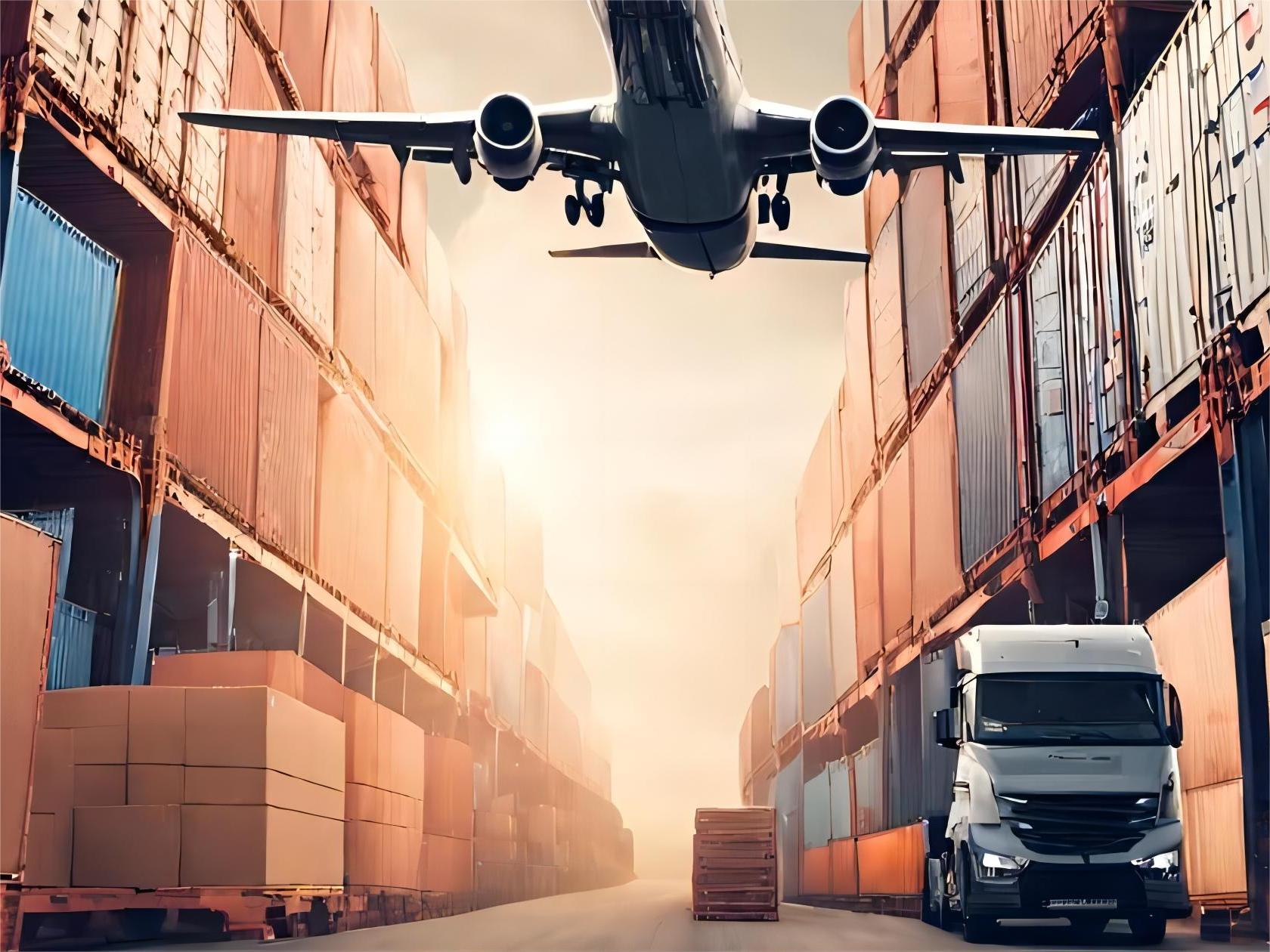
Understanding Bulk Cargo Shipping from China Pricing in 2026
❖Market conditions in early 2026 have stabilized significantly following the supply chain fluctuations of previous years. Specifically, ocean freight rates have reached a new equilibrium as carrier capacity has increased across major trade lanes. However, shippers must still account for variable costs such as fuel surcharges and port congestion fees that can impact the final invoice.
Pricing for bulk shipments is typically calculated based on either the volume in cubic meters or the total weight in metric tons. Furthermore, the choice between Full Container Load and Less than Container Load services will dictate the baseline price for your logistics operations. Indeed, volume discounts often become available for those moving large quantities of goods consistently throughout the fiscal year.
Logistics trends suggest that digitalization is helping to provide more transparent pricing structures for international importers. Meanwhile, environmental regulations in 2026 have introduced new carbon levies that are now integrated into standard freight quotes. Therefore, staying informed about these regulatory shifts is crucial for accurate budgeting and financial planning.
Primary Factors Influencing Your Shipping Costs
❖Fuel prices remain the most volatile component of bulk cargo shipping from china pricing in the current market. As a result, many carriers apply a Bunker Adjustment Factor to protect their margins against sudden spikes in energy costs. Additionally, seasonal demand cycles, such as the pre-holiday rush, can lead to temporary rate hikes of up to twenty-five percent.
Port efficiency at major hubs like Shanghai, Ningbo, and Shenzhen also plays a vital role in determining expenses. For instance, increased dwell times at destination ports can lead to demurrage and detention charges that quickly inflate your total spend. Consequently, selecting a freight forwarder with strong local ties can help mitigate these logistical bottlenecks effectively.
Currency exchange rates between the Chinese Yuan and the US Dollar continue to affect international trade valuations. Moreover, the type of commodity being shipped will influence the handling requirements and the associated labor costs at the terminal. Without a doubt, specialized cargo like hazardous materials or oversized equipment will command higher premiums compared to standard dry goods.
Comparing Shipping Methods for Bulk Inventory
❖Choosing the right transportation mode is the first step in optimizing your bulk cargo shipping from china pricing strategy. While sea freight remains the most economical choice for massive volumes, other options provide faster transit times for urgent inventory. For example, rail solutions have become increasingly popular for shipments destined for inland European locations.
The following table provides a high-level comparison of the primary shipping methods available from China in 2026. It highlights the trade-offs between speed and cost that every logistics manager must consider. Indeed, the most expensive option is not always the best choice for every business model.
| Sea Freight | $1,500 – $5,500 | 15 – 40 Days | Large volumes |
| Rail Freight | $3,000 – $7,000 | 18 – 25 Days | Inland Europe |
| Air Freight | $4.50 – $9.00/kg | 3 – 7 Days | High value |
| Express | $8.00 – $15.00/kg | 2 – 5 Days | Samples/Small |

How Does Sea Freight Compare to Other Shipping Options?
❖Sea freight is the backbone of global trade, offering the lowest per-unit cost for bulk cargo shipping from china pricing. Nevertheless, it is important to weigh this cost advantage against the longer lead times required for maritime transport. In contrast, air freight offers rapid delivery but at a price point that is often ten times higher than ocean transit.
Alternative strategies such as sea-air hybrid solutions are gaining traction for businesses looking to balance speed and budget. Specifically, goods are shipped by sea to a hub like Dubai or Singapore and then flown to the final destination. This approach can save significant money compared to pure air freight while cutting transit time by half compared to pure sea freight.
The table below outlines the comparative metrics for various shipping strategies in 2026. Note that these figures are based on market averages and are subject to change based on carrier capacity.
| Direct Sea | Lowest | Slowest | High |
| Transshipment | Very Low | Very Slow | Moderate |
| Sea-Air Hybrid | Medium | Medium | High |
| Direct Air | Highest | Fastest | Very High |
Real-World Case Studies of Bulk Shipments
❖Analyzing actual shipment data helps importers understand the practical application of bulk cargo shipping from china pricing. These scenarios reflect typical 2026 market rates and highlight the importance of planning for ancillary charges. Furthermore, they demonstrate how different routes and container types impact the final landed cost of the goods.
Case Study 1: Industrial Machinery to Europe
Box Case Study 1: Heavy Equipment Export Route: Shanghai, China to Rotterdam, Netherlands Cargo: Industrial Components, 28 CBM, 14,000 kg Container: 1 x 40GP (Full Container Load) Shipping Details: – Carrier: COSCO Shipping – Port of Loading: Shanghai (CNSHA) – Port of Discharge: Rotterdam (NLRTM) – Route Type: Direct Service Cost Breakdown: – Ocean Freight: $3,450 – Origin Charges: $420 – Destination Charges: $580 – Customs & Duties: $1,200 – Total Landed Cost: $5,650 Timeline: – Booking to Loading: 4 days – Sea Transit: 32 days – Customs Clearance: 3 days – Total Door-to-Door: 39 days Key Insight: Utilizing a direct route minimized the risk of damage for heavy components and avoided transshipment delays.
Case Study 2: Consumer Goods to North America
Box Case Study 2: Retail Inventory Replenishment Route: Shenzhen, China to Long Beach, USA Cargo: Electronics and Textiles, 18 CBM, 6,500 kg Container: LCL (Less than Container Load) Shipping Details: – Carrier: Maersk Line – Port of Loading: Shenzhen (CNSZN) – Port of Discharge: Long Beach (USLGB) – Route Type: Direct Express Cost Breakdown: – Ocean Freight: $1,440 ($80/CBM) – Origin Charges: $250 – Destination Charges: $450 – Customs & Duties: $3,100 – Total Landed Cost: $5,240 Timeline: – Booking to Loading: 3 days – Sea Transit: 16 days – Customs Clearance: 2 days – Total Door-to-Door: 21 days Key Insight: LCL was more cost-effective than a 20GP container for this volume, despite higher per-CBM handling fees at the destination.
Which Option Should You Choose?
❖Determining the best logistics path depends on your specific business priorities and the nature of your bulk cargo. If budget is the primary concern, sea freight is almost always the recommended solution for shipments exceeding two cubic meters. On the other hand, if you are facing stockouts or tight production deadlines, air freight or express services may be necessary.
Consider the following decision framework to guide your selection process. For shipments under 15 CBM, LCL is typically the most economical choice. However, once you exceed 15 CBM, the cost of a 20GP container often becomes comparable, providing better security and faster handling. For even larger volumes, a 40HQ container offers the best economies of scale.
Additionally, businesses targeting inland destinations should evaluate rail freight as a viable middle ground. Rail offers a faster transit than sea but at a significantly lower cost than air. Finally, always consult with a professional customs brokerage to ensure your paperwork is in order before the cargo departs.

Managing Surcharges and Hidden Fees
❖A common pitfall in calculating bulk cargo shipping from china pricing is overlooking the various surcharges that carriers apply. These can include the Low Sulfur Surcharge, the Peak Season Surcharge, and the Emergency Bunker Surcharge. Accordingly, always request an all-in quote that includes these line items to avoid surprises on your final invoice.
Destination charges are another area where costs can accumulate rapidly if not managed properly. These fees cover terminal handling, document processing, and local trucking from the port to your warehouse. By utilizing door to door services, you can often consolidate these costs into a single, more manageable rate.
Note: Freight rates are subject to change based on fuel costs, carrier capacity, and seasonal demand. Contact us for a current quote tailored to your specific shipment.
Strategies to Reduce Your Bulk Cargo Shipping Costs
❖Reducing your overall logistics spend requires a proactive approach to supply chain management. One effective method is to consolidate multiple small orders into a single large shipment to take advantage of FCL rates. Furthermore, optimizing your product packaging can help reduce the total volume, directly lowering your sea freight expenses.
Negotiating long-term contracts with freight forwarders can also provide price stability in a fluctuating market. Indeed, carriers are often willing to offer lower rates to shippers who can guarantee consistent monthly volumes. Meanwhile, planning your shipments during off-peak periods can help you avoid the high premiums associated with the busy third and fourth quarters.
Finally, investing in cargo insurance is a small upfront cost that can save thousands in the event of loss or damage. While it does not reduce the shipping rate itself, it protects your business from the catastrophic financial impact of transit accidents. Therefore, never skip insurance when moving high-value bulk inventory across the ocean.
Final Thoughts on Bulk Shipping Pricing
Mastering bulk cargo shipping from china pricing is a continuous process of analysis and adjustment. By understanding the factors that drive costs and staying informed about market trends, you can make smarter logistics decisions. Specifically, balancing speed, cost, and reliability will ensure your supply chain remains resilient in 2026.
Whether you are a small business or a large enterprise, working with a knowledgeable freight partner is the key to success. As the global trade landscape shifts, those who prioritize efficiency and transparent pricing will thrive. Start your journey toward better shipping today by evaluating your current strategies against these industry benchmarks.

Ready to streamline your logistics?
Ready to optimize your bulk cargo shipping from china pricing and streamline your international logistics? Contact the experts at China Top Freight today to receive a customized quote tailored to your specific business needs and volume requirements. Our team is standing by to help you navigate the 2026 shipping market with ease and efficiency. Visit our website to get started.
Request Quote