

China to Europe Freight Service International Shipping: 2026 Guide
China to Europe freight service international shipping represents the backbone of global trade between these two massive economic hubs. Navigating the complexities of modern logistics requires a partner like China Top Freight to ensure your goods arrive safely and on time. As we move through 2026, understanding the nuances of different transport modes is essential for maintaining a resilient supply chain. This guide explores the latest pricing trends, transit times, and strategic alternatives for businesses of all sizes.
What Are the Primary Modes for China to Europe Freight Service International Shipping?
Selecting the right transport mode is the most critical decision in your logistics planning process. For most high-volume importers, sea freight remains the most cost-effective solution for transporting heavy or bulky items across long distances. However, the choice often depends on your specific budget constraints and how quickly you need the inventory to reach European markets.
Moreover, the logistics landscape in 2026 offers a diverse array of options including air, rail, and express services. Each method carries distinct advantages regarding speed and security. Consequently, businesses must weigh the trade-offs between the lower costs of ocean transport and the rapid delivery times offered by air or rail solutions.
Additionally, businesses must consider the nature of their cargo before committing to a specific route. For instance, perishable goods or high-value electronics typically require the speed of air freight to minimize risk and depreciation. Meanwhile, industrial machinery and raw materials are better suited for the high-capacity holds of modern container ships.
How Does Sea Freight Compare to Other Shipping Options?
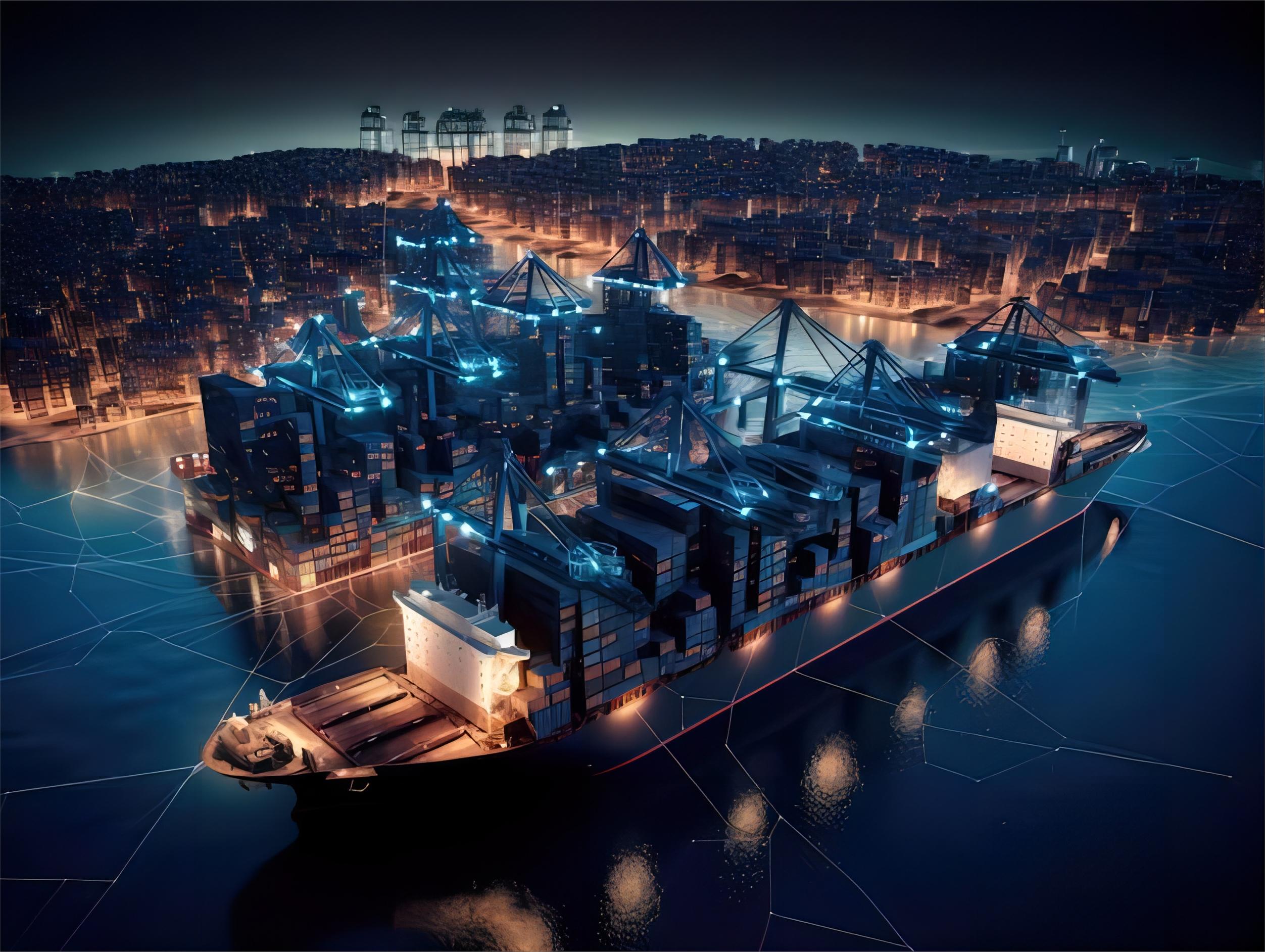
Analyzing the efficiency of sea freight reveals why it handles over 80 percent of global trade volume. While it is significantly slower than air transport, the price per cubic meter is unmatched for large-scale shipments. Indeed, many companies utilize ocean transport to maintain a steady flow of stock while using faster methods only for emergency restocks.
Furthermore, sea freight has become more predictable in 2026 as global port congestion has eased significantly compared to previous years. Therefore, planners can now rely on more accurate arrival windows at major European ports like Rotterdam, Hamburg, and Antwerp. Nevertheless, businesses should still account for potential seasonal delays during the peak shipping months of August through October.
In contrast, other modes provide better flexibility for smaller shipments. If you are shipping less than 15 cubic meters, Less than Container Load (LCL) options provide a middle ground between cost and convenience. On the other hand, for full loads, a 40HQ container offers the best value for your logistics spend.
| Shipping Method | Cost Range (USD) | Transit Time | Best For |
|---|---|---|---|
| Sea Freight (FCL) | $3,000 – $4,200 | 30-40 Days | Bulk goods, heavy cargo |
| Rail Freight | $4,500 – $6,000 | 18-22 Days | Medium value, urgent stock |
| Air Freight | $5.50 – $9.00/kg | 5-8 Days | High value, electronics |
| Express Service | $9.00 – $15.00/kg | 3-5 Days | Samples, small parcels |
Why is Rail Freight a Strategic Alternative in 2026?
Rail transport has emerged as a powerhouse for shipping from China to Europe over the last decade. It offers a perfect balance by being faster than sea freight and considerably cheaper than air transport. Consequently, it has become the preferred choice for automotive parts and fashion retailers who require faster turnover cycles.
Additionally, rail freight provides a more environmentally friendly alternative compared to air or sea transport. As sustainability becomes a core metric for European businesses, rail solutions help companies meet their carbon reduction targets. For example, many logistics managers now use rail for mid-range cargo that doesn’t justify the expense of a plane but cannot wait 40 days for a ship.
Furthermore, the infrastructure for the New Silk Road has seen massive investments in 2025 and 2026. This means more frequent departures from hubs like Xi’an, Chengdu, and Zhengzhou directly to European terminals in Poland and Germany. Accordingly, the reliability of rail schedules has reached an all-time high, making it a staple of modern supply chain management.
Understanding the Costs of China to Europe Freight Service International Shipping
Calculating the total landed cost involves more than just the base freight rate provided by a carrier. You must also factor in origin charges, bunker adjustment factors, and destination handling fees. Therefore, obtaining a comprehensive quote is vital to avoid unexpected expenses during the customs clearance process.
Market data as of early 2026 suggests that rates have stabilized following the global supply chain shifts of the mid-2020s. However, fuel surcharges and seasonal demand still cause fluctuations in monthly pricing. For instance, shipping a 40HQ container from Shanghai to Felixstowe might cost $3,500 in May but rise to $4,500 by September.
Note: Freight rates are subject to change based on fuel costs, carrier capacity, and seasonal demand. Contact us for a current quote tailored to your specific shipment.
| Route | 20GP Container | 40HQ Container | Avg. Transit Time |
|---|---|---|---|
| Shenzhen to Rotterdam | $2,100 – $2,600 | $3,200 – $4,100 | 32 Days |
| Ningbo to Hamburg | $2,200 – $2,700 | $3,300 – $4,200 | 34 Days |
| Shanghai to Felixstowe | $2,300 – $2,800 | $3,500 – $4,500 | 36 Days |
| Xiamen to Gdansk | $2,150 – $2,650 | $3,250 – $4,150 | 38 Days |
How to Manage Customs Brokerage and Documentation?
Navigating the legal requirements of European customs is often the most challenging aspect of international shipping. Without the correct paperwork, your cargo could face lengthy delays or expensive fines at the port of entry. Thus, employing a professional customs brokerage service is highly recommended for first-time and experienced importers alike.
Moreover, each European nation may have specific VAT and duty regulations that affect your final cost. For example, importing goods into Germany requires different compliance steps than importing into Italy or Spain. Consequently, having a partner who understands the Union Customs Code is an invaluable asset for your business operations.
Indeed, preparing a complete documentation package is the best way to ensure a smooth transition through customs. Basic requirements usually include the commercial invoice, packing list, and bill of lading. Additionally, certificates of origin or specific safety certifications may be required depending on the category of your products.
| Document Name | Purpose | Required By | Timing |
|---|---|---|---|
| Bill of Lading | Title of goods | Carrier/Customs | At departure |
| Commercial Invoice | Valuation of cargo | Customs | At booking |
| Packing List | Inventory details | Warehouse/Customs | At loading |
| EORI Number | EU Trader ID | Customs | Before arrival |
Which Option Should You Choose for Your Business?
Determining the best shipping strategy depends on your specific priorities regarding cost, speed, and cargo volume. If your primary goal is to minimize expenses, sea freight is the clear winner for shipments over 2 cubic meters. On the other hand, if you are launching a new product and need it in stores within two weeks, air freight is the only viable path.
Additionally, hybrid solutions like sea-air combinations are becoming more popular in 2026. This strategy involves shipping goods by sea to a hub like Dubai and then flying them the rest of the way to Europe. As a result, you get a transit time that is faster than sea but a price point that is lower than pure air freight.
Furthermore, for smaller e-commerce sellers, door to door services simplify the entire process. These all-inclusive packages handle everything from the factory pickup in China to the final delivery at your warehouse in Europe. This allows business owners to focus on sales rather than the technicalities of logistics.

Real Case Studies: Navigating the 2026 Logistics Landscape
Reviewing real-world examples helps clarify how these shipping theories work in practice. Below are two scenarios based on typical 2026 market conditions and actual routes handled by major carriers. These cases illustrate the cost and time trade-offs involved in different shipping methods.
Case Study 1: Electronics from Shenzhen to Hamburg. Cargo: Consumer Electronics, 12 CBM. Method: Sea Freight LCL. Port of Loading: Shenzhen. Port of Discharge: Hamburg. Ocean Freight: $1,450. Origin/Destination Charges: $600. Customs/Duties: $2,200. Total Landed Cost: $4,250. Timeline: 38 days door-to-door. Key Insight: LCL provided a cost-effective way for this small business to scale without paying for a full container.
Case Study 2: Industrial Parts from Shanghai to Warsaw. Cargo: Machine Components, 18,000kg. Container: 40HQ. Method: Rail Freight. Carrier: China-Europe Railway Express. Rail Freight: $5,800. Customs Clearance: $450. Total Door-to-Door: $7,200. Timeline: 24 days. Key Insight: Rail was chosen to meet a tight production deadline that sea freight could not accommodate, saving 12 days of transit time.
Mastering Your International Shipping Strategy
To summarize, successful China to Europe freight service international shipping requires a blend of careful planning and the right choice of transport mode. Whether you prioritize the speed of air freight or the economy of sea freight, understanding the current market landscape of 2026 is essential for success. By leveraging the expertise of a professional freight forwarder, you can navigate customs and logistics challenges with ease.
Ultimately, the goal is to build a resilient and cost-effective supply chain that supports your business growth. We encourage you to evaluate your shipping needs regularly and stay informed about the latest trends in global trade. With the right strategy, your goods will continue to flow efficiently from China to the European market.
Ready to streamline your logistics?
Ready to streamline your supply chain with a reliable China to Europe freight service international shipping partner? Contact our expert team today to receive a customized quote and expert logistics advice tailored to your 2026 business goals. Send Inquiry
Request Quote