China Ecommerce Logistics Solution Fast Delivery: 2026 Guide
Establishing a reliable China ecommerce logistics solution fast delivery system remains the cornerstone of successful international trade in 2026. However, navigating the complexities of global shipping requires expertise and strategic planning to avoid costly delays. Consequently, businesses must evaluate their transit needs against current market conditions to maintain a competitive edge in the global marketplace.
What Defines a China Ecommerce Logistics Solution Fast Delivery?
Modern ecommerce demands speed and reliability above all else. Indeed, a China ecommerce logistics solution fast delivery is characterized by its ability to bypass common bottlenecks in the supply chain. Moreover, these solutions integrate advanced tracking and efficient handling to ensure goods reach consumers within days rather than weeks.
Furthermore, the landscape of 2026 has introduced new technologies that streamline cargo handling. For example, automated sorting facilities in major hubs like Shenzhen and Ningbo have significantly reduced dispatch times. Additionally, sellers who prioritize these fast lanes often see higher customer retention rates due to consistent delivery schedules.
Nevertheless, achieving this speed requires a deep understanding of the various transport modes available. Choosing the wrong method can lead to unexpected expenses and inventory stockouts. Therefore, businesses must carefully analyze their volume and budget before committing to a specific logistics path.
How Does Air Freight Compare to Other Shipping Options?
Utilizing air freight provides the fastest possible transit times for high-value ecommerce goods. Specifically, as of early 2026, air cargo remains the preferred choice for electronics and fashion brands requiring rapid inventory turnover. In addition, this method minimizes the risk of damage compared to longer sea voyages.
On the other hand, the cost of air transport is considerably higher than ocean or rail alternatives. For instance, while sea freight costs might range from 2,000 to 4,000 dollars for a full container, air freight for the same weight could exceed 20,000 dollars. Consequently, air solutions are best reserved for lightweight or time-sensitive items.
To summarize, the decision between air and other modes depends on your margin and urgency. While air freight saves weeks of time, it requires a higher capital investment per unit. Below is a detailed comparison of the primary shipping methods available for China ecommerce exports.
| Air Freight | $5.00 – $9.00 / kg | 3 – 7 Days | Electronics, Urgent Stock |
| Express Service | $7.00 – $12.00 / kg | 2 – 5 Days | Small Parcels, Samples |
| Sea Freight (FCL) | $3,000 – $5,500 / 40HQ | 25 – 40 Days | Bulk Inventory, Furniture |
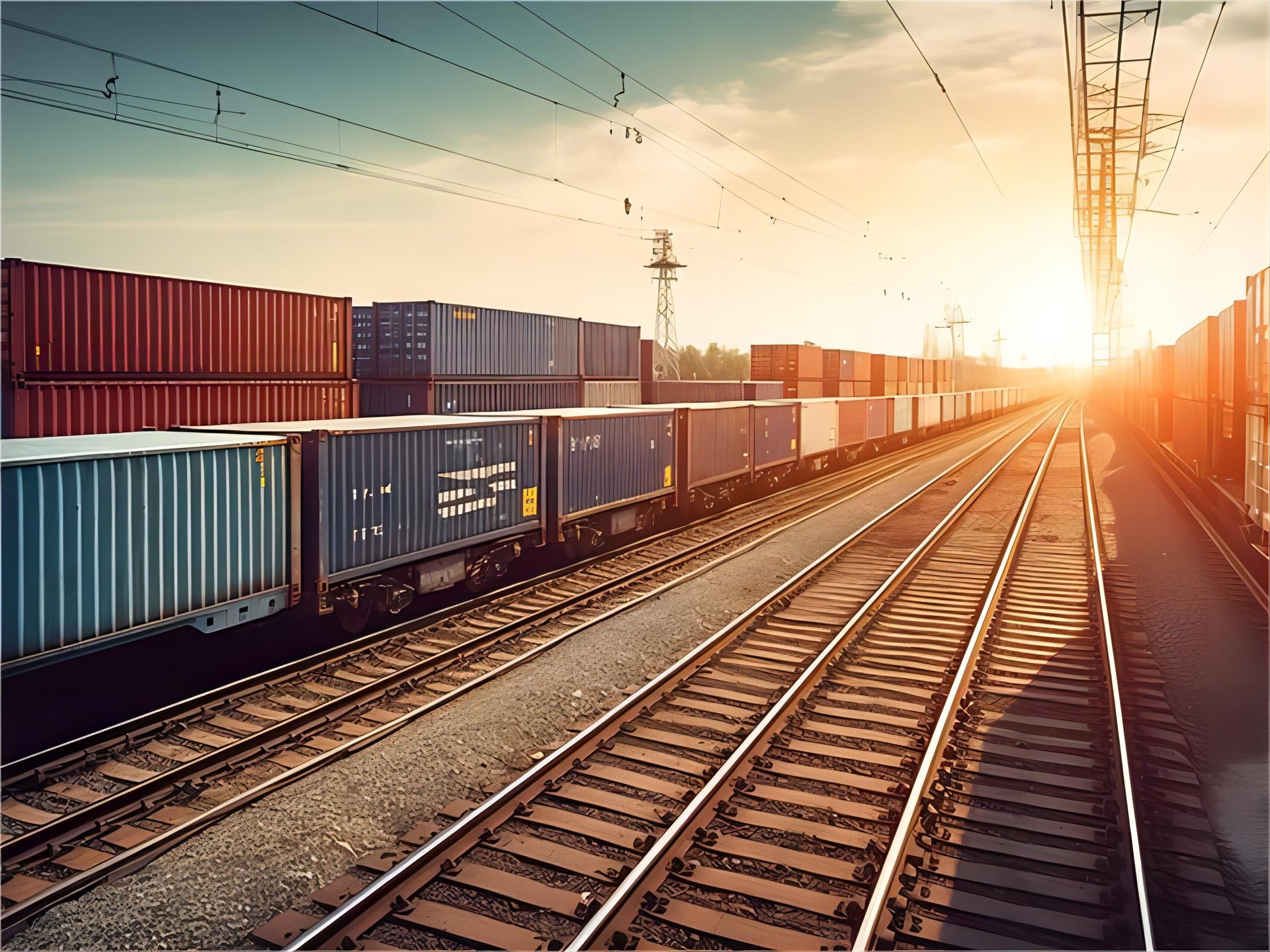
| Rail Freight | $1.50 – $3.00 / kg | 15 – 22 Days | Mid-range Budget to Europe |

Key Factors Influencing 2026 Shipping Rates
Understanding current freight rates is essential for maintaining a profitable China ecommerce logistics solution fast delivery model. For example, in Q1 2026, fuel surcharges have stabilized, yet peak season demand still causes price spikes. Additionally, carrier capacity on major routes to North America and Europe continues to fluctuate based on global trade volumes.
Moreover, seasonal patterns play a significant role in pricing strategy. Rates typically increase by 15 to 25 percent during the August to October period as retailers prepare for the holiday rush. Consequently, booking shipments well in advance is a proven strategy for securing lower rates and guaranteed space.
Market intelligence suggests that port congestion has eased in most West Coast hubs, but East Coast ports still experience occasional delays. Indeed, choosing the right entry point can save both time and money. Therefore, sellers should consult with their logistics partners to identify the most efficient routes for their specific destination.
| China to USA West | $1,800 – $2,400 | $3,200 – $4,000 | 14-18 Days |
| China to USA East | $2,800 – $3,800 | $4,800 – $6,200 | 28-35 Days |
| China to UK/EU | $2,200 – $3,000 | $3,800 – $4,800 | 30-38 Days |
| China to Australia | $900 – $1,400 | $1,600 – $2,200 | 12-18 Days |
Navigating Customs Brokerage for Fast Clearance
Efficient customs brokerage acts as a catalyst for fast delivery by preventing bureaucratic delays. Without a doubt, proper documentation is the most critical factor in avoiding port storage fees and inspection holds. In addition, staying updated on changing tariff regulations in 2026 is vital for accurate cost forecasting.
Furthermore, many successful sellers utilize specialized brokers who understand the nuances of ecommerce classification. For instance, correctly identifying HTS codes can prevent overpayment of duties and ensure a smoother entry process. Consequently, the investment in professional brokerage often pays for itself through reduced transit times and avoided penalties.
Actually, the rise of digital customs platforms has simplified the submission of paperwork. Nevertheless, physical inspections can still occur, especially for new importers. To summarize, a proactive approach to compliance is the best way to ensure your China ecommerce logistics solution fast delivery remains uninterrupted.
Optimizing with Door to Door Logistics
A comprehensive door to door service simplifies the entire logistics chain by handling everything from the factory to the final warehouse. In contrast to port-to-port shipping, this model reduces the administrative burden on the importer significantly. Moreover, it provides a single point of accountability for the entire journey.
Additionally, this solution is ideal for businesses that lack a dedicated logistics department. For example, the provider manages the trucking, ocean freight, and final mile delivery without the seller needing to coordinate multiple parties. Furthermore, integrated tracking throughout the process offers peace of mind and better inventory visibility.
Indeed, while the per-unit cost might be slightly higher, the time saved is invaluable for growing brands. Consequently, many ecommerce entrepreneurs are shifting toward this model to focus more on marketing and product development. Therefore, evaluating a door-to-door option is a smart move for any scaling business.
Leveraging Express Service for Urgent Shipments
For urgent parcels or small inventory restocks, an express service provides the ultimate convenience. This solution is particularly effective for high-demand items that must reach the market immediately to capitalize on trends. In addition, express carriers offer the most reliable delivery windows in the industry.
Moreover, the clearance process for express shipments is typically faster than traditional freight. For instance, most express providers have pre-cleared status with customs authorities, allowing for rapid processing. Nevertheless, sellers should be mindful of dimensional weight charges which can inflate costs for bulky items.
To summarize, express shipping is the gold standard for speed in any China ecommerce logistics solution fast delivery strategy. Although it is the most expensive option, its reliability and ease of use make it an essential tool for modern sellers. Consequently, maintaining a balance between express and bulk freight is key to a healthy supply chain.
Real Case Studies: Successful Logistics Outcomes
Reviewing real-world examples helps illustrate how a China ecommerce logistics solution fast delivery works in practice. These cases reflect typical market conditions and pricing as of early 2026. Moreover, they highlight the importance of choosing the right method for specific product types and destinations.
Case Study 1: Shenzhen to Los Angeles. A consumer electronics brand shipped 5 CBM of smartwatches using LCL Sea Freight. The cargo was loaded at Shenzhen and discharged at the Port of Los Angeles. Total ocean freight was 1,200 dollars, with origin and destination charges bringing the total landed cost to 2,150 dollars. Total door-to-door time was 18 days, which is excellent for sea transport.
Case Study 2: Ningbo to Hamburg. An apparel retailer utilized a 40HQ container for seasonal stock. The route involved transshipment via Singapore to optimize costs. Total ocean freight was 4,200 dollars, with a total door-to-door timeline of 34 days. Despite the longer transit, the low per-unit cost allowed the seller to maintain high profit margins during the Q1 2026 sales period.
Note: Freight rates are subject to change based on fuel costs, carrier capacity, and seasonal demand. Contact us for a current quote tailored to your specific shipment.
Which Option Should You Choose? Decision Framework
Choosing the right China ecommerce logistics solution fast delivery requires a balanced look at your priorities. If budget is your primary concern, sea freight remains the king of value for large volumes. On the other hand, if you are launching a new product and need it in stock within a week, air freight or express is the only viable path.
Furthermore, consider the nature of your cargo. High-value, low-weight items like jewelry or specialized components are perfectly suited for air transport. In contrast, heavy or bulky items like home decor will almost always require sea or rail freight to remain profitable. Consequently, many sellers use a hybrid approach, shipping the bulk of their stock by sea and using air for urgent restocks.
Finally, evaluate the reliability of your logistics partner. A fast delivery is only possible if the provider has established relationships with carriers and customs officials. Therefore, vetting your freight forwarder is just as important as choosing the shipping method itself.
Mastering Your Ecommerce Logistics Strategy
In conclusion, finding the right China ecommerce logistics solution fast delivery is a dynamic process that requires constant attention to market trends and shipping data. By leveraging a mix of air, sea, and express services, you can build a resilient supply chain that meets the high expectations of 2026 consumers.
Additionally, remember that the cheapest option is not always the most cost-effective if it results in lost sales or unhappy customers. Prioritize reliability and clear communication with your logistics provider to ensure long-term success. With the right strategy, your ecommerce business can thrive in the competitive global market.
Need a tailored shipping solution?
Ready to streamline your supply chain and boost your delivery speeds? Contact China Top Freight today to receive a customized quote for your next shipment. Our team of experts is standing by to help you find the perfect China ecommerce logistics solution fast delivery for your business needs. Send Inquiry: https://chinatopfreight.com/