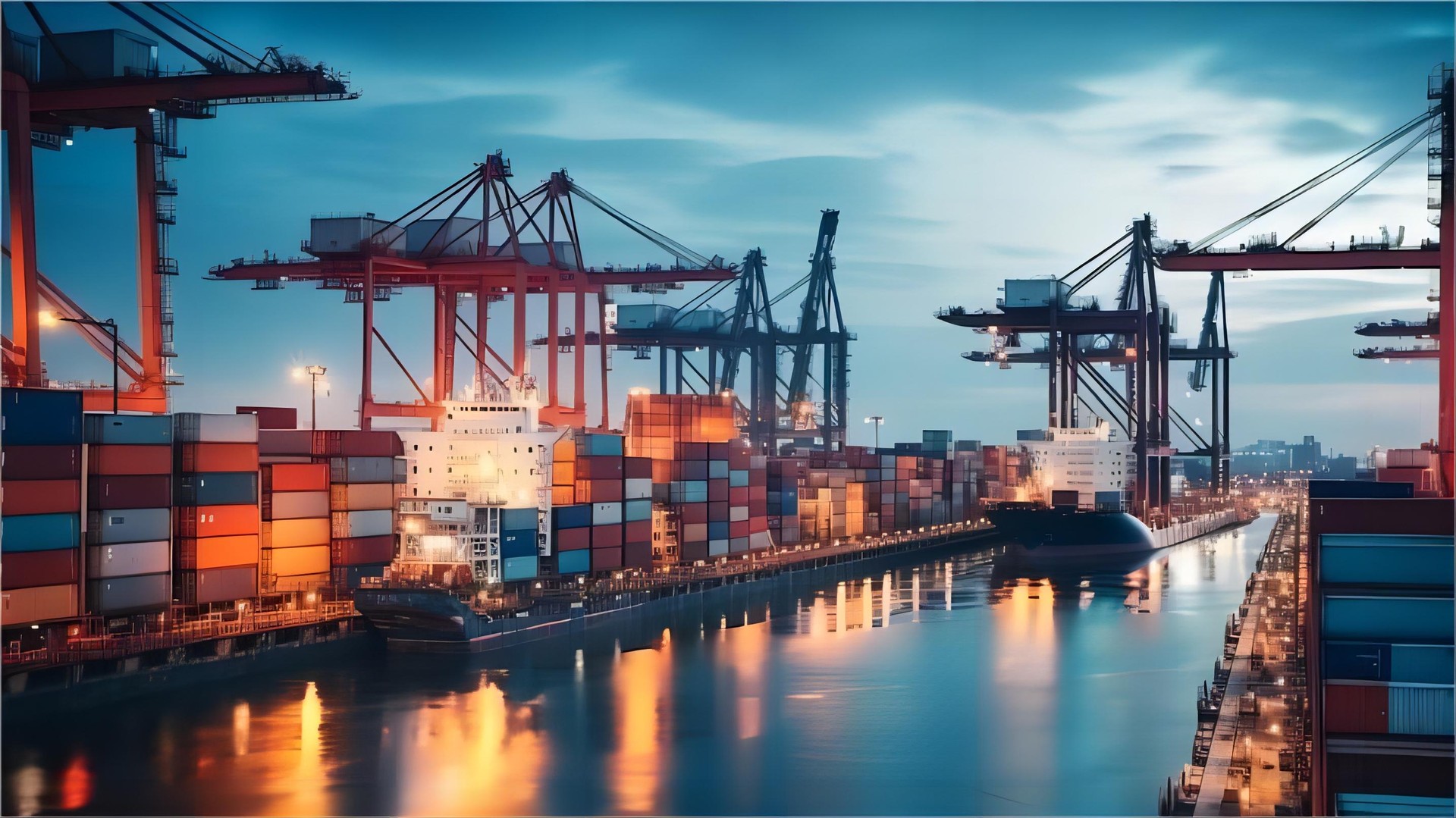
Ocean Freight From China Factory Pickup: 2026 Logistics Guide
Managing global supply chains requires precision, especially when coordinating ocean freight from china factory pickup to ensure your goods move seamlessly from the production line to the final destination. By partnering with a reliable logistics provider like China Top Freight, businesses can overcome the complexities of international trade and maintain a competitive edge in 2026. This comprehensive guide explores the strategic advantages of factory-to-port logistics and how to optimize your shipping budget effectively.
✦
What is Ocean Freight From China Factory Pickup?
Ocean freight from china factory pickup refers to a logistics arrangement where the freight forwarder takes responsibility for the cargo directly from the manufacturer’s premises. Consequently, this service bridges the gap between production completion and maritime transport, offering a streamlined solution for importers worldwide.
Furthermore, this model typically involves inland trucking, export documentation, and cargo consolidation before the shipment reaches the port of loading. Specifically, it allows buyers to focus on their core business while experts handle the intricate details of the China export customs clearance process.
In contrast to standard port-to-port shipping, factory pickup provides a comprehensive end-to-end experience that minimizes the risk of delays at the origin. Therefore, choosing sea freight with integrated pickup services is often the most cost-effective strategy for high-volume shipments.
How Does Ocean Freight From China Factory Pickup Compare to Other Shipping Options?
Evaluating different transportation modes is essential for optimizing your supply chain performance and reducing overall expenditure. While ocean freight remains the backbone of global trade, alternative methods like air or rail might be more suitable depending on your specific urgency and cargo type.
Moreover, the choice between FCL sea freight rates and LCL cargo handling plays a significant role in determining the total landed cost of your products. Accordingly, we have provided a detailed comparison of the primary shipping methods available from China in 2026.
| Shipping Method | Cost Range | Transit Time | Best For | Limitations |
|---|---|---|---|---|
| Ocean Freight | $1,500 – $5,500 | 14 – 40 Days | Bulk goods and FCL | Longer transit times |
| Air Freight | $5.00 – $12.00/kg | 3 – 7 Days | High-value/Urgent | Expensive for volume |
| Rail Freight | $2,000 – $4,500 | 18 – 25 Days | Mid-range budget | Limited to Eurasia |
| Express | $8.00 – $15.00/kg | 2 – 5 Days | Small samples | Weight restrictions |
Why Choose Factory Pickup for Your Ocean Shipments?
Choosing a factory pickup service simplifies the entire procurement process by centralizing accountability with a single logistics partner. Instead of managing multiple vendors for trucking and shipping, you receive a unified door to door solution that enhances visibility.
Additionally, this approach allows for better quality control and inventory management, as the forwarder can verify cargo condition during the initial loading phase. Consequently, importers can avoid the common pitfalls associated with Ex Works (EXW) terms where the supplier’s responsibility ends at their door.
Notably, professional freight forwarders utilize advanced tracking systems to provide real-time updates from the moment the truck leaves the factory gates. Indeed, this level of transparency is vital for maintaining an efficient supply chain in today’s fast-paced market environment.
Understanding the Costs of Ocean Freight From China Factory Pickup
Calculating the total cost of factory-to-port logistics involves several variables beyond the basic ocean freight rate. For instance, inland drayage costs fluctuate based on the distance between the factory location and the nearest major port like Shanghai or Shenzhen.
Moreover, origin handling charges, documentation fees, and export clearance costs must be factored into your budget to avoid unexpected expenses. Specifically, container shipping costs 2026 have shown moderate stability, though seasonal peaks still influence pricing significantly.
Market data suggests that rates typically increase by 15 to 25 percent during the peak season from August to October. Therefore, booking your shipments well in advance and working with an experienced customs brokerage team can help mitigate these price spikes.
| Route | 20GP Container | 40HQ Container | Transit Time | Market Trend |
|---|---|---|---|---|
| China to USA West | $1,600 – $2,300 | $2,900 – $3,900 | 14-18 Days | Stable |
| China to Europe | $1,900 – $2,600 | $3,100 – $4,300 | 28-35 Days | Slight Increase |
| China to Australia | $850 – $1,250 | $1,450 – $2,100 | 12-18 Days | Competitive |
| China to UK | $2,100 – $2,900 | $3,600 – $4,600 | 30-38 Days | Moderate |
Step-by-Step Process for Ocean Freight From China Factory Pickup
Initially, the process begins with a formal booking request where you provide the cargo details, factory address, and preferred delivery schedule. Subsequently, the freight forwarder coordinates with the manufacturer to confirm the cargo readiness date and arrange for the appropriate container size.
Once the truck arrives at the factory, the goods are loaded and secured for inland transit to the port of loading. Meanwhile, the documentation team prepares the necessary export licenses and commercial invoices required for a smooth customs transition.
After the container reaches the terminal, it undergoes port handling and is loaded onto the designated vessel for the sea voyage. Finally, upon arrival at the destination port, the shipment is cleared through customs and delivered to your warehouse or an Amazon FBA center.
Case Study 1: Electronics Shipment from Shenzhen to Los Angeles
Route: Shenzhen, China to Los Angeles, USA
Cargo: Consumer Electronics, 68 CBM, 12,500 kg. Container: 40HQ. Carrier: COSCO. Port of Loading: Shenzhen. Port of Discharge: Los Angeles. Route Type: Direct.
Cost Breakdown: Ocean Freight: $3,450. Origin Charges: $450. Destination Charges: $600. Customs and Duties: $1,200. Total Landed Cost: $5,700.
Timeline: Booking to Loading: 3 days. Sea Transit: 16 days. Customs Clearance: 2 days. Total Door-to-Door: 21 days.
Key Insight: Utilizing a direct route saved the client 5 days compared to transshipment options, ensuring the product launch stayed on schedule. Based on Q1 2026 market rates.
Case Study 2: Industrial Machinery from Ningbo to Hamburg
Route: Ningbo, China to Hamburg, Germany
Cargo: Spare Parts, 26 CBM, 8,000 kg. Container: 20GP. Carrier: Maersk. Port of Loading: Ningbo. Port of Discharge: Hamburg. Route Type: Direct.
Cost Breakdown: Ocean Freight: $2,250. Origin Charges: $380. Destination Charges: $520. Customs and Duties: $950. Total Landed Cost: $4,100.
Timeline: Booking to Loading: 4 days. Sea Transit: 32 days. Customs Clearance: 3 days. Total Door-to-Door: 39 days.
Key Insight: Successful factory pickup avoided port storage fees during a temporary congestion period at Ningbo. Typical rates as of early 2026.
Which Shipping Option Should You Choose?
Determining the best logistics strategy depends heavily on your budget priority, speed requirements, and cargo volume thresholds. If cost reduction is your primary goal, ocean freight remains the undisputed leader for large-scale shipments exceeding 15 cubic meters.
Conversely, if you are dealing with time-sensitive inventory or high-value components, a hybrid sea-air solution might provide the necessary balance. Furthermore, small businesses often benefit from LCL services which allow them to share container space and reduce individual costs.
Essentially, you should choose FCL when your volume fills more than 70 percent of a container to maximize the price-per-unit ratio. For smaller batches, LCL at approximately $50 to $90 per CBM provides a flexible alternative without the commitment of a full container.
Essential Documentation for China Export Logistics
Accurate documentation is the cornerstone of successful international trade and prevents costly delays at both origin and destination ports. Consequently, you must ensure that your commercial invoice, packing list, and bill of lading are perfectly aligned with the cargo specifications.
Additionally, certain products may require specific export permits or certificates of origin to qualify for preferential tariff treatments. Therefore, engaging a professional logistics partner who understands the latest regulatory changes in 2026 is a prudent investment for any importer.
Note: Freight rates are subject to change based on fuel costs, carrier capacity, and seasonal demand. Contact us for a current quote tailored to your specific shipment.
Mastering Your Ocean Freight Strategy
To summarize, optimizing ocean freight from china factory pickup requires a strategic blend of careful planning, robust documentation, and expert execution. By understanding the cost drivers and transit dynamics of 2026, businesses can significantly reduce their logistics overhead while improving delivery reliability.
Whether you are shipping full containers or smaller consolidated loads, the importance of a reliable factory-to-port process cannot be overstated. Ultimately, partnering with a dedicated freight forwarder ensures that your goods move efficiently across the globe, allowing you to focus on growing your business in a competitive international market.