

China Export Shipping Company Factory Pickup Services in 2026
Navigating the complexities of international trade requires a reliable china export shipping company factory pickup to streamline your global operations effectively. Working with an experienced partner ensures that your goods move seamlessly from the manufacturing floor to your final destination without unnecessary delays. Consequently, modern businesses are increasingly prioritizing integrated logistics solutions to maintain a competitive edge in the fast-paced 2026 market. This guide provides comprehensive insights into optimizing your supply chain through professional pickup and transport strategies.
What is a China Export Shipping Company Factory Pickup?
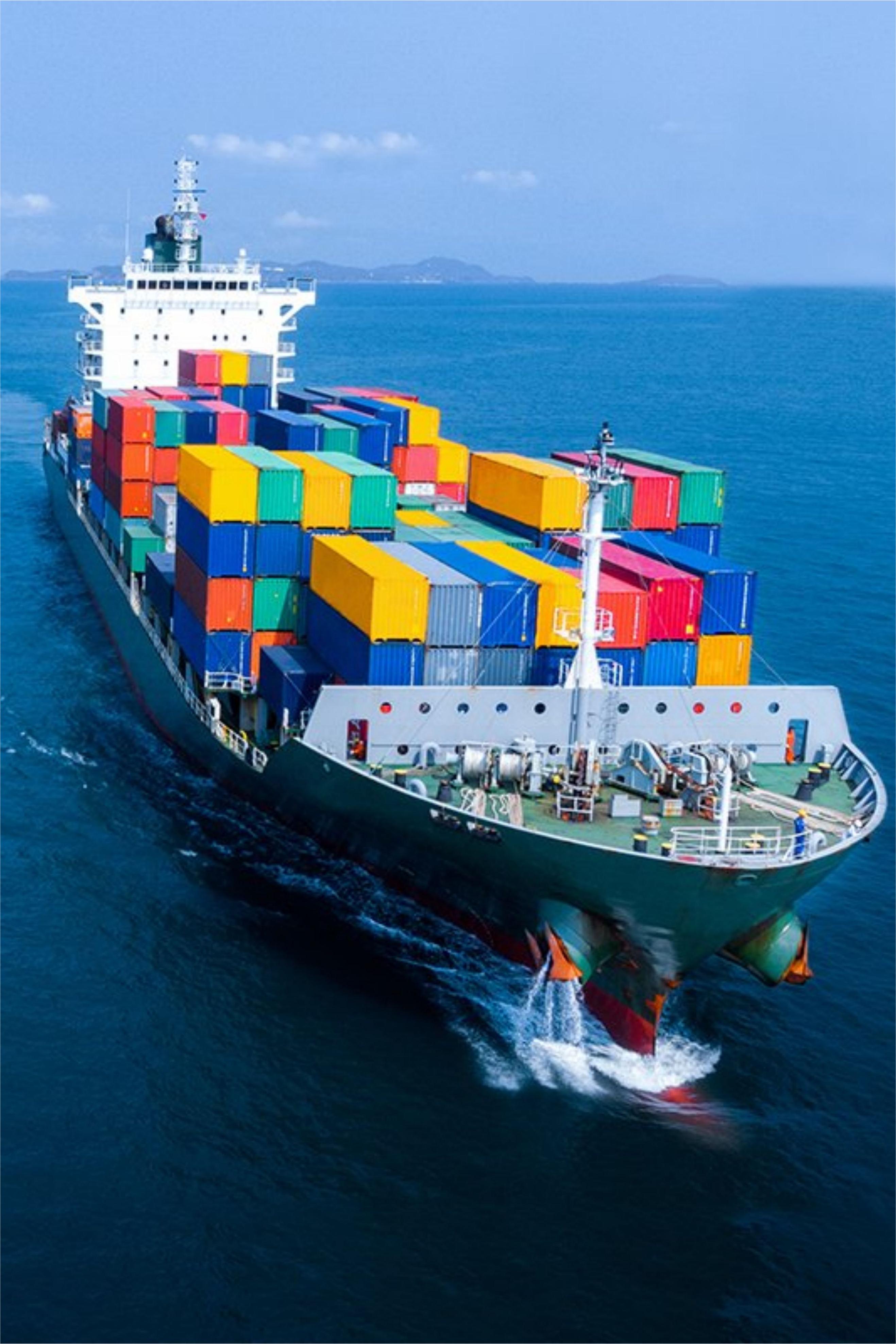
A china export shipping company factory pickup involves a logistics provider sending a vehicle directly to your supplier’s warehouse to collect goods. This service eliminates the need for the manufacturer to arrange local transport, which often leads to better coordination and reduced risk of damage. Furthermore, the forwarder takes responsibility for the cargo from the moment it leaves the factory gates.
Choosing this method allows for a more transparent supply chain where you can track your shipment from the very beginning. Moreover, it simplifies the transition between domestic trucking and international freight by using a single point of contact. Consequently, buyers can avoid the common miscommunications that occur when multiple local carriers are involved in the initial leg of the journey.
Reliable logistics providers offer specialized equipment depending on the cargo type, such as refrigerated trucks or flatbeds for oversized machinery. Indeed, the ability to tailor the pickup process to specific product requirements is a hallmark of a professional service. Therefore, businesses should look for partners who demonstrate a deep understanding of local Chinese infrastructure and regulations.
How Does Factory Pickup Compare to Other Shipping Options?
Understanding the differences between various logistics models is essential for optimizing your shipping budget and delivery schedule. While some importers prefer EXW terms where the factory handles nothing, others opt for FOB where the supplier delivers to the port. However, a comprehensive factory pickup service offers the most control over the early stages of the export process.
In addition to control, cost-effectiveness is a major factor when comparing these strategies. For instance, managing the pickup through your own forwarder often prevents hidden local charges that suppliers might add to their invoices. To summarize, the following table illustrates how factory pickup compares to standard alternatives in the current 2026 market.
| Shipping Method | Cost Range | Transit Time | Best For | Limitations |
|---|---|---|---|---|
| Sea Freight | $1,500 – $4,500 | 14-40 Days | Bulk goods | Slowest speed |
| Air Freight | $5.00 – $12.00/kg | 3-7 Days | High value | Very expensive |
| Rail Freight | $1,200 – $3,000 | 18-25 Days | Mid-range | Land routes only |
| Express Service | $8.00 – $15.00/kg | 2-5 Days | Samples | Weight limits |
Benefits of Door to Door Delivery from China
Implementing a door to door strategy provides the ultimate convenience for international buyers by covering every step of the journey. This approach integrates factory pickup, international transport, and final mile delivery into one seamless package. Consequently, you can focus on your core business while experts manage the logistical heavy lifting.
Furthermore, this service model typically includes all customs clearances and local duties, which reduces the administrative burden on your team. Meanwhile, the centralized tracking systems used by top-tier forwarders ensure you always know the status of your inventory. Indeed, the reduction in manual intervention significantly lowers the probability of human error during transshipment.
Moreover, door-to-door solutions often prove more economical in the long run because they leverage the forwarder’s bulk buying power across all segments. Instead of paying separate fees to different agents, you receive a single, transparent quote. Therefore, this model is highly recommended for small to medium enterprises looking to simplify their import operations.
Understanding Sea Freight Rates in 2026
Current market data suggests that sea freight remains the most popular choice for high-volume shipments due to its unmatched capacity. As of early 2026, rates have stabilized significantly following the supply chain adjustments of previous years. Nevertheless, seasonal demand during the third quarter can still cause price fluctuations of up to twenty percent.
Additionally, carriers are introducing more eco-friendly vessels, which may impact fuel surcharges but offer better long-term sustainability for your brand. On the other hand, port congestion in major hubs like Los Angeles or Rotterdam continues to be a factor in calculating total lead times. Consequently, booking your factory pickup at least three weeks in advance is a prudent strategy for 2026.
Note: Freight rates are subject to change based on fuel costs, carrier capacity, and seasonal demand. Contact us for a current quote tailored to your specific shipment.
| Route | 20GP Container | 40GP Container | 40HQ Container | Transit Days |
|---|---|---|---|---|
| China to USA West | $1,500-$2,200 | $2,500-$3,500 | $2,800-$3,800 | 14-18 |
| China to Europe | $1,800-$2,500 | $2,800-$3,800 | $3,000-$4,200 | 28-35 |
| China to Australia | $800-$1,200 | $1,200-$1,800 | $1,400-$2,000 | 12-18 |
| China to USA East | $2,500-$3,500 | $4,000-$5,500 | $4,500-$6,000 | 30-35 |
The Role of Air Cargo Transit Times in 2026
When speed is the primary priority, air freight offers the fastest connection between Chinese factories and global markets. Most air shipments arrive within three to seven business days, making it ideal for high-value electronics or urgent fashion inventory. Furthermore, the security protocols at airports are generally more stringent than at seaports, reducing the risk of theft.
However, the cost per kilogram is substantially higher than other methods, which requires a careful cost-benefit analysis. For instance, if a stockout would result in significant lost revenue, the premium for air transport is often justified. Additionally, lighter shipments may benefit from more competitive rates through consolidated air services.
Moreover, the integration of real-time tracking in 2026 allows for precise monitoring of temperature-sensitive goods during flight. Consequently, the pharmaceutical and food industries rely heavily on these expedited services. Therefore, maintaining a balance between sea and air transport is a key component of a resilient logistics strategy.
Customs Brokerage and Export Documentation
Navigating the legal requirements of international trade is impossible without professional customs brokerage services. Every factory pickup must be accompanied by the correct documentation, including commercial invoices, packing lists, and certificates of origin. In addition, specific product categories may require additional permits or inspections from Chinese authorities.
Failure to provide accurate paperwork can result in costly delays at the port of loading or even the seizure of goods. Furthermore, a skilled broker understands the latest tariff changes and can help you minimize duties through proper classification. Indeed, the complexity of 2026 trade regulations makes an experienced agent an indispensable asset for any importer.
Consequently, many businesses choose to bundle their factory pickup with comprehensive brokerage services to ensure compliance. Meanwhile, digital documentation platforms are streamlining the submission process, allowing for faster approvals. To summarize, investing in professional customs support is the best way to avoid the pitfalls of international shipping.
Real Case Studies in 2026 Logistics
Case Study 1: Electronics to North America
Case Study 1: High-Tech Pickup in Shenzhen. Route: Shenzhen, China to Los Angeles, USA. Cargo: Consumer electronics, 18 CBM, 4,500 kg. Container: LCL (Less than Container Load). Carrier: Major trans-Pacific carrier. Port of Loading: Shenzhen. Port of Discharge: Los Angeles. Route Type: Direct. Ocean Freight: $2,400. Origin Charges: $450. Destination Charges: $600. Customs and Duties: $1,200. Total Landed Cost: $4,650. Booking to Loading: 3 days. Sea Transit: 16 days. Customs Clearance: 2 days. Total Door-to-Door: 21 days. Key Insight: Early booking allowed the client to secure a space during the Q3 peak season when rates were rising.
Case Study 2: Industrial Machinery to Europe
Case Study 2: Heavy Equipment from Ningbo. Route: Ningbo, China to Hamburg, Germany. Cargo: Industrial machinery, 28,000 kg. Container: 40HQ. Carrier: Major European line. Port of Loading: Ningbo. Port of Discharge: Hamburg. Route Type: Transshipment via Singapore. Ocean Freight: $3,800. Origin Charges: $550. Destination Charges: $750. Customs and Duties: $2,100. Total Landed Cost: $7,200. Booking to Loading: 5 days. Sea Transit: 32 days. Customs Clearance: 3 days. Total Door-to-Door: 40 days. Key Insight: Using a 40HQ container provided the necessary volume for oversized parts while keeping the per-unit cost low.
Rail Freight Alternatives for Inland Routes
For shipments destined for landlocked regions or Central Europe, rail freight serves as an excellent middle ground. This method is significantly faster than sea freight while remaining much cheaper than air transport. Consequently, it has become a staple for automotive and industrial sectors that require consistent delivery schedules.
Furthermore, the Silk Road rail network has seen massive infrastructure improvements in 2026, leading to increased reliability and capacity. In addition, rail transport has a lower carbon footprint compared to air or sea, making it a sustainable choice for green-conscious brands. However, it is important to note that rail is not an option for routes to Australia or North America due to geographical constraints.
Moreover, the factory pickup process for rail is very similar to sea freight, with containers being trucked to major rail hubs like Chengdu or Xi’an. Therefore, if your destination is within the Eurasian landmass, rail should be a primary consideration. Indeed, the stability of rail schedules often offsets the slightly higher cost compared to ocean routes.
Which Option Should You Choose? Decision Framework
Selecting the right china export shipping company factory pickup service depends on your specific business priorities. If your primary concern is the lowest possible cost and you have flexible timelines, sea freight is the clear winner. On the other hand, urgent shipments or high-value items demand the speed and security of air cargo.
For those operating in Europe, rail freight offers a balanced alternative that combines speed and economy. Additionally, always consider the volume of your cargo; for example, shipments under 15 CBM are usually more cost-effective via LCL. To summarize, your decision should be based on a combination of budget, speed, and product characteristics.
Mastering the China Export Shipping Company Factory Pickup
In conclusion, a well-executed china export shipping company factory pickup is the foundation of a successful international trade strategy. By choosing the right transport method and partnering with an experienced forwarder, you can significantly reduce costs and improve delivery reliability. Furthermore, staying informed about the latest 2026 market trends and regulatory changes ensures your business remains competitive.
Whether you utilize sea, air, or rail freight, the key is to maintain control over the process from the very first mile. Transitioning to a door-to-door model often provides the best balance of convenience and transparency for growing companies. Ultimately, your logistics partner should be an extension of your team, providing the expertise needed to navigate the global supply chain successfully.
Need a tailored shipping solution?
Optimizing your supply chain starts with a professional china export shipping company factory pickup tailored to your unique requirements. Our team of experts is ready to help you navigate the complexities of 2026 international logistics with ease and efficiency. Contact us today to request a comprehensive quote and discover how we can streamline your shipping from the factory floor to your warehouse. Visit our website to learn more about our specialized services and start your journey toward a more reliable global trade operation.