

China Freight Forwarding Service Low Cost: 5 Options: 1. China Freight Forwarding Service Low Cost: 2026 Strategic Guide
Finding a China freight forwarding service low cost provider is essential for maintaining healthy profit margins in 2026. Consequently, many importers struggle to balance affordability with reliable delivery schedules and professional cargo handling. This comprehensive guide provides the insights you need to navigate international logistics while securing the most competitive rates available in the current market. Moreover, we will explore strategic alternatives that ensure your supply chain remains efficient and budget-friendly throughout the year.
How Does Sea Freight Compare to Other Shipping Options?
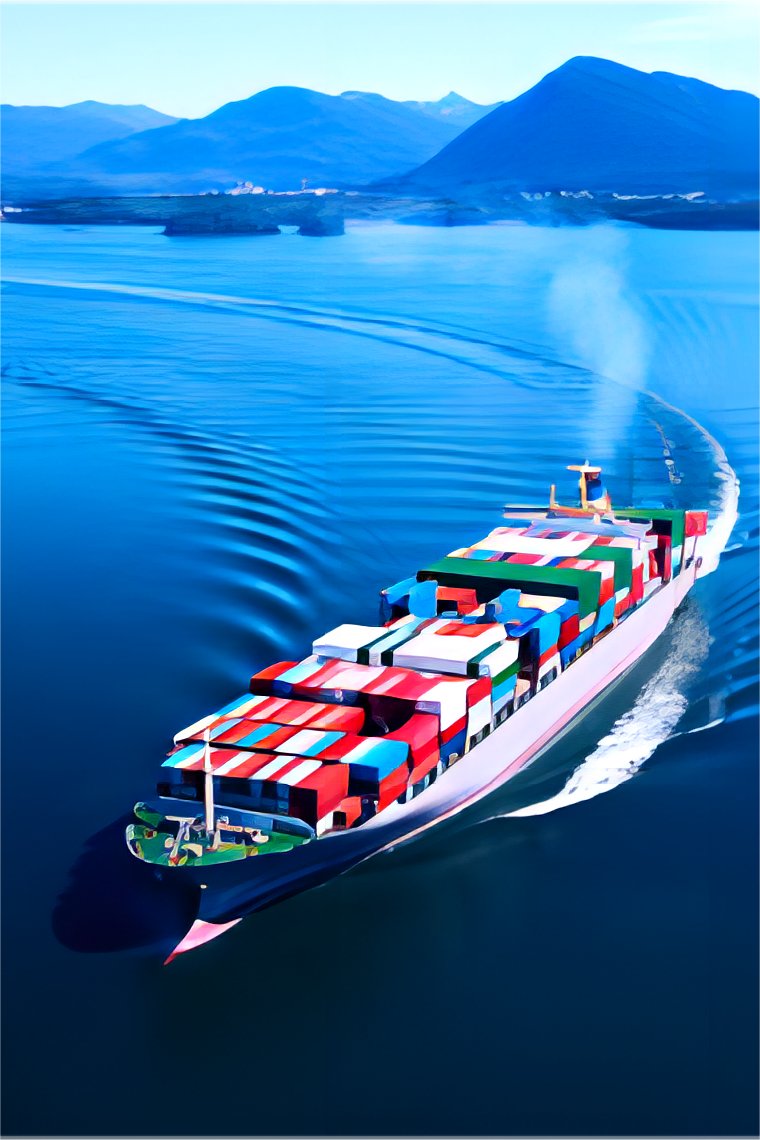
Evaluating different transportation modes is the first step toward achieving a low-cost logistics strategy. Sea freight remains the most economical choice for large volumes, although it requires longer lead times compared to air or express services. Therefore, businesses must plan their inventory cycles carefully to accommodate the 30 to 40-day transit periods common for long-haul routes.
Alternatively, rail freight has emerged as a middle-ground solution for shipments traveling from China to Europe. It offers faster transit than the ocean while remaining significantly cheaper than air transport. Nevertheless, for routes to Australia or North America, sea and air remain the primary contenders for your logistics budget.
Choosing sea freight allows you to take advantage of economies of scale. For instance, shipping a full container load (FCL) often results in a lower cost per unit than shipping individual pallets via less than container load (LCL) services. Consequently, consolidating your orders can lead to substantial savings over time.
| Shipping Method | Cost Range | Transit Time | Best For |
|---|---|---|---|
| Sea Freight (FCL) | $1,500 – $4,500 | 14 – 35 Days | Large Bulk Orders |
| Air Freight | $5 – $12 per kg | 3 – 7 Days | High Value Goods |
| Rail Freight | $80 – $150 per CBM | 15 – 22 Days | China to Europe |
| Express Courier | $8 – $18 per kg | 2 – 5 Days | Small Samples |

Which Option Should You Choose for Your Shipments?
Deciding on the right method depends heavily on your specific business priorities and the nature of your cargo. If your primary goal is budget priority, then sea freight is almost always the recommended option for shipments exceeding 2 CBM. On the other hand, if speed is your top priority to meet a tight deadline, air freight becomes a necessary investment despite the higher costs.
Cargo type considerations also play a vital role in your decision-making process. Fragile or perishable items might require the speed and stability of air transport to prevent damage or spoilage. Meanwhile, durable consumer goods and industrial machinery are perfectly suited for the slower, more cost-effective sea routes.
Volume thresholds often dictate when you should switch from one method to another. For example, once your shipment exceeds 15 CBM, it is usually more economical to book a 20GP container rather than paying for LCL space. Understanding these tipping points is a key part of maintaining a China freight forwarding service low cost strategy.
Why a China Freight Forwarding Service Low Cost Provider is Essential
In the competitive landscape of 2026, every dollar saved on logistics directly impacts your bottom line. Therefore, partnering with a forwarder that offers competitive rates without sacrificing service quality is paramount for long-term success. Furthermore, a professional forwarder can help you avoid hidden fees that often plague inexperienced importers.
Moreover, using air freight for urgent stock replenishments can prevent lost sales, which often outweighs the increased shipping expense. However, the goal should always be to maximize the use of cheaper methods whenever the delivery schedule allows. Indeed, strategic planning is the foundation of any low-cost operation.
Market data suggests that freight rates have stabilized in early 2026 after the fluctuations of previous years. Consequently, now is an excellent time to negotiate long-term contracts with your service providers. By locking in rates, you protect your business from sudden price spikes during peak seasons.
Strategies for Reducing Your Total Landed Cost
Optimizing your packaging is one of the simplest ways to lower your shipping expenses. By reducing the volume of your boxes, you can fit more units into a single container, effectively lowering the freight cost per item. Additionally, consider using lightweight materials to minimize the chargeable weight for air shipments.
Another effective strategy involves consolidating shipments from multiple suppliers into a single container. Instead of paying for multiple small LCL shipments, your forwarder can gather all goods at a central warehouse in China. This approach not only reduces freight costs but also simplifies the customs clearance process at the destination.
Furthermore, choosing the right Incoterms can have a significant impact on your total spend. For instance, buying on FOB (Free On Board) terms gives you more control over the freight costs compared to CIF (Cost, Insurance, and Freight). Specifically, this allows you to choose your own forwarder and negotiate rates directly.
| Route | 20GP Container | 40HQ Container | Avg Transit |
|---|---|---|---|
| China to USA West | $1,600 – $2,300 | $2,900 – $3,900 | 16 Days |
| China to Europe | $1,900 – $2,600 | $3,100 – $4,300 | 32 Days |
| China to Australia | $850 – $1,300 | $1,500 – $2,100 | 15 Days |
| China to UK | $2,100 – $2,900 | $3,600 – $4,600 | 34 Days |
Case Studies: Real-World Low Cost Shipping Examples
Case Study 1: Shenzhen to Los Angeles Electronics Shipment. Route: Shenzhen, China to Los Angeles, USA. Cargo: Consumer Electronics, 65 CBM, 12,000 kg. Container: 40HQ. Shipping Details: Major carrier, Port of Loading: Shenzhen, Port of Discharge: Los Angeles, Route Type: Direct. Cost Breakdown: Ocean Freight: $3,250, Origin Charges: $450, Destination Charges: $600, Customs and Duties: $1,200, Total Landed Cost: $5,500. Timeline: Booking to Loading: 3 days, Sea Transit: 15 days, Customs Clearance: 2 days, Total Door-to-Door: 20 days. Key Insight: Direct routing saved 5 days and avoided transshipment risks. Based on Q1 2026 market rates.
Case Study 2: Ningbo to Hamburg Machinery Parts. Route: Ningbo, China to Hamburg, Germany. Cargo: Industrial Machinery, 28 CBM, 8,500 kg. Container: 20GP. Shipping Details: Major carrier, Port of Loading: Ningbo, Port of Discharge: Hamburg, Route Type: Transshipment via Singapore. Cost Breakdown: Ocean Freight: $2,150, Origin Charges: $380, Destination Charges: $550, Customs and Duties: $900, Total Landed Cost: $3,980. Timeline: Booking to Loading: 4 days, Sea Transit: 33 days, Customs Clearance: 3 days, Total Door-to-Door: 40 days. Key Insight: Choosing transshipment saved $300 compared to direct routes. Typical rates as of early 2026.
Note: Freight rates are subject to change based on fuel costs, carrier capacity, and seasonal demand. Contact us for a current quote tailored to your specific shipment.

Can You Save Money with Door to Door Shipping?
Implementing a door to door service model can often lead to unexpected savings. Although the upfront quote might seem higher than port-to-port rates, it includes all local trucking, handling, and delivery fees. Consequently, you avoid the risk of surprise charges from local agents at the destination port.
Moreover, this all-inclusive approach saves your team valuable time by consolidating all logistics tasks under a single provider. Instead of managing multiple vendors, you have one point of contact for the entire journey. Therefore, the administrative efficiency gained can be just as valuable as the direct monetary savings.
In addition, door-to-door providers often have better bargaining power with local trucking companies and warehouses. Specifically, they move high volumes of cargo and can pass those bulk discounts on to you. Ultimately, this creates a more predictable and budget-friendly shipping experience.
Do Customs Brokerage Services Reduce Overall Logistics Costs?
Utilizing professional customs brokerage services is a critical component of a low-cost strategy. Errors in documentation or incorrect tariff classifications can lead to heavy fines and expensive port storage fees. Consequently, paying for expert guidance upfront can prevent thousands of dollars in unnecessary expenses.
Furthermore, an experienced broker can identify opportunities for duty drawbacks or tax exemptions that you might otherwise miss. For instance, certain products may qualify for lower rates under specific trade agreements. Indeed, staying compliant with the latest regulations in 2026 is the best way to avoid costly delays.
Additionally, fast customs clearance ensures that your cargo moves out of the port quickly. Because port storage fees (demurrage) can escalate rapidly, every day saved in the clearance process contributes to your China freight forwarding service low cost goals. Therefore, never underestimate the value of a smooth entry process.
Understanding the Impact of 2026 Market Trends on Pricing
Staying informed about current logistics trends is essential for any business importing from China. As of Q1 2026, the industry has seen an increase in the use of AI-driven route optimization, which helps carriers reduce fuel consumption. Consequently, these efficiency gains are starting to be reflected in more stable freight rates for shippers.
Moreover, the shift toward sustainable shipping practices is influencing how cargo is handled. While green fuel surcharges may apply, many companies find that eco-friendly logistics improve their brand reputation. Nevertheless, the primary focus for most remains finding a China freight forwarding service low cost solution that meets their budget.
Seasonal patterns continue to play a major role in pricing. Specifically, rates typically increase by 15 to 25 percent during the peak season from August to October. Therefore, shipping your goods during the off-peak months of March through May can result in significant savings.
Mastering Your Low Cost Freight Strategy
Summarizing the key points of this guide, achieving a China freight forwarding service low cost outcome requires a combination of strategic planning, volume consolidation, and expert partnerships. By understanding the trade-offs between speed and cost, you can make informed decisions that support your business growth. Moreover, staying proactive regarding market trends and customs regulations will protect you from unexpected expenses. Ultimately, the right logistics partner will provide the transparency and reliability needed to thrive in the global marketplace of 2026.
Need a tailored shipping solution?
Take control of your logistics costs today by partnering with a reliable expert. Our team is ready to help you find a China freight forwarding service low cost solution that fits your specific needs. Visit: https://chinatopfreight.com/ to request your personalized quote and start saving on your 2026 shipments. (Inquiry: https://chinatopfreight.com/)