

Get the Best China to Europe Freight Service Quotation in 2026
Securing an accurate china to europe freight service quotation is the first step toward a successful 2026 logistics strategy. Many businesses struggle with fluctuating rates and complex surcharges that impact their bottom line. Therefore, understanding the components of your shipping costs is essential for maintaining a competitive edge in the global market.
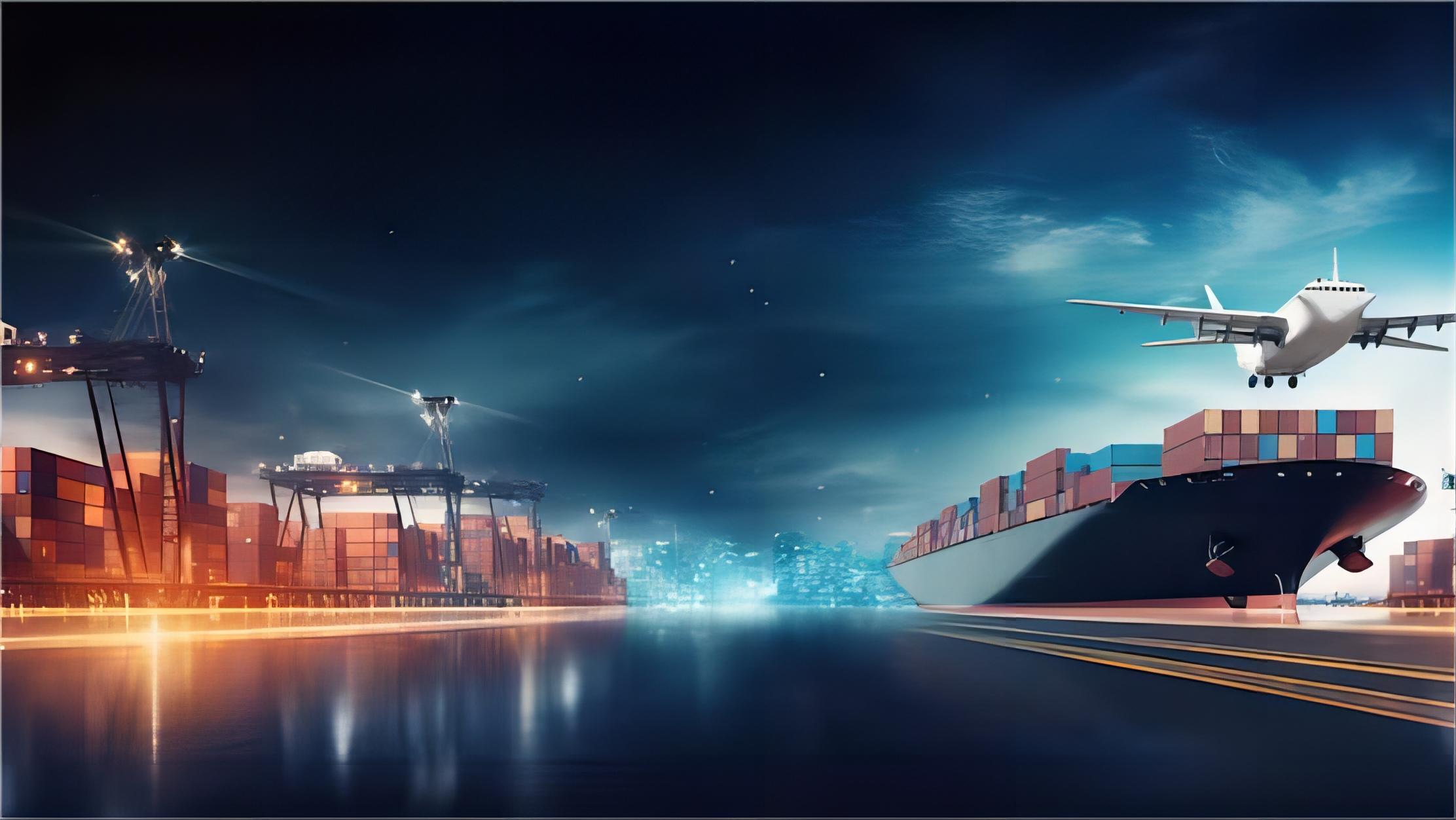
What Factors Influence Your China to Europe Freight Service Quotation?
Multiple variables determine the final price you see on a shipping estimate. Specifically, fuel surcharges and seasonal demand fluctuations play a massive role in 2026 pricing. Consequently, a quote received in January might differ significantly from one requested during the peak August season.
Weight and volume are the primary metrics used by carriers to calculate costs. For instance, air freight relies heavily on chargeable weight, while sea freight focuses on container capacity or cubic meters. Additionally, the specific origin and destination cities within China and Europe will influence the local trucking fees.
Customs regulations and documentation requirements also add to the overall expense. Moreover, certain goods require specialized handling or temperature-controlled environments, which naturally increases the service rate. Indeed, choosing the right service level is vital for balancing speed and budget.
How Does Sea Freight Compare to Other Shipping Options?
Evaluating sea freight against air or rail is necessary for any high-volume importer. While ocean transport is the most cost-effective method, it also features the longest transit times. However, for large-scale shipments, the savings often outweigh the delay.
Alternative strategies exist for those who find standard sea freight too slow. For example, sea-air hybrid solutions offer a middle ground by shipping goods to a hub like Dubai before flying them to Europe. Furthermore, choosing direct routes can save several days compared to transshipment options via Singapore.
Market data suggests that sea freight remains the backbone of China-Europe trade in 2026. Nevertheless, businesses must account for potential port congestion when planning their inventory arrivals. To summarize, ocean shipping is best for non-urgent, bulky commodities.
| Shipping Method | Cost Range | Transit Time | Best For |
|---|---|---|---|
| Sea Freight (FCL) | $3,000 – $4,500 | 30 – 40 Days | Bulk Cargo |
| Rail Freight | $4,500 – $6,500 | 15 – 22 Days | Mid-value Goods |
| Air Freight | $4.50 – $8.00/kg | 5 – 8 Days | Urgent Items |
| Express | $9.00 – $15.00/kg | 3 – 5 Days | Small Samples |
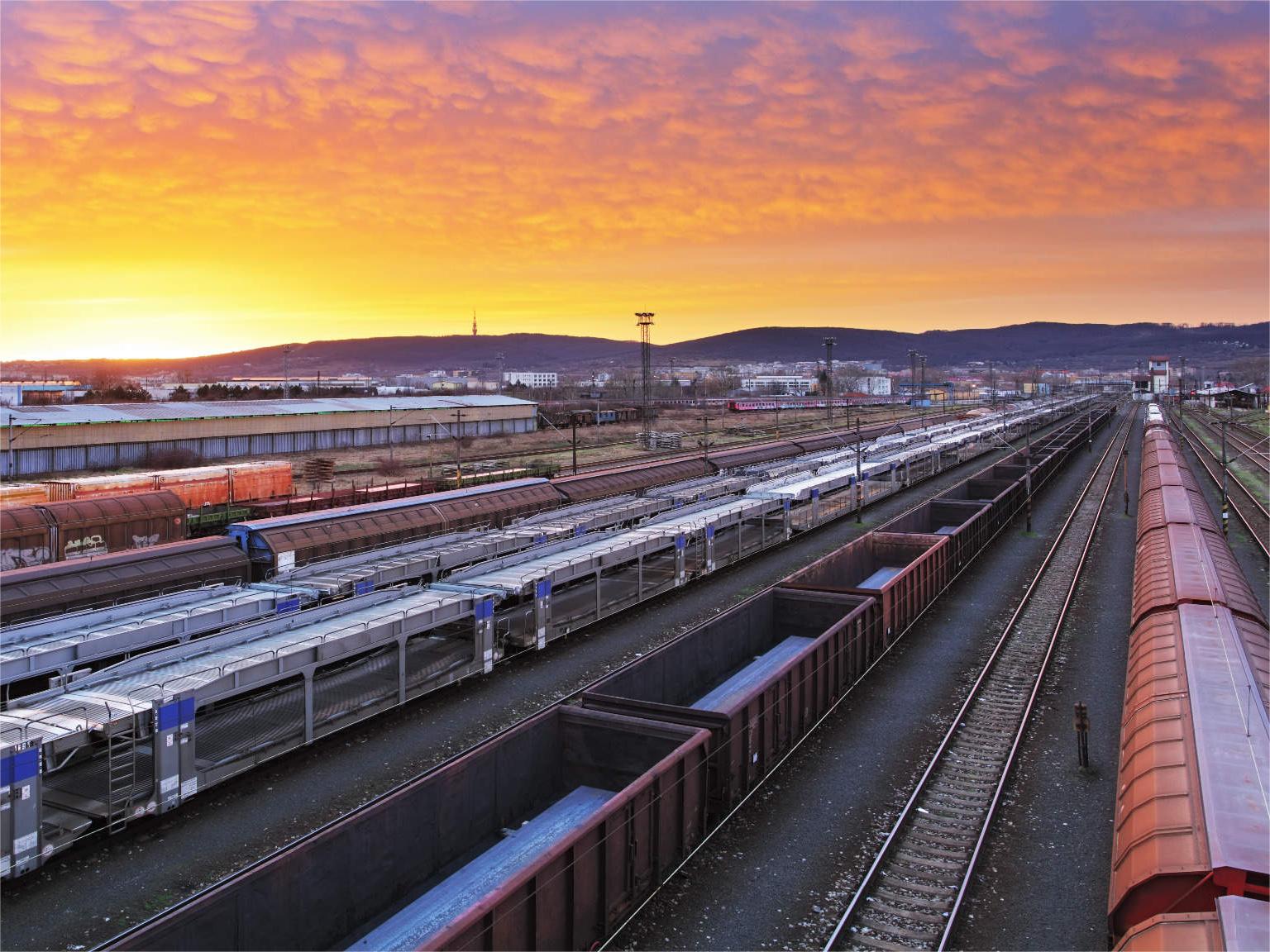
Why Rail Freight is a Strategic Choice for 2026 Logistics
Utilizing rail freight has become increasingly popular for businesses seeking a balance between speed and cost. This method is significantly faster than sea freight and much cheaper than air transport. Accordingly, it serves as an excellent alternative for electronics and automotive parts.
The Iron Silk Road connects major Chinese hubs like Chengdu and Xi’an directly to European terminals in Poland and Germany. Furthermore, rail transport is often more environmentally friendly than air cargo. In contrast, it may be subject to different customs procedures at various border crossings.
Reliability has improved significantly as of early 2026, with more scheduled departures than ever before. Meanwhile, the stability of rail rates makes it easier for companies to forecast their annual logistics budgets. Therefore, including rail in your logistics mix can optimize your supply chain efficiency.
Standard Pricing Estimates for China to Europe Routes
Current market rates for 2026 show a stabilization in container pricing compared to previous years. For instance, a 40HQ container from Shanghai to Rotterdam typically ranges between $3,500 and $4,500 depending on the carrier. On the other hand, LCL rates are usually calculated per cubic meter.
Note: Freight rates are subject to change based on fuel costs, carrier capacity, and seasonal demand. Contact us for a current quote tailored to your specific shipment.
Seasonal variations typically see rates increase by 15-25% during the pre-Golden Week and pre-Christmas rushes. Consequently, booking at least 3-4 weeks in advance is highly recommended to secure the best pricing. Indeed, early planning is the most effective way to avoid unexpected surcharges.
| Route | 20GP Container | 40HQ Container | Est. Transit |
|---|---|---|---|
| Shenzhen to Hamburg | $2,200 – $2,800 | $3,800 – $4,600 | 32 Days |
| Ningbo to Felixstowe | $2,400 – $3,000 | $4,000 – $4,800 | 35 Days |
| Qingdao to Gdansk | $2,300 – $2,900 | $3,900 – $4,700 | 38 Days |
Air Freight: When Speed Justifies the Premium Cost
Choosing air freight is often the only viable option for high-value or time-sensitive cargo. While the cost per kilogram is substantially higher, the reduction in lead time can be critical for product launches. Additionally, air transport offers higher security levels for sensitive electronics.
Cargo handling at airports is generally more efficient than at seaports, leading to faster clearance. Moreover, the frequency of flights between major Chinese cities and European capitals ensures consistent delivery schedules. Nevertheless, businesses must be mindful of volumetric weight calculations that can inflate costs.
Typical air cargo rates in 2026 reflect the ongoing demand for rapid e-commerce fulfillment. For example, shipping from Shenzhen to London might cost $5.50 per kilogram for shipments over 100kg. As a result, air freight remains a vital component for agile supply chains.
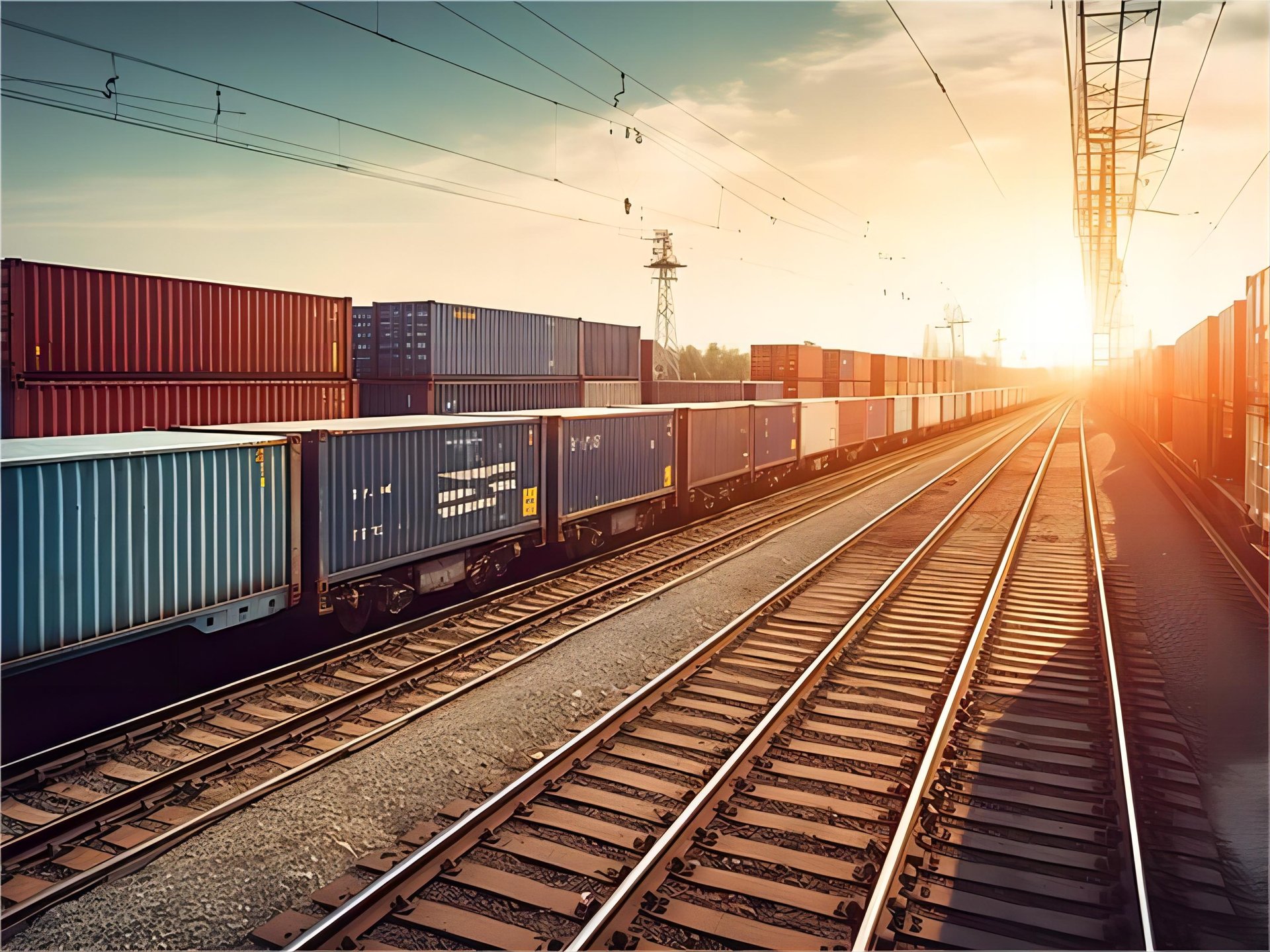
Can Door to Door Services Simplify Your Supply Chain?
Investing in door to door logistics removes the headache of coordinating multiple providers. This service covers everything from the initial pickup at the Chinese factory to the final delivery at your European warehouse. Consequently, it provides a seamless experience for importers of all sizes.
Total transparency is a major benefit of this comprehensive service model. Furthermore, having a single point of contact simplifies communication and problem-solving if delays occur. In addition, these packages often include basic insurance and tracking features.
Small and medium enterprises especially benefit from the reduced administrative burden. Instead of managing separate trucking, shipping, and customs entities, you receive one inclusive china to europe freight service quotation. Without a doubt, this approach saves both time and internal resources.
Essential Documentation and Customs Brokerage
Navigating customs brokerage is often the most daunting part of international trade. Accurate documentation, such as the Commercial Invoice and Packing List, is mandatory for avoiding costly delays. Moreover, understanding the specific HS codes for your products ensures correct duty calculations.
European customs authorities have implemented stricter digital filing requirements as of 2026. Therefore, working with an experienced broker who understands the latest EU regulations is essential. Additionally, missing or incorrect paperwork can lead to cargo seizures or heavy fines.
Customs duties and VAT vary significantly between different European nations. For instance, importing into Germany might involve different procedural nuances than importing into Italy. In contrast, a professional freight forwarder will handle these complexities on your behalf.
Which Option Should You Choose? Decision Framework
Budget priority dictates that sea freight is your best option for non-urgent goods. If your cargo volume exceeds 15 CBM, a full container (FCL) will likely be more economical than LCL. On the other hand, speed priority necessitates air freight or express services.
Volume thresholds play a critical role in determining the most cost-effective method. For example, shipments under 100kg are almost always best served by express couriers. Meanwhile, shipments between 200kg and 1000kg should be quoted for both rail and air to compare the value proposition.
Cargo type considerations also influence the decision. Perishable goods or high-fashion items require the speed of air, while heavy machinery is best suited for sea transport. To summarize, your choice should align with your specific inventory turnover goals and profit margins.
Case Studies: Real-World 2026 Shipping Scenarios
Case Study 1: High-Volume Textile Import
Route: Shaoxing, China to Warsaw, Poland. Cargo: Polyester fabric, 28 CBM, 12,000 kg. Container: 40GP. Shipping Details: Rail Freight via Xi’an Terminal. Port of Loading: Xi’an. Port of Discharge: Malaszewicze. Route Type: Direct. Cost Breakdown: Ocean Freight: $5,200. Origin Charges: $450. Destination Charges: $600. Customs and Duties: $1,200. Total Landed Cost: $7,450. Timeline: Booking to Loading: 4 days. Rail Transit: 18 days. Customs Clearance: 2 days. Total Door-to-Door: 24 days. Key Insight: Rail was 40% cheaper than air while being 15 days faster than sea.
Case Study 2: Urgent Electronics Launch
Route: Shenzhen, China to Paris, France. Cargo: Consumer electronics, 2 CBM, 450 kg. Container: LCL Air Freight. Shipping Details: Major Air Carrier. Port of Loading: Shenzhen (SZX). Port of Discharge: Paris (CDG). Route Type: Direct. Cost Breakdown: Air Freight: $2,475. Origin Charges: $200. Destination Charges: $350. Customs and Duties: $900. Total Landed Cost: $3,925. Timeline: Booking to Loading: 2 days. Air Transit: 1 day. Customs Clearance: 1 day. Total Door-to-Door: 4 days. Key Insight: Speed was the priority to meet a specific retail launch date despite the higher cost.
Case Study 3: Standard Furniture Shipment
Route: Foshan, China to Hamburg, Germany. Cargo: Office furniture, 65 CBM, 18,500 kg. Container: 40HQ. Shipping Details: COSCO Shipping. Port of Loading: Nansha. Port of Discharge: Hamburg. Route Type: Direct. Cost Breakdown: Ocean Freight: $4,100. Origin Charges: $500. Destination Charges: $750. Customs and Duties: $2,100. Total Landed Cost: $7,450. Timeline: Booking to Loading: 6 days. Sea Transit: 33 days. Customs Clearance: 3 days. Total Door-to-Door: 42 days. Key Insight: FCL sea freight provided the lowest cost per unit for this bulky shipment.
Final Thoughts on Securing Your Freight Quote
Navigating the complexities of international shipping requires a blend of market knowledge and strategic planning. By understanding the various factors that influence a china to europe freight service quotation, you can make informed decisions that protect your margins. Whether you choose the speed of air, the reliability of rail, or the economy of sea freight, the right partner makes all the difference.
As we move through 2026, staying adaptable to market trends and seasonal shifts will be paramount. Always ensure your documentation is in order and consider the total landed cost rather than just the base freight rate. Ultimately, a well-chosen shipping strategy is a powerful tool for business growth in the competitive European market.
Start Your Shipment
Ready to optimize your supply chain with a competitive china to europe freight service quotation? Our team of logistics experts is standing by to provide you with a detailed, transparent estimate tailored to your 2026 business needs. Visit our inquiry page to request your custom quote today and experience the difference of professional freight management.
Request Quote