Bulk cargo shipping from china for importers: 2026 Strategic Guide
Bulk cargo shipping from china for importers represents a critical component of global trade infrastructure in 2026. Navigating the complexities of international logistics requires a deep understanding of carrier networks and regulatory frameworks. For businesses looking to optimize their supply chain, partnering with a reliable expert like China Top Freight ensures seamless operations and cost-effective delivery. This guide provides comprehensive insights into managing large-scale shipments effectively.
What is Bulk Cargo Shipping from China for Importers?
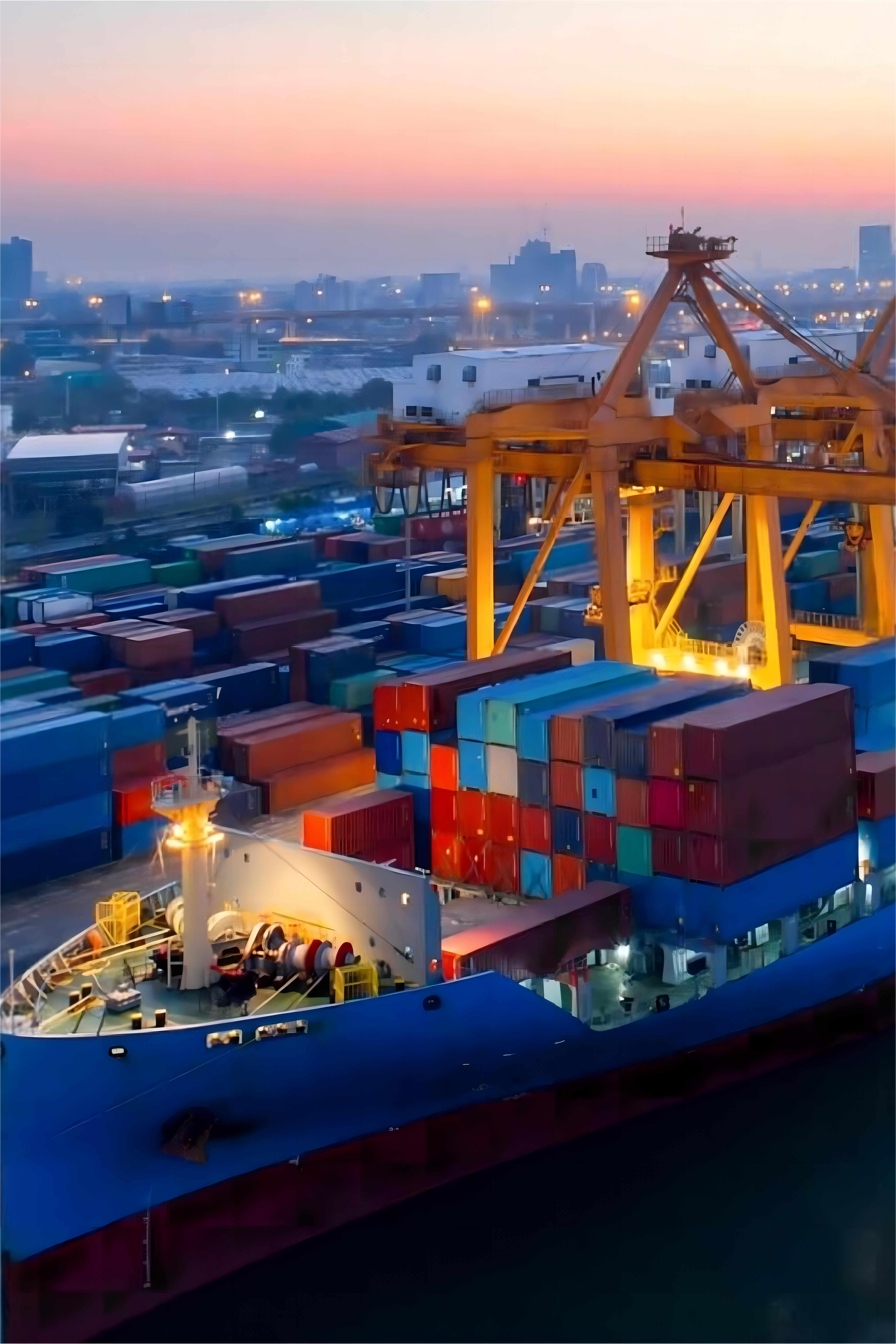
Bulk cargo shipping involves the transportation of large quantities of goods that are not individually packaged. Consequently, this method is essential for commodities like minerals, grains, and large industrial machinery. Importers often distinguish between dry bulk, liquid bulk, and breakbulk shipments depending on the physical state of the products.
Furthermore, containerized shipping has become a dominant force in the bulk sector for finished goods. Most importers utilize Full Container Load (FCL) or Less than Container Load (LCL) services to move their inventory. Understanding these distinctions helps businesses choose the most appropriate vessel type and handling procedure for their specific needs.
Additionally, the scale of Chinese manufacturing makes it the primary origin for bulk shipments globally. Importers must coordinate with factories and local logistics providers to ensure that cargo is ready for loading at major ports like Shanghai, Ningbo, or Shenzhen. Therefore, meticulous planning is required to align production schedules with vessel departures.
How Does Bulk Cargo Shipping Compare to Other Shipping Options?
Evaluating different transport modes is vital for maintaining a competitive edge in the 2026 market. While sea freight remains the most popular choice for bulk shipments, other alternatives exist. For instance, rail freight offers a middle ground between speed and cost for landlocked destinations.
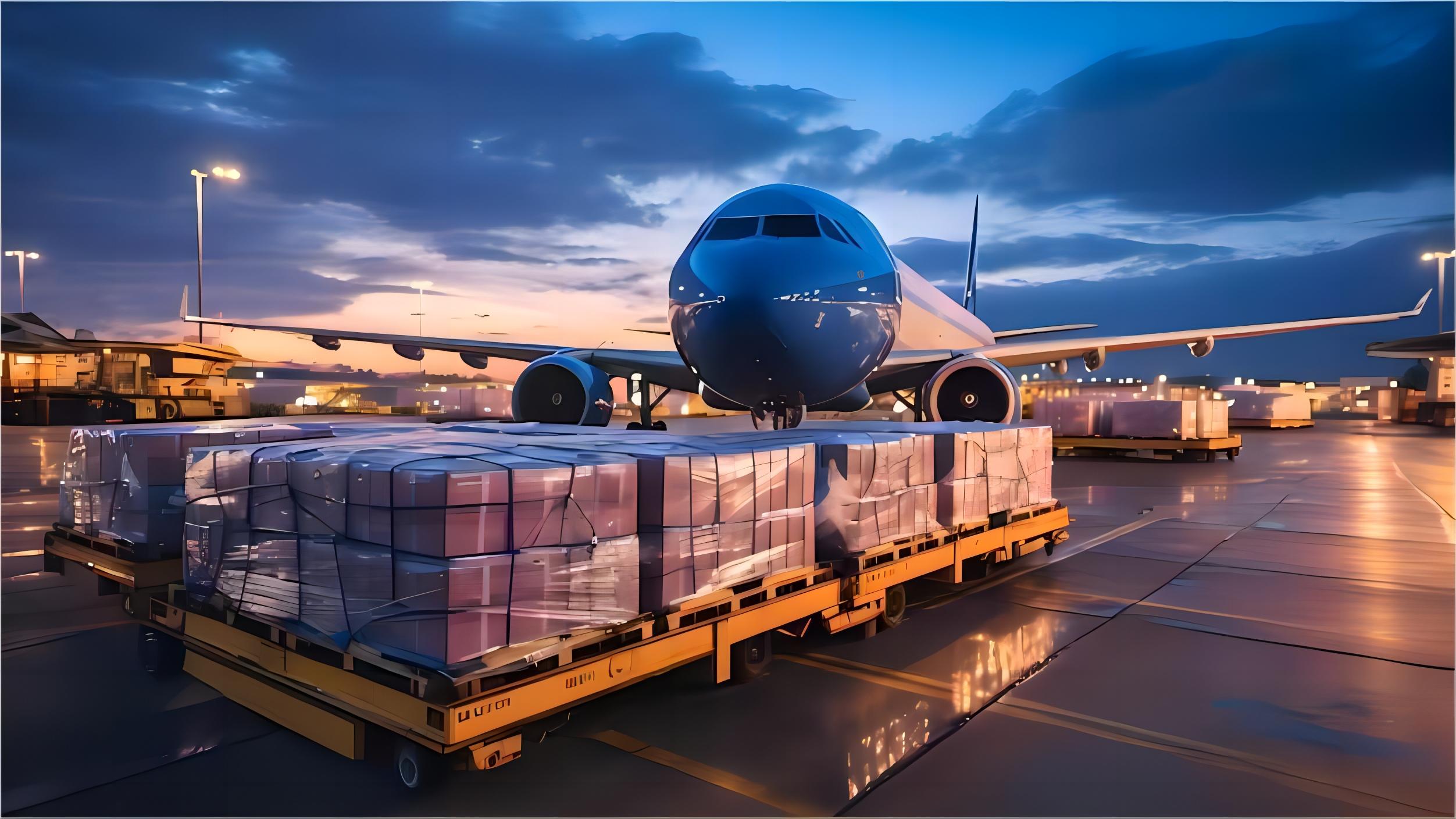
Moreover, air freight is rarely used for traditional bulk commodities due to extreme costs. However, it remains a viable alternative for high-value components that require urgent delivery. In contrast, sea freight provides the capacity needed for thousands of tons of material at a fraction of the price.
Consequently, the choice often depends on the volume-to-weight ratio of the cargo. Large-scale importers prioritize sea transport to maximize their profit margins. Meanwhile, those with time-sensitive inventory might consider hybrid sea-air solutions to balance efficiency and expenditure.
| Shipping Method | Cost Range | Transit Time | Best For | Limitations |
|---|---|---|---|---|
| Sea Freight (FCL) | $1,500 – $6,000 | 14 – 40 Days | Large volumes, heavy goods | Longer transit times |
| Rail Freight | $2,500 – $8,000 | 15 – 22 Days | Central Asia & Europe | Limited to rail networks |
| Air Freight | $5 – $12 per kg | 3 – 7 Days | Urgent, high-value items | Very high cost for bulk |
| Sea-Air Hybrid | Moderate | 10 – 18 Days | Balancing cost and speed | Complex coordination |
Which Option Should You Choose for Bulk Cargo Shipping?
Selecting the right strategy involves analyzing your budget, timeline, and cargo characteristics. If your primary goal is cost reduction, sea freight is undoubtedly the superior choice. On the other hand, if you are facing a stockout, the speed of rail or air might justify the higher premium.
Indeed, volume thresholds play a significant role in this decision. For shipments exceeding 15 cubic meters, FCL is typically more economical than LCL. Conversely, smaller bulk shipments can be consolidated to save on space and port fees. Therefore, importers should calculate the total landed cost before committing to a specific method.
Furthermore, consider the nature of your cargo. Fragile or perishable items might require specialized reefer containers or faster routes. In contrast, raw industrial materials are best suited for standard bulk carriers. Always consult with a logistics professional to determine the most efficient route for your specific commodity.
Current Market Trends and Freight Rates in 2026
As of early 2026, the global shipping market has reached a state of relative stability following the disruptions of previous years. Freight rates from China have normalized, although seasonal fluctuations still occur during peak periods. For example, rates typically rise by 15-25% during the August to October window as retailers prepare for the holidays.
Moreover, digital integration in the supply chain has improved transparency for importers. Real-time tracking and automated documentation are now standard features offered by top-tier carriers. Consequently, businesses can manage their delivery schedules with much higher precision than in the past decade.
Nevertheless, fuel surcharges and environmental regulations continue to influence pricing structures. Importers should stay informed about new carbon taxes and green shipping initiatives that may impact long-term costs. Below is a reference table for typical 2026 container rates across major routes.
| Route | 20GP Container | 40HQ Container | Typical Transit |
|---|---|---|---|
| China to USA West | $1,600 – $2,300 | $2,900 – $3,900 | 14 – 18 Days |
| China to Europe | $1,900 – $2,600 | $3,100 – $4,300 | 28 – 35 Days |
| China to Australia | $900 – $1,300 | $1,500 – $2,100 | 12 – 18 Days |
| China to UK | $2,100 – $2,900 | $3,600 – $4,600 | 30 – 38 Days |

Pricing Disclaimer
Note: Freight rates are subject to change based on fuel costs, carrier capacity, and seasonal demand. Market data suggests that rates can fluctuate weekly. Contact us for a current quote tailored to your specific shipment.
Essential Customs Documentation for Bulk Cargo Shipping from China for Importers
Navigating the legal requirements is often the most challenging aspect of bulk cargo shipping from china for importers. Accurate documentation is essential to avoid costly delays and penalties at the port of entry. Therefore, hiring a professional customs brokerage service is highly recommended for complex shipments.
In addition, importers must ensure that all commercial invoices, packing lists, and bills of lading are perfectly aligned. Any discrepancy in weight or description can trigger intensive inspections by customs authorities. Consequently, double-checking every document before the vessel departs China is a vital step in the process.
Furthermore, specific products may require additional certificates, such as certificates of origin or fumigation certificates for wooden packaging. Staying compliant with both Chinese export laws and your local import regulations is the only way to ensure a smooth transition through the border.
| Document Name | Purpose | Issuer | Importance |
|---|---|---|---|
| Bill of Lading | Title to the goods | Carrier | Critical |
| Commercial Invoice | Valuation for duties | Exporter | Mandatory |
| Packing List | Details of cargo | Exporter | High |
| Certificate of Origin | Trade agreement proof | Chamber of Commerce | Necessary |
Managing Door-to-Door Logistics Efficiently
Many modern importers prefer a comprehensive solution that handles the entire journey from the factory floor to the final warehouse. Utilizing a door to door service simplifies the logistics chain by providing a single point of contact. This approach reduces the risk of communication breakdowns between different service providers.
Moreover, this method often includes the final mile delivery, which is frequently the most expensive part of the journey. By consolidating the inland transport in China and the destination country, importers can often secure better rates. Indeed, the convenience of a managed solution allows business owners to focus on sales rather than logistics.
Additionally, integrated logistics providers can offer better insurance coverage for the entire transit. Since the cargo is handled by a single network, the likelihood of damage or loss is significantly reduced. Consequently, door-to-door services are becoming the standard for high-volume bulk cargo shipping from china for importers in 2026.
Regional Focus: Shipping to North America and Europe
Routes to North America represent some of the busiest shipping lanes in the world. Importers must choose between West Coast ports like Los Angeles and East Coast ports like Savannah. While the West Coast is faster, the East Coast may be more cost-effective for businesses located in the Atlantic region.
Similarly, shipping to Europe involves navigating the Suez Canal or utilizing the rail Silk Road. European importers must be particularly aware of the EU’s strict environmental and safety standards. Therefore, ensuring your Chinese suppliers meet these criteria is essential for a successful import operation.
Furthermore, port congestion in major hubs can occasionally cause delays. Importers should build a buffer into their delivery schedules to account for potential bottlenecks at busy terminals. By diversifying the ports of entry, businesses can minimize the impact of localized disruptions on their overall supply chain.

Real Case Studies: Bulk Shipping Success Stories
Reviewing real-world examples helps importers understand the practical application of these shipping strategies. These cases reflect typical scenarios encountered in the 2026 market, highlighting the importance of route selection and cost management.
Case Study 1: Industrial Machinery for US Midwest Route: Shanghai, China to Chicago, USA Cargo: CNC Machines, 28 CBM, 12,500 kg Container: 1 x 40GP Shipping Details: – Carrier/Service: COSCO Shipping – Port of Loading: Shanghai – Port of Discharge: Los Angeles (Intermodal to Chicago) – Route Type: Transshipment via Rail Cost Breakdown: – Ocean Freight: $3,200 – Origin Charges: $450 – Destination Charges: $850 – Customs & Duties: $4,200 – Total Landed Cost: $8,700 Timeline: – Booking to Loading: 4 days – Sea Transit: 16 days – Customs Clearance: 3 days – Total Door-to-Door: 28 days Key Insight: Using intermodal rail from LA saved $1,200 compared to shipping directly to the East Coast via the Panama Canal.
Case Study 2: Solar Panel Distribution in Germany Route: Ningbo, China to Hamburg, Germany Cargo: Solar Modules, 65 CBM, 18,000 kg Container: 1 x 40HQ Shipping Details: – Carrier/Service: Maersk – Port of Loading: Ningbo – Port of Discharge: Hamburg – Route Type: Direct Cost Breakdown: – Ocean Freight: $3,850 – Origin Charges: $500 – Destination Charges: $920 – Customs & Duties: $0 (Green Energy Incentive) – Total Landed Cost: $5,270 Timeline: – Booking to Loading: 6 days – Sea Transit: 32 days – Customs Clearance: 2 days – Total Door-to-Door: 45 days Key Insight: Based on Q1 2026 market rates, direct sea freight provided the best stability for fragile solar components despite the longer transit time.
Mastering Your Bulk Imports in 2026
To summarize, successful bulk cargo shipping from china for importers requires a balance of strategic planning, market awareness, and reliable partnerships. By understanding the nuances of different shipping methods and staying updated on 2026 market trends, businesses can significantly reduce their overhead costs.
Furthermore, the integration of digital tools and professional customs brokerage will continue to simplify the import process. Whether you are moving industrial raw materials or finished consumer goods, the principles of efficiency and compliance remain the same. Start optimizing your bulk cargo shipping from china for importers today to secure your competitive advantage in the global marketplace.
Need a tailored shipping solution?
Streamline your supply chain today with professional bulk cargo shipping from china for importers. Our team provides tailored quotes and expert logistics support to ensure your goods arrive safely and on time. Send Inquiry