

2026 Guide to China Freight Forwarding Service Local Warehouse Solutions
Navigating the complexities of international trade requires a robust strategy for managing inventory and transportation. Many businesses now rely on China Top Freight to provide a comprehensive china freight forwarding service local warehouse that simplifies the entire export process. Consequently, companies can reduce their overhead costs while ensuring their products remain ready for immediate dispatch to global markets.

What is a China Freight Forwarding Service Local Warehouse?
A china freight forwarding service local warehouse acts as a centralized hub for storing goods before they are shipped internationally. Historically, exporters had to move products directly from factories to ports, which often led to timing issues and increased costs.
In 2026, these facilities offer much more than simple storage. They provide value-added services such as labeling, quality inspection, and order fulfillment. Furthermore, they allow for consolidated shipping, where multiple small orders are combined into a single container to save money.
Logistics providers manage these spaces to bridge the gap between manufacturing and final delivery. This integration ensures that your supply chain remains flexible and responsive to market demands.
Why Choose a Local Warehouse in 2026?
Utilizing a warehouse within China offers significant strategic advantages for modern businesses. Primarily, it allows for better inventory control and reduces the risk of stockouts during peak seasons.
Moreover, the proximity to manufacturing centers means that goods can be moved into storage quickly. This speed is essential when dealing with high-turnover products or time-sensitive e-commerce orders. Indeed, the ability to inspect goods locally before they leave the country prevents the high cost of international returns.
Additionally, many of these warehouses are located in bonded zones. This status allows importers to delay paying duties until the goods are actually shipped, which significantly improves cash flow.
How Does Sea Freight Compare to Other Shipping Options?
When evaluating your logistics strategy, understanding the differences between transport modes is vital. Sea freight remains the most popular choice for large volumes due to its cost-effectiveness. However, other methods offer speed or flexibility that might be necessary for specific cargo types.
Specifically, sea freight provides the lowest cost per unit for bulk items. Meanwhile, air freight serves as the fastest alternative for high-value electronics or urgent replenishment.
Rail freight has also become a reliable middle ground for shipments heading to Europe. It offers faster transit than the ocean while remaining significantly cheaper than air transport.
| Shipping Method | Cost Range | Transit Time | Best For | Limitations |
|---|---|---|---|---|
| Sea Freight | $1,500 – $4,500 per FEU | 14 – 38 Days | Bulk cargo and large volumes | Slowest transit time |
| Air Freight | $4.50 – $9.00 per kg | 3 – 7 Days | High-value or urgent goods | Very high cost |
| Rail Freight | $100 – $160 per CBM | 18 – 25 Days | Mid-sized Europe shipments | Limited to land routes |
| Express Service | $7.00 – $12.00 per kg | 2 – 5 Days | Small parcels and samples | Expensive for heavy items |

Alternative Strategies for Cost-Effective Shipping
Businesses should consider hybrid solutions to balance speed and budget. For example, a sea-air strategy involves shipping goods by sea to a hub like Dubai and then flying them to the final destination. This approach can save up to 40 percent compared to pure air freight while cutting transit time in half compared to sea.
Another effective strategy is LCL consolidation within a china freight forwarding service local warehouse. Instead of paying for a half-empty container, you share space with other shippers and only pay for the volume you use. Consequently, small and medium enterprises can access competitive global shipping rates.
Direct shipping from the warehouse to the end consumer is also gaining traction. By utilizing Amazon FBA integration, sellers can move inventory directly from China to fulfillment centers worldwide, bypassing intermediate storage.
Maximizing Efficiency with E-commerce Fulfillment
E-commerce brands require a high degree of agility to succeed in today’s market. Utilizing a local warehouse in China allows these brands to pick, pack, and ship individual orders directly to international customers. This model, often called dropshipping or direct-to-consumer fulfillment, minimizes domestic storage costs in the destination country.
Furthermore, air freight is frequently used for these small, high-frequency shipments to ensure quick delivery. Most modern warehouses use advanced software to sync with online storefronts, providing real-time tracking for every package.
Notably, this setup reduces the capital tied up in inventory. Rather than shipping thousands of units to a US warehouse, you can keep the bulk of your stock in China and ship only what is sold.
Navigating Customs and Documentation Requirements
Correct documentation is the backbone of any successful export operation. Failure to provide accurate paperwork can lead to expensive delays and port storage fees. Therefore, working with an expert in customs brokerage is essential for navigating the complex regulations of 2026.
Standard documents include the Commercial Invoice, Packing List, and Bill of Lading. Some products may also require specific certificates of origin or safety inspections. A local warehouse team can often handle the preparation of these documents as part of their service package.
Significantly, the warehouse can perform pre-shipment inspections to ensure the goods match the descriptions on the paperwork. This proactive step prevents issues during customs audits at the destination port.

Which Option Should You Choose?
Budget is the Priority
If your main goal is to minimize landed costs, sea freight is the clear winner. For shipments over 15 CBM, booking a Full Container Load (FCL) provides the best value. You should plan your production cycles well in advance to account for the longer transit times associated with ocean travel.
Speed is Essential
When you have a product launch or an urgent stock shortage, air freight is the only viable option. While the cost is higher, the rapid delivery ensures you do not lose sales due to empty shelves. This method is also safer for fragile or highly perishable items.
European Land Routes
For shipments moving from China to Europe, rail freight offers a fantastic balance. It is faster than the sea and much cheaper than the air. It is particularly effective for automotive parts, machinery, and consumer electronics.
Real-World Case Studies from 2026
Case Study 1: Electronics Distribution. Route: Shenzhen, China to Los Angeles, USA. Cargo: Consumer Electronics, 22 CBM, 4,500 kg. Container: 20GP. Shipping Details: Major carrier, Port of Ningbo to Port of Los Angeles. Cost Breakdown: Ocean Freight: $1,950; Origin Charges: $320; Destination Charges: $450; Total Landed Cost: $2,720. Timeline: Total Door-to-Door: 22 days. Key Insight: Using a local warehouse for consolidation saved the client 15 percent compared to shipping multiple LCL loads.
Case Study 2: Apparel Fulfillment. Route: Shanghai, China to Hamburg, Germany. Cargo: Fashion Apparel, 65 CBM, 12,000 kg. Container: 40HQ. Shipping Details: Direct route via Suez Canal. Cost Breakdown: Ocean Freight: $3,400; Origin Charges: $400; Destination Charges: $600; Total Landed Cost: $4,400. Timeline: Total Door-to-Door: 34 days. Key Insight: Pre-labeling goods in the China warehouse allowed for immediate distribution upon arrival in Germany.
Note: Freight rates are subject to change based on fuel costs, carrier capacity, and seasonal demand. Contact us for a current quote tailored to your specific shipment.
Final Thoughts on China Warehousing and Freight
In conclusion, a china freight forwarding service local warehouse is more than just a storage space; it is a strategic asset. By centralizing your inventory in China, you gain better control over quality, costs, and delivery timelines.
Whether you are shipping bulk industrial goods or managing a fast-paced e-commerce store, the right warehousing partner makes all the difference. As logistics trends evolve in 2026, staying ahead requires a flexible approach that combines reliable storage with efficient shipping methods.
Ultimately, the goal is to create a seamless flow from the factory floor to the customer’s door. Investing in a local warehouse solution is a proven way to achieve that efficiency while maintaining healthy profit margins.
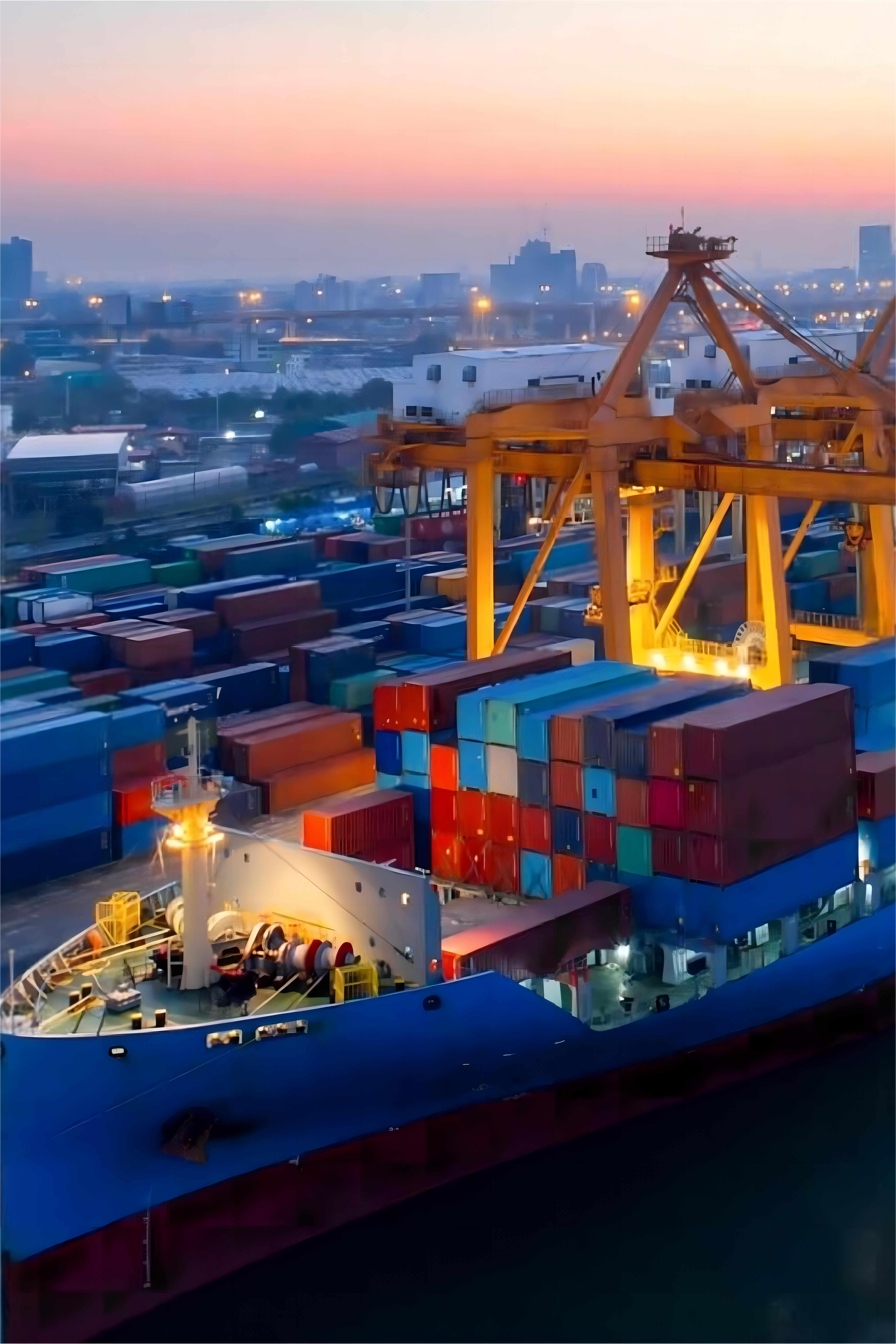
Ready to streamline your logistics?
Streamline your global logistics today by leveraging our professional china freight forwarding service local warehouse. Contact China Top Freight to receive a customized quote and optimize your supply chain for 2026. Send Inquiry: Visit https://chinatopfreight.com/
Request Quote