

China Container Shipping Rates for Amazon Sellers: 2026 Strategy Guide
Understanding china container shipping rates for amazon sellers is essential for maintaining healthy profit margins in the competitive 2026 e-commerce landscape. Navigating the complexities of international logistics requires a reliable partner like China Top Freight to manage your supply chain efficiently. Consequently, sellers who master these costs can better predict their landed costs and scale their businesses effectively. This comprehensive guide provides the latest market intelligence and actionable strategies to optimize your shipping budget.
The 2026 Market Context for China Container Shipping Rates for Amazon Sellers
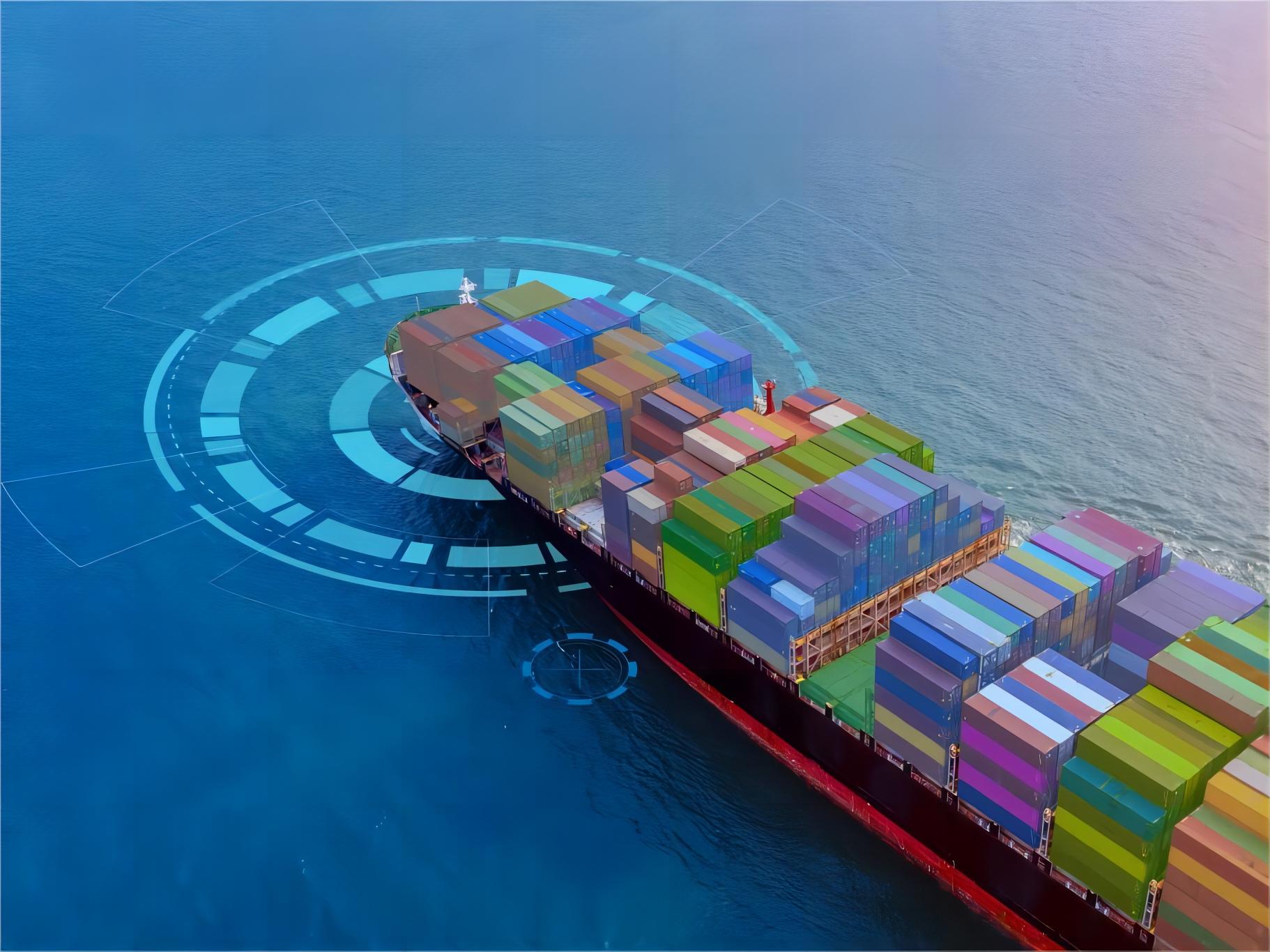
As of Q1 2026, the logistics industry has seen a stabilization in freight rates following the disruptions of previous years. However, Amazon sellers must remain vigilant as seasonal demand and fuel surcharges continue to influence the total cost of transport. Indeed, market data suggests that while capacity has increased, port efficiency remains a critical factor in determining final delivery schedules.
Furthermore, the rise of green shipping initiatives in 2026 has introduced new environmental levies that sellers need to account for in their budgeting. Additionally, the shift toward digitized supply chains allows for more transparent tracking but requires sellers to adapt to new data-driven booking platforms. Understanding these trends is the first step in securing competitive rates.
Meanwhile, global trade patterns are evolving, with more sellers exploring diverse entry ports to avoid traditional congestion points. Consequently, staying informed about regional port developments can provide a strategic advantage when booking your next shipment. Therefore, we recommend monitoring weekly rate indices to catch the best windows for booking.
How Does Sea Freight Compare to Other Shipping Options?
Choosing the right transport mode is a balance between speed and budget. While sea freight remains the most cost-effective solution for high-volume inventory, it requires longer lead times. On the other hand, air freight offers unparalleled speed for urgent restocks or high-value items.
In addition to these traditional methods, rail freight has become a viable middle-ground for shipments destined for Europe. Without a doubt, each method has specific trade-offs regarding cost, reliability, and transit time. To summarize the current market, we have provided a comparison table below based on early 2026 industry benchmarks.
Note: Freight rates are subject to change based on fuel costs, carrier capacity, and seasonal demand. Contact us for a current quote tailored to your specific shipment.
| Shipping Method | Cost Range | Transit Time | Best For |
|---|---|---|---|
| Sea Freight (FCL) | $1,500 – $6,000 | 14 – 40 Days | Bulk Inventory |
| Air Freight | $4.50 – $9.00/kg | 3 – 7 Days | Urgent Restocks |
| Rail Freight | $80 – $140/CBM | 18 – 25 Days | Europe Shipments |
| Express Service | $6.00 – $12.00/kg | 2 – 5 Days | Small Samples |
FCL vs LCL: Optimizing Your Amazon Inventory Strategy
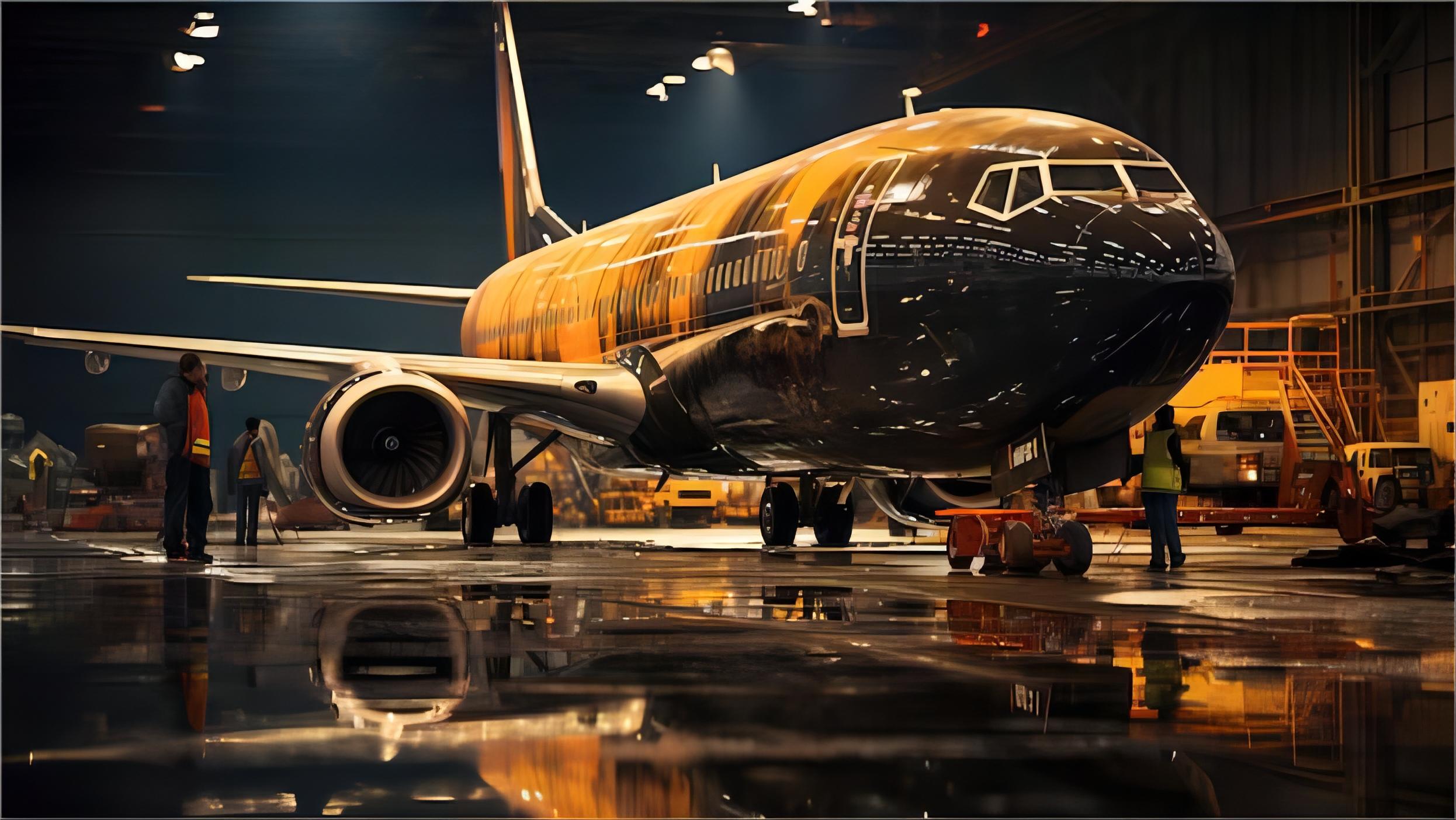
When analyzing china container shipping rates for amazon sellers, the choice between Full Container Load (FCL) and Less than Container Load (LCL) is pivotal. For shipments exceeding 15 cubic meters, FCL typically offers a lower cost per unit and faster transit times because it avoids the consolidation process. Consequently, many established Amazon FBA sellers prefer FCL to maintain better control over their cargo.
In contrast, LCL is an excellent alternative for smaller brands or those testing new product lines. Although the cost per CBM is higher, it allows for more frequent shipments and better cash flow management. Nevertheless, sellers should be aware that LCL shipments are more prone to delays during the de-consolidation phase at the destination port.
Moreover, the handling of LCL cargo involves more touchpoints, which slightly increases the risk of damage. Therefore, ensuring high-quality packaging is essential when opting for shared container space. To help you decide, consider the following volume thresholds: use LCL for 1-14 CBM and switch to FCL for 15+ CBM.
Key Factors Influencing China Container Shipping Rates for Amazon Sellers
Several variables contribute to the fluctuation of shipping costs throughout the year. For instance, the General Rate Increase (GRI) implemented by carriers can suddenly raise prices by hundreds of dollars per container. Additionally, peak season surcharges usually take effect between August and October as retailers prepare for the holiday rush.
Another significant factor is the choice of delivery terms, such as FOB, EXW, or DDP. Indeed, most Amazon sellers prefer DDP (Delivered Duty Paid) because it simplifies the process by including all taxes and duties in the upfront price. However, this convenience often comes with a premium compared to managing customs independently.
Furthermore, port congestion and labor availability can lead to unexpected storage fees or demurrage charges. Consequently, working with an experienced freight forwarder who can navigate these bottlenecks is crucial for cost control. Always factor in a 10-15 percent buffer in your logistics budget to account for these variables.
Primary Shipping Routes and Transit Times in 2026
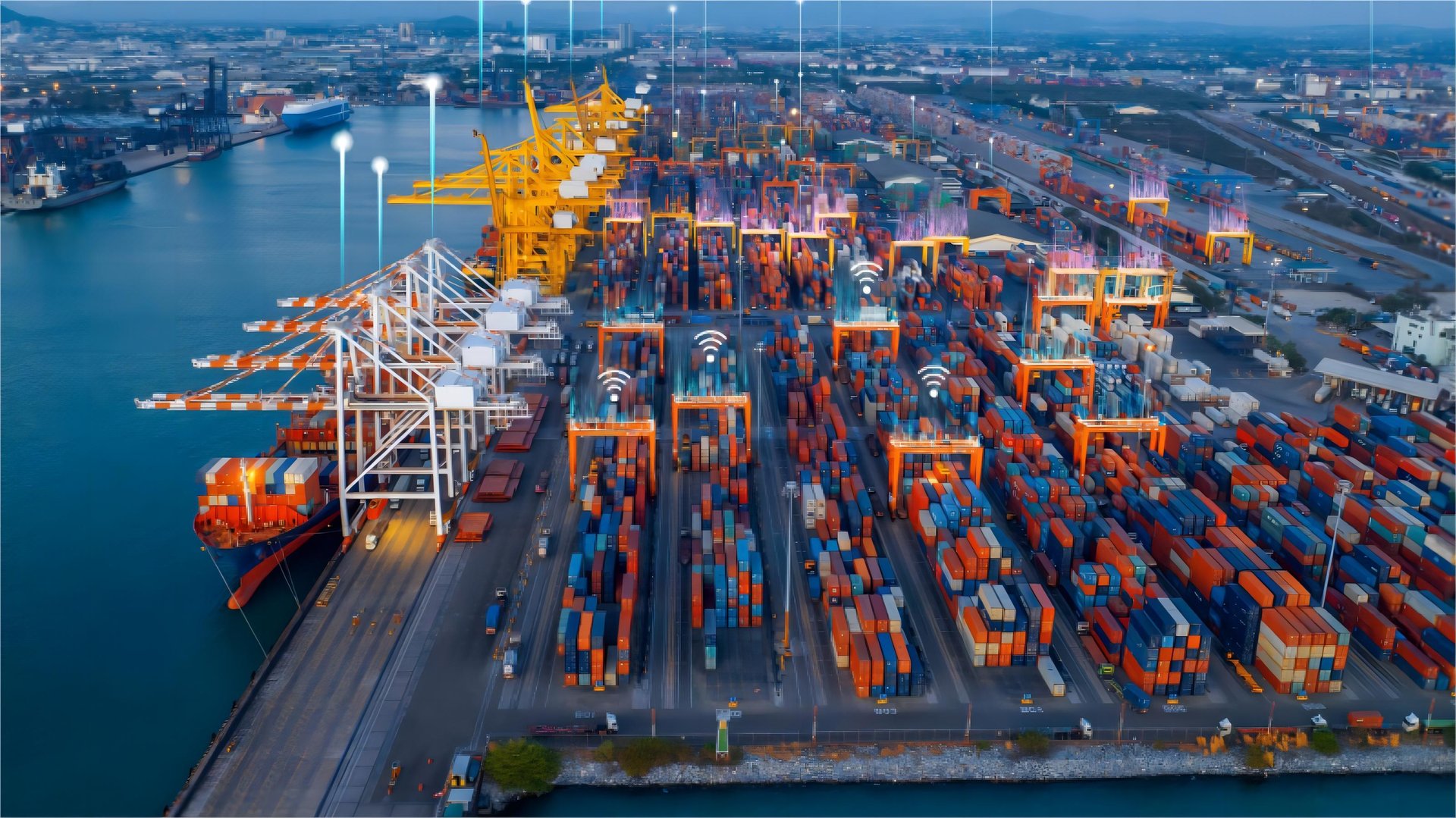
Shipping from China to major global markets involves different timelines and cost structures. For those targeting North America, the transit time to the West Coast is significantly shorter than to the East Coast. Typically, a shipment to Los Angeles takes about 14-18 days, whereas New York requires 30-35 days.
In addition, European routes have seen improved stability in 2026. Most vessels traveling to ports like Rotterdam or Hamburg arrive within 28-35 days. For sellers who need a more hands-off approach, utilizing door to door services can streamline the entire journey from the factory to the FBA warehouse.
Market data suggests that rates to Australia remain the most competitive due to the shorter distance. Typical transit times to Sydney or Melbourne range from 12 to 18 days. Regardless of the destination, booking at least 3-4 weeks in advance is recommended to secure the best available space and rates.
| Route | 20GP Container | 40HQ Container | Avg. Transit |
|---|---|---|---|
| China to USA West | $1,800 – $2,400 | $3,000 – $3,800 | 16 Days |
| China to USA East | $2,800 – $3,600 | $4,800 – $5,800 | 32 Days |
| China to Europe | $2,000 – $2,700 | $3,400 – $4,400 | 30 Days |
| China to Australia | $900 – $1,300 | $1,500 – $2,100 | 15 Days |
Realistic Case Studies: 2026 Shipping Scenarios
Case Study 1: Electronics Shipment to California. Route: Shenzhen to Los Angeles. Cargo: Consumer electronics, 28 CBM. Container: 40HQ. Shipping Details: Direct service via major carrier. Ocean Freight: $3,250. Origin Charges: $450. Destination Charges: $600. Customs: $1,200. Total Landed Cost: $5,500. Timeline: 22 days door-to-door. Key Insight: Booking 4 weeks early saved the seller $400 in GRI fees.
Case Study 2: Home Decor to Germany. Route: Ningbo to Hamburg. Cargo: Wooden furniture, 12 CBM. Container: LCL. Shipping Details: Transshipment via Singapore. Ocean Freight: $1,140. Origin Charges: $250. Destination Charges: $400. Customs: $850. Total Landed Cost: $2,640. Timeline: 38 days door-to-door. Key Insight: LCL was 40 percent cheaper than FCL for this specific volume.
Case Study 3: Apparel to Sydney. Route: Shanghai to Sydney. Cargo: Cotton garments, 65 CBM. Container: 40HQ. Shipping Details: Direct route. Ocean Freight: $1,850. Origin Charges: $380. Destination Charges: $550. Customs: $900. Total Landed Cost: $3,680. Timeline: 18 days door-to-door. Key Insight: Utilizing a local broker reduced clearance time by 3 days.
Navigating Customs and Documentation for Amazon Sellers
Proper documentation is the backbone of a smooth import process. Without a doubt, missing paperwork is the leading cause of delays and additional costs at the border. Sellers must ensure they have a Commercial Invoice, Packing List, and Bill of Lading ready for every shipment. Additionally, an ISF filing is mandatory for all US-bound ocean cargo.
Furthermore, engaging a professional customs brokerage service can prevent costly errors in tariff classification. In 2026, customs authorities have increased scrutiny on product safety certifications, especially for toys and electronics. Consequently, having your compliance documents in order before the ship sails is more important than ever.
Moreover, understanding the difference between a single-entry bond and a continuous bond can save frequent importers significant money over time. While a continuous bond has a higher upfront cost, it covers all shipments for a full year. Therefore, we recommend this option for any seller planning more than four shipments annually.
Alternative Strategies and Cost-Saving Tips
To minimize china container shipping rates for amazon sellers, consider a hybrid shipping strategy. For example, ship the bulk of your inventory via sea freight while sending a small ‘bridge’ shipment via air freight to avoid stockouts. This approach balances cost-efficiency with inventory availability.
In addition, optimizing your packaging can lead to substantial savings. By reducing the dimensions of your outer cartons, you may be able to fit more units into a single container or qualify for a lower LCL tier. Furthermore, consolidating shipments from multiple suppliers into one container can eliminate redundant origin charges.
Another effective strategy is to ship to regional ports that are less congested. For instance, shipping to Savannah instead of New York can sometimes result in lower drayage costs and faster processing. To summarize, flexibility in your logistics planning is the key to navigating market volatility in 2026.
Which Option Should You Choose? Decision Framework
Choosing the best shipping method depends on your specific business priorities. If your primary goal is the lowest possible cost, sea freight (FCL) is the undisputed winner for large volumes. However, if you are launching a new product and need to hit a specific marketing window, air freight or express services are worth the investment.
For those shipping to Europe, rail freight offers a compelling alternative that is faster than sea and cheaper than air. Meanwhile, sellers with consistent, high-volume sales should always aim for FCL to maximize their margins. Use the following criteria to guide your decision: Budget priority? Choose Sea. Speed priority? Choose Air. Balanced? Choose Rail.
Finally, always consider the ‘landed cost’ rather than just the freight rate. A cheaper shipping rate that results in a two-week delay can cost you more in lost sales and Amazon ranking than a slightly more expensive, reliable service. Therefore, prioritize reliability and communication when selecting your logistics partner.
Mastering Your FBA Logistics in 2026
Managing china container shipping rates for amazon sellers is a dynamic challenge that requires constant attention to market trends and logistics strategies. By understanding the differences between FCL and LCL, choosing the right shipping routes, and preparing for customs clearance, you can significantly reduce your operational costs.
In conclusion, the key to success lies in planning ahead and partnering with experienced professionals who understand the nuances of the 2026 shipping landscape. Whether you are shipping to North America, Europe, or Australia, proactive management of your freight will ensure your Amazon business remains profitable and competitive.
Get Your Shipping Quote Today
Ready to optimize your supply chain and secure the best china container shipping rates for amazon sellers? Contact our expert logistics team today for a customized quote and professional guidance on your next FBA shipment. Visit our website to learn how we can help you scale your business with reliable freight solutions.
Request Quote