

China Freight for Wholesalers International Shipping Guide 2026
“Managing China freight for wholesalers international shipping requires a strategic approach to balance speed and cost in the current 2026 market. Successful businesses rely on China Top Freight to navigate complex logistics landscapes and ensure timely delivery of bulk orders. Consequently, understanding the nuances of global supply chains is essential for maintaining a competitive edge in the wholesale industry today.”

Why Choose China Freight for Wholesalers International Shipping in 2026?
❖Wholesalers must adapt to a rapidly evolving logistics environment where efficiency determines profitability. Market data suggests that shipping volumes from China have reached record highs in early 2026, driven by global demand for consumer electronics and industrial machinery. Therefore, selecting the right logistics partner is no longer just an operational choice but a critical business strategy.
Additionally, the integration of smart tracking technologies has revolutionized how wholesalers monitor their cargo. Real-time visibility allows for better inventory management and more accurate delivery schedules for downstream retailers. Furthermore, as of Q1 2026, freight rates have stabilized following the previous year’s disruptions, providing a more predictable environment for long-term planning.
Moreover, wholesalers often deal with high-volume shipments that require specialized handling and consolidation services. Indeed, choosing a provider that understands the specific needs of bulk importers can lead to significant cost reductions. Consequently, businesses are increasingly looking for integrated solutions that combine warehousing, customs clearance, and final-mile delivery.
How Does Sea Freight Compare to Other Shipping Options?
❖When evaluating sea freight as your primary transport mode, it is vital to weigh the cost benefits against the longer transit times. Ocean transport remains the backbone of international trade, especially for heavy or bulky wholesale goods. However, the choice between Full Container Load (FCL) and Less than Container Load (LCL) depends heavily on your specific volume and urgency.
Furthermore, sea freight offers the lowest carbon footprint per ton-mile compared to air or road transport. This factor is becoming increasingly important as 2026 sustainability regulations become stricter for international importers. Meanwhile, the development of faster ocean routes and more efficient port operations has slightly reduced total transit times for major lanes.
In contrast, air freight provides unmatched speed but at a significantly higher price point. For wholesalers of high-value or perishable items, the extra cost of air transport is often justified by the reduction in lead times. Nevertheless, for the majority of wholesale commodities, the ocean remains the most economical path.
| Shipping Method | Cost Range | Transit Time | Best For | Limitations |
|---|---|---|---|---|
| Sea Freight (FCL) | Low ($2k-$5k) | 25-40 Days | Bulk Goods | Slow Speed |
| Air Freight | High ($5-$12/kg) | 3-7 Days | High Value | Weight Limits |
| Rail Freight | Medium | 15-22 Days | Land Routes | Regional Only |
| Express | Very High | 2-5 Days | Samples | Expensive |

Is Air Freight the Right Choice for Your Wholesale Business?
❖Selecting air freight is often a strategic decision made during peak seasons or when inventory levels are critically low. For instance, during the Q4 peak season of 2025, many wholesalers shifted to air transport to avoid port congestion and meet holiday demand. Consequently, having a reliable air cargo partner ensures that your supply chain remains resilient even during unforeseen disruptions.
Additionally, air transport minimizes the risk of damage to sensitive goods due to shorter handling times and more stable environments. This is particularly beneficial for wholesalers dealing in precision instruments or high-end fashion. Moreover, the faster turnover of stock can improve cash flow by reducing the amount of capital tied up in transit.
However, wholesalers must carefully calculate the landed cost of goods when using air transport. If the shipping cost exceeds the profit margin, it may be better to utilize a hybrid sea-air solution. Indeed, many logistics experts recommend air freight primarily for shipments where the value-to-weight ratio is high.
Optimizing Your China Freight for Wholesalers International Shipping Costs
❖Reducing expenses in your international supply chain requires a deep dive into every stage of the logistics process. For example, utilizing rail freight for shipments to Europe can offer a middle ground between the speed of air and the economy of sea. Consequently, many wholesalers are diversifying their transport modes to optimize both budget and delivery schedules.
Furthermore, consolidating multiple small orders into a single FCL shipment can lead to substantial savings. Wholesalers should also negotiate long-term contracts with carriers to lock in favorable rates before the peak season begins. Additionally, optimizing packaging to reduce wasted space within containers can lower the overall shipping cost per unit.
Moreover, staying informed about current market trends and fuel surcharges is essential for accurate budgeting. According to industry benchmarks for early 2026, proactive planning can save wholesalers up to 15% on annual logistics spend. Therefore, regular audits of shipping invoices and carrier performance are highly recommended.
| Destination | Sea (Days) | Air (Days) | Rail (Days) |
|---|---|---|---|
| USA West Coast | 14-18 | 3-5 | N/A |
| Europe (Main Ports) | 30-35 | 4-7 | 18-22 |
| Australia | 12-18 | 3-6 | N/A |
| UK | 32-38 | 5-8 | 20-25 |
The Role of Customs Brokerage in Wholesale Logistics
❖Navigating the complexities of international trade regulations requires expert customs brokerage services to avoid costly delays. Specifically, wholesalers must ensure that all documentation, including commercial invoices and packing lists, is perfectly accurate. Consequently, a single error in a Harmonized System (HS) code can result in cargo being held at the port for weeks.
Additionally, staying compliant with the latest 2026 import duties and taxes is vital for maintaining profit margins. Many countries have introduced new environmental levies on specific materials, which wholesalers must account for in their pricing strategies. Furthermore, working with a broker who has a deep understanding of local regulations can expedite the clearance process significantly.
Moreover, automated customs filing systems are now standard for most major ports, requiring wholesalers to provide digital documentation in advance. As a result, the speed of customs clearance has improved for those who are prepared. Nevertheless, the physical inspection of goods remains a possibility, making proper labeling and packaging even more important.
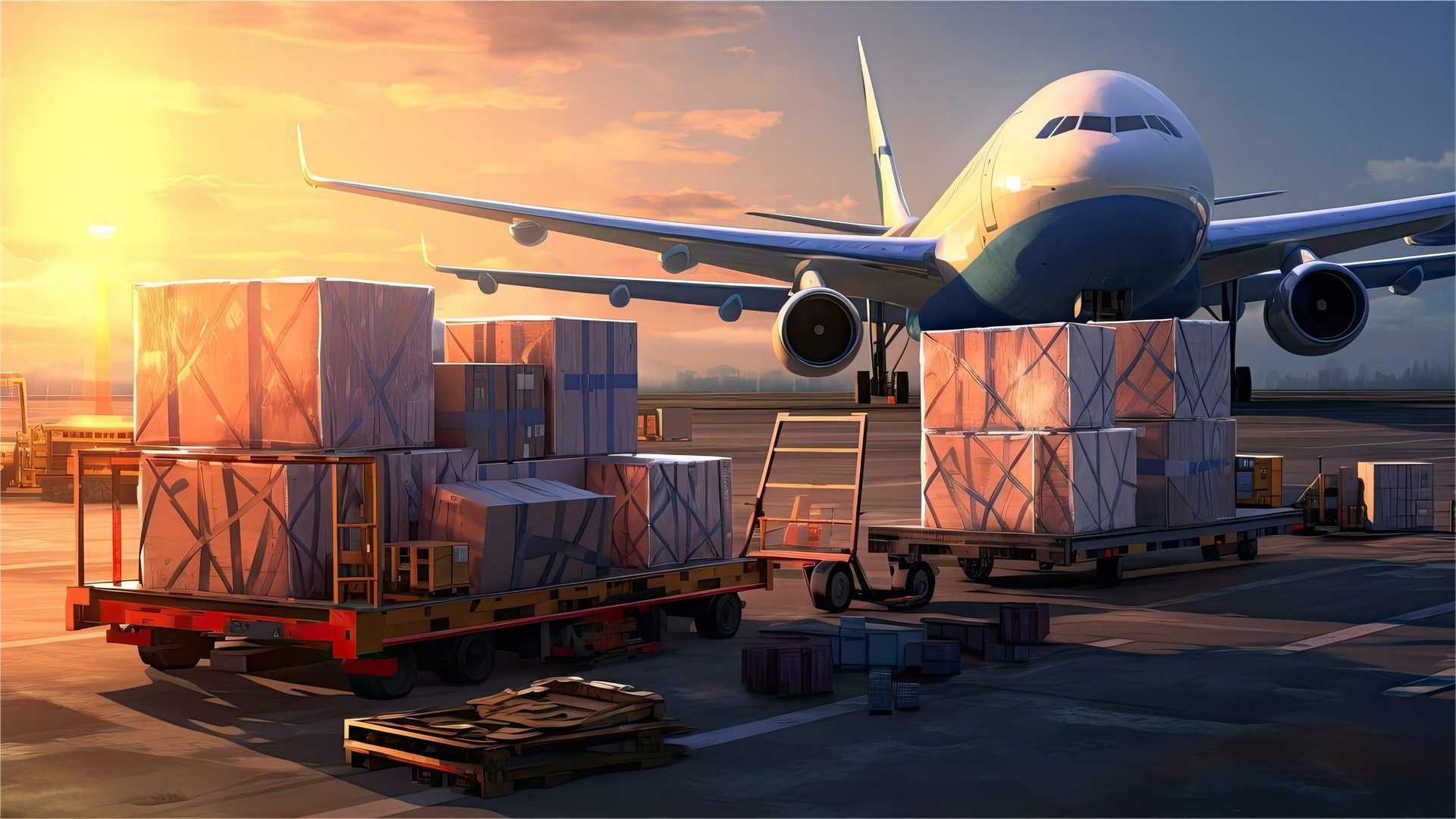
Benefits of Door to Door Solutions for Wholesalers
❖Many wholesalers prefer door to door services because they simplify the entire logistics chain into a single point of contact. This approach eliminates the need for the wholesaler to manage multiple vendors, such as trucking companies, freight forwarders, and customs agents. Consequently, it reduces the administrative burden and allows business owners to focus on sales and growth.
Furthermore, door-to-door shipping often includes the final delivery to a warehouse or distribution center, ensuring a seamless transition from the port. This is particularly advantageous for wholesalers who do not have their own logistics infrastructure in the destination country. Additionally, the transparency provided by end-to-end tracking gives wholesalers peace of mind throughout the transit process.
In contrast, port-to-port shipping may appear cheaper initially but often involves hidden costs and logistical headaches. For instance, arranging local drayage and temporary storage can quickly inflate the total landed cost. Therefore, the convenience and predictability of a comprehensive service often outweigh the marginal savings of a fragmented approach.
Which Option Should You Choose? A Decision Framework
❖Choosing the right method for China freight for wholesalers international shipping depends on your specific business priorities. If your primary goal is cost minimization for large volumes, sea freight FCL is almost always the best choice. On the other hand, if you are launching a new product line and need to test the market quickly, air freight or express services are more suitable.
Additionally, consider the nature of your cargo; fragile or high-value items benefit from the reduced handling of air transport. For shipments to landlocked regions or specific European destinations, rail freight offers a compelling balance of speed and price. Consequently, many successful wholesalers use a mix of methods throughout the year based on seasonal demand and inventory levels.
Moreover, wholesalers should evaluate the reliability of the carrier and the frequency of sailings or flights. A slightly more expensive route with a direct connection is often better than a cheaper one with multiple transshipments. Indeed, the risk of delays increases significantly with every additional stop in the journey.
| Priority | Recommended Method | Volume Threshold | Key Benefit |
|---|---|---|---|
| Budget | Sea Freight (FCL) | Over 15 CBM | Lowest Unit Cost |
| Speed | Air Freight | Any Volume | Fastest Delivery |
| Balance | Rail Freight | Over 2 CBM | Mid-range Speed |
| Small Batch | Sea Freight (LCL) | Under 15 CBM | Pay for Space Used |
Case Study 1: Electronics Wholesale to Los Angeles
❖Case Study 1: High-Volume Electronics Distribution. Route: Shenzhen, China to Los Angeles, USA. Cargo: Consumer Electronics, 68 CBM, 14,500 kg. Container: 1x40HQ. Shipping Details: Major carrier (Direct). Port of Loading: Shenzhen. Port of Discharge: Los Angeles. Cost Breakdown: Ocean Freight: $3,400; Origin Charges: $450; Destination Charges: $600; Customs and Duties: $1,200; Total Landed Cost: $5,650. Timeline: Booking to Loading: 3 days; Sea Transit: 15 days; Customs Clearance: 2 days; Total Door-to-Door: 24 days. Key Insight: Utilizing a direct route saved 5 days compared to transshipment options, ensuring the wholesaler met a major retail launch date. Based on Q1 2026 market rates.
Case Study 2: Furniture Wholesale to Hamburg
❖Case Study 2: Bulk Furniture Import. Route: Ningbo, China to Hamburg, Germany. Cargo: Office Furniture, 55 CBM, 12,000 kg. Container: 1x40GP. Shipping Details: Major carrier via Singapore. Port of Loading: Ningbo. Port of Discharge: Hamburg. Cost Breakdown: Ocean Freight: $3,900; Origin Charges: $500; Destination Charges: $750; Customs and Duties: $2,100; Total Landed Cost: $7,250. Timeline: Booking to Loading: 5 days; Sea Transit: 32 days; Customs Clearance: 3 days; Total Door-to-Door: 45 days. Key Insight: Booking 4 weeks in advance secured a rate 15% lower than the spot market average during the peak season of 2025. Typical rates as of early 2026.
Case Study 3: Apparel Wholesale to Sydney
❖Case Study 3: Seasonal Fashion Shipment. Route: Shanghai, China to Sydney, Australia. Cargo: Cotton Garments, 12 CBM, 3,200 kg. Container: LCL. Shipping Details: Direct sea service. Port of Loading: Shanghai. Port of Discharge: Sydney. Cost Breakdown: Ocean Freight: $950; Origin Charges: $300; Destination Charges: $400; Customs and Duties: $850; Total Landed Cost: $2,500. Timeline: Booking to Loading: 4 days; Sea Transit: 14 days; Customs Clearance: 2 days; Total Door-to-Door: 22 days. Key Insight: LCL was more economical than a 20GP for this volume, despite higher per-CBM handling fees. Market data suggests stable rates for this route in 2026.
Final Thoughts on Wholesale Shipping from China
Mastering China freight for wholesalers international shipping is a continuous process of optimization and adaptation. By understanding the differences between sea, air, and rail freight, wholesalers can make informed decisions that protect their margins. Furthermore, partnering with an experienced logistics provider ensures that customs and compliance issues are handled professionally.
In summary, the 2026 logistics landscape offers both challenges and opportunities for those who stay informed. Whether you prioritize speed or cost, there is a shipping solution tailored to your specific wholesale needs. Consequently, taking a proactive approach to freight management will ensure your business remains resilient in the global marketplace.

Ready to streamline your logistics?
Streamline your international supply chain today with expert China freight for wholesalers international shipping solutions. Contact our professional team to receive a customized quote and optimize your logistics strategy for 2026. Visit our inquiry page to get started. Send Inquiry:
Request Quote