China Freight for Wholesalers 2026: Expert Logistics Guide
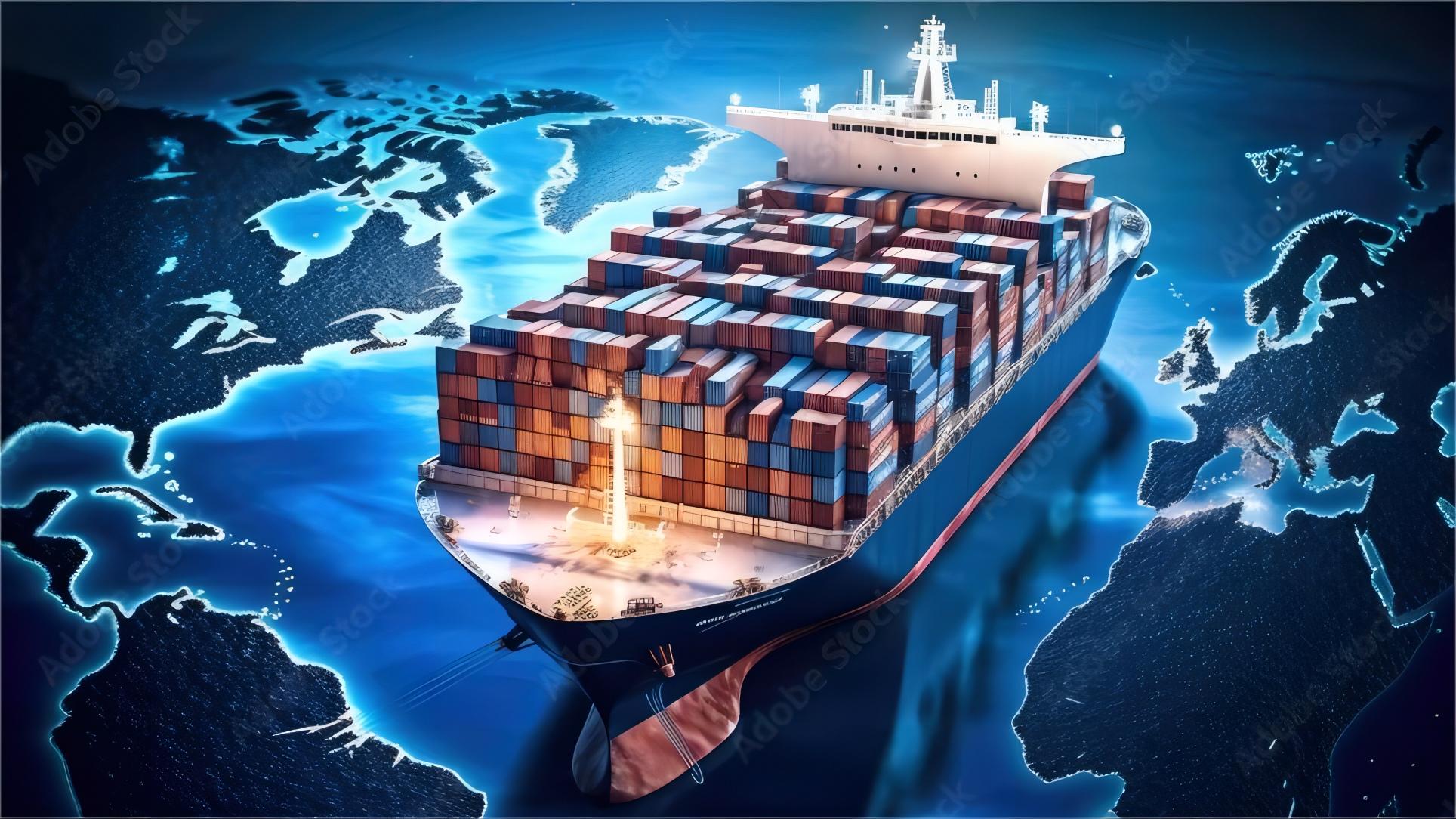
Navigating the complexities of china freight for wholesalers 2026 requires a deep understanding of evolving trade lanes and digital logistics integration. As global demand shifts, businesses must leverage reliable partners like China Top Freight to maintain competitive margins and ensure timely inventory replenishment. Consequently, wholesalers who prioritize agile shipping strategies will successfully overcome the challenges of the modern international marketplace.
✦
What are the Primary Trends for China Freight for Wholesalers 2026?
Logistics trends in 2026 emphasize the total integration of artificial intelligence and real-time tracking for bulk cargo logistics China. Furthermore, wholesalers now face higher expectations for sustainability and carbon-neutral shipping options across all major trade routes. Indeed, the industry has shifted toward greener fuels and optimized vessel routing to reduce the overall environmental footprint of global trade.
Moreover, the recovery of major maritime corridors after the 2025 disruptions has led to more predictable delivery schedules and stabilized ocean freight capacity 2026. Therefore, businesses can now plan their inventory cycles with greater precision than in previous years. Additionally, the rise of smart warehousing in Chinese export hubs like Shenzhen and Ningbo has significantly accelerated the initial stages of the export process.
How Does Sea Freight Compare to Other Shipping Options?
Choosing the right transportation mode is the most critical decision for maintaining healthy profit margins in 2026. While sea freight remains the most cost-effective solution for large volumes, wholesalers must weigh the benefits of speed against the necessity of low landed costs. Consequently, many importers are diversifying their shipping portfolios to include multiple transit methods.
Specifically, ocean transport is ideal for heavy machinery, textiles, and consumer electronics that do not require immediate shelf placement. Nevertheless, the longer transit times necessitate a robust forecasting model to prevent stockouts during peak shopping seasons. For instance, a 40HQ container from Shanghai to the USA West Coast typically takes 15 to 18 days in early 2026.
| Shipping Method | Cost Range | Transit Time | Best For | Limitations |
|---|---|---|---|---|
| Sea Freight (FCL) | $2,500 – $4,500 | 18 – 35 Days | High Volume Bulk | Slowest Transit |
| Air Freight | $4.50 – $8.50/kg | 3 – 7 Days | High Value Goods | Very High Cost |
| Rail Freight | $1,200 – $2,200 | 15 – 22 Days | Mid-Range Budget | Land Routes Only |
| Express Service | $8.00 – $12.00/kg | 2 – 4 Days | Samples/Urgent | Weight Limits |
Why Should Wholesalers Consider Air Freight for Urgent Cargo?
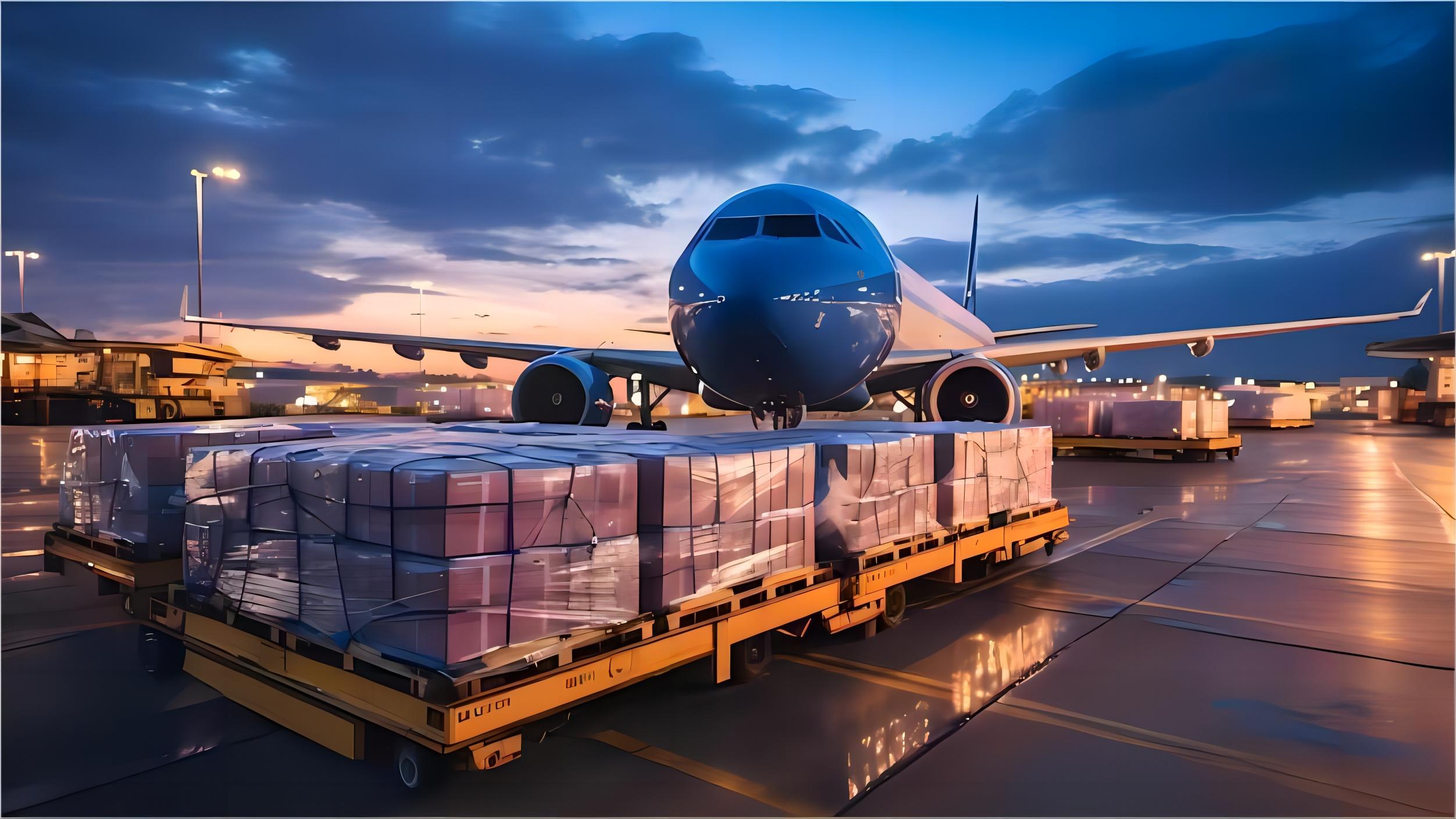
In contrast to slower maritime routes, air freight provides the rapid turnaround necessary for high-demand product launches. Although the air cargo costs for wholesalers are significantly higher, the reduction in inventory holding costs often justifies the expense for specific product categories. For example, fashion items and high-tech components benefit greatly from the reduced time-to-market provided by air transport.
Furthermore, air logistics in 2026 have become more efficient through the use of automated cargo handling at major hubs like Shanghai Pudong and Guangzhou Baiyun. As a result, the risk of damage or theft is minimized compared to multiple handling points in sea transport. Additionally, the increased frequency of cargo flights ensures that wholesalers can secure space even during the busy Q4 peak season.
Which Alternative Strategies Optimize Wholesale Shipping Costs?
Wholesalers often overlook hybrid solutions that combine the benefits of different transport modes to achieve a balance of cost and speed. For instance, sea-air combinations via hubs like Dubai or Singapore allow for faster delivery than pure sea freight while remaining cheaper than direct air freight. Meanwhile, FCL vs LCL for wholesalers remains a pivotal choice depending on the total cubic meters of the shipment.
Moreover, consolidating shipments from multiple suppliers into a single full container can lead to significant logistics cost reduction strategies. Therefore, wholesalers should work closely with their freight forwarders to identify consolidation opportunities in major Chinese manufacturing clusters. In addition, implementing a multi-port strategy can help bypass congestion at primary gateways like Los Angeles or Rotterdam.
| Strategy Type | Cost Impact | Time Impact | Suitability |
|---|---|---|---|
| Sea-Air Hybrid | Moderate Save | 10-14 Days Save | Urgent Bulk |
| LCL Consolidation | High Save | 3-5 Day Delay | Small Wholesalers |
| Direct Rail | Low Save | 15 Day Save | Europe Routes |
| Multi-Port Entry | Variable | High Reliability | Avoiding Strikes |
How Does Door to Door Shipping Benefit Wholesale Operations?
Utilizing door to door services simplifies the complex logistics chain by providing a single point of accountability from the factory floor to the final warehouse. Consequently, wholesalers can focus on sales and marketing rather than managing multiple carriers and local drayage companies. Indeed, this end-to-end approach reduces the likelihood of communication errors and documentation delays.
Additionally, door-to-door solutions often include integrated tracking that provides visibility at every milestone of the journey. As a result, supply chain managers can provide accurate delivery estimates to their retail partners or end customers. Furthermore, these comprehensive services usually encompass all local handling fees, which makes budgeting for international freight management much more predictable.
What Are the Essential Customs Clearance Steps for Wholesalers?
Navigating global trade compliance 2026 requires meticulous attention to detail during the customs entry process. Wholesalers must ensure that all commercial invoices, packing lists, and certificates of origin are perfectly aligned to avoid costly inspections or seizures. Therefore, partnering with a professional customs brokerage is essential for managing the intricacies of import duties and taxes.
Moreover, the implementation of digital customs interfaces in 2026 has streamlined the filing process, but it also means that errors are flagged instantly by automated systems. Consequently, accuracy in HTS code classification is more important than ever to ensure the correct duty rates are applied. In addition, wholesalers should stay informed about any new trade agreements or tariffs that might affect importing from China to USA 2026.
Case Studies: Successful Wholesale Shipments in 2026
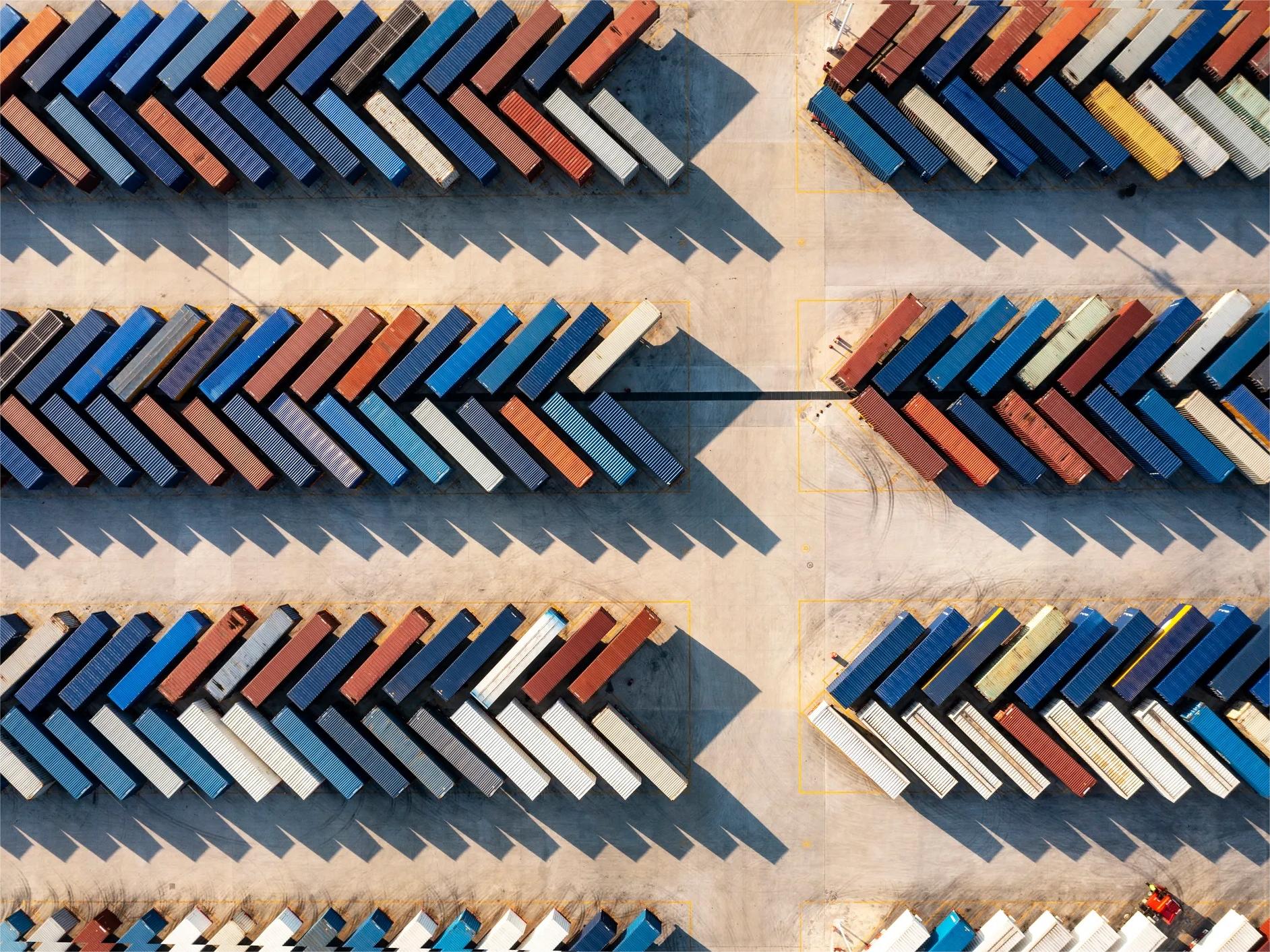
Reviewing real-world examples provides valuable insights into the practical application of these logistics strategies. Below are two scenarios based on typical market conditions in early 2026, highlighting the costs and timelines associated with different wholesale cargo types.
Case Study 1: High-Volume Consumer Goods Route: Shenzhen, China to Long Beach, USA Cargo: Home Furniture, 68 CBM, 12,500 kg Container: 40HQ (Full Container Load) Shipping Details: – Carrier/Service: COSCO Direct Service – Port of Loading: Shenzhen (Yantian) – Port of Discharge: Long Beach – Route Type: Direct Cost Breakdown: – Ocean Freight: $3,850 – Origin Charges: $450 – Destination Charges: $650 – Customs and Duties: $1,200 – Total Landed Cost: $6,150 Timeline: – Booking to Loading: 4 days – Sea Transit: 16 days – Customs Clearance: 2 days – Total Door-to-Door: 25 days Key Insight: Using a direct route to the West Coast saved 12 days compared to an East Coast discharge, allowing the wholesaler to restock before a major holiday sale.
Case Study 2: Industrial Components to Europe Route: Ningbo, China to Hamburg, Germany Cargo: Solar Panel Inverters, 15 CBM, 4,000 kg Container: LCL (Less than Container Load) Shipping Details: – Carrier/Service: Major Carrier Consolidation – Port of Loading: Ningbo-Zhoushan – Port of Discharge: Hamburg – Route Type: Transshipment via Singapore Cost Breakdown: – Ocean Freight: $1,200 – Origin Charges: $300 – Destination Charges: $550 – Customs and Duties: $900 – Total Landed Cost: $2,950 Timeline: – Booking to Loading: 6 days – Sea Transit: 32 days – Customs Clearance: 3 days – Total Door-to-Door: 45 days Key Insight: LCL was chosen to maintain cash flow, although the transshipment added 7 days to the total transit time compared to a direct FCL shipment.
What Regional Factors Affect China to Europe Freight in 2026?
Wholesalers focusing on Europe must navigate the unique regulatory environment of the European Union, including strict environmental standards for packaging and cargo handling. Furthermore, the stabilization of rail freight routes through Central Asia has provided a viable middle-ground for those seeking faster transit than sea freight but lower costs than air. Consequently, China to Europe rail freight 2026 has seen a 15% increase in volume.
Nevertheless, sea freight remains the dominant mode for bulk imports into major gateways like Rotterdam, Antwerp, and Felixstowe. Therefore, understanding the seasonal fluctuations in North Atlantic weather is crucial for planning winter shipments. Additionally, wholesalers should consider cargo insurance for wholesalers to protect against potential transit delays or damage during the long maritime journey.
Which Option Should You Choose? A Decision Framework
Determining the best shipping method depends on your specific business priorities and the nature of your cargo. If your primary goal is budget priority, we recommend FCL sea freight for any shipment exceeding 15 CBM. On the other hand, if speed priority is paramount for seasonal trends, air freight is the only viable solution despite the higher investment.
For cargo type considerations, fragile or high-value items often justify the smoother handling of air or express services. Meanwhile, volume thresholds suggest that once you reach 20 CBM, the cost of a full 20GP container is often lower than LCL rates. To summarize, a balanced approach that uses sea freight for core inventory and air freight for emergency top-offs is often the most resilient strategy for 2026.
Summary of Wholesale Shipping Success in 2026
To summarize, successful china freight for wholesalers 2026 relies on a combination of strategic planning, mode diversification, and expert partnerships. By understanding the nuances of freight rates, transit times, and customs requirements, businesses can build a resilient supply chain that withstands global market shifts. Furthermore, the integration of digital tools and sustainable practices will define the leaders in the wholesale industry throughout 2026 and beyond.
Note: Freight rates are subject to change based on fuel costs, carrier capacity, and seasonal demand. Contact us for a current quote tailored to your specific shipment.