China Freight Solution Commercial Shipping: 2026 Logistics Guide
Navigating the complexities of a china freight solution commercial shipping strategy requires a deep understanding of evolving market dynamics in 2026. As global trade volumes continue to expand, businesses must identify reliable partners like China Top Freight to manage their international supply chains effectively. This comprehensive guide explores the most efficient methods for transporting commercial goods from Chinese manufacturing hubs to global destinations while controlling costs and maintaining speed. Consequently, importers can streamline their operations and gain a significant competitive advantage in the modern marketplace.

What Defines an Effective China Freight Solution Commercial Shipping Strategy?
Developing a robust shipping strategy involves more than simply choosing the cheapest carrier available on the market. In 2026, successful businesses prioritize a balance between transit speed, reliability, and total landed cost to ensure customer satisfaction. Furthermore, the integration of real-time tracking and digital documentation has become a standard requirement for managing high-volume commercial shipments.
Choosing the right freight forwarder allows companies to navigate the intricacies of international regulations without significant delays. For example, experienced logistics providers offer insights into port congestion patterns and seasonal demand shifts that affect pricing. Additionally, a well-structured plan accounts for potential disruptions by incorporating contingency routes and flexible scheduling.
Importers must also consider the specific nature of their cargo when selecting a transportation mode. While heavy machinery requires specialized handling, consumer electronics might benefit from faster, more secure transit options. Indeed, tailoring the logistics approach to the product type is essential for minimizing damage risks and optimizing overall supply chain performance.
How Does Sea Freight Compare to Other Shipping Options?
Ocean transport remains the primary choice for most businesses seeking a cost-effective sea freight solution for large-scale inventory. As of Q1 2026, ocean freight rates have stabilized, making it the most economical method for shipping 20GP and 40HQ containers across long distances. However, the longer transit times compared to air or rail require meticulous inventory planning.
Comparing sea freight to air freight reveals a significant discrepancy in both cost and speed. While sea freight allows for massive volume at low unit costs, air freight provides the rapid turnaround necessary for time-sensitive product launches. Meanwhile, rail freight has emerged as a viable middle-ground option for shipments heading to Europe or Central Asia.
Alternative strategies often involve a mix of Full Container Load (FCL) and Less than Container Load (LCL) services. For instance, if your shipment is under 15 cubic meters, LCL might save you money, though it involves longer handling times at consolidation warehouses. Conversely, FCL offers better security and faster discharge since the container belongs entirely to one consignee.
| Shipping Method | Cost Range (USD) | Transit Time | Best For | Limitations |
|---|---|---|---|---|
| Sea Freight (FCL) | $1,500 – $4,500 | 14 – 40 Days | Bulk Goods | Slow Speed |
| Air Freight | $5.00 – $12.00/kg | 3 – 7 Days | High Value | High Cost |
| Rail Freight | $2,000 – $3,500 | 15 – 22 Days | Mid-range Budget | Limited Routes |
| Express Service | $8.00 – $15.00/kg | 2 – 5 Days | Small Samples | Very Expensive |
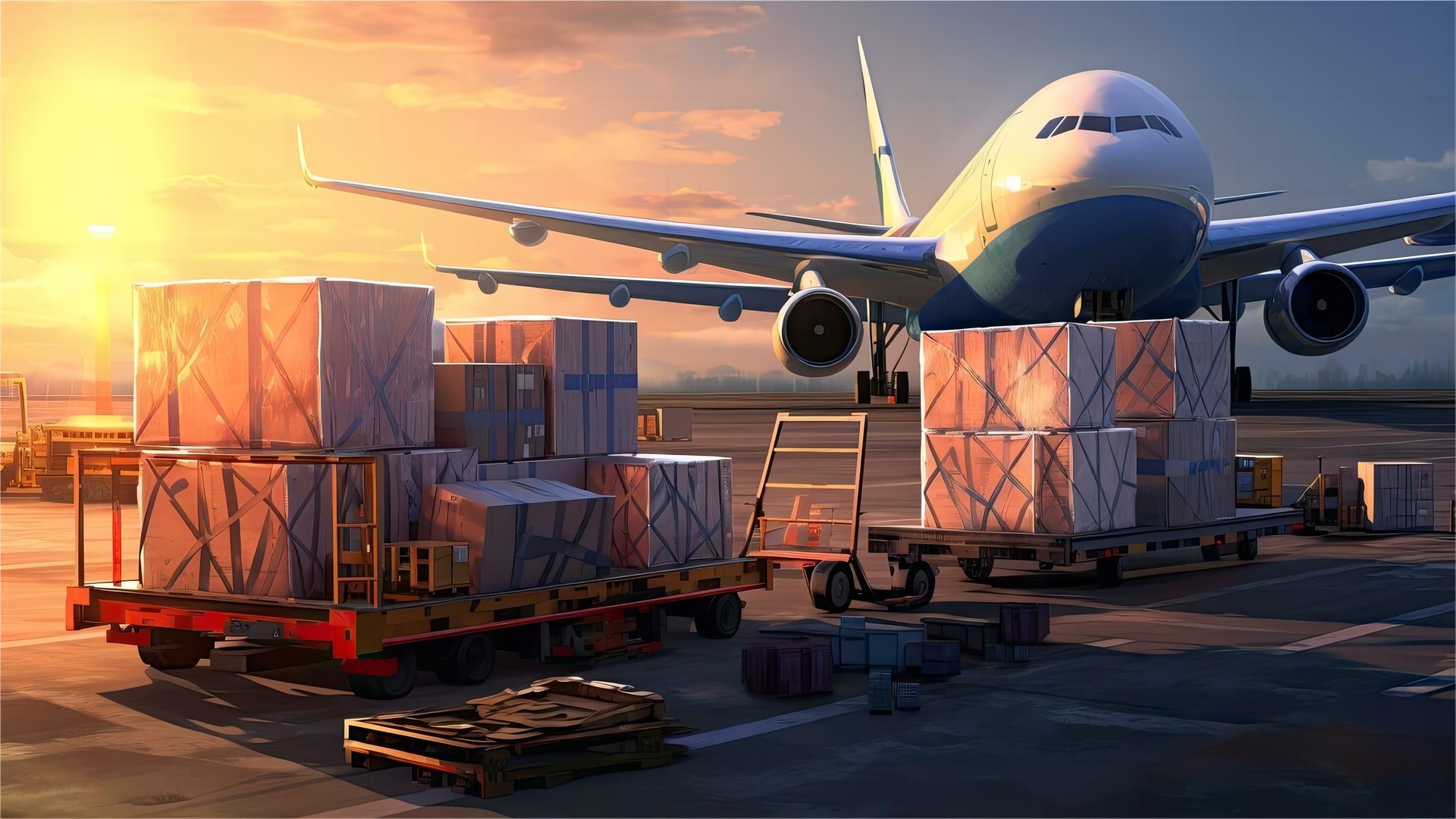
Can Air Freight Accelerate Your Supply Chain Delivery Schedule?
Utilizing air freight is often the best decision for companies dealing with perishable goods or high-tech components. Although the price per kilogram is significantly higher than ocean shipping, the reduction in lead time can prevent costly stockouts. Furthermore, air transport offers the highest level of security for sensitive commercial cargo.
Market data from early 2026 suggests that air cargo capacity has increased, leading to more competitive rates for transpacific routes. Nevertheless, businesses should still book space at least 5-7 days in advance to secure the best possible pricing. In addition, using a consolidated air service can help reduce costs for smaller commercial shipments without sacrificing too much speed.
Transitioning to air freight during peak seasons like the pre-holiday rush can be a strategic move. For example, when sea ports face congestion in October, shifting urgent inventory to the air ensures that products reach shelves on time. Consequently, many successful brands maintain a hybrid logistics model that utilizes both sea and air modes.
The Strategic Importance of Rail Freight in 2026
The expansion of the New Silk Road has made rail freight an increasingly popular china freight solution commercial shipping option for European trade. It offers a transit time that is roughly half that of sea freight while costing significantly less than air transport. Additionally, rail is often considered a more environmentally friendly alternative for large-scale commercial logistics.
Shippers often choose rail for automotive parts, industrial machinery, and consumer goods that require a faster-than-sea arrival. For instance, a shipment from Chengdu to Warsaw typically takes about 16 days, providing a reliable schedule for just-in-time manufacturing. However, rail freight is not an option for destinations like Australia or North America due to geographical constraints.
Implementing a rail-based strategy requires careful coordination with inland terminals in China. Moreover, the stability of rail rates in 2026 has provided businesses with more predictable budgeting compared to the volatile ocean market. Without a doubt, rail has become a cornerstone of transcontinental commerce for many global enterprises.
Maximizing Efficiency with Professional Customs Brokerage
Navigating the legal requirements of international trade is impossible without expert customs brokerage services. In 2026, customs regulations have become more stringent regarding sustainability documentation and product safety standards. Therefore, having a knowledgeable broker ensures that your commercial shipments comply with all local laws and avoid unnecessary seizures.
Proper classification of goods using Harmonized System (HS) codes is critical for determining the correct duty rates. For example, a minor error in classification can lead to thousands of dollars in overpaid taxes or heavy fines from customs authorities. In addition, professional brokers can help you identify applicable trade agreements that might reduce or eliminate certain tariffs.
Documentation management is another area where professional assistance proves invaluable. Specifically, the preparation of commercial invoices, packing lists, and certificates of origin must be flawless to prevent delays at the port of entry. Consequently, integrating customs expertise into your shipping solution is a fundamental requirement for commercial success.

Should You Use Amazon FBA for Your E-commerce Logistics?
Many online retailers rely on Amazon FBA to handle their storage and last-mile delivery. This service allows businesses to leverage Amazon’s massive distribution network while focusing on marketing and product development. However, the costs associated with FBA storage and fulfillment must be carefully weighed against the benefits of Prime eligibility.
Shipping commercial goods directly from China to an Amazon fulfillment center requires specific labeling and palletization standards. For instance, if your cargo does not meet Amazon’s strict requirements, it may be rejected at the warehouse door, leading to significant extra costs. Furthermore, managing inventory levels across multiple regions requires a sophisticated digital tracking system.
Alternative strategies for e-commerce include using third-party logistics (3PL) providers for warehousing and fulfillment. This approach often provides more flexibility and lower storage fees for slow-moving inventory compared to Amazon’s model. Indeed, many sellers choose a multi-channel fulfillment strategy to balance cost and customer reach.
Which Option Should You Choose? A Decision Framework
Selecting the ideal shipping method depends on your specific business priorities and cargo characteristics. If your primary goal is cost reduction and you have a flexible timeline, sea freight is the undisputed winner. On the other hand, if you are launching a new product and need immediate market presence, air freight is the necessary choice.
Volume thresholds also play a major role in the decision-making process. For shipments larger than 15 CBM, booking a 20GP container is usually more economical than paying for LCL space. Meanwhile, for very small shipments under 100kg, express courier services often provide the best value due to their all-inclusive door-to-door pricing.
Budget priority: Recommend Sea Freight (FCL). Speed priority: Recommend Air Freight or Express. Cargo type considerations: Recommend Rail for heavy industrial goods to Europe. Volume thresholds: Switch from LCL to FCL at approximately 15 cubic meters to optimize costs.
Real-World Case Studies of Commercial Shipping from China
Examining actual shipping scenarios provides valuable insights into the costs and timelines associated with modern logistics. These cases reflect the market conditions of early 2026 and demonstrate how different strategies impact the final landed cost of goods. Each example highlights the importance of choosing the right mode and carrier for specific business needs.
Case Study 1: Electronics Distribution to USA. Route: Shenzhen to Los Angeles. Cargo: 500 units of high-end tablets, 4 CBM, 1,200 kg. Method: Air Freight. Cost: $7,200. Transit Time: 5 days. Key Insight: High-value electronics justified the air freight cost to meet a specific retail launch date.
Case Study 2: Industrial Machinery to Germany. Route: Ningbo to Hamburg. Cargo: CNC Machine, 28 CBM. Container: 40GP. Method: Sea Freight (Direct). Cost: $3,850. Transit Time: 32 days. Key Insight: Direct sea routing saved 6 days compared to transshipment via Singapore, ensuring the factory remained on schedule.
Case Study 3: Furniture Retail to Australia. Route: Shanghai to Sydney. Cargo: Assorted Home Furniture, 12 CBM. Method: LCL Sea Freight. Cost: $1,450. Transit Time: 18 days. Key Insight: LCL was the most economical choice for this volume, despite the additional 3 days required for deconsolidation at the destination port.
Mastering Your Commercial Shipping Strategy
To summarize, finding the right china freight solution commercial shipping requires a comprehensive analysis of cost, speed, and reliability. By leveraging the strengths of sea, air, and rail freight, businesses can build a resilient supply chain that withstands market fluctuations. Furthermore, partnering with experienced professionals for customs brokerage and freight forwarding ensures that your operations remain efficient and compliant.
As we move through 2026, the importance of digital integration and strategic planning will only continue to grow. We encourage you to evaluate your current shipping methods and consider the alternative strategies discussed in this guide. Ultimately, the right logistics partner will help you navigate the complexities of international trade and achieve long-term commercial success.
Ready to streamline your logistics?
Contact us today to receive a customized quote for your next commercial shipment from China. Our experts are ready to optimize your supply chain and provide the most reliable china freight solution commercial shipping available in 2026.
Request Quote