

China Freight Solution Best Strategies for Global Logistics 2026
“Navigating the complexities of international trade requires a strategic approach to logistics and supply chain management. Finding the china freight solution best suited for your specific business model is critical for maintaining profitability in 2026. This comprehensive guide will analyze modern shipping methods to ensure your cargo arrives safely and efficiently.”
What Defines the China Freight Solution Best for Your Business?
❖Identifying the ideal logistics strategy involves balancing transit time with overall shipping costs. Moreover, businesses must evaluate their specific cargo handling requirements to avoid unnecessary delays at the port of loading. Consequently, a tailored approach often yields the most significant savings for high-volume importers.

Selecting a partner who understands the nuances of the 2026 market is equally important for long-term success. Indeed, the logistics landscape has shifted significantly following recent global infrastructure developments. Therefore, staying informed about current freight rates and carrier capacity is essential for every procurement manager.
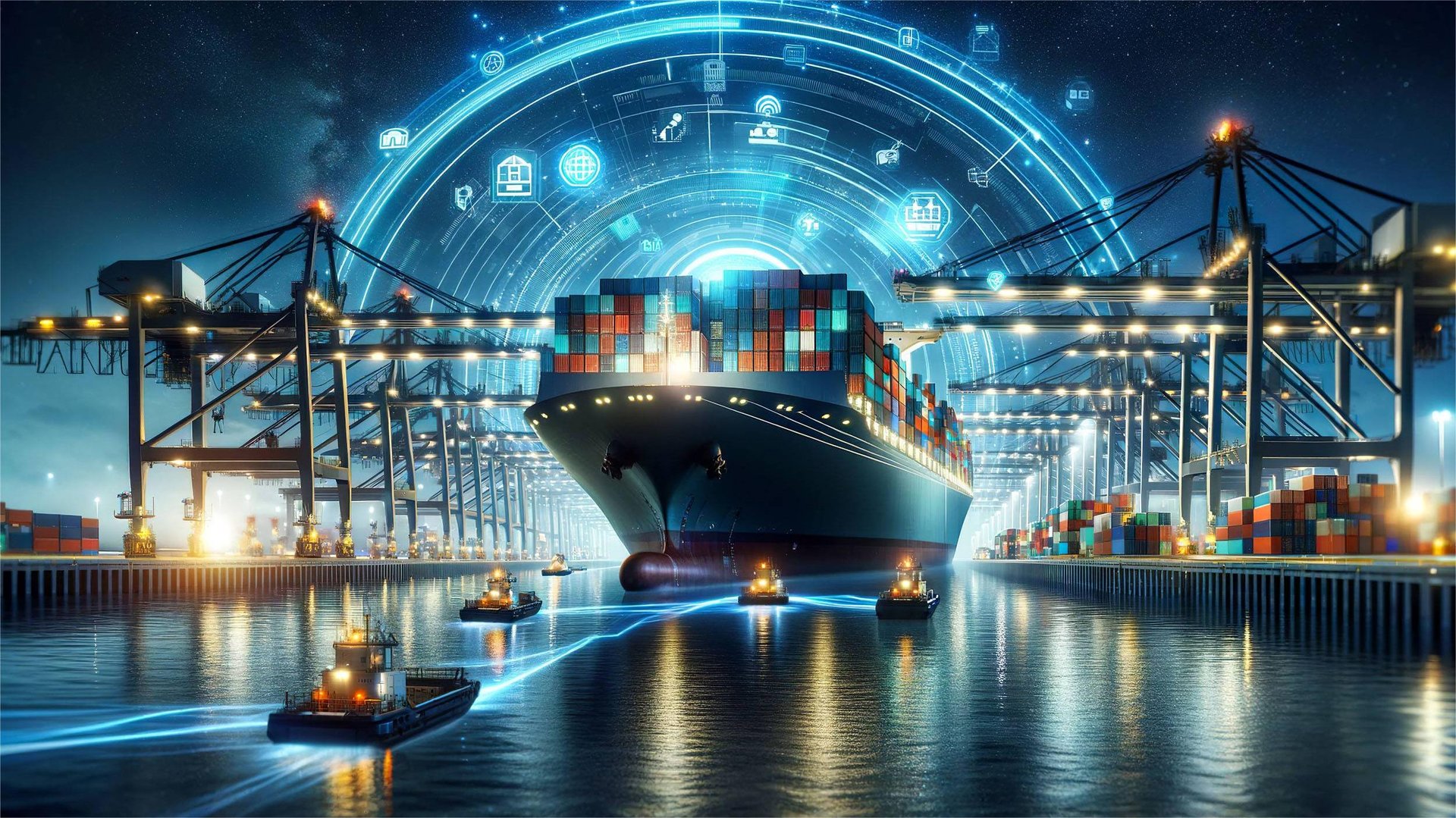
Furthermore, modern technology now allows for better visibility throughout the entire delivery schedule. This transparency enables companies to manage inventory levels more effectively while reducing the risk of stockouts. As a result, the most effective logistics plans prioritize data integration and real-time tracking capabilities.
How Does Sea Freight Compare to Other Shipping Options?
❖Ocean transport remains the backbone of global trade due to its massive capacity and cost-effectiveness. For instance, sea freight is typically the most economical choice for transporting large quantities of goods over long distances. However, the longer transit time requires businesses to plan their inventory cycles well in advance.
Alternatively, rail and air options offer different benefits depending on the urgency of the shipment. While sea freight costs $3,000-4,200 for a 40HQ to Europe, air freight for the same volume would cost significantly more but arrives in days. Meanwhile, rail transport provides a middle ground for Eurasian routes, offering faster speeds than ships at lower costs than planes.
Specifically, for shipments under 15 CBM, LCL at $50-80/CBM may be more economical than a full container. On the other hand, direct routes cost 10-15% more but save 5-7 days compared to transshipment via major hubs. Consequently, importers must weigh these trade-offs based on their specific budget and timeline constraints.
| Shipping Method | Cost Range | Transit Time | Best For |
|---|---|---|---|
| Sea Freight | $1,500 – $6,000 | 14 – 45 Days | Large/Heavy Bulk |
| Air Freight | $5 – $12 per kg | 3 – 7 Days | Urgent/High Value |
| Rail Freight | $1,800 – $3,500 | 18 – 25 Days | Eurasian Land Bridge |
| Express | $8 – $15 per kg | 2 – 5 Days | Small Parcels |
Why is Rail Freight Gaining Popularity in 2026?
❖Infrastructure improvements across the Eurasian corridor have made rail freight a highly reliable alternative for many shippers. Notably, this method bridges the gap between the slow pace of ocean vessels and the high expense of air transport. Therefore, many European businesses are diversifying their supply chains to include more rail-based solutions.
Additionally, rail transport is often cited as a more environmentally friendly option compared to air or road transport. As sustainability becomes a priority for global brands, rail logistics offer a way to reduce the carbon footprint of the supply chain. Consequently, freight rates for rail have remained competitive despite fluctuations in energy prices.
Furthermore, the consistency of rail schedules allows for precise planning of the delivery schedule. Unlike sea freight, which can be affected by weather conditions and port congestion, rail transit is relatively stable. Indeed, this reliability is a key factor for companies managing just-in-time manufacturing processes.
Can Air Freight Justify its Cost for Urgent Cargo?
❖Speed is often the primary driver for choosing air freight services in a competitive market. For example, electronics and fashion industries frequently rely on air transport to meet rapid consumer demand cycles. Nevertheless, the high cost per kilogram means this method is usually reserved for high-margin or time-sensitive items.
Moreover, air cargo handling procedures are generally more streamlined than those for ocean containers. This efficiency leads to faster customs clearance and reduced risk of damage or theft during transit. Accordingly, businesses often find that the higher shipping costs are offset by lower insurance premiums and inventory holding costs.
However, shippers should always obtain multiple quotes to ensure they are receiving the best possible rates. Market data suggests that air freight prices can fluctuate significantly based on seasonal demand and fuel surcharges. To summarize, air transport is an invaluable tool for maintaining agility in an unpredictable global market.
Do You Need a Customs Brokerage Service for China Imports?
❖Navigating the complex regulations of international trade is a daunting task for many growing businesses. Utilizing a professional customs brokerage ensures that all documentation is accurate and compliant with local laws. Without a doubt, this service prevents costly delays and potential fines at the port of entry.
In addition, experienced brokers can help identify opportunities for duty drawbacks and tax exemptions. They possess the expertise required to classify goods correctly under the Harmonized System codes. Consequently, many importers find that the cost of hiring a broker is quickly recovered through improved efficiency and lower duties.
Furthermore, the customs landscape is constantly evolving, with new trade agreements and tariffs being introduced regularly. A dedicated brokerage partner stays informed about these changes so you do not have to. Therefore, integrating customs expertise into your logistics strategy is a hallmark of the china freight solution best suited for modern trade.
Which Option Should You Choose? Decision Framework
❖Choosing the right method depends on your specific priorities regarding budget, speed, and cargo type. If your primary goal is cost reduction for non-urgent goods, ocean freight is almost always the superior choice. Conversely, if you are launching a new product and need immediate market presence, air freight is the logical path.
Consider a hybrid approach such as sea-air combinations for a balance of cost and speed. This strategy involves shipping goods by sea to a hub like Dubai and then flying them to the final destination. In contrast, for shipments within the Eurasian continent, rail offers a compelling mix of efficiency and reliability.
Lastly, always factor in the total landed cost rather than just the initial freight rate. This includes customs duties, insurance, and local trucking fees for door to door delivery. By analyzing these factors holistically, you can determine the logistics plan that provides the most value to your organization.
| Priority | Recommended Method | Cost Level | Speed Level |
|---|---|---|---|
| Budget First | Sea Freight (FCL) | Lowest | Slow |
| Maximum Speed | Air Freight / Express | Highest | Fastest |
| Balance | Rail Freight / LCL | Medium | Moderate |
| Convenience | Door-to-Door Service | Varies | Standard |
Real-World Case Studies in 2026
❖Case Study 1: High-Volume Electronics Distribution. Route: Shenzhen, China to Los Angeles, USA. Cargo: Consumer electronics, 68 CBM, 12,000 kg. Container: 40HQ. Carrier: Major carrier. Port of Loading: Shenzhen. Port of Discharge: Los Angeles. Route Type: Direct. Ocean Freight: $3,200. Origin Charges: $450. Destination Charges: $600. Customs and Duties: $4,500. Total Landed Cost: $8,750. Timeline: 16 days door-to-door. Key Insight: Using a direct route saved 6 days compared to transshipment, allowing the client to meet a critical launch window.
Case Study 2: Industrial Machinery for European Factory. Route: Ningbo, China to Hamburg, Germany. Cargo: Precision tools, 12 CBM, 4,500 kg. Container: LCL. Carrier: Major carrier. Port of Loading: Ningbo. Port of Discharge: Hamburg. Route Type: Transshipment via Singapore. Ocean Freight: $960. Origin Charges: $300. Destination Charges: $400. Customs and Duties: $2,200. Total Landed Cost: $3,860. Timeline: 34 days door-to-door. Key Insight: LCL was 40% cheaper than booking a 20GP container for this volume, based on Q1 2026 market rates.
Note: Freight rates are subject to change based on fuel costs, carrier capacity, and seasonal demand. Contact us for a current quote tailored to your specific shipment.
Conclusion
In conclusion, the china freight solution best for your business is one that aligns with your specific operational goals and budget constraints. Whether you prioritize the speed of air transport or the economy of sea freight, understanding the 2026 market is essential. By leveraging the right shipping modes and professional services, you can ensure a resilient and efficient supply chain.
Furthermore, the integration of technology and professional customs brokerage will continue to play a pivotal role in logistics success. As global trade routes evolve, staying adaptable and informed will remain your greatest competitive advantage. Trusting an experienced logistics partner can help you navigate these changes with confidence and ease.
Ready to streamline your logistics?
Optimizing your supply chain starts with finding the china freight solution best for your unique business needs. Contact China Top Freight today to receive a customized quote and expert guidance on your next international shipment. Visit our website to learn more about our comprehensive logistics services and start saving on your shipping costs today.
Request Quote