

China to India Door to Door Service: Complete Shipping
Navigating a China to India door to door service requires precise management of cross-border documentation and customs compliance. China Top Freight ensures seamless pickup, ocean or air freight, and final delivery across India.
Key Takeaways
Lock documents and Incoterms early for china to india door to door service.
Confirm handoff SLAs and exception paths before cutoffs.
Validate live rates — published ranges drift with capacity.
What Shipping Methods Work from China to India? (Air vs Ocean vs Rail vs Express)

Operational execution across these varied modes depends on precise documentation and strict adherence to regulatory standards at both origin and destination points. Exporters must secure a valid China Customs Export Declaration before releasing cargo to any carrier terminal, ensuring that commodity descriptions match commercial invoices and packing lists exactly. Forwarding partners coordinate container stuffing, airport transfers, and carrier handoffs while monitoring vessel or flight tracking metrics. By establishing clear milestones for each transport leg, logistics teams mitigate the risk of demurrage charges, missed carrier cut-offs, and avoidable customs inspection holds upon arrival at Indian ports of entry. See Service link for options that match this corridor.
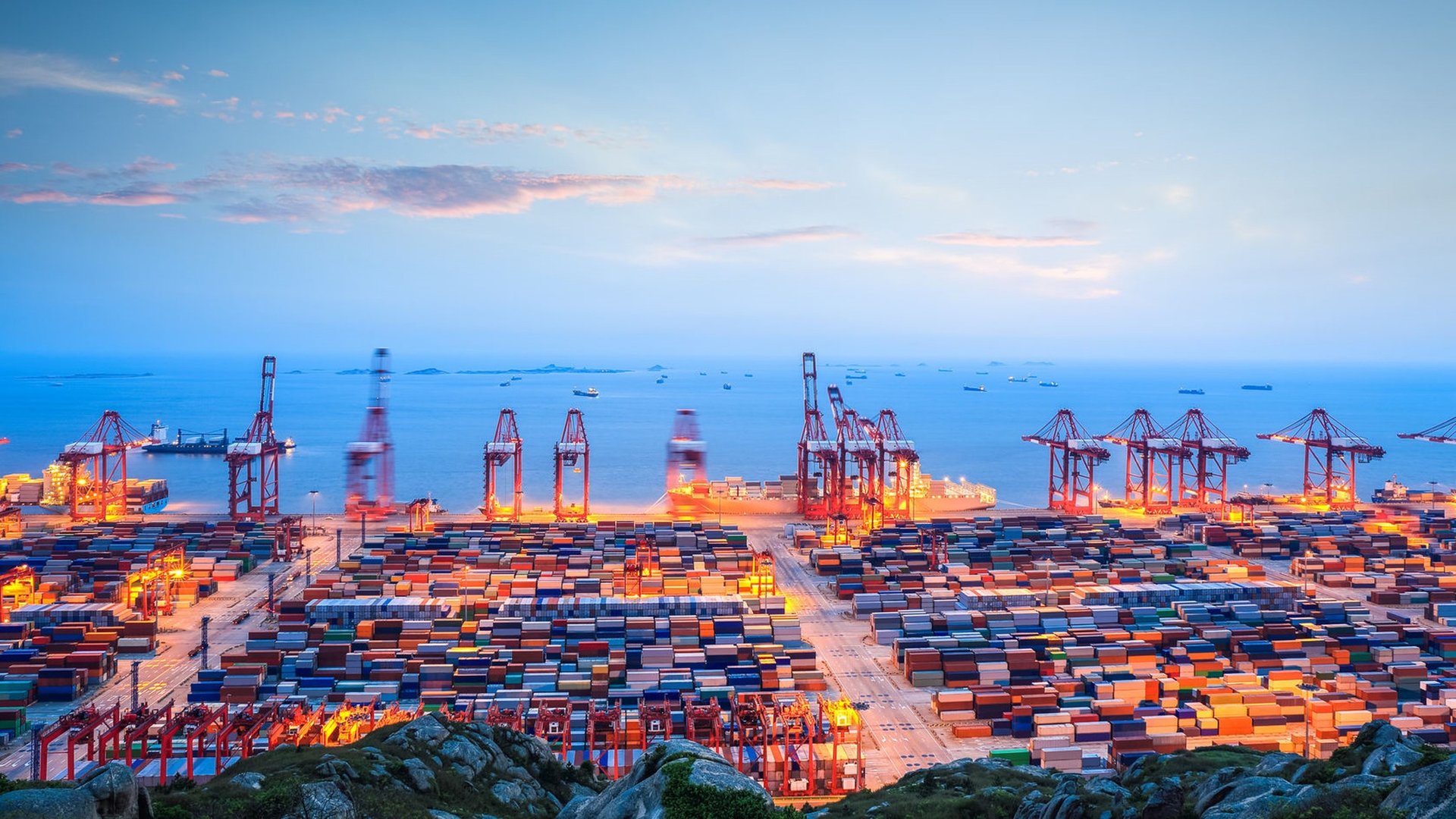
China Top Freight manages diverse transport corridors from mainland production hubs to Indian commercial centers, balancing speed requirements with dimensional parameters. For time-sensitive samples or high-value components, dedicated air freight charters or consolidated flights connect major Chinese terminals like PVG or CAN directly to DEL or BOM within a few days. Meanwhile, bulk industrial machinery and high-volume retail stock predominantly move via ocean freight, routing through key Chinese ports such as Shanghai and Ningbo into Nhava Sheva or Mundra. Treat free-time erosion as a controllable cost driver on every corridor award.
Choosing the appropriate transport mode requires evaluating cargo dimensions, commercial urgency, and total budget constraints before booking space with carriers. Ocean options provide the lowest per-unit cost for heavy or oversized consignments, though transit times stretch across multiple weeks once port congestion and customs clearances are factored into the schedule. Air shipping compresses transit to under a week but introduces strict volumetric weight pricing calculations that penalize bulky, lightweight packaging. Shippers must weigh these operational realities against their inventory buffer targets, ensuring that unexpected factory delays in China do not force expensive last-minute upgrades to express services.
Common mistake: Providing inaccurate CBM dimensions, leading to unexpected volumetric dead-space surcharges.
Risk alert: Missing documentation or inaccurate shipping marks at CFS intake triggers mandatory export holds.
What Drives Landed Cost & Surcharges from China to India? (PSS, GRI, Free Time)
Demurrage and detention exposures represent another critical cost driver that can quickly erode projected profit margins if container turnaround times slip. Port operators and container shipping lines grant a limited window of free time for container unloading, customs clearance, and empty return. When administrative bottlenecks or delayed duty payments prevent timely pickup, heavy daily penalties accumulate rapidly at congested gateway terminals like Chennai or Nhava Sheva. Forwarding partners mitigate this financial exposure by pre-lodging import documentation and coordinating drayage trucking well in advance of vessel arrival dates. Align inland pickup with CY cut-offs so detention clocks do not start unexpectedly.
Regulatory compliance factors and statutory tax calculations complete the landed cost equation for shipments moving from Chinese production bases to Indian markets. Importers must account for applicable basic customs duties alongside the Goods and Services Tax framework, which varies depending on the specific harmonized system classification of the imported commodities. Standard Electronic Entry filings submitted through National Customs Authority portals ensure that tax assessments are processed accurately without triggering costly audit reviews. By bundling freight, local cartage, and compliance management into a single transparent quote, businesses maintain strict financial control over their international supply chain.
Once transport modes are shortlisted, calculating the true landed cost requires analyzing baseline freight rates alongside a complex array of variable surcharges and local fees. Ocean carriers frequently apply Peak Season Surcharges during high-demand export windows out of China, while General Rate Increases alter baseline slot pricing with minimal advance notice. India terminals in India introduce additional terminal handling charges, container cleaning fees, and documentation costs that directly impact the bottom line. Shippers working with China Top Freight receive comprehensive pricing breakdowns that account for these volatile carrier adjustments before cargo departs the factory floor.
Common mistake: Assuming non-stackable pallets bill the same as stackable freight at CFS.
Risk alert: Late supplier CRDs past CFS receiving force split shipments and storage fees.
What Is the Volume Tipping Point (LCL vs FCL) on China to India?
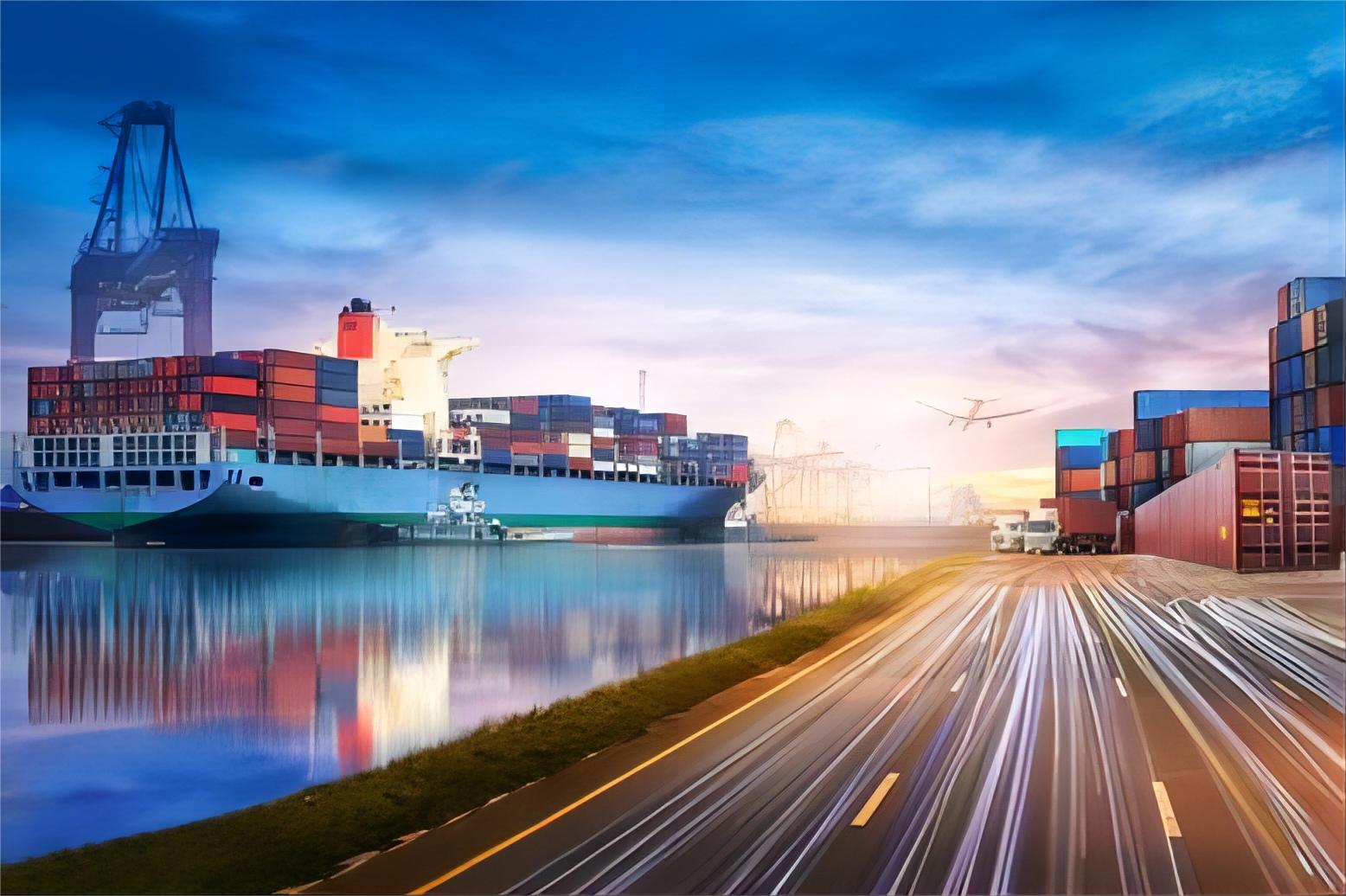
With the cost band locked, determining the optimal volumetric threshold between container load options remains vital for maximizing transport efficiency on the corridor. Generally, consignments measuring under twelve to fifteen cubic meters find better financial alignment utilizing Less than Container Load consolidation, where shippers share container space and proportional expenses. Exceeding this dimensional threshold typically shifts economic advantage toward Full Container Load arrangements, granting exclusive access to twenty-foot or forty-foot equipment regardless of whether the interior is completely filled to capacity. See Service link for options that match this corridor.
Choosing Full Container Load operations even when space is not fully maximized often delivers distinct advantages regarding transit speed and cargo safety. LCL shipments require consolidation at origin warehouses in China and de-consolidation processes at destination CFS stations in India, which naturally introduces multiple handling touchpoints and potential turnaround delays. FCL units bypass these intermediate consolidation hurdles entirely, moving sealed directly from the shipper’s loading dock to the consignee’s warehouse door. This direct routing significantly reduces the risk of carton damage, missing inventory, and secondary inspection holds. Pre-alert destination free time and confirm empty-return windows before gate-out on checkpoint 1. See Service link for options that match this corridor.
Along the China–India trade lane, booking discipline starts with published cut-offs and a locked cargo-ready window. Confirm document owners and free-time clocks before award so rolled sailings do not become silent invoice shock. Keep one ops brief for the booking desk, the broker, and last-mile appointments. Defend destination free time with pre-alerts, broker SLAs, and delivery appointment locks before demurrage clocks start. Itemize peak surcharges, terminal handling, and exam disbursements so landed invoices never hide accessorial shock. Reconcile ASN, carton marks, and consignee data before gate-in so destination release does not stall on mismatches.
| Mode | Typical Volume Fit | Primary Cost Drivers | Best When |
|---|---|---|---|
| FCL (20GP / 40HQ) | ≈15+ CBM or dense weight | Ocean base + OTHC/DTHC + demurrage risk | You can fill most of a box or need seal integrity |
| LCL / consolidation | ≈1–12 CBM | CBM rate + CFS + longer dwell | Mixed SKUs below FCL economics |
| Air freight | Chargeable kg (1:167) | Chargeable weight + fuel + security | Transit critical under ~7–10 days |
| Express / courier | Small parcels / samples | Zone + weight slabs | Documents, samples, micro-replenishment |
Common mistake: Skipping ISPM-15 / mark checks before CFS intake and paying restrap fees later.
Risk alert: Destination CFS free dwell is often only 3–5 days—unclaimed LCL accrues fast.
How Long Does It Take to Ship from China to India? (Port-to-Port & Door-to-Door)
Once the mode is chosen, predictability on India-bound shipments from China depends on cut-off discipline and destination dwell. A missed cargo-ready window rolls the booking even when the vessel itself is on time. Keep one calendar that shows factory handoff, mainhaul, release, and dock appointment so sales dates are not built on mainhaul days alone. Confirm empty-return windows before detention clocks start after gate-out. Pre-clear packing-list piece counts against the commercial invoice before CFS gate-in. Hold an alternate feeder path when mainhaul blankings threaten the published ETA. See air freight for options that match this corridor.
Building upon the volume tipping point decisions established previously, planning actual transit time requires looking beyond ocean or air mainhaul durations to include complete door-to-door cycles. Port-to-port maritime transit from major Chinese export hubs like Shanghai or Shenzhen to Indian destination ports such as Nhava Sheva or Mundra typically spans 12 to 18 days depending on direct vessel loops or transshipment schedules via Singapore or Colombo. However, executing a seamless china to india door to door service involves factoring in origin trucking, China Customs Export Declaration processing, vessel cutoff compliance, and destination port terminal handling charges.
Importers must account for port congestion, customs inspection holds, and final-mile drayage or distribution trucking, which routinely push total door delivery windows out to 25 or 35 days for standard ocean shipments. For urgent inventory or high-value components where ocean transit is too slow, air freight cuts airport-to-airport transit down to 3 to 5 days, with complete door-to-door express or air cargo solutions completing the journey in 6 to 9 days. Factoring in documentation milestones and National Customs Authority release timelines ensures that your supply chain maintains predictable inventory buffers throughout peak shipping seasons. See services for options that match this corridor.
| Leg | Ocean Band | Air Band | Planning Note |
|---|---|---|---|
| export factory gate → POL/CY | 2–7 days | 1–3 days | Cargo-ready vs booking cut-off |
| Mainhaul | Lane-typical sailing/flight | Direct or hub | Blank sailing / peak buffers |
| POD/airport → release | 1–5 days | 0.5–2 days | Entry data & exam risk |
| Last-mile appointment | 1–4 days | Same-day–2 days | Dock / FC window locks |
Common mistake: Confirming carrier cut-offs only after cargo is ready erodes peak-season options.
Risk alert: Transit milestone variance needs an explicit operational buffer before peak cutoffs.
Which India Customs, Duties, and GST Rules Affect Landed Cost?
Peak surcharges and free-time clocks on the China–India corridor change total cost as much as the base ocean rate. Require GRI/PSS trigger dates and named detention owners in the quote before award. An all-in figure that hides destination delivery is not a comparable bid. Confirm named owners for booking cut-offs, document packs, and free-time clocks in one shared ops brief before award. Reconcile product descriptions against official tariff schedules so valuation stays accurate before the entry is lodged. Publish a rollover contingency path for blank sailings and feeder congestion so peak capacity awards stay auditable.
Peak surcharges and free-time clocks on India-bound shipments from China change total cost as much as the base ocean rate. Lock document ownership early so broker cut-offs do not collide with terminal appointments on checkpoint 2. Track berth windows and hold an alternate sailing when blankings threaten the ETA on checkpoint 3. Lock cargo-ready windows against CY cut-offs so rolled sailings do not burn free equipment days. Separate contractual freight from peak GRI/PSS bands before finance signs the award sheet. Keep broker response SLAs on the same brief as destination delivery appointments.
Once transit schedules are mapped, calculating accurate landed costs requires a thorough understanding of India’s statutory import taxes and regulatory compliance frameworks. The National Customs Authority mandates Standard Electronic Entry filings supported by commercial invoices, packing lists, bills of lading, and accurate Harmonized System classification codes to determine exact duty liabilities upon arrival. Beyond basic customs duty assessed on the CIF value of the shipment, importers must account for statutory levies including the Goods and Services Tax (GST), social welfare surcharges, and potential anti-dumping duties applicable to specific industrial or steel categories originating from China. See Service link for options that match this corridor.
| Cost Component | Typical Assessment Base | Who Usually Pays | Planning Note |
|---|---|---|---|
| CIF / customs value | Goods value + freight + insurance (as declared) | Importer of record | Wrong valuation drives duty and GST miscalculation |
| Import duty / tariff | % of customs value by HS chapter | Importer / DDP seller (by Incoterms) | Confirm HS binding before award |
| GST | Duty-paid value (or local statutory base) | Importer / fiscal representative | Confirm statutory GST filing basis before entry |
| Customs broker / clearance fee | Per entry or per shipment band | Importer / nominating party | Separates from freight; exams add extras |
| Exam / storage / disbursement | Event-driven (exam, demurrage, advance) | Importer / broker client account | Often outside base ocean/truck quote |
Common mistake: Waiting for CY gate-in before locking inland haulage creates free-time exposure.
Risk alert: Blank sailings and roll risk require a documented contingency booking path.
How Should Buyers Choose a Reliable Freight Forwarder for China to India?
With customs and tax frameworks clearly defined, selecting the right logistics partner is the ultimate safeguard for your cross-border supply chain between China and India. Shippers should evaluate prospective forwarders based on their established operational footprint in both origin manufacturing clusters and destination Indian commercial hubs, rather than relying solely on low base freight quotations. A reliable partner must demonstrate deep expertise in managing China Customs Export Declaration protocols alongside robust local agency networks capable of handling complex inland clearance and final-mile delivery. Validate HS codes and preferential proofs before the commercial invoice pack is sealed on checkpoint 4.
Section 6.2 on China to India: A reliable partner on the China–India trade lane publishes cut-offs, free-time assumptions, and claim contacts before the first booking. Credentials for origin and destination belong on the same checklist as the rate. Run one controlled shipment with photo milestones before scaling, so invoice disputes have an owner. Align inland pickup with CY cut-offs so detention clocks do not start unexpectedly on checkpoint 5. Publish named owners for customs release, equipment return, and re-delivery milestones on checkpoint 6. Reconcile ASN, carton marks, and consignee data before gate-in stalls destination release on checkpoint 7.
Section 6.3 on China to India: A reliable partner on shipping from China to India publishes cut-offs, free-time assumptions, and claim contacts before the first booking. Itemize peak surcharges, terminal handling, and exam disbursements on the landed invoice on checkpoint 8. Confirm who owns terminal release status once the local authority clears the entry on checkpoint 9. Keep contingency routing on the same ops brief as the primary sailing award on checkpoint 10. Treat free-time erosion as a controllable cost driver on every corridor award on checkpoint 11.
Common mistake: Treating guide transit days as hard SLAs without buffer invites demurrage.
Risk alert: Port congestion can invalidate published ETAs — track actual vessel berth windows.
Decision Framework
By volume: Under ~12–15 CBM, LCL or air samples often win; above that, FCL economics dominate unless urgency forces air.
By speed: Choose air door-to-door for urgent samples or high-value electronics needing 3-7 day delivery.
By cargo profile: Battery, hazmat, or high-value SKUs change mode eligibility and insurance before rate shopping.
Real-World Corridor Case Studies
A India retailer split urgent styles by air and bulk by ocean FCL into destination gateway terminals. Publishing door-to-door bands with customs entry buffers cut stock-out weeks without overpaying air on all SKUs.
A first-time India importer quoted LCL at 9 CBM then rebuilt the award at 18 CBM FCL. Itemizing CFS vs box economics and destination entry cost timing prevented a false “cheapest” LCL decision.
Execution Checklist for China to India
Decide China to India on mode fit, landed-cost bands, and dest compliance — not a single sailing quote.
Lock documents, free-time clocks, and forwarder credentials before the first booking. Keep this checklist handy when advancing a china to india door to door service.
Process and Checkpoints
Cargo Profile Lock
Confirm CBM/kg, packing type, and Incoterms before comparing modes.
Mode Shortlist
Map air / ocean FCL / LCL / rail / express against urgency and cube.
Cost Band Build
Separate base freight, origin/destination fees, duties/GST, and accessorial risk.
Volume Gate
Lock LCL vs FCL vs air tipping point against the cost band before transit promises.
Transit Calendar
Publish port-to-port and door-to-door bands with peak buffers.
Dest Compliance & Provider Award
Align entry docs and GST path, then award forwarder with a written trial SOP.
Confirm the right route for your shipment
Optimize Your China to India Shipping Partner with China Top Freight for reliable door-to-door logistics solutions tailored to your supply chain needs. Get a Quote
Request a route reviewFrequently Asked Questions
What China customs export inspection steps apply before ocean containers gate in?
Exporters should align commercial invoice, HS codes, and packing list with physical cargo before customs release; mismatches trigger holds and re-inspection fees. Confirm CY or CFS cut-offs before cargo is tendered on this corridor.
When should buyers switch from CFS LCL to a dedicated FCL buy-out?
Around 15 CBM and above, an FCL buy-out often beats shared CFS unit costs—especially with non-stackable freight. Name the broker owner for entry data before free-time clocks start.
Which export documentation must align before origin customs release and port gate-in?
Commercial invoice, packing list, HS codes, and Incoterms should match the physical load before the origin export declaration and port gate-in. Reconcile packing-list piece counts with the commercial invoice pack early.
How does the 1:167 volumetric ratio affect LCL freight invoices?
Carriers bill the greater of actual weight or volumetric weight using about 167 kg per CBM. Light cartons often pay on volume. Pre-alert destination release so terminal dwell does not erode free time.
What happens if supplier cargo arrives after the CFS consolidation cut-off?
Late lots are typically rolled to the next consolidation cycle, accruing storage and risking split shipments. Lock empty-return windows before detention accrues after gate-out. Validate HS codes and preferential proofs inside the invoice pack before tender.
Where does the forwarder take custody of multi-supplier cargo at origin?
Custody usually transfers at CFS receiving after piece count and mark checks. Validate HS codes and preferential proofs inside the invoice pack before tender. Confirm CY or CFS cut-offs before cargo is tendered on this corridor.
Rates, transit times, and accessorials change with capacity, fuel, and peak-season surcharges. Treat figures as planning ranges — confirm a live quote before booking.
This guide is operational education, not legal, customs, or insurance advice. Validate filings and coverage with licensed partners for your shipment.