

Importing computer parts shipping from China is a vital part of the global electronics supply chain. Whether you’re sourcing CPUs, GPUs, motherboards, or accessories, choosing the right shipping method and logistics partner ensures that your goods arrive quickly, safely, and cost-effectively. This comprehensive guide covers everything from shipping options and costs to customs clearance and documentation, helping importers streamline their process confidently.

1. Why Source and Ship Computer Parts from China?
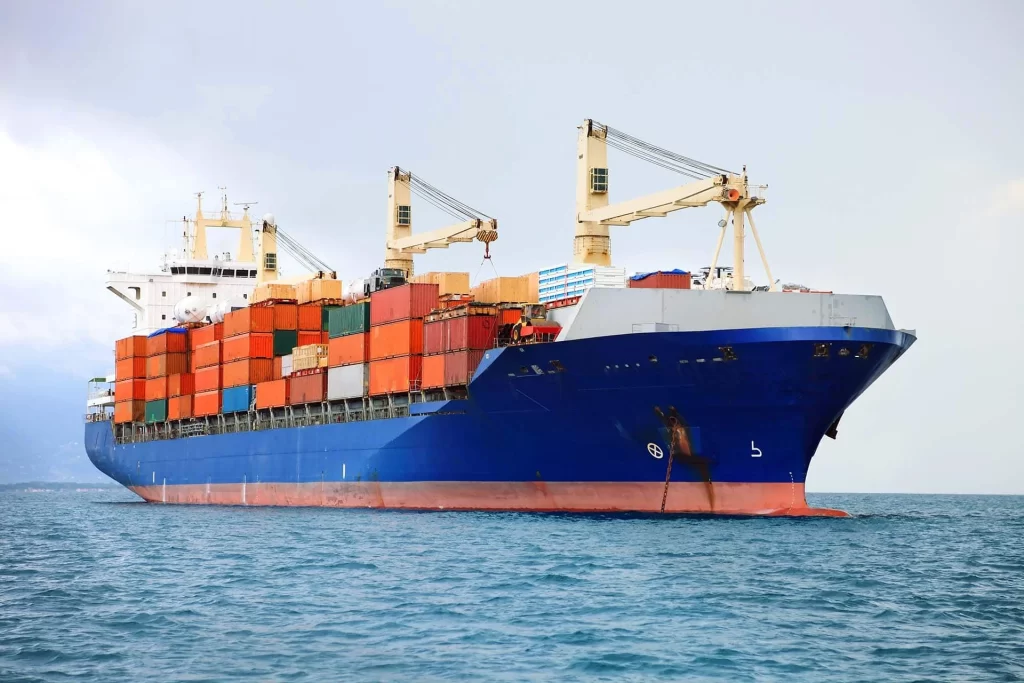
China dominates the global electronics manufacturing sector, producing a significant share of the world’s computer hardware. From Shenzhen’s tech hubs to Shanghai’s industrial zones, Chinese suppliers provide both affordability and quality.
Top Reasons to Import Computer Parts from China:
- Competitive pricing: Manufacturing efficiency and large-scale production lower costs.
- Wide product range: Access to components like SSDs, memory modules, GPUs, and power supplies.
- Flexible shipping options: Sea, air, courier, and rail freight options available.
- Strong export infrastructure: Advanced ports and logistics networks.
However, since computer parts are high-value and often fragile, selecting the correct shipping method and customs strategy is crucial to prevent loss or damage.
2. What Are the Main Shipping Methods for Computer Parts from China?
| Shipping Method | Transit Time | Cost Level | Best For | Pros | Cons |
|---|---|---|---|---|---|
| Air Freight | 5–10 days | High | Urgent or valuable parts | Fast & secure | Expensive for bulk shipments |
| Sea Freight (FCL/LCL) | 25–40 days | Low | Large orders or heavy equipment | Cheapest per unit | Slow delivery |
| Courier Express (DHL, FedEx) | 3–7 days | Very High | Small parcels or samples | Door-to-door, easy tracking | Costly for large volume |
| Rail Freight (to Europe) | 15–22 days | Medium | Mid-sized shipments to EU | Balance of speed & cost | Limited to Eurasian routes |
Pro Tip: For lightweight, high-value shipments like CPUs or GPUs, air freight or express courier is best. For bulk components, sea freight offers the best cost efficiency.
3. How Much Does It Cost to Ship Computer Parts from China?
Shipping rates depend on factors such as cargo weight, volume, route, and service type.
| Method | Estimated Cost (USD) | Details |
|---|---|---|
| Sea Freight (20ft FCL) | $1,200–$1,700 | For heavy or bulky components |
| Sea Freight (LCL) | $60–$90/CBM | For mixed or small orders |
| Air Freight | $6–$10/kg | For valuable or time-sensitive goods |
| Express Courier (DHL, UPS) | $9–$15/kg | Fastest option for small shipments |
| Rail Freight (to Europe) | $2,000–$3,000/container | Moderate cost, eco-friendly |
Note: Prices may fluctuate with fuel surcharges, peak season demand, and customs duties.
What are you waiting for?
Contact chinatopfreight for a fast, free quote.
Are you ready to book?
Access live instant freight quotes
4. How Long Does Shipping Take from China for Computer Parts?
Transit time varies depending on the destination, shipping mode, and customs processing.
| Route | Shipping Method | Estimated Transit Time |
|---|---|---|
| China → USA (West Coast) | Sea Freight | 25–30 days |
| China → USA (East Coast) | Sea Freight | 35–40 days |
| China → UK / Germany | Rail Freight | 15–22 days |
| China → Canada | Air Freight | 5–8 days |
| China → Australia | Sea Freight | 20–28 days |
| China → Europe | Air Freight | 5–10 days |
Therefore, if you need just-in-time deliveries for assembly lines or e-commerce orders, air freight or express is the ideal choice.
5. What Customs Documents Are Needed for Computer Parts Shipping from China?
| Document | Purpose | Issued By |
|---|---|---|
| Commercial Invoice | Declares goods’ value and HS code | Supplier |
| Packing List | Lists quantity, weight, and packaging | Supplier |
| Bill of Lading (B/L) | Proof of shipment ownership | Carrier |
| Certificate of Origin | Confirms manufacturing location | Chamber of Commerce |
| Import Declaration | Required for customs clearance | Importer |
| Insurance Certificate | Protects against loss or damage | Insurance Provider |
Additionally, sensitive items such as lithium batteries or electronic assemblies may require MSDS (Material Safety Data Sheet) and CE/FCC certification.
6. How Are Duties and Taxes Calculated for Computer Parts?
Customs duties depend on the HS Code (Harmonized System Code) and the country’s import regulations.
| Fee Type | Typical Range | Applies To |
|---|---|---|
| Import Duty | 0–10% | Based on HS code |
| VAT/GST | 5–20% | Calculated on CIF value |
| Handling Fees | $50–$200 | Port/airport processing |
| Tariffs (if applicable) | 0–25% | Depending on trade policy |
Example (U.S. Import):
If CIF value = $10,000, duty = 5%, tariff = 10%, then:
- Duty = $500
- Tariff = $1,000
- Total Payable = $11,500 (excluding VAT or service fees)
Tip: Always confirm current tariff rates, especially for electronics under trade agreements or tariff restrictions.
7. How to Choose the Right Shipping Option for Computer Parts
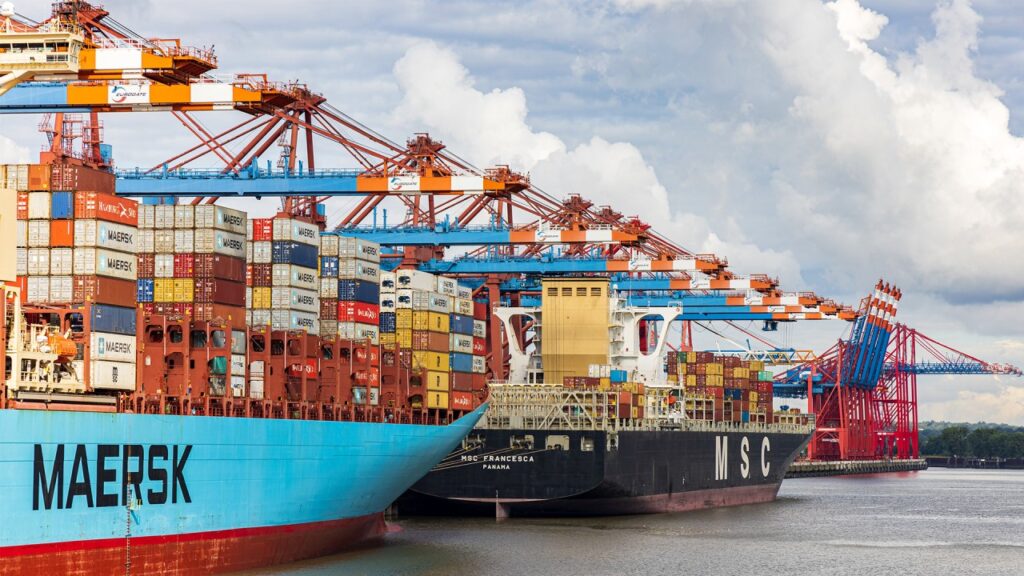
Each business has unique priorities—cost, delivery speed, or risk tolerance.
| Scenario | Recommended Shipping Method | Reason |
|---|---|---|
| Urgent delivery of small parts | Air or Courier | Fastest and safest |
| Large orders or heavy equipment | Sea Freight | Best for cost efficiency |
| Medium-size shipments to Europe | Rail Freight | Balanced time and cost |
| Mixed goods or e-commerce | LCL Sea Freight | Flexible consolidation |
Therefore, combine methods strategically—for example, air for priority goods and sea for bulk inventory—to optimize your supply chain.
8. How to Package Computer Parts Safely for International Shipping
Computer components are sensitive to static, moisture, and vibration. Proper packaging is essential.
Packaging Guidelines:
- Use anti-static foam or ESD bags for electronics.
- Wrap components in bubble wrap and seal boxes with reinforced tape.
- Include moisture absorbers to prevent condensation damage.
- Mark boxes with “FRAGILE” and “HANDLE WITH CARE.”
- Use pallets for bulk shipments to prevent crushing.
Moreover, ensure cartons meet international standards (e.g., ISPM 15 for wooden pallets) to avoid customs delays.
9. How to Handle Customs Clearance for Computer Parts
Customs clearance involves strict checks to ensure compliance with electronic import laws.
Steps for Smooth Clearance:
- Classify goods accurately using correct HS codes.
- Provide product certifications (CE, RoHS, FCC).
- Declare true value to avoid fines.
- Hire a customs broker for complex shipments.
- Prepare licenses for restricted goods (e.g., wireless transmitters).
Therefore, a professional freight forwarder experienced in electronics simplifies clearance and reduces risks of inspection delays.
10. How to Reduce Shipping Costs for Computer Parts from China
Cost-Saving Tips:
- Book early: Avoid peak-season surcharges.
- Consolidate shipments: Combine orders from multiple suppliers into one.
- Choose nearest port: Save on inland transport.
- Use long-term freight contracts: Lock in lower rates.
- Opt for DDP shipping: Delivered Duty Paid covers all costs upfront.
Additionally, negotiate with your forwarder for all-inclusive rates that cover customs, insurance, and delivery.
Conclusion
In today’s global electronics market, computer parts shipping from China enables businesses to access top-quality components at competitive prices. By choosing the right freight method—air for speed, sea for bulk, or courier for convenience—you can balance cost and delivery time effectively.
Partnering with an experienced freight forwarder ensures professional packaging, smooth customs clearance, and reliable delivery for every shipment. With the right logistics strategy, your business can scale efficiently while keeping your supply chain secure and cost-effective.
FAQ
1. How long does computer parts shipping from China take?
Air freight takes 5–10 days, while sea freight takes 25–40 days depending on your destination and customs clearance speed.
2. Is it safe to ship computer parts internationally?
Yes, if packaged with ESD-safe materials and insured properly. Freight forwarders ensure careful handling and temperature-controlled transit.
3. Do I need a license to import computer parts?
Most computer components don’t require a license, but wireless devices or batteries may need certifications and permits.
4. What’s the cheapest way to ship computer parts from China?
Sea freight or LCL shipping offers the lowest per-unit cost for larger shipments, though it’s slower than air freight.
5. Can I ship small electronic components by courier?
Yes, couriers like DHL or FedEx are ideal for small or urgent parcels with door-to-door service and online tracking.