

Importing home goods freight from China offers excellent opportunities for retailers, e-commerce sellers, and wholesalers worldwide. From kitchenware to furniture, China remains the global hub for affordable, high-quality household products. However, navigating freight logistics, customs clearance, and delivery timelines can be challenging without expert guidance.
This comprehensive guide explains the best shipping options, estimated costs, customs requirements, and strategies for optimizing your home goods import process from China.

1. Why Import Home Goods from China?
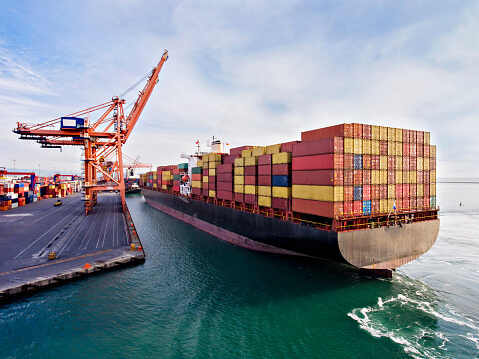
China is the leading exporter of home goods due to its vast manufacturing base, competitive pricing, and flexible production capacity. Whether you’re importing furniture, décor, or appliances, sourcing from China helps retailers expand inventory while maintaining high profit margins.
Key Advantages of Sourcing from China:
- Wide range of suppliers and factories.
- Affordable manufacturing and packaging costs.
- Bulk order discounts and customized branding.
- Reliable shipping infrastructure and global trade experience.
Moreover, major ports like Shenzhen, Ningbo, and Shanghai handle millions of containers annually, ensuring consistent freight schedules to destinations worldwide.
2. What Are the Main Shipping Methods for Home Goods Freight from China?
Different shipping methods suit different product types, volumes, and delivery deadlines.
| Shipping Method | Transit Time | Cost Level | Best For | Pros | Cons |
|---|---|---|---|---|---|
| Sea Freight (FCL/LCL) | 25–40 days | Low | Bulk or large home goods | Economical for large volumes | Slower delivery |
| Air Freight | 5–10 days | High | Urgent or fragile items | Fast & reliable | Costly for heavy goods |
| Rail Freight (to Europe) | 15–22 days | Medium | Medium-sized shipments | Faster than sea, cheaper than air | Limited destinations |
| Express Courier (DHL/FedEx) | 3–7 days | Very High | Small parcels | Door-to-door service | Expensive for big shipments |
Tip: For bulky items like furniture or kitchen appliances, FCL sea freight is the most cost-effective solution.
3. How Long Does It Take to Ship Home Goods from China?
The shipping duration depends on your chosen method, origin port, and final destination.
| Origin | Destination | Method | Average Transit Time |
|---|---|---|---|
| Shenzhen | Los Angeles | Sea Freight | 25–30 days |
| Ningbo | Hamburg | Sea Freight | 28–35 days |
| Guangzhou | London | Sea Freight | 30–40 days |
| Shanghai | New York | Air Freight | 5–7 days |
| Yiwu | Paris (via rail) | Rail Freight | 18–22 days |
Pro Tip: Plan orders 2–3 months in advance for sea freight to ensure on-time inventory restocking before major sales seasons.
What are you waiting for?
Contact chinatopfreight for a fast, free quote.
Are you ready to book?
Access live instant freight quotes
4. What Are the Typical Freight Costs for Home Goods?
Costs are influenced by cargo size, shipping method, and destination.
| Shipping Type | Estimated Cost | Description |
|---|---|---|
| Sea Freight (20ft FCL) | $1,200–$1,700 | Ideal for small to medium bulk orders |
| Sea Freight (40ft FCL) | $1,800–$2,400 | Suitable for full container loads |
| Air Freight | $6–$10/kg | Urgent deliveries or lightweight goods |
| Rail Freight (Europe) | $2,000–$3,000/container | Balanced cost and speed |
| Express Courier | $9–$15/kg | For samples or small orders |
Note: Fuel surcharges and customs duties are not included. Working with a freight forwarder helps you receive all-inclusive rates with no hidden fees.
5. What Documents Are Required for Home Goods Freight from China?
Proper documentation ensures smooth customs clearance and compliance with import regulations.
| Document | Purpose |
|---|---|
| Commercial Invoice | Declares value, product details, and currency |
| Packing List | Describes number, weight, and volume of cartons |
| Bill of Lading (B/L) | Proof of shipment ownership |
| Certificate of Origin | Confirms the goods’ country of manufacture |
| Insurance Certificate | Protects against loss or damage |
| Import Declaration | Filed with destination customs authorities |
| Inspection Certificate | Required for regulated home goods (e.g., electrical appliances) |
6. How Are Duties and Taxes Calculated on Home Goods Imports?
Customs duties and taxes vary depending on product category and country of import.
| Cost Component | Description | Example Rate |
|---|---|---|
| Customs Duty | Based on HS Code classification | 2%–8% (typical for home goods) |
| VAT/GST | Applied on CIF (Cost + Insurance + Freight) | 10%–20% depending on country |
| Import Handling Fee | Charged by port/airport | $50–$200 per shipment |
Example (for the UK):
If CIF value = $10,000 and duty = 5%, VAT = 20%
- Duty = $500
- VAT = 20% × ($10,000 + $500) = $2,100
Total Payable = $12,600
Pro Tip: Use a customs broker or forwarder with DDP (Delivered Duty Paid) service to handle all duties and taxes on your behalf.
7. How to Choose the Best Shipping Mode for Home Goods?
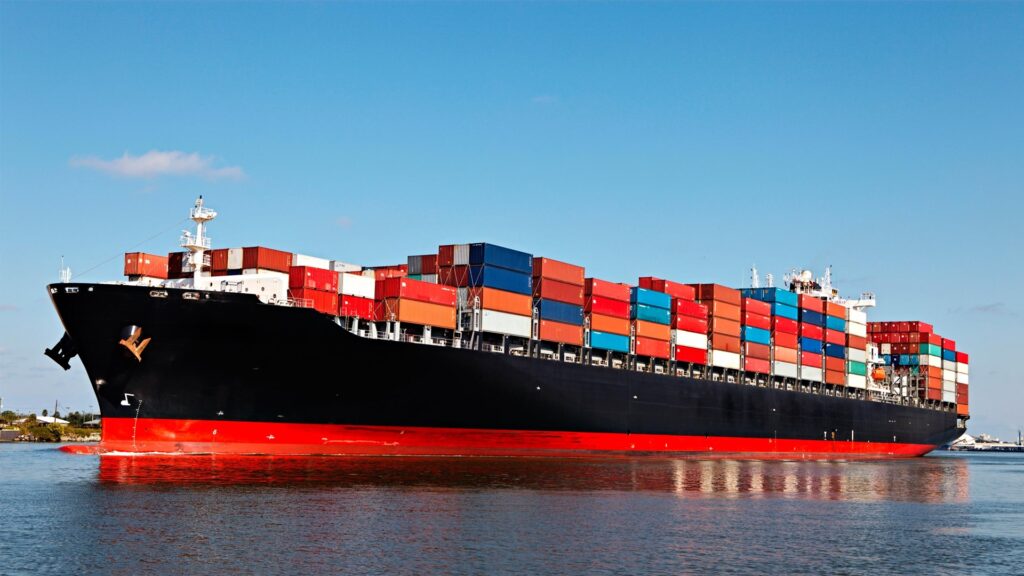
Different product types require tailored logistics solutions.
| Product Type | Recommended Mode | Reason |
|---|---|---|
| Furniture & décor | Sea Freight (FCL) | Heavy & bulky |
| Kitchenware & tools | LCL or Rail Freight | Durable & stackable |
| Home textiles | Air Freight | Lightweight & seasonal |
| Small appliances | Air or LCL | High demand, mid-weight |
| Luxury décor or fragile items | Express or Air Freight | Requires speed & safety |
Therefore, combining multiple freight options helps balance cost and delivery speed across your product categories.
8. What Are the Packaging Requirements for Home Goods Freight?
Home goods often include fragile or large items that require special care during transport.
Packaging Guidelines:
- Use foam padding and bubble wrap for fragile goods.
- Apply “Fragile” and “This Side Up” labels.
- Reinforce outer cartons with stretch film or plastic straps.
- Ensure wooden pallets comply with ISPM 15 standards.
- For moisture-sensitive items, use waterproof inner liners.
Additionally, secure prop
9. What Are the Main Ports and Airports for Home Goods Exports from China?
| Region | Major Ports | Key Airports |
|---|---|---|
| South China | Shenzhen, Guangzhou | Shenzhen (SZX), Guangzhou (CAN) |
| East China | Shanghai, Ningbo | Shanghai Pudong (PVG), Hangzhou (HGH) |
| North China | Tianjin, Qingdao | Beijing Capital (PEK), Qingdao (TAO) |
Note: Shanghai remains the top hub for global exports due to its excellent container capacity and frequent sailings to Europe, North America, and Australia.
10. How to Reduce Shipping Costs for Home Goods Freight from China?
Shipping costs can be optimized through strategic planning:
- Book early to secure low freight rates.
- Consolidate LCL shipments to reduce per-unit cost.
- Choose the nearest port to the supplier.
- Work with experienced freight forwarders who negotiate better rates.
- Opt for DDP service to avoid extra port fees.
- Track fuel surcharges and avoid peak shipping months (September–December).
Moreover, long-term contracts with trusted logistics partners often include volume discounts and guaranteed container space.
Conclusion
Efficient home goods freight from China is essential for businesses looking to stay competitive in the global retail market. By understanding shipping options, customs regulations, and cost structures, importers can streamline logistics and ensure timely, secure deliveries.
Partnering with a professional freight forwarder not only simplifies the process but also ensures compliance, cost savings, and peace of mind. With the right logistics strategy, your home goods business can thrive in international markets.
FAQ
1. What’s the cheapest way to ship home goods from China?
Sea freight (FCL) is the most affordable option for bulk or large home goods, offering the lowest per-unit cost compared to air or express.
2. How long does home goods freight take from China?
Sea freight takes around 25–40 days, while air freight delivers in 5–10 days depending on destination and customs processing.
3. Do I need import licenses for home goods?
Most home goods don’t require special licenses, but certain electrical or hazardous materials may need certification or import permits.
4. What are common shipping routes for home goods from China?
Popular routes include China to the US, UK, Germany, Australia, and Canada via major ports like Shanghai, Ningbo, and Shenzhen.
5. How are customs duties calculated?
Duties depend on the product’s HS code, declared value, and destination country’s tariff regulations, typically 2–8% for home goods.