

When importing smaller volumes of goods, LCL shipping China to Canada (Less than Container Load) provides an economical and flexible solution. Instead of paying for a full container, your shipment shares space with others, significantly reducing freight costs. This guide explains everything you need to know about LCL sea freight—pricing, transit times, customs clearance, and best practices to ensure smooth delivery.

1. What Is LCL Shipping from China to Canada?
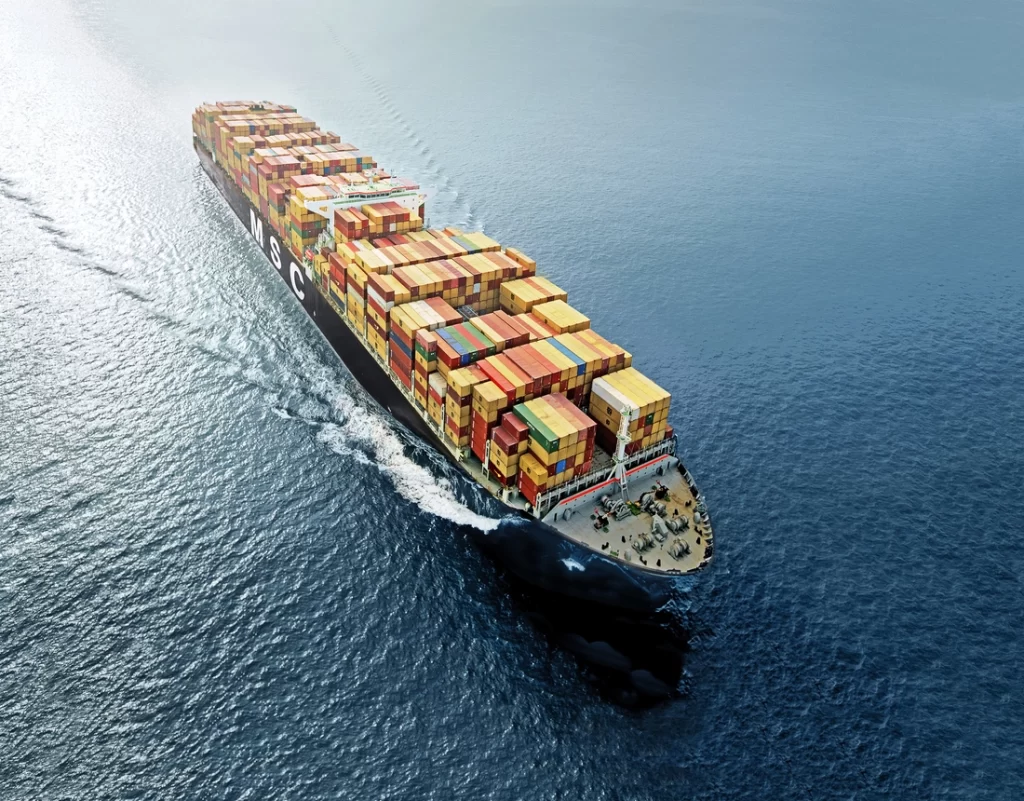
LCL (Less than Container Load) shipping allows multiple importers to share one container, paying only for the space their cargo occupies. It’s ideal for small and medium businesses that don’t have enough volume for FCL (Full Container Load).
Key Advantages of LCL Shipping:
- Lower shipping costs for smaller loads.
- Regular sailings from major Chinese ports.
- Professional cargo consolidation for better efficiency.
- Access to door-to-door delivery via freight forwarders.
However, since multiple shipments are loaded together, LCL takes slightly longer than FCL due to additional handling and customs procedures.
2. Why Choose LCL Over FCL for Shipping from China to Canada?
Choosing between LCL and FCL depends on cargo size, budget, and urgency.
| Criteria | LCL Shipping | FCL Shipping |
|---|---|---|
| Volume | Less than 15 CBM | Over 15–20 CBM |
| Cost Efficiency | Cheaper for small loads | More economical for full loads |
| Transit Time | Slightly longer due to consolidation | Faster |
| Handling | Multiple handling stages | Single consignee, less handling |
| Flexibility | Ideal for SMEs and mixed cargo | Best for bulk goods |
| Delivery | Door-to-door available | Door-to-door available |
3. How Does LCL Shipping from China to Canada Work?
LCL shipping involves several key stages.
Step-by-Step Process:
- Cargo Pickup: Your freight forwarder collects goods from your supplier in China.
- Consolidation: Cargo from multiple buyers is combined into one container at a warehouse.
- Sea Transport: The container is shipped from a Chinese port (e.g., Shenzhen or Shanghai) to a Canadian port (e.g., Vancouver or Toronto).
- Deconsolidation: Once in Canada, the container is unpacked and sorted.
- Final Delivery: Your goods are delivered to your warehouse or designated location.
Pro Tip: Always ensure your freight forwarder offers reliable consolidation and customs brokerage to prevent delays.
What are you waiting for?
Contact chinatopfreight for a fast, free quote.
Are you ready to book?
Access live instant freight quotes
4. What Are the Main Shipping Routes Between China and Canada?
| Origin Port (China) | Destination Port (Canada) | Average Transit Time | Common Cargo Types |
|---|---|---|---|
| Shenzhen | Vancouver | 18–22 days | Electronics, furniture |
| Shanghai | Toronto (via Vancouver) | 25–30 days | Machinery, consumer goods |
| Ningbo | Montreal | 30–35 days | Textiles, home goods |
| Qingdao | Calgary (inland) | 28–33 days | Automotive parts, tools |
| Tianjin | Halifax | 35–40 days | Bulk and industrial goods |
Note: Vancouver is the most common entry port for Chinese shipments due to its high cargo capacity and quick customs processing.
5. How Much Does LCL Shipping from China to Canada Cost?
LCL shipping rates are usually calculated per CBM (Cubic Meter).
| Cargo Volume | Estimated LCL Cost (USD) | Notes |
|---|---|---|
| 1–2 CBM | $60–$80/CBM | Ideal for small cartons |
| 3–5 CBM | $55–$75/CBM | Standard commercial load |
| 6–10 CBM | $50–$70/CBM | Better rate for larger volume |
| 10–15 CBM | $45–$65/CBM | Near FCL threshold |
| Over 15 CBM | Consider FCL | More cost-effective |
Additional Fees May Include:
- Port handling and documentation fees.
- Customs duties and taxes.
- Delivery charges (if door-to-door service is selected).
Tip: Request a door-to-door LCL shipping quote that includes customs and local delivery to avoid unexpected charges.
6. How Long Does LCL Shipping from China to Canada Take?
The total transit time includes port handling, sea voyage, and customs clearance.
| Route | Estimated Transit Time (Port-to-Port) | Total Door-to-Door Time |
|---|---|---|
| Shenzhen → Vancouver | 18–22 days | 25–30 days |
| Ningbo → Toronto | 25–30 days | 32–37 days |
| Shanghai → Montreal | 28–33 days | 35–40 days |
| Tianjin → Halifax | 35–40 days | 42–45 days |
Therefore, plan your shipping schedule at least one month in advance, especially during China’s peak export seasons (e.g., before Chinese New Year).
7. What Documents Are Required for LCL Shipping from China to Canada?

| Document | Description | Issued By |
|---|---|---|
| Commercial Invoice | Details goods, value, and trade terms | Supplier |
| Packing List | Lists contents, weight, and size | Supplier |
| Bill of Lading (B/L) | Proof of shipment | Carrier or Forwarder |
| Certificate of Origin | Confirms product’s manufacturing country | Chamber of Commerce |
| Import Declaration | Required by CBSA (Canada Border Services Agency) | Importer or Broker |
| Insurance Certificate | Covers potential loss or damage | Insurer |
Tip: Missing or inaccurate documents can delay customs clearance, so always double-check paperwork before shipment.
8. How Are Customs Duties and Taxes Calculated in Canada?
| Fee Type | Rate | Applies To |
|---|---|---|
| Import Duty | 0–8% | Based on product type |
| GST (Goods & Services Tax) | 5% | Applied to CIF value |
| PST / HST (Provincial Sales Tax) | 0–13% | Depending on destination province |
| Handling Fee | $50–$150 | Port or warehouse fee |
Example:
If CIF = $5,000 and Duty = 5%, GST = 5%, total payable tax = $5,000 × (1.05 × 1.05) = $5,512.50
Pro Tip: A professional customs broker can handle tariff classification, import documentation, and payment to simplify the process.
9. How to Reduce Costs When Shipping LCL from China to Canada
Strategies to Save Money:
- Consolidate shipments: Combine multiple suppliers’ cargo into one LCL load.
- Book early: Avoid peak season surcharges.
- Choose the nearest port: Reduce inland transport costs.
- Use standard packaging: Optimize space utilization in the container.
- Select DDP terms: Delivered Duty Paid shipments simplify tax and customs handling.
Additionally, maintain accurate product descriptions to avoid re-inspection and storage fees.
10. How to Package Goods Safely for LCL Shipping
Proper packaging ensures your cargo arrives in perfect condition despite shared container space.
Best Packaging Practices:
- Use double-layer cartons or wooden crates for fragile goods.
- Seal boxes with waterproof tape.
- Add “Fragile” and “Handle with Care” labels.
- Use palletization to prevent crushing.
- Include a clear packing list inside and outside each package.
Additionally, request your freight forwarder to wrap goods with shrink film for extra protection during loading and unloading.
Conclusion
For businesses looking to balance cost and reliability, LCL shipping China to Canada is the ideal choice. It allows importers to share container space, reduce shipping costs, and maintain flexibility without committing to full-container loads.
By working with an experienced freight forwarder, preparing accurate documents, and choosing efficient routes, your goods will arrive safely and on schedule—empowering your business to grow smoothly in the competitive import market.
FAQ
1. How long does LCL shipping take from China to Canada?
Port-to-port transit averages 18–35 days, while door-to-door delivery typically takes 25–40 days depending on location and customs processing.
2. What’s the minimum volume for LCL shipping?
LCL is suitable for cargo as small as 1 CBM (cubic meter), making it perfect for startups and small importers.
3. Can I combine multiple suppliers in one LCL shipment?
Yes, freight forwarders can consolidate goods from several suppliers into a single container to reduce costs.
4. Are LCL shipments insured?
Yes, cargo insurance is available and recommended to cover damage or loss during international transit.
5. How are LCL shipping costs calculated?
Costs are based on the volume (CBM), weight, port fees, and additional services like pickup or customs brokerage.