

When it comes to transporting heavy, oversized, or industrial equipment, machinery sea freight from China remains the most cost-effective and dependable shipping solution. Whether you’re importing construction machinery, factory equipment, or automotive parts, understanding the logistics, customs procedures, and cost factors ensures smooth global delivery and compliance.

1. Why Choose Sea Freight for Machinery Shipping from China?
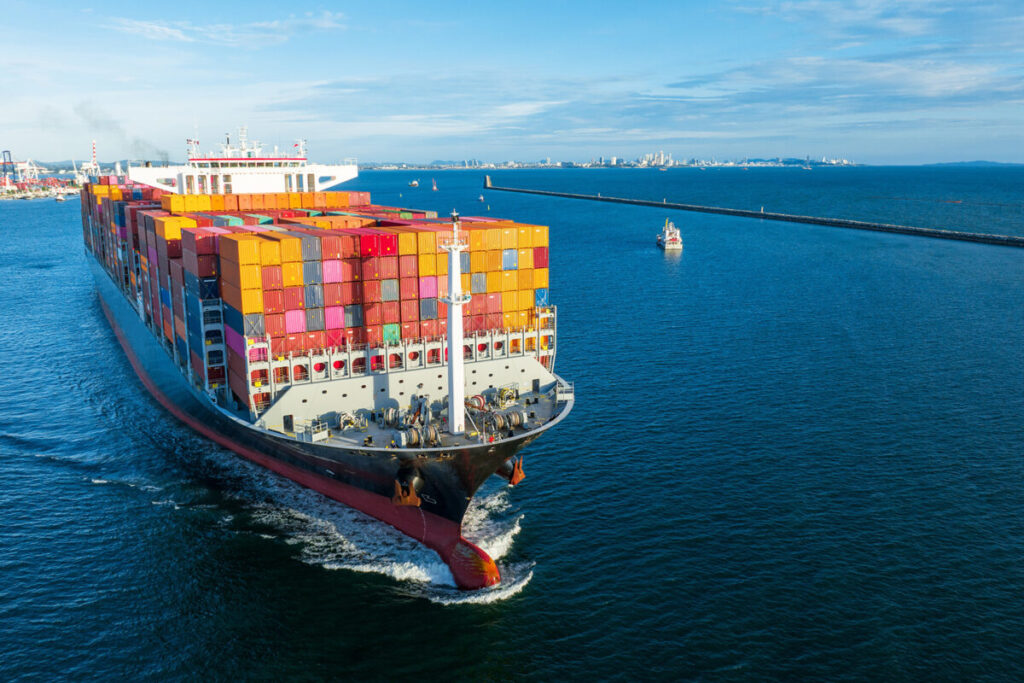
Shipping machinery via sea freight provides the most reliable and scalable option for global importers. While air transport offers speed, sea freight delivers unmatched cost efficiency for large or heavy cargo.
Key Benefits of Machinery Sea Freight:
- Cost-Effective: Lower cost per cubic meter compared to air freight.
- Large Capacity: Ideal for oversized and heavy industrial machinery.
- Global Reach: Direct routes from major Chinese ports to all continents.
- Flexible Options: FCL (Full Container Load) and LCL (Less than Container Load).
Moreover, machinery shipments often require special handling—sea freight accommodates custom crating, reinforced packaging, and specialized equipment for safe transport.
2. What Are the Main Shipping Routes for Machinery from China?
China’s extensive maritime network connects manufacturing hubs to major ports worldwide.
| Origin Port | Destination | Average Transit Time | Popular Machinery Types |
|---|---|---|---|
| Shanghai | Hamburg, Germany | 30–35 days | Industrial and textile machinery |
| Shenzhen | Los Angeles, USA | 25–30 days | Construction and mining equipment |
| Ningbo | Rotterdam, Netherlands | 28–33 days | Electronic production machinery |
| Qingdao | Sydney, Australia | 18–24 days | Agricultural and factory machines |
| Tianjin | Dubai, UAE | 20–26 days | Oilfield and drilling machinery |
Tip: Choose the nearest Chinese port to your supplier’s factory to reduce inland trucking costs.
3. What Types of Machinery Can Be Shipped by Sea Freight?
Virtually all categories of machinery can be shipped via ocean freight, provided proper packaging and documentation are arranged.
Common Machinery Categories:
- Industrial manufacturing machinery
- Textile and garment equipment
- Heavy construction machinery (excavators, loaders, cranes)
- Mining and drilling equipment
- Packaging and food processing machines
- CNC machines, lathes, and tools
- Renewable energy equipment (solar panels, turbines)
Therefore, sea freight remains the best method for bulky or heavy-duty equipment that is not time-sensitive.
4. How Much Does Machinery Sea Freight from China Cost?
Freight costs depend on cargo size, weight, shipping route, and Incoterms (FOB, CIF, DDP).
| Shipping Option | Typical Cost (USD) | Description |
|---|---|---|
| 20ft Container (FCL) | $1,200–$1,700 | For small machinery batches |
| 40ft Container (FCL) | $1,800–$2,400 | For large or multiple units |
| LCL (Less than Container Load) | $50–$80 per CBM | Shared container for small shipments |
| Break Bulk / Flat Rack | $60–$120 per CBM | For oversized or heavy machinery |
Note: Oversized cargo may require flat rack or open-top containers, which increase cost due to additional handling and port fees.
Are you ready to book?
Access live instant freight quotes
5. How Long Does Machinery Sea Freight Take from China?
Transit time depends on the destination, vessel schedule, and customs processes.
| Destination | Estimated Transit Time | Shipping Type |
|---|---|---|
| USA (West Coast) | 25–30 days | Direct route |
| USA (East Coast) | 35–40 days | Via Panama Canal |
| Europe | 28–35 days | Regular liner service |
| Middle East | 20–26 days | Direct shipping |
| Africa | 30–45 days | Indirect transshipment |
| Australia | 18–25 days | Frequent vessel departures |
Pro Tip: Add 3–5 extra days for customs clearance and inland transportation on both ends.
6. How to Choose the Right Container for Machinery Shipping
Choosing the appropriate container ensures safe and cost-efficient transportation.
| Container Type | Dimensions (m) | Suitable For | Advantages |
|---|---|---|---|
| 20ft Standard | 5.9×2.35×2.39 | Small to medium machinery | Compact and affordable |
| 40ft Standard | 12×2.35×2.39 | Large machinery shipments | Economical for volume cargo |
| 40ft High Cube | 12×2.35×2.69 | Tall machinery | Extra vertical clearance |
| Flat Rack | Open frame | Oversized equipment | Ideal for non-stackable loads |
| Open Top | Open roof | Cranes, drilling rigs | Simplifies loading via crane |
Tip: Use custom wooden crating or steel brackets for added protection during loading and unloading.
7. What Documents Are Required for Machinery Sea Freight from China?
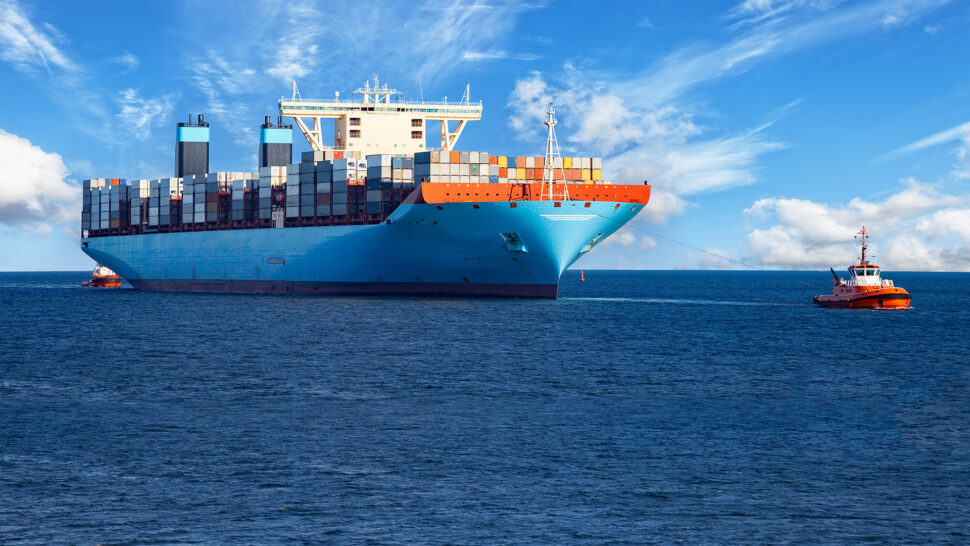
Customs documentation ensures compliance and smooth clearance in both exporting and importing countries.
| Document | Purpose | Issued By |
|---|---|---|
| Commercial Invoice | Declares machinery value and details | Exporter |
| Packing List | Specifies weight, size, and parts | Shipper |
| Bill of Lading (B/L) | Acts as transport contract and proof of shipment | Carrier |
| Certificate of Origin | Confirms product’s origin | Chamber of Commerce |
| Import License | Required for restricted machinery | Importer |
| Insurance Certificate | Covers damage or loss | Insurance Provider |
| Inspection Certificate | For used or regulated machinery | Inspection Agency |
8. How Are Import Duties and Taxes Calculated?
Customs duties are determined based on machinery classification using HS Codes (Harmonized System Codes).
| Tax Type | Rate Range | Description |
|---|---|---|
| Import Duty | 0–10% | Depends on HS code and country |
| VAT / GST | 5–25% | Applied on CIF value (Cost + Insurance + Freight) |
| Customs Clearance Fee | $50–$250 | Handling and inspection charges |
Example (UK Import):
If machinery CIF value = £20,000, duty = 5%, VAT = 20%
- Duty = £1,000
- VAT = 20% × (£20,000 + £1,000) = £4,200
Total Payable = £25,200
Tip: Using DDP (Delivered Duty Paid) terms simplifies the process, as your freight forwarder handles all import taxes and duties.
9. What Are the Key Factors That Affect Machinery Freight Costs?
Several elements influence the final freight rate:
- Cargo dimensions and weight
- Container type (FCL, LCL, flat rack)
- Port distance from factory
- Customs inspection fees
- Fuel surcharges and seasonal demand
- Incoterms used (FOB, CIF, DDP)
Therefore, early booking and professional packaging reduce costs and prevent unnecessary demurrage or detention fees.
10. How to Package Machinery Safely for Sea Freight
Proper packaging prevents corrosion, shock damage, and vibration during long voyages.
Best Practices for Machinery Packaging:
- Use heat-treated wooden crates compliant with ISPM 15 standards.
- Apply anti-rust coating and desiccant bags for metal parts.
- Secure with steel straps and vibration absorbers.
- Seal with waterproof film and edge protectors.
- Label cargo clearly with “Fragile,” “Heavy Load,” and “Top Load Only.”
Moreover, professional packing ensures compliance with insurance and port safety standards.
Conclusion
Choosing machinery sea freight from China offers unbeatable value for importers dealing with heavy or complex cargo. With its cost efficiency, vast route network, and flexibility, sea freight ensures your industrial equipment arrives securely and on schedule.
By partnering with a professional freight forwarder, you can simplify customs procedures, reduce logistics costs, and gain full visibility throughout the shipping process. The right partner transforms complicated machinery transport into a seamless, worry-free experience.
FAQ
1. What is the best way to ship heavy machinery from China?
Sea freight is the most cost-effective and practical method for shipping heavy or oversized machinery internationally.
2. Can I ship used machinery from China?
Yes, but used equipment often requires inspection certificates and import licenses depending on the destination country.
3. How do I calculate shipping costs for machinery?
Costs depend on container size, volume, weight, route, and Incoterms. Request a quote for precise pricing.
4. What is break bulk shipping?
Break bulk shipping handles oversized cargo that doesn’t fit into containers, such as cranes or industrial presses.
5. Is insurance necessary for machinery sea freight?
Absolutely. Insurance covers loss, damage, and natural risks during ocean transport, which is vital for high-value cargo.