

- By carlie tj
- August 11, 2025
- China Ports Guide, Logistics
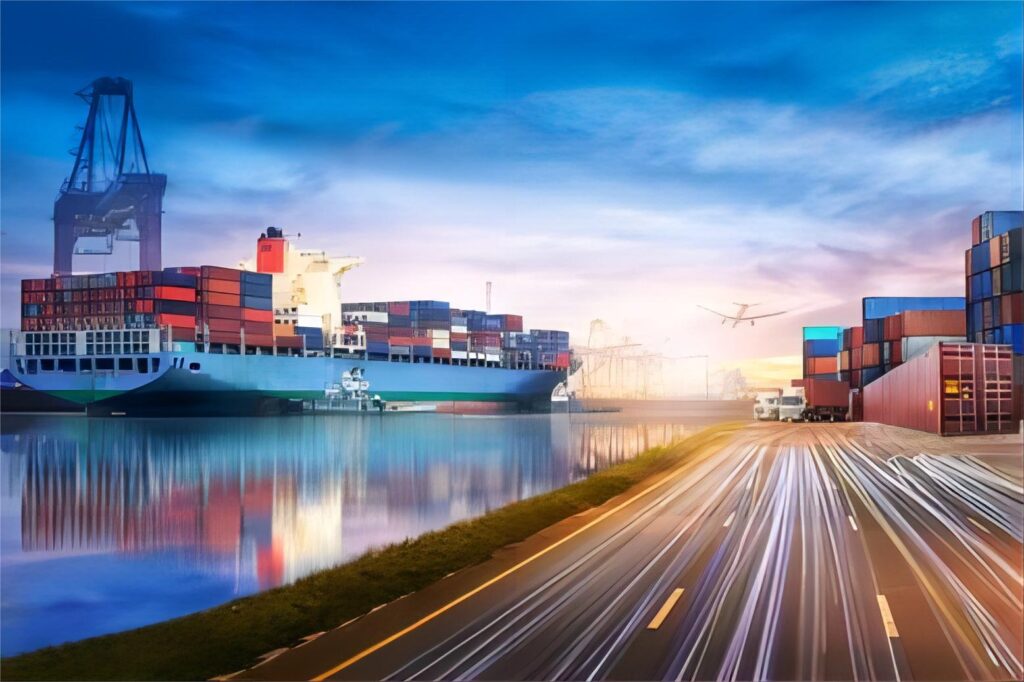
In global trade, air and sea freight services are core logistics modes. Integrating air and sea freight offers flexibility: air for speed, sea for volume, and seamless routing across supply chains.
1. What Is air and sea freight
- Air and sea freight combines fast air cargo with cost‑effective ocean shipping. It ensures time-critical parcels and large bulk goods are delivered efficiently.
- This hybrid approach enables businesses to optimize both cost and transit time under unified logistics planning.
📌2. Key Services in air and sea freight
- Air Freight: Ideal for urgent, high‑value goods and e‑commerce items; typical transit 1–3 days.
- Sea Freight: Supports bulk cargo via FCL/LCL with capacity for oversized items; transit often 20–45 days.
- Sea‑Air Combination: Ship goods by sea to a hub, then dispatch by air—balancing speed and cost in hybrid logistics.
- Ground Transport Integration: Road or rail legs connect seaports and airports to final destinations, essential in multimodal shipping.
- Freight Forwarder Coordination: Warehousing, customs, and documentation are managed by forwarders orchestrating multimodal cargo flows.
3. Benefits of Choosing air and sea freight
- Combines speed and cost-efficiency: sea for large volume, air for urgency.
- Supports flexible scheduling and route planning in volatile trade environments.
- Enables cargo type versatility: perishable, oversized, and time‑sensitive shipments can all be handled through multimodal transport.



📌 4.Transportation Insights in air and sea freight
✅ Air transport offers rapid unload and customs processing within hours; ocean shipping involves longer port dwell times.
✅ Ocean freight market rates are influenced heavily by geopolitical events (e.g. Red Sea disruption), driving some toward alternate multimodal routes.
✅ Dimensions matter: cargo billed by weight or volume (dimensional weight) affects cost optimization in multimodal shipping.
5.Top Use Cases for air and sea freight
1.E‑commerce brands needing a balance of speed and cost.
2.Seasonal goods with partial urgency and bulk factors.
3.High‑value electronics: shipped via air leg after sea transit.
4.Oversized or heavy‑lift cargo: sea leg for volume plus air leg for deadlines.
5.Crisis‑sensitive goods: avoiding congested sea routes via air and sea freight diversions.

6.Air vs Sea Freight: Key Differences 2025
| Aspect | Air Freight | Sea Freight |
|---|---|---|
| Transit | 3–7 days | 15–40 days |
| Cost | Higher per kg | Lower per kg |
| Best For | Urgent, high-value | Bulk, heavy, non-urgent |
| Capacity | Limited | Large |
| Reliability | High | Moderate |
7. Request a Quote
China Top Freight offers:
- ✅ Origin and Destination Countries
- ✅ Cargo Type and Volume
- ✅ Preferred Transport Method (Air, Sea, Rail, Road)
- ✅ Delivery Timeline
- ✅ Special Handling Requirements (if any)
💬8. FAQ
Q: What makes this shipping method a smart choice?
A: It combines speed and capacity—air for urgent shipments, sea for bulk goods; ideal when managing both cost and time.
Q: How is transit time impacted in this combined service?
A: Sea segments may take 20–45 days; air legs typically deliver within 3 days—hybrid planning shortens overall transit.
Q: Are surcharges different between air and ocean transport?
A: Yes—fuel, congestion, dimensional weight and seasonal fees vary; hybrid freight requires combined fee coordination.
Q: Can dangerous goods be shipped this way?
A: Under strict regulation, many forwarders offer multimodal routes handling DG via sea plus air transfer where permitted.
Q: Is tracking available across both transport modes?
A: Modern freight providers offer end‑to‑end visibility, covering the entire route and customs clearance process.