

- By kelly
- September 11, 2025
- Logistics, Tips or Guide
Air Cargo from China to Canada: Complete Shipping Guide 2025
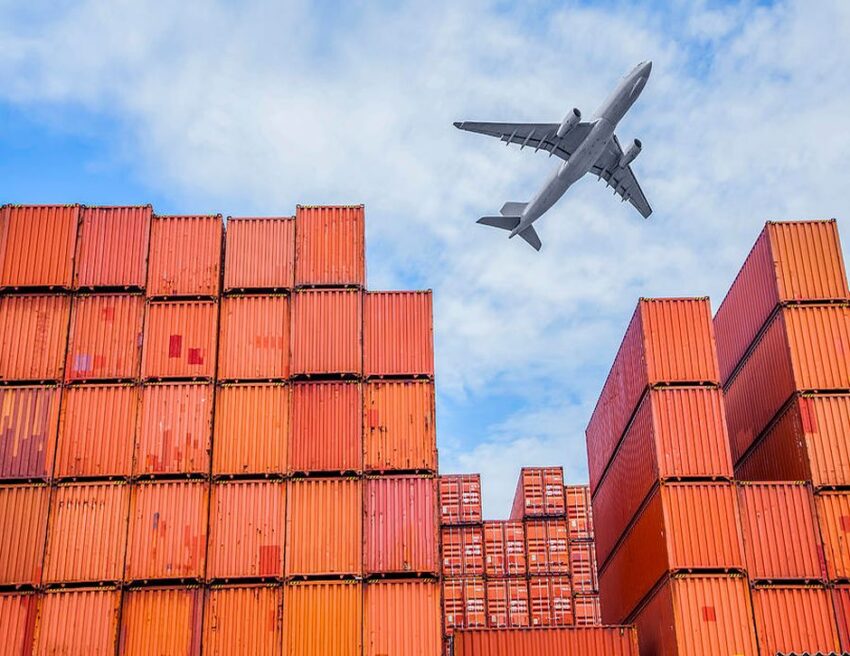
Shipping goods internationally requires speed, reliability, and accuracy. For many businesses, air cargo from China to Canada is the fastest and most dependable solution. Whether you are importing electronics, machinery, or apparel, air freight ensures timely deliveries and seamless supply chain management.
1. Why Choose Air Cargo from China to Canada?
Air freight remains the top choice for time-sensitive and high-value shipments. Moreover, Canadian importers benefit from well-connected routes and advanced airport infrastructure.
Advantages of Air Cargo:
- Fastest delivery option (as short as 3–7 days).
- High reliability with fixed schedules.
- Better security for fragile or high-value goods.
- Direct connections to major Canadian cities.
2. How Long Does Air Cargo Take from China to Canada?
Transit time depends on route, airline, and customs clearance.
| Origin (China) | Destination (Canada) | Average Transit Time |
|---|---|---|
| Shanghai | Toronto (YYZ) | 5–7 days |
| Guangzhou | Vancouver (YVR) | 4–6 days |
| Beijing | Montreal (YUL) | 6–8 days |
| Shenzhen | Calgary (YYC) | 5–7 days |
Additionally, delays can occur during peak seasons (Chinese New Year, Christmas) or due to weather. Therefore, planning ahead reduces risks.
3. How Much Does Air Cargo from China to Canada Cost?
Air freight charges are calculated by chargeable weight (actual or volumetric, whichever is greater).
| Weight/Volume | Approx. Cost (USD) | Best Use Case |
|---|---|---|
| 45–100 kg | $6–$8 per kg | Small shipments, urgent |
| 100–300 kg | $5–$7 per kg | Medium shipments |
| 300–500 kg | $4.5–$6 per kg | Cost-efficient |
| >500 kg | Negotiable | Bulk cargo |
Example: A 200 kg shipment at $6 per kg = $1,200.
Moreover, additional fees include fuel surcharges, terminal handling, and customs clearance.
4. What Are the Major Airports for Air Cargo?
China Airports:
- Shanghai Pudong (PVG)
- Beijing Capital (PEK)
- Guangzhou Baiyun (CAN)
- Shenzhen Bao’an (SZX)
Canada Airports:
- Toronto Pearson (YYZ)
- Vancouver International (YVR)
- Montreal-Trudeau (YUL)
- Calgary International (YYC)
These hubs provide frequent flights, efficient handling, and smooth connections to inland destinations.
5. What Documents Are Needed for Air Cargo Shipping?
Correct paperwork ensures compliance with Canadian import regulations.
| Document | Purpose |
|---|---|
| Commercial Invoice | Declares value of goods |
| Air Waybill (AWB) | Contract of carriage |
| Packing List | Itemized shipment details |
| Certificate of Origin | Confirms manufacturing country |
| Import Declaration | Required by CBSA (Canada Border Services Agency) |
| HS Code | Determines customs duties |
Failure to provide accurate documents may cause costly delays.
6. How Do Customs Duties and Taxes Work in Canada?
- Import Duties: Based on HS code and product classification.
- GST (5%) or HST (up to 15%): Applied depending on province.
- Excise Taxes: Applied to specific goods (alcohol, tobacco, fuel).
Additionally, customs brokers help businesses navigate compliance, ensuring shipments clear smoothly.
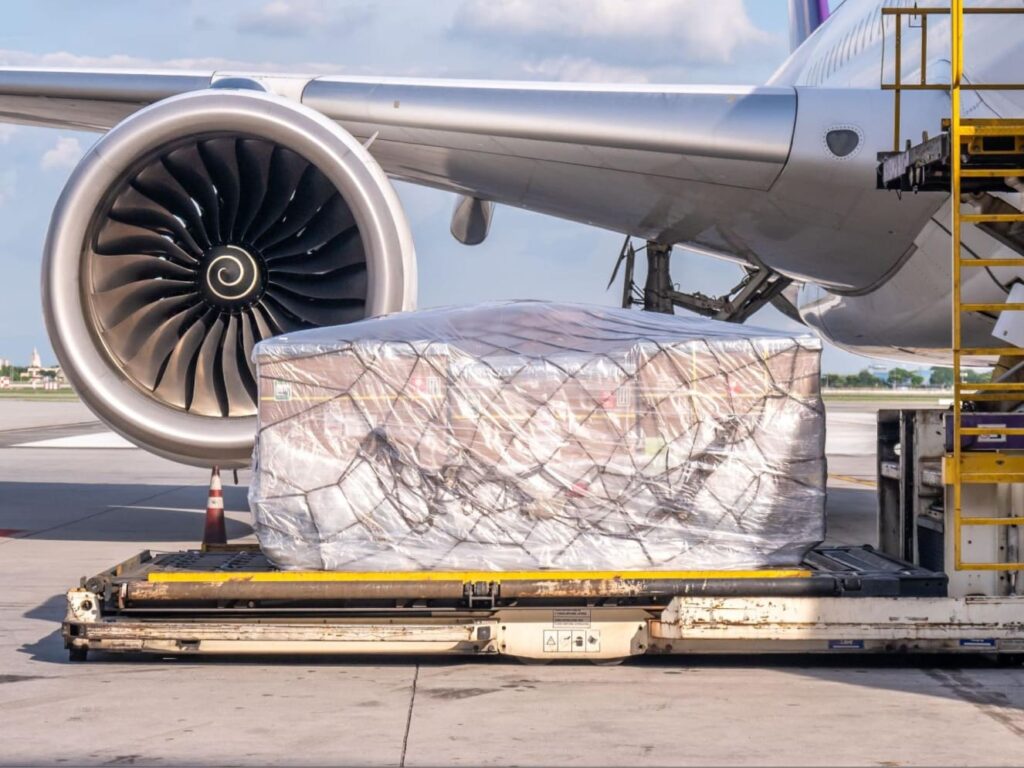
7. Is Air Cargo Better than Sea or Rail Freight?
| Factor | Air Freight | Sea Freight | Rail Freight |
|---|---|---|---|
| Transit Time | 3–8 days | 30–40 days | 20–25 days |
| Cost | High | Low | Medium |
| Reliability | Very High | Medium | High |
| Best For | Urgent, high-value goods | Bulk, low-cost cargo | Mid-size shipments |
Therefore, businesses must balance urgency and cost when selecting shipping methods.
8. Can Small Businesses Use Air Cargo?
Yes. Even small importers can benefit from consolidated shipments (air freight consolidation). Moreover, express courier services like DHL, FedEx, and UPS are suitable for shipments under 100 kg, offering door-to-door delivery.
9. What Factors Influence Air Freight Costs?
- Weight & Volume (chargeable weight).
- Type of goods (dangerous goods incur higher fees).
- Airline selected.
- Peak season surcharges.
- Fuel prices.
Therefore, optimizing packaging and booking in advance can reduce costs.
10. How to Reduce Air Cargo Costs from China to Canada?
- Consolidate shipments to achieve better per-unit pricing.
- Use economy service when time is flexible.
- Avoid peak-season shipping when possible.
- Work with experienced freight forwarders for negotiated rates.
11. Why Work with a Freight Forwarder for Air Cargo?
A freight forwarder simplifies the process by:
- Coordinating with airlines.
- Preparing customs documents.
- Offering door-to-door solutions.
- Advising on the most cost-effective routes.
Moreover, forwarders provide visibility across the supply chain, ensuring smooth delivery.
📦Get a Free Quote
Shipping logistics can be complex, but with professional assistance, air cargo from China to Canada becomes faster, safer, and more affordable. Contact us today to request a competitive quote tailored to your business needs.
❓ Frequently Asked Questions
1. How long does air cargo from China to Canada take?
Typically, 5–7 days depending on airline schedules, route, and customs clearance. Express options can be faster.
2. What is the cheapest way to ship from China to Canada?
Sea freight is the cheapest for bulk goods, but air freight provides the fastest option for urgent shipments.
3. Do I need a customs broker in Canada?
Yes, using a broker ensures smooth clearance and prevents delays due to incorrect paperwork.
4. Can dangerous goods be shipped by air cargo?
Yes, but they require special handling, documentation, and airline approval, which may increase costs.
5. What is the difference between air freight and courier services?
Air freight handles larger commercial shipments, while couriers like DHL handle small parcels under 100 kg.
Conclusion
In summary, air cargo from China to Canada is the fastest and most reliable shipping method for time-sensitive and valuable goods. Although costs are higher than sea or rail freight, the speed and security often justify the expense. Moreover, partnering with a professional freight forwarder ensures smooth customs clearance and optimized logistics.