

Air freight China to Canada is one of the fastest and most reliable logistics solutions for importers and exporters managing urgent or high-value shipments. However, businesses often face challenges with pricing, customs regulations, and choosing between different carriers. This guide will explain costs, delivery times, documents, and strategies to streamline your shipments.
Why Choose Air Freight from China to Canada?
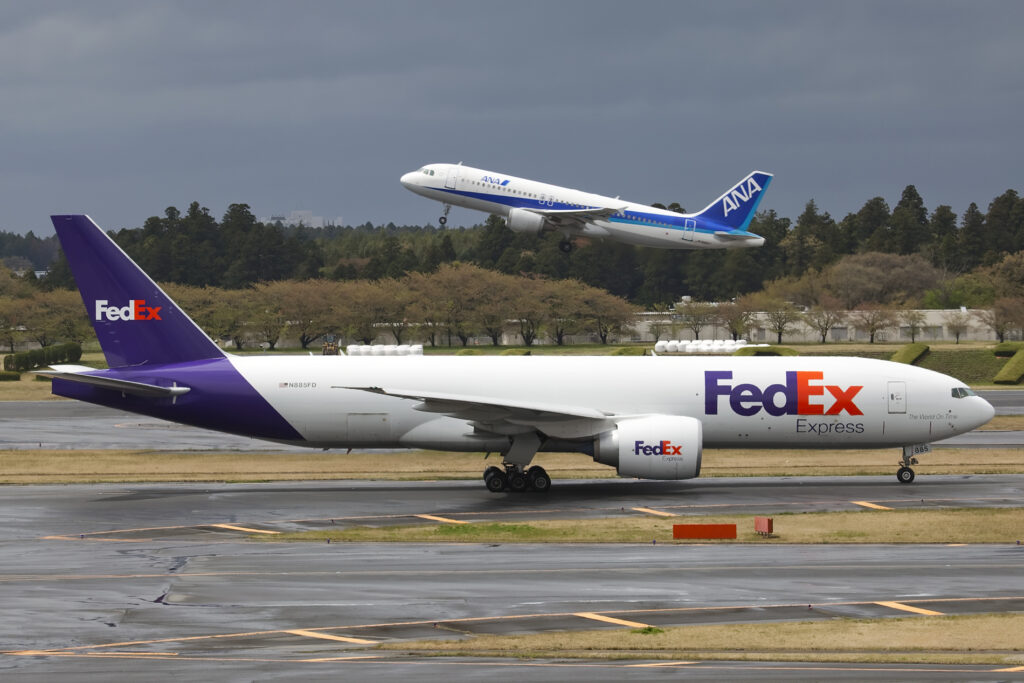
Importers prefer air freight China to Canada when speed and reliability are critical. Unlike ocean shipping, air cargo ensures quick deliveries, making it ideal for electronics, fashion, and perishable products. Moreover, Canada’s international airports like Toronto Pearson and Vancouver International have advanced cargo-handling facilities, reducing clearance delays.
What Are the Main Air Freight Options Available?
When shipping by air, businesses can choose between express couriers, standard air freight, and charter flights.
| Service Type | Transit Time | Cost Level | Best For | Pros | Cons |
|---|---|---|---|---|---|
| Express Courier (DHL, FedEx, UPS) | 2–4 days | High | Small urgent shipments | Fastest delivery, door-to-door service | Expensive for heavy cargo |
| Standard Air Freight | 5–8 days | Medium | Bulk shipments | Balanced cost and speed | Requires customs handling |
| Chartered Flights | Flexible | Very High | Oversized/high-value cargo | Direct service, full control | Very expensive, limited availability |
How Long Does Air Freight Take from China to Canada?
Transit times vary by airport and service provider. On average:
| Origin Airport in China | Destination Airport in Canada | Estimated Transit Time |
|---|---|---|
| Shanghai (PVG) | Toronto (YYZ) | 5–7 days |
| Shenzhen (SZX) | Vancouver (YVR) | 4–6 days |
| Beijing (PEK) | Montreal (YUL) | 6–8 days |
| Guangzhou (CAN) | Calgary (YYC) | 5–7 days |
How Much Does Air Freight China to Canada Cost?
Costs depend on weight, dimensions, and service type. Carriers calculate rates using chargeable weight (whichever is greater between actual weight and volumetric weight).
| Shipment Type | Cost Estimate (USD) | Notes |
|---|---|---|
| 100 kg general cargo | $5–$6 per kg | Standard air freight |
| 500 kg pallet | $3.5–$4.5 per kg | Negotiated forwarder rate |
| 1,000 kg bulk cargo | $2.8–$3.5 per kg | Long-term contracts |
| Express courier (small parcel) | $7–$12 per kg | Includes door-to-door |
What are you waiting for?
Contact TJ China Freight for a fast, free quote.
Are you ready to book?
Access live instant freight quotes
What Documents Are Required for Air Freight to Canada?
A successful shipment depends on accurate documentation.
| Document | Purpose |
|---|---|
| Air Waybill (AWB) | Official contract between shipper and carrier |
| Commercial Invoice | Declares cargo value for customs |
| Packing List | Provides shipment details |
| Import Declaration (Canada Customs) | Ensures legal entry |
| Certificate of Origin | Determines tariff treatments |
Can Air Freight Compete with Ocean Freight?
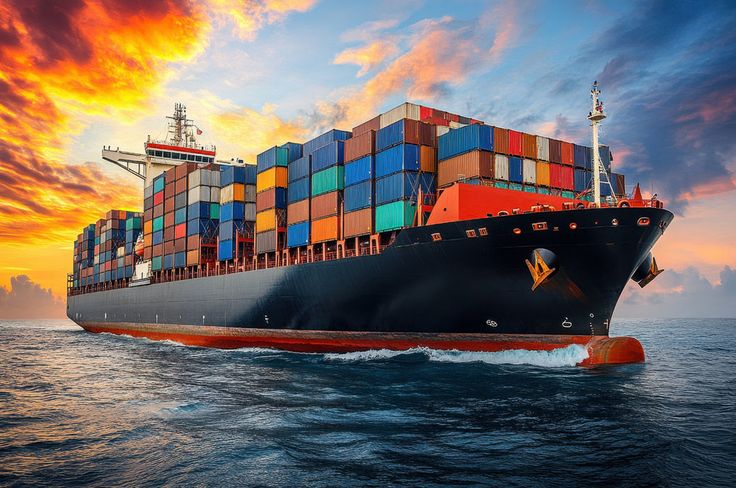
Yes, but only when speed matters more than cost.
| Mode | Cost | Transit Time | Best For |
|---|---|---|---|
| Air Freight | High | 4–8 days | Urgent, high-value, or perishable goods |
| Sea Freight | Low | 20–35 days | Bulk, cost-sensitive shipments |
What Factors Affect Air Freight Costs?
Several elements influence total charges:
- Fuel surcharges and peak season demand.
- Type of cargo (dangerous goods, temperature-sensitive items).
- Choice of carrier and service speed.
- Pickup and delivery distances in China and Canada.
How to Save Money on Air Freight China to Canada?
- Book early to avoid peak-season surcharges.
- Consolidate cargo with freight forwarders for better rates.
- Choose the right Incoterms to clarify cost responsibilities.
- Optimize packaging to reduce volumetric weight.
Should You Use a Freight Forwarder for Air Freight?
Absolutely. A freight forwarder coordinates bookings, negotiates rates, handles customs clearance, and manages last-mile delivery. This makes air freight China to Canada faster and less stressful for importers.
Do Customs and Duties Add Significant Costs in Canada?
Yes, Canada applies duties and Goods and Services Tax (GST) on imported goods. Rates depend on the HS code and origin. Working with experienced brokers ensures compliance and prevents delays.
Pros and Cons of Air vs. Sea vs. Rail Freight
| Mode | Pros | Cons |
|---|---|---|
| Air Freight | Fast, secure, reliable | Expensive, weight restrictions |
| Sea Freight | Economical, high capacity | Slow, port congestion risks |
| Rail Freight (multimodal, cargo only) | Balanced cost, eco-friendly | Longer transit, not direct; not available for passenger travel |
Final Thoughts
Air freight China to Canada is the fastest and most dependable shipping method for businesses needing quick delivery of goods. Although costs are higher than sea freight, the speed, reliability, and security make it indispensable for time-sensitive shipments. With the right freight forwarder, proper documentation, and smart cost-saving strategies, companies can streamline their supply chain and ensure on-time deliveries.
FAQ
Q1: What is the maximum weight allowed for a single air freight shipment to Canada?
Most airlines accept shipments up to 1000 kg per pallet, though oversized or heavier cargo may require special handling or charter services.
Q2: Are dangerous goods allowed in air freight shipments to Canada?
Yes, but they must comply with IATA Dangerous Goods Regulations. Proper labeling, packaging, and documentation are required to ensure safety during transportation.
Q3: Can I track my air cargo from China to Canada in real time?
Yes, shipments can be tracked online using the Air Waybill (AWB) number. Most airlines and freight forwarders provide tracking portals.
Q4: How does volumetric weight affect air freight pricing?
If cargo is lightweight but bulky, pricing is based on volumetric weight (length × width × height ÷ 6000), not actual scale weight.
Q5: Do I need an import license for commercial shipments to Canada?
Yes, businesses must register with the Canada Border Services Agency (CBSA) and ensure compliance with applicable import permits for restricted products.