

- By carlie tj
- October 27, 2025
- Tips or Guide, Transport
Importers face rising logistics expenses when moving goods globally. Understanding air freight costs from China is critical for managing budgets and ensuring supply chain stability. China Top Freight provides transparent pricing, expert customs clearance, and efficient delivery schedules to Europe, the USA, and beyond. However, many businesses underestimate additional charges such as fuel surcharges, customs duties, and handling fees, which can significantly affect final costs. This article explains how air freight pricing works, what factors influence it, and how to reduce expenses effectively.
1. What Are Air Freight Costs from China?
Air freight costs represent the total expenses of transporting cargo via aircraft from Chinese airports to global destinations. These include base freight rates, fuel surcharges, security fees, handling costs, and customs-related charges. Moreover, air freight costs are usually calculated based on chargeable weight (the greater of actual weight vs volumetric weight).
2. How Do Air Freight Costs Compare to Sea and Rail?
| Shipping Method | Transit Time | Cost Level | Pros | Cons |
|---|---|---|---|---|
| Air Freight | 5–10 days | High | Fast, reliable, secure | Expensive for heavy cargo |
| Sea Freight | 25–40 days | Low | Cheapest for bulk shipments | Very slow |
| Rail Freight | 18–25 days | Medium | Balanced cost and transit time | Limited European coverage |
Air freight is the fastest option, but businesses must weigh speed against budget when choosing transport methods.
3. Which Factors Influence Air Freight Costs from China?
Several variables impact air freight pricing:
- Cargo weight and dimensions
- Departure and destination airports
- Fuel surcharges and airline capacity
- Peak season demand (Chinese New Year, holidays)
- Customs duties and tariffs at destination
- Type of goods (hazardous or temperature-sensitive cargo)
4. How Much Do Air Freight Costs from China Typically Range?
| Cargo Type | Cost (USD/kg) | Transit Time | Best For |
|---|---|---|---|
| General Cargo | $5 – $7 | 6–10 days | Electronics, apparel |
| Express Cargo | $8 – $12 | 3–5 days | Urgent shipments |
| Oversized Cargo | $12+ | 6–12 days | Machinery, automotive |
| Dangerous Goods | $15+ | 7–12 days | Chemicals, batteries |
Note: Prices fluctuate weekly depending on airline capacity and fuel rates.
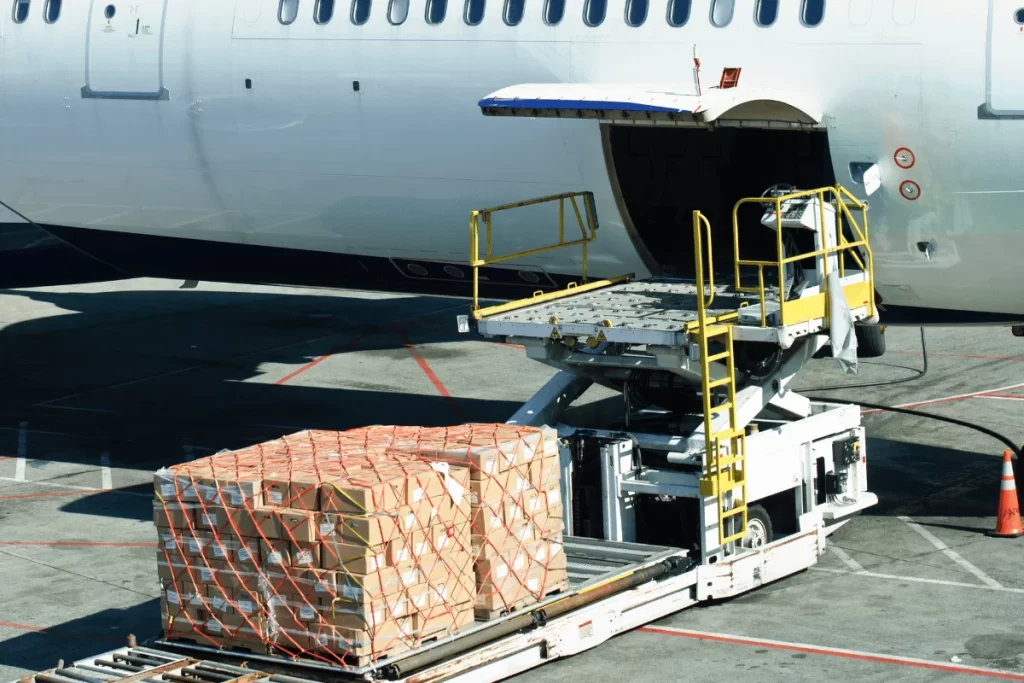
5. Which Airports Handle Air Freight from China?
China Airports: Shanghai Pudong (PVG), Beijing Capital (PEK), Guangzhou Baiyun (CAN), Shenzhen Bao’an (SZX).
Global Hubs: Los Angeles (LAX), New York (JFK), Frankfurt (FRA), Paris (CDG), London Heathrow (LHR), Madrid (MAD).
Strategic routing through these hubs ensures cost efficiency and faster customs clearance.
6. What Customs Documents Are Required?
To avoid delays, importers must prepare:
- Air Waybill (AWB)
- Commercial Invoice
- Packing List
- Certificate of Origin
- Import Declaration Form
- Insurance Certificate
- Special permits for restricted goods (e.g., medical, hazardous items)
7.Conclusion
Understanding air freight costs from China allows businesses to optimize supply chains and balance speed with expenses. While more expensive than sea or rail, air freight provides unmatched reliability for urgent shipments. Importers can reduce costs through consolidation, proper planning, and choosing the right logistics partner. Ultimately, working with experienced forwarders like China Top Freight ensures transparent pricing, timely delivery, and smooth customs clearance for global trade success.
8. Request a Quote
China Top Freight offers:
- ✅ Origin and Destination Countries
- ✅ Cargo Type and Volume
- ✅ Preferred Transport Method (Air, Sea, Rail, Road)
- ✅ Delivery Timeline
- ✅ Special Handling Requirements (if any)
9. FAQ
1. How do airlines calculate air freight costs from China?
Air freight costs are based on chargeable weight, which considers both actual weight and volumetric weight of the shipment.
2. Can small businesses afford air freight from China?
Small companies benefit from consolidated air freight, reducing costs by sharing cargo space with other shipments while maintaining speed.
3. How long does air freight take from China to Europe or USA?
Average transit takes 5–10 days, but express services may deliver within 3–5 days depending on routes and customs efficiency.
4. What hidden charges affect air freight pricing?
Additional costs include fuel surcharges, terminal fees, security checks, customs clearance, and insurance depending on cargo type and destination.
5. Are dangerous goods more expensive to ship by air?
Yes, hazardous cargo like batteries or chemicals requires special handling, packaging, and certification, leading to significantly higher freight rates.