

Air Freight Forwarder in China: Your Global Shipping Partner
Navigating international logistics can be complex, especially when importing from the world’s manufacturing hub. Businesses frequently face challenges like extended transit times, fluctuating shipping costs, and intricate customs procedures. Fortunately, partnering with a reliable China Top Freight air freight forwarder in China offers a streamlined solution to these common pain points, ensuring your goods arrive swiftly and safely.

What is an Air Freight Forwarder in China?
An air freight forwarder in China acts as an intermediary, managing the entire air cargo shipping process on behalf of importers and exporters. Essentially, they streamline the complex journey of goods from Chinese factories to destinations worldwide. This includes everything from booking cargo space to handling intricate documentation.
They leverage extensive networks with airlines, customs brokers, and ground transportation providers to ensure efficient and cost-effective delivery. Consequently, businesses can focus on their core operations while experts manage the logistics complexities.
Role in Global Logistics
A proficient air freight forwarder plays a critical role in global supply chains, facilitating international trade. They consolidate shipments, negotiate freight rates, and manage compliance with various international regulations. Moreover, they provide essential services that ensure seamless cross-border movement of goods.
Their expertise helps mitigate risks, reduce transit times, and ultimately lower overall shipping costs for businesses. Therefore, selecting the right partner is crucial for maintaining a competitive edge in global markets.
Why Choose Air Freight from China?
For many businesses, speed is paramount, making air freight an indispensable option for shipping from China. When products have a short shelf life, are high-value, or are subject to rapid market changes, air cargo provides the necessary swiftness. It significantly reduces the time goods spend in transit.
Additionally, air freight offers enhanced security measures compared to other shipping methods. Cargo is generally handled less frequently and spends less time in transit, minimizing the risk of damage or theft. This makes it ideal for sensitive or valuable items.
Speed and Urgency
Air freight dramatically cuts down delivery schedules, often transporting goods from China to major global hubs within 3-7 days. This rapid transit time is invaluable for just-in-time inventory systems and urgent product launches. Consequently, businesses can respond quickly to market demand and customer expectations.
Consider, for example, shipping fashion apparel or perishable goods; timely delivery is not merely an advantage but a necessity. The speed of air freight directly supports business agility and customer satisfaction.
Security and Reliability
Air cargo operations adhere to stringent security protocols and regulations, ensuring a higher level of protection for your goods. Airlines and forwarders implement robust tracking systems, offering real-time visibility into your shipment’s journey. Therefore, cargo handling is consistently professional and secure.
Furthermore, air freight typically has a lower incidence of damage and loss compared to other modes, providing greater peace of mind. This reliability is especially important for high-value or fragile shipments, safeguarding your investment throughout the logistics process.
Key Factors in Selecting a China Air Freight Forwarder
Choosing the right air freight forwarder in China is a strategic decision that impacts your supply chain efficiency and costs. Businesses must evaluate several critical factors beyond just freight rates. A thorough assessment ensures a partnership that aligns with your specific logistics needs and business goals.
Indeed, a forwarder’s capability to handle diverse cargo types, provide transparent communication, and offer comprehensive services can significantly enhance your import operations. This careful selection process is vital for long-term success.
Experience and Network
A forwarder’s experience in the Chinese market and their extensive network are invaluable assets. Look for providers with a proven track record and strong relationships with major airlines. This ensures access to competitive pricing and reliable cargo space, even during peak seasons.
Their network should ideally include offices or agents in key Chinese manufacturing cities, facilitating efficient cargo handling and pickup. Ultimately, a robust network translates into smoother operations and fewer delays for your shipments.
Compliance and Documentation
Navigating international shipping regulations and customs procedures requires expert knowledge. A competent forwarder will possess in-depth understanding of both Chinese export and destination country import laws. They will meticulously handle all required documentation, from air waybills to customs declarations.
Without a doubt, their expertise in customs brokerage helps prevent costly delays and penalties. Always verify their capabilities in managing complex regulatory frameworks and ensuring compliance.
Technology and Tracking
Modern air freight forwarding relies heavily on advanced technology for efficiency and transparency. Seek a forwarder that offers robust online tracking systems, allowing you to monitor your shipment’s progress in real-time. This provides crucial visibility and helps manage expectations.
Furthermore, digital platforms for booking, documentation management, and communication streamline the entire process, saving time and reducing errors. The integration of technology is a clear indicator of a forwarder’s commitment to modern logistics solutions.
The Air Freight Shipping Process: Step-by-Step
Understanding the typical workflow for air freight services from China demystifies the process for importers. While specific steps may vary slightly between forwarders, the core stages remain consistent. This knowledge empowers businesses to better plan their international shipments and coordinate with their chosen partner.
From initial booking to final delivery, each phase is critical for ensuring a smooth and timely transit. A clear understanding helps in anticipating potential challenges and making informed decisions.
Preparation and Booking
Initially, you provide shipment details, including cargo type, dimensions, weight, and destination. The air freight forwarder then offers a quote, which includes freight rates, handling fees, and other charges. Upon acceptance, space is booked with an airline.
Meanwhile, your goods are prepared for export, often involving proper packaging and labeling to meet air cargo standards. This preparatory phase is essential for preventing issues later in the supply chain.
Customs Clearance and Documentation
Before departure, the forwarder handles Chinese export customs clearance, ensuring all required permits and declarations are in order. The air waybill (AWB) is issued, serving as the contract of carriage and receipt of goods. This crucial document accompanies your cargo.
Upon arrival at the destination airport, import customs procedures commence. The forwarder or their agent manages the necessary paperwork and liaises with customs authorities to facilitate a smooth entry into the country. This prevents unnecessary delays.
Transit and Delivery
Once customs cleared, your cargo is loaded onto the aircraft for its journey. During transit, tracking information is usually available, allowing you to monitor its progress. Upon arrival, the cargo is offloaded and prepared for collection or onward delivery.
Finally, the forwarder can arrange local transportation for door-to-door delivery to your final warehouse or business location. This comprehensive service ensures your goods reach their ultimate destination efficiently.
How Does Air Freight Compare to Other Shipping Options?
Choosing the optimal shipping method from China depends heavily on your specific needs regarding cost, speed, and cargo characteristics. While air freight offers unparalleled speed, it is often the most expensive option. Therefore, a comprehensive comparison is essential for making an informed decision.
Consider your budget, urgency, and the nature of your goods when evaluating alternatives. Understanding the trade-offs between different modes helps in optimizing your logistics strategy for maximum efficiency and cost-effectiveness.
| Shipping Method | Cost Range | Transit Time | Best For | Limitations |
|---|---|---|---|---|
| Air Freight | High | 3-7 days | Urgent, High-value, Perishable, Small/Medium Cargo | Most expensive, Volume/weight restrictions |
| Sea Freight | Low | 15-45 days | Large Volume, Heavy, Non-urgent Cargo | Slow, Port congestion, Longer lead times |
| Rail Freight | Medium | 15-20 days | European Landlocked, Moderate Urgency, Medium Volume | Limited routes, Less flexible scheduling |
| Express Service | Very High | 1-3 days | Samples, Documents, Very Small/Urgent Parcels | Extremely costly for larger shipments |
Air vs. Sea Freight
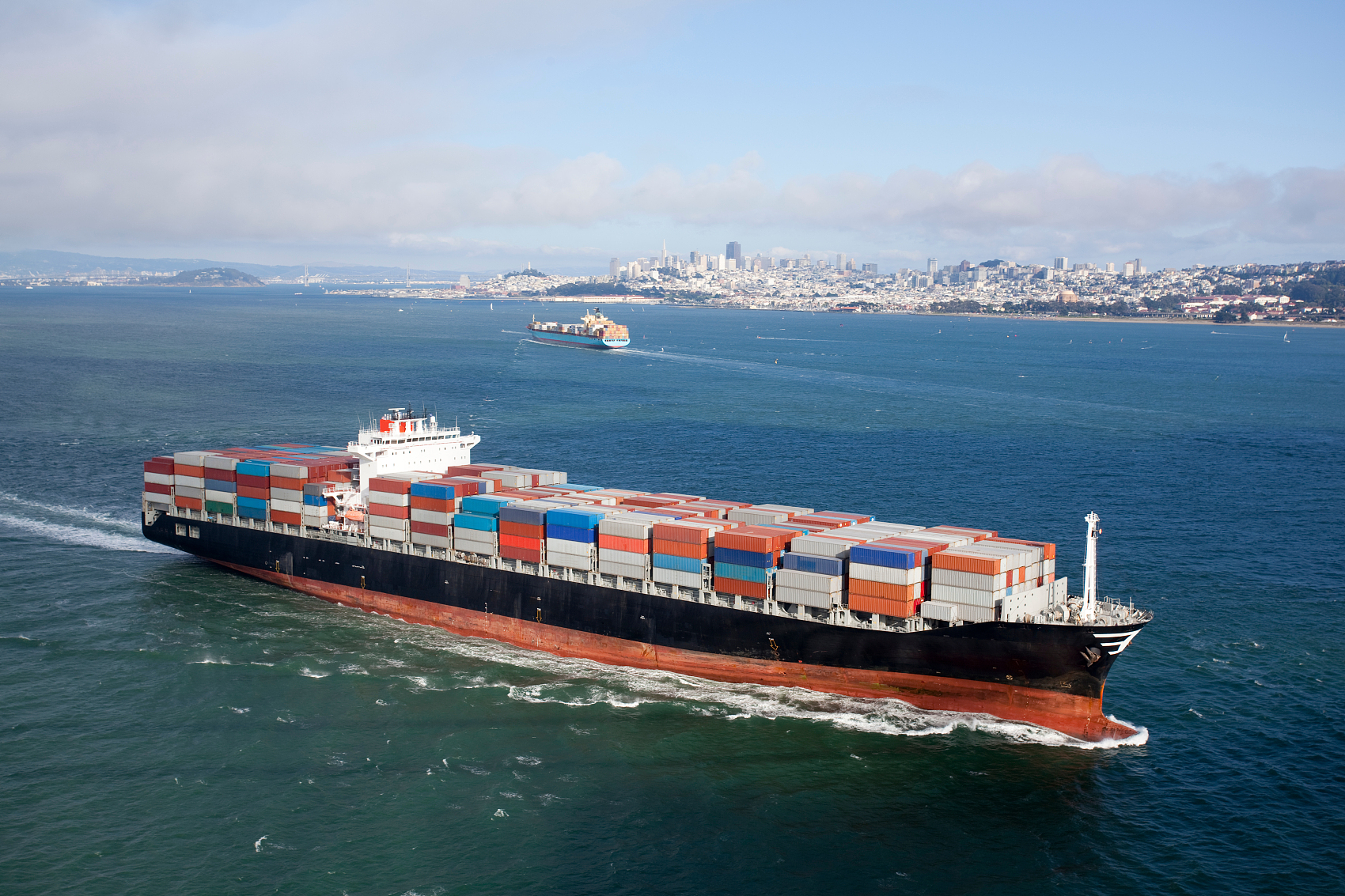
Air freight is significantly faster, taking days compared to weeks or months for sea freight. However, ocean shipping is considerably more economical for large volumes and heavy goods. For example, a 40HQ container via sea might cost $3,000-4,200, while the equivalent volume by air could be $15,000-25,000 or more.
Generally, sea freight is ideal for bulk, non-urgent, and heavy cargo, whereas air freight suits urgent, high-value, or perishable items. The choice often comes down to balancing transit time with shipping costs. As of Q1 2025, sea freight rates have stabilized, offering a cost-effective alternative for less time-sensitive shipments.
Air vs. Rail Freight
Rail freight, primarily via the China-Europe Express, offers a middle ground in terms of both speed and cost. It is faster than sea freight but slower than air, typically taking 15-20 days from China to Europe. Costs are generally lower than air but higher than sea freight.
This method is suitable for cargo that is too urgent for sea but not critical enough for air. However, rail freight is geographically limited to destinations reachable by rail networks, predominantly across Eurasia. It is not an option for routes like China to Australia or North America.
Air vs. Express Service
For extremely small, urgent packages, express service (e.g., DHL, FedEx, UPS) can be even faster than standard air freight, often delivering within 1-3 days. However, express services become disproportionately expensive as cargo volume and weight increase. Standard air freight is more cost-effective for larger commercial shipments.
Express service is usually preferred for samples, documents, or very light, high-value items. Conversely, commercial air freight handles consolidated cargo and larger consignments more efficiently, offering better freight rates per kilogram for bulkier shipments.
Hybrid Solutions and Decision Framework
Sometimes, a hybrid approach, such as sea-air combination, can offer an optimal balance. For instance, shipping by sea from China to a transshipment hub like Dubai, then by air to Europe, can save costs while still improving transit time compared to direct sea freight. This strategy provides flexibility.
Which option should you choose? Prioritize air freight for speed, high-value goods, or urgent deliveries. Opt for sea freight if budget is the main concern and time is flexible, especially for large volumes. Rail freight is excellent for landlocked European destinations with moderate urgency. For very small, urgent parcels, express service is ideal.
Real-World Air Freight Scenarios from China
Examining actual case studies provides practical insights into how air freight forwarders manage diverse shipping challenges. These examples illustrate the strategic benefits and typical operational details involved in transporting goods from China globally. They highlight the importance of adaptability and expertise.
These scenarios demonstrate the typical logistics trends and considerations for various cargo types and destinations, based on Q3 2024 market rates and operations.
Case Study 1: High-Value Electronics to Europe
This shipment of delicate electronics required precise handling and rapid transit to meet a tight market launch deadline in Germany. The chosen air freight solution ensured both speed and security.
Key Insight: Timeliness was critical for market entry. The direct air freight service, coupled with efficient customs pre-clearance, ensured the product arrived well within the launch window, preserving market advantage.
| Category | Details |
|---|---|
| Route | Shenzhen, China -> Frankfurt, Germany |
| Cargo | High-value consumer electronics, 4.5 CBM, 800 kg |
| Container | ULD (Unit Load Device) on passenger freighter |
| Shipping Details | Carrier/Service: Lufthansa Cargo, Port of Loading: Shenzhen (SZX), Port of Discharge: Frankfurt (FRA), Route Type: Direct flight |
| Cost Breakdown | Air Freight: $3,500, Origin Charges: $450, Destination Charges: $300, Customs & Duties (estimated): $800, Total Landed Cost: $5,050 |
| Timeline | Booking to Loading: 2 days, Air Transit: 1 day, Customs Clearance: 1 day, Total Door-to-Door: 4 days |
Case Study 2: Time-Sensitive Apparel to North America
A fashion brand needed to replenish popular items quickly for the upcoming season in the USA. Air freight was selected to avoid stockouts and capitalize on peak consumer demand.
Key Insight: Seasonal demand necessitated rapid replenishment. The consolidated air freight option provided a balance between cost and speed, ensuring shelves were stocked during the crucial sales period. Market data suggests such quick turns significantly impact sales.
| Category | Details |
|---|---|
| Route | Shanghai, China -> Los Angeles, USA |
| Cargo | Fashion apparel (seasonal), 6 CBM, 1200 kg |
| Container | Palletized Cargo |
| Shipping Details | Carrier/Service: China Airlines Cargo, Port of Loading: Shanghai Pudong (PVG), Port of Discharge: Los Angeles (LAX), Route Type: Direct flight |
| Cost Breakdown | Air Freight: $4,800, Origin Charges: $550, Destination Charges: $400, Customs & Duties (estimated): $1,000, Total Landed Cost: $6,750 |
| Timeline | Booking to Loading: 3 days, Air Transit: 2 days, Customs Clearance: 2 days, Total Door-to-Door: 7 days |
Case Study 3: Urgent Industrial Parts to Australia
An Australian manufacturer required critical spare parts from China to prevent production line shutdown. Speed was the absolute priority, justifying the higher cost of air freight.
Key Insight: Preventing production disruption was paramount. The efficient air freight solution minimized downtime, saving the manufacturer significant potential losses despite the higher shipping cost. This exemplifies strategic use of air cargo for business continuity.
| Category | Details |
|---|---|
| Route | Guangzhou, China -> Sydney, Australia |
| Cargo | Industrial machinery parts, 2.5 CBM, 450 kg |
| Container | Crated Cargo |
| Shipping Details | Carrier/Service: Qantas Freight, Port of Loading: Guangzhou (CAN), Port of Discharge: Sydney (SYD), Route Type: Direct flight |
| Cost Breakdown | Air Freight: $2,200, Origin Charges: $300, Destination Charges: $250, Customs & Duties (estimated): $500, Total Landed Cost: $3,250 |
| Timeline | Booking to Loading: 2 days, Air Transit: 1 day, Customs Clearance: 1 day, Total Door-to-Door: 4 days |
Navigating Customs and Regulations for Air Cargo
International shipping, especially by air, involves strict adherence to various customs regulations and documentation requirements. A slight error can lead to significant delays, penalties, or even cargo seizure. Therefore, understanding these complexities is vital for any importer.
Working with an experienced customs brokerage partner is indispensable to ensure compliance and smooth transitions through international borders. They act as your guide through the bureaucratic maze.
Essential Documents
Key documents include the Commercial Invoice, Packing List, Air Waybill (AWB), and sometimes a Certificate of Origin. For specific goods, additional licenses or permits may be required, such as for electronics or certain chemicals. Accurate and complete documentation is non-negotiable.
The forwarder typically assists in preparing and verifying these documents, ensuring they meet the requirements of both export and import countries. This proactive approach minimizes potential issues during customs clearance.
Tariffs and Duties
Importers must be aware of applicable tariffs, duties, and taxes imposed by the destination country. These costs can significantly impact the total landed cost of goods. Harmonized System (HS) codes are crucial for correctly classifying products and determining these charges.
A knowledgeable air freight forwarder in China can provide estimations for these costs and advise on strategies to minimize them where legally possible. Transparent communication about potential charges helps avoid unexpected expenses upon arrival.
Optimizing Your Air Freight Strategy with a China Forwarder
To maximize the benefits of air freight from China, businesses should adopt strategic approaches in collaboration with their forwarder. Optimization extends beyond simply choosing the fastest option; it involves smart planning and leveraging specialized services. Consequently, this enhances overall supply chain efficiency.
By focusing on these key areas, companies can achieve better cost control, improved delivery schedules, and greater reliability for their international shipments. This proactive management is a hallmark of effective logistics.
Consolidation Services
For smaller shipments, cargo consolidation is a cost-effective strategy. A forwarder combines multiple smaller consignments from different shippers into a single, larger shipment. This allows individual shippers to benefit from lower bulk freight rates.
Consolidation reduces the per-unit shipping cost, making air freight more accessible for businesses with less-than-full-pallet loads. This is particularly beneficial for small businesses importing from various suppliers in China.
Door-to-Door Solutions
Opting for a comprehensive door-to-door delivery service simplifies the entire logistics chain. The forwarder manages every step, from pickup at the supplier’s factory in China to final delivery at your warehouse. This minimizes your administrative burden.
Such integrated services often include customs clearance, local transportation, and even warehousing solutions. This seamless approach provides a single point of contact and accountability, reducing complexity and potential for errors.
Risk Management
Effective risk management is paramount in international air freight. This includes securing adequate cargo insurance to protect against damage, loss, or theft during transit. Your forwarder can advise on suitable insurance options and coverage.
Furthermore, a proactive forwarder identifies potential bottlenecks, such as port congestion or seasonal delays, and offers alternative solutions. This foresight helps maintain a robust and resilient supply chain, even amidst unforeseen challenges.
Market Insights and Future Trends in Air Freight
The global air freight market is dynamic, constantly influenced by economic shifts, geopolitical events, and technological advancements. Staying informed about these trends is crucial for businesses relying on air cargo from China. Understanding the market context helps in strategic planning.
As of early 2025, air freight rates from China have shown relative stability after recent global disruptions, though peak seasons can still see 15-25% increases in August-October. Industry benchmarks indicate a growing demand for sustainable logistics solutions.
Current Challenges and Opportunities
Challenges include fluctuating fuel costs, air cargo capacity constraints, and ongoing geopolitical tensions impacting specific routes. However, opportunities arise from the increasing demand for e-commerce, driving growth in express and time-critical shipments. This creates new avenues for specialized services.
Many forwarders are investing in digital platforms to enhance efficiency and transparency, offering better services to clients. Adapting to these market conditions is key for both forwarders and importers.
Technological Advancements
Innovation in air cargo includes enhanced tracking technologies, AI-driven route optimization, and automated warehousing solutions. These advancements promise greater efficiency, reduced transit times, and improved security for shipments. Digitalization is transforming the entire logistics landscape.
Moreover, blockchain technology is being explored for secure documentation and increased transparency across the supply chain. Embracing these technological shifts will be vital for future competitive advantage in air freight.
Partnering with the Right Air Freight Forwarder in China
Ultimately, selecting a proficient air freight forwarder in China is essential for any business prioritizing speed, security, and efficiency in their international shipping. Their expertise in managing complex logistics, customs, and documentation saves valuable time and resources. This partnership allows you to focus on your core business growth.
By understanding the various factors involved and leveraging strategic services, you can significantly enhance your supply chain operations. A reliable air freight forwarder in China is more than a service provider; they are a crucial extension of your global business network, ensuring your goods reach their destination seamlessly.
Need a tailored shipping solution?
Ready to streamline your imports with a leading air freight forwarder in China? Contact us today for a personalized quote and discover how our expert team can optimize your supply chain. We are committed to providing reliable, efficient, and cost-effective air cargo solutions tailored to your business needs.