

Importers rely on air freight from China to Australia when speed and reliability matter most. However, challenges like high freight charges, customs requirements, and strict delivery schedules often complicate the process. With professional freight forwarders, businesses can navigate supply chain complexities while optimizing costs, ensuring smooth import/export operations across these two key trading partners.
1. Why Choose Air Freight from China to Australia?
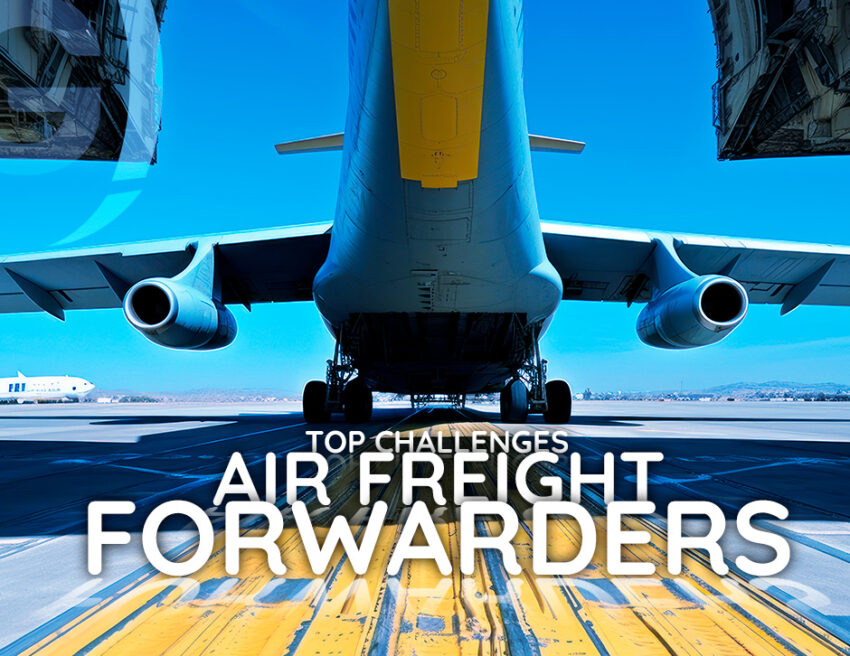
Air freight is the fastest transport option for goods between China and Australia. Businesses select this method because:
- Speed: Delivery within 3–7 days.
- Reliability: Consistent airline schedules reduce uncertainty.
- Security: Better handling of fragile or high-value goods.
- Connectivity: Direct links between major Chinese airports (Shanghai, Shenzhen, Guangzhou) and Australian hubs (Sydney, Melbourne, Brisbane).
2. What Are the Shipping Options?
| Shipping Method | Avg. Transit Time | Avg. Cost | Best For | Pros | Cons |
|---|---|---|---|---|---|
| Standard Air Freight | 5–8 days | Medium | General cargo | Reliable | Higher cost than sea freight |
| Express Air Freight (DHL/UPS/FedEx) | 3–5 days | High | Urgent small parcels | Door-to-door | Very expensive |
| Consolidated Air Freight | 6–10 days | Lower | SMEs & e-commerce | Shared costs | Less flexible scheduling |
3. How Much Does Air Freight from China to Australia Cost?
| Route | Avg. Rate (USD/kg) | Transit Time | Notes |
|---|---|---|---|
| Shanghai → Sydney | $4.5 – $6.5 | 5–7 days | Most common trade lane |
| Shenzhen → Melbourne | $4.0 – $6.0 | 4–6 days | Popular for electronics |
| Guangzhou → Brisbane | $4.2 – $6.8 | 5–7 days | Strong e-commerce demand |
What are you waiting for?
Contact TJ China Freight for a fast, free quote.
Are you ready to book?
Access live instant freight quotes
4. How Is Chargeable Weight Calculated?
| Formula | Example | Result |
|---|---|---|
| Volumetric Weight = (L × W × H) ÷ 6000 | 120 × 80 × 70 cm | 112 kg |
| Actual Weight | 95 kg | 95 kg |
| Chargeable Weight | — | 112 kg |
5. How Long Does Shipping Take?
| Origin Airport (China) | Destination (Australia) | Standard Transit | Express Transit |
|---|---|---|---|
| Shanghai (PVG) | Sydney (SYD) | 5–7 days | 3–5 days |
| Shenzhen (SZX) | Melbourne (MEL) | 4–6 days | 2–4 days |
| Guangzhou (CAN) | Brisbane (BNE) | 5–7 days | 3–5 days |
Compared to sea freight (20–30 days), air freight from China to Australia saves weeks in delivery time.
6. What Documents Are Required?
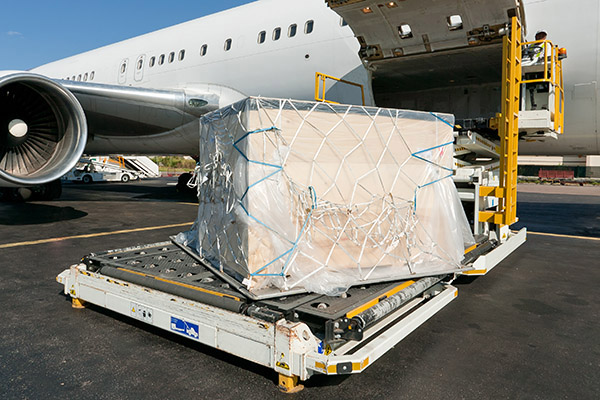
| Document | Purpose |
|---|---|
| Air Waybill (AWB) | Proof of shipment |
| Commercial Invoice | Declares value of goods |
| Packing List | Cargo dimensions and weight |
| Import Declaration | Required by Australian Customs |
| Certificate of Origin | Confirms product origin |
7. Customs Duties & Taxes in Australia
When importing goods, businesses must prepare for:
- Import Duty: Usually 5% of customs value.
- Goods and Services Tax (GST): 10% on most imports.
- Tariffs & Quarantine Fees: Based on product type.
Additionally, sensitive goods such as food, plants, or chemicals may require clearance under Australian Quarantine and Inspection Service (AQIS).
8. What Are the Advantages of Air Freight?
- Faster deliveries ensure reduced stockouts.
- High security for fragile or luxury items.
- Consistent scheduling compared to ocean routes.
- Efficient customs processing with electronic documentation.
Although more expensive, these benefits make air freight from China to Australia ideal for high-value and time-sensitive cargo.
9. Can Small Businesses Use Air Freight?
Yes. SMEs can benefit from consolidated air freight, paying only for the space they use in a shared shipment. This is particularly useful for e-commerce sellers.
10. How to Reduce Air Freight Costs?
Strategies to optimize costs include:
- Booking shipments early to secure lower rates.
- Consolidating shipments to reduce per-unit expenses.
- Shipping in off-peak seasons to avoid surcharges.
- Using optimized packaging to lower volumetric weight.
- Partnering with experienced freight forwarders who negotiate discounts.
11. Future Trends in Air Freight from China to Australia
- Digitalization: Online booking and real-time tracking.
- Green aviation: Airlines adopting fuel-efficient aircraft.
- E-commerce growth: More demand for fast deliveries.
- Trade agreements: Potential tariff reductions under RCEP.
These trends will make air freight increasingly efficient and sustainable.
Final Thoughts
In conclusion, air freight from China to Australia offers unmatched speed, security, and reliability for importers. While more expensive than ocean freight, it remains the best choice for urgent, high-value, or time-sensitive goods. By preparing accurate documents, understanding customs requirements, and working with professional freight forwarders, businesses can reduce risks, optimize costs, and ensure smooth supply chain operations.
FAQ
Q1: What is the minimum weight for air freight from China to Australia?
Most airlines accept 45 kg as a minimum, but smaller shipments may be cheaper through couriers.
Q2: Can I ship perishable goods by air freight?
Yes, temperature-controlled air freight solutions exist for food, medicine, and other perishable products.
Q3: Do I need an import license for goods shipped to Australia?
Not all goods require licenses, but restricted items like chemicals may need special permits.
Q4: How early should I book air freight before shipping?
Booking 1–2 weeks in advance is recommended, especially during peak seasons.
Q5: Is insurance necessary for air freight shipments?
Insurance is strongly recommended, particularly for high-value or fragile goods.