

Air Freight from China to Australia Time: Your Ultimate Guide
Understanding the intricacies of air freight from China to Australia time is crucial for businesses aiming for efficient supply chains. Many factors influence transit durations, from departure airports to customs procedures. This comprehensive guide details what to expect, helping you make informed decisions for your cargo.
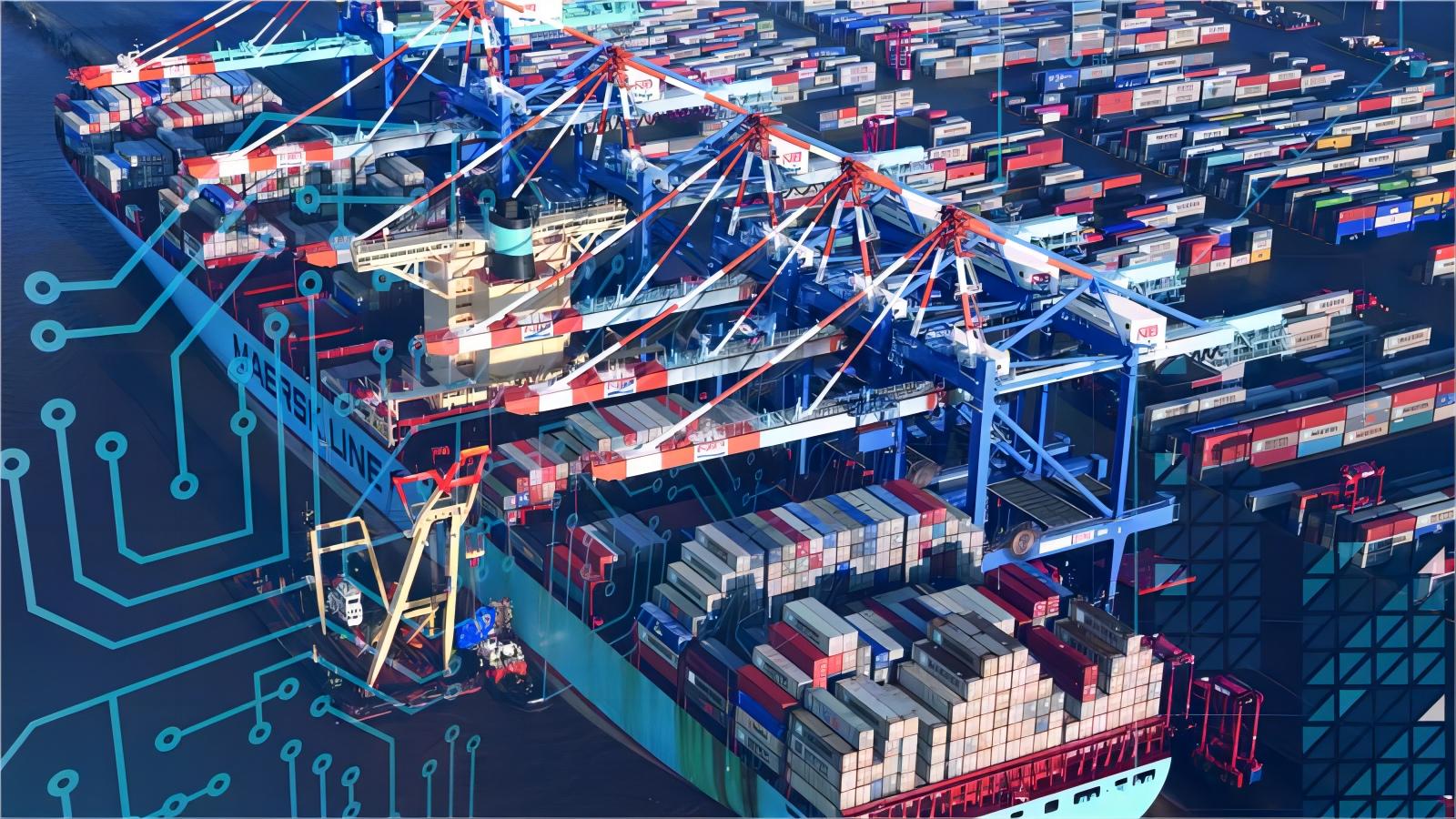
What is the Typical Air Freight from China to Australia Time?
Typically, standard air freight from major Chinese cities like Shanghai, Guangzhou, or Shenzhen to key Australian hubs such as Sydney, Melbourne, or Brisbane takes approximately 3 to 7 business days. This timeframe covers airport-to-airport transit.
However, this duration can vary significantly due to several influencing factors. Urgent shipments, for instance, might be prioritized, potentially reducing the transit time. Consequently, planning is essential for time-sensitive deliveries.
For a more precise estimate, considering the specific origin and destination airports is vital. Different routes and carrier schedules directly impact the overall delivery schedule. Therefore, always verify with your freight forwarder.
What Factors Influence Air Freight Transit Times?
Several critical elements collectively determine the actual air freight journey from China to Australia. Understanding these factors helps in better planning and expectation management. Moreover, market data suggests that some variables are more impactful than others.
Firstly, the specific origin and destination airports play a significant role. Direct flights are naturally faster than routes requiring transshipment or multiple stops. Secondly, the chosen airline and its service level (e.g., standard vs. express) directly affect speed. Furthermore, carrier capacity and flight frequency can also cause variations.
Thirdly, customs clearance processes at both ends can introduce delays. Proper documentation is paramount to avoid hold-ups, indeed. Additionally, peak seasons, such as Christmas or Chinese New Year, often lead to increased demand and potential backlogs. Finally, weather conditions or unforeseen logistical disruptions can also impact delivery schedules.
How Do Air Freight Costs Impact Delivery Speed?
Generally, higher air freight rates often correlate with faster transit times and premium services. Shippers can opt for express air freight services which, while more expensive, significantly reduce the overall delivery schedule. This is particularly beneficial for urgent shipping from China to Australia.
Conversely, more economical standard air freight options typically involve longer transit times. These services might utilize less direct routes or have lower priority for cargo loading. Therefore, businesses must balance speed requirements with their shipping costs.
Moreover, the chargeable weight of your cargo (which considers both actual and volumetric weight) directly influences the freight rates. Understanding this calculation helps in optimizing costs for different cargo types. Consequently, a detailed quote from a reliable air freight forwarder is always recommended.
Navigating Customs Clearance for Air Freight to Australia
Efficient customs clearance is a crucial component of reducing the overall air freight from China to Australia time. Australian customs regulations are stringent, requiring precise documentation and adherence to import/export guidelines. Without a doubt, proper preparation prevents significant delays.
Importers must provide accurate commercial invoices, packing lists, and certificates of origin. Additionally, certain goods may require specific permits or licenses. Engaging professional customs brokerage services can streamline this complex process, ensuring compliance and faster release.
Furthermore, understanding Australia’s biosecurity requirements is essential, especially for goods that could pose environmental risks. Any discrepancies or missing information can lead to inspections, fines, or even cargo seizure. As a result, proactive management of customs documentation is vital.
How Does Air Freight Compare to Other Shipping Options?
When evaluating shipping from China to Australia, businesses often weigh air freight against sea freight and express courier services. Each method presents distinct advantages and disadvantages regarding speed, cost, and capacity. Therefore, selecting the appropriate option depends on specific logistical needs.
Air freight offers unparalleled speed for time-sensitive goods, making it ideal for high-value or perishable items. However, it comes at a higher cost and has limitations on cargo size and weight. On the other hand, sea freight is significantly more economical for large volumes but involves much longer transit times.
Express courier services, often integrated within air networks, provide door-to-door convenience and extremely fast delivery for smaller packages. Nevertheless, their per-kilogram cost is typically the highest. This comparison highlights the trade-offs involved in various logistics trends.
| Shipping Method | Cost Range | Transit Time | Best For | Limitations |
|---|---|---|---|---|
| Air Freight (Standard) | $5-10/kg | 3-7 Days | Urgent, High-Value, Perishable Goods | Higher Cost, Volume/Weight Restrictions |
| Air Freight (Express) | $10-25/kg | 1-3 Days | Extremely Urgent, Small Packages | Highest Cost, Small Volume Only |
| Sea Freight (LCL) | $80-150/CBM | 15-30 Days | Medium Volume, Cost-Sensitive | Longer Transit, Potential Delays |
| Sea Freight (FCL) | $1,000-2,000/container | 12-25 Days | Large Volume, Non-Urgent | Long Transit, Port Congestion Risk |

Alternative Strategies: When to Choose Other Methods
While air freight excels in speed, alternative shipping methods are often more suitable depending on your cargo and budget. Understanding these options can lead to significant cost savings and optimized supply chain management. Consequently, a strategic approach is essential.
For bulkier, non-urgent shipments, sea freight remains the most cost-effective solution. Although transit times extend to weeks, the cost per unit volume is substantially lower. This method is ideal for inventory replenishment or large-scale imports.
If your shipment is small, lightweight, and requires rapid delivery directly to the recipient’s door, an express service might be preferable. These services typically include end-to-end tracking and expedited customs. However, they are not suitable for large or heavy items.
Consider hybrid solutions, such as sea-air, for a balance between cost and speed. This involves shipping goods by sea to a hub (e.g., Dubai) and then by air to the final destination. This approach can be a strategic compromise for certain logistics trends.
Which Option Should You Choose?
Your choice of shipping method hinges on several key criteria. Budget priority, for instance, will often steer you towards sea freight for larger volumes. Speed priority, conversely, points directly to air freight or express services for urgent shipments.
Cargo type considerations also play a vital role. Perishable goods, high-value electronics, or fashion items with short market windows are best suited for air freight. Meanwhile, durable goods or raw materials can comfortably travel via sea.
Volume thresholds for switching methods are also important. For shipments under 0.5 CBM or 100 kg, express air freight might be competitive. However, for anything above 2 CBM, standard air freight or LCL sea freight becomes more economical. Always get a current quote tailored to your specific needs.
Case Studies: Real-World Air Freight from China to Australia Time
Examining real-world scenarios helps illustrate the practical aspects of air freight from China to Australia. These examples showcase typical transit times, costs, and common challenges. Based on Q3 2024 market rates, these cases provide valuable insights.
Case Study 1: Urgent Electronics Component Shipment
This case highlights the efficiency of express air freight for critical components. The client needed a rapid delivery to prevent production line stoppage. The focus was on speed over cost.
| Detail | Description |
|---|---|
| Route | Shenzhen, China -> Sydney, Australia |
| Cargo | High-value circuit boards, 0.8 CBM, 120 kg |
| Service | Express Air Freight (Premium Carrier) |
| Shipping Details | Direct flight from SZX to SYD. Priority handling. |
| Cost Breakdown | Air Freight: $2,500; Origin Charges: $150; Destination Charges: $100; Customs & Duties (estimated): $200; Total Landed Cost: $2,950 |
| Timeline | Booking to Loading: 1 day; Air Transit: 1 day; Customs Clearance: 1 day; Total Door-to-Door: 3 days |
| Key Insight | Achieved critical speed at a premium cost, saving substantial production losses. This demonstrates the value of priority air cargo handling. |
Case Study 2: Standard Air Freight for Apparel Samples
A fashion brand needed to receive new season samples promptly for marketing. While not critically urgent, a balance of speed and cost was desired. This illustrates typical air cargo transit times China Australia.
| Detail | Description |
|---|---|
| Route | Guangzhou, China -> Melbourne, Australia |
| Cargo | Apparel samples, 2.5 CBM, 350 kg |
| Service | Standard Air Freight (Consolidated) |
| Shipping Details | Consolidated cargo on a major carrier, 1 stop. |
| Cost Breakdown | Air Freight: $1,900; Origin Charges: $200; Destination Charges: $180; Customs & Duties (estimated): $300; Total Landed Cost: $2,580 |
| Timeline | Booking to Loading: 2 days; Air Transit: 3 days; Customs Clearance: 2 days; Total Door-to-Door: 7 days |
| Key Insight | Managed to get samples to market within acceptable timeframe. Slight delays due to consolidation were anticipated and budgeted for. |
Case Study 3: Door-to-Door Air Freight for Small Machinery
A small business imported specialized equipment, requiring a comprehensive logistics solution. They opted for a door-to-door service to simplify the process. This included pick-up, customs, and final delivery.
| Detail | Description |
|---|---|
| Route | Ningbo, China -> Perth, Australia |
| Cargo | Small manufacturing machine, 1.5 CBM, 280 kg |
| Service | Door-to-Door Air Freight |
| Shipping Details | Includes pick-up, customs clearance, and final delivery by truck. |
| Cost Breakdown | All-inclusive Air Freight: $2,800; Customs & Duties (estimated): $450; Total Landed Cost: $3,250 |
| Timeline | Booking to Loading: 2 days; Air Transit: 4 days; Customs Clearance: 2 days; Local Delivery: 1 day; Total Door-to-Door: 9 days |
| Key Insight | The comprehensive service minimized hassle for the client, despite a slightly longer overall timeline. This highlights the value of integrated logistics. |

Mastering Air Freight from China to Australia
In conclusion, successful air freight from China to Australia time management hinges on understanding various factors. These include transit times, costs, customs regulations, and available service levels. By carefully considering these elements, businesses can effectively optimize their supply chain. Ultimately, choosing the right freight partner is paramount for efficient and reliable delivery.
Note: Freight rates are subject to change based on fuel costs, carrier capacity, and seasonal demand. Contact us for a current quote tailored to your specific shipment.
Start Your Shipment
Ready to optimize your air freight from China to Australia time and costs? Contact our experts today for a personalized quote and seamless shipping solutions. We’re here to streamline your logistics.
Request Quote