

- By kelly
- October 24, 2025
- Logistics, Tips or Guide
Air Freight from China to Philippines: Complete Guide for Importers
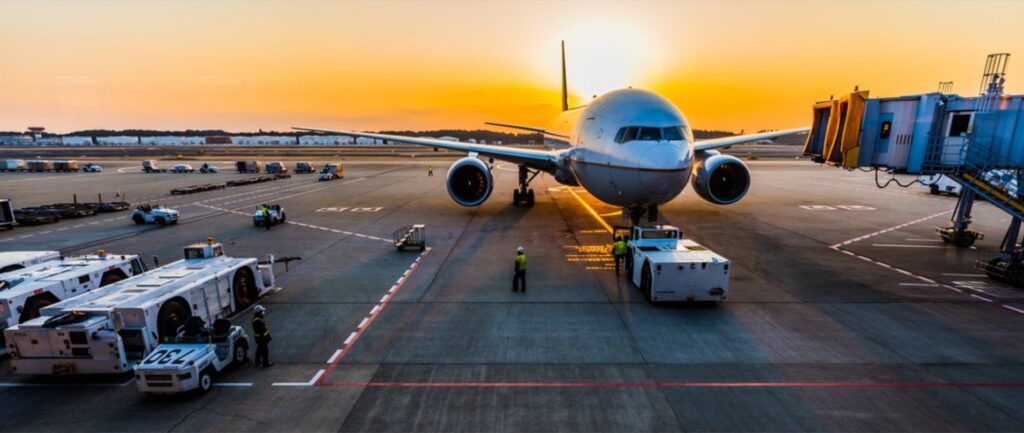
Shipping goods across borders can be challenging, especially when dealing with customs, tight delivery schedules, and logistics risks. Choosing air freight from China to Philippines offers speed, reliability, and flexibility for businesses that need to move goods quickly without compromising efficiency.
Whether you are an importer sourcing electronics, garments, or auto parts, understanding the process, costs, and documents required will help streamline your supply chain. This guide will cover everything you need to know—from transit times to customs clearance—so you can make informed decisions.
1. What Is Air Freight from China to Philippines?
Air freight refers to transporting goods by aircraft, providing faster delivery compared to sea or rail freight. When shipping from China to the Philippines, air freight is ideal for time-sensitive cargo such as medical supplies, e-commerce parcels, and high-value items.
Air freight offers:
- Shorter transit time (1–5 days vs. weeks by sea)
- High reliability with scheduled flights
- Better cargo security
2. Why Choose Air Freight from China to Philippines?
Importers often ask why they should pay more for air shipping when sea freight is cheaper. The answer lies in efficiency and reliability.
- Urgency: Businesses with strict delivery schedules prefer air freight.
- Smaller shipments: Low-volume shipments benefit from competitive air freight rates.
- High-value cargo: Security is stronger with controlled airline handling.
3.How Long Does Air Freight from China to Philippines Take?
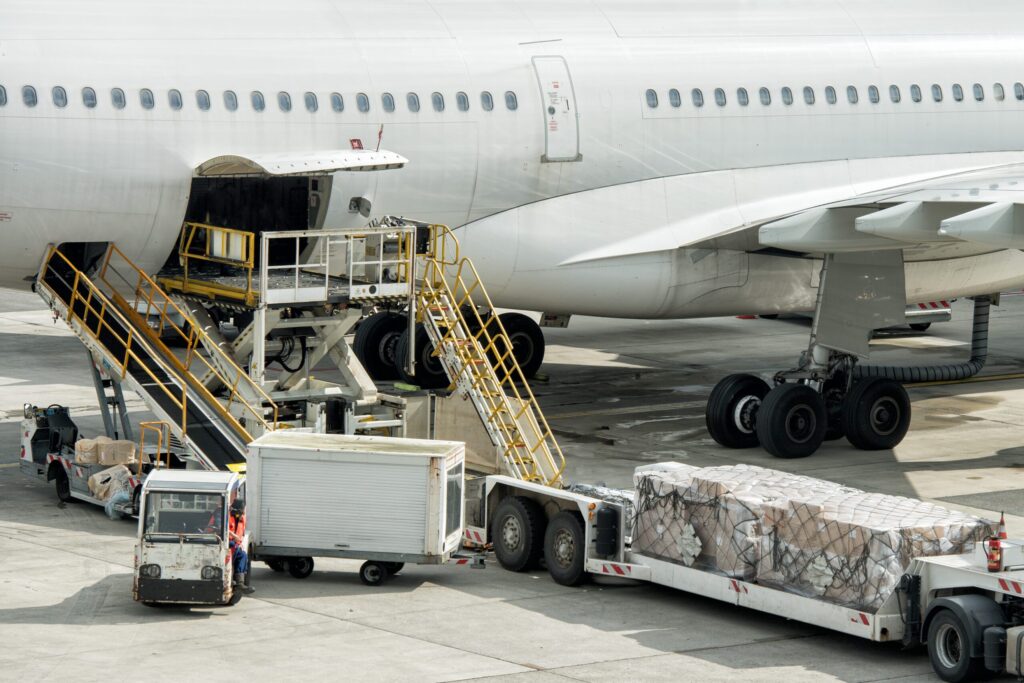
Transit time depends on the departure airport, airline schedules, and customs clearance.
| Route | Transit Time (Direct) | With Customs & Handling | Best For |
|---|---|---|---|
| Shanghai → Manila | 1–2 days | 3–4 days | Electronics, garments |
| Shenzhen → Cebu | 2–3 days | 4–5 days | E-commerce parcels |
| Guangzhou → Davao | 2–3 days | 4–6 days | Food, perishables |
| Beijing → Manila | 2 days | 3–5 days | Machinery, auto parts |
Note: Transit times may increase during peak seasons such as Chinese New Year or holiday rush.
4. How Much Does Air Freight from China to Philippines Cost?
Air freight costs are usually calculated based on chargeable weight (actual weight vs. volumetric weight).
| Cargo Type | Approx. Cost per kg (USD) | Notes |
|---|---|---|
| General cargo | $3.5 – $6.0 | Clothing, toys, auto parts |
| Sensitive goods | $5.0 – $8.0 | Batteries, electronics |
| Express courier (DHL, FedEx) | $8.0 – $12.0 | Fastest option, door-to-door |
Tip: Consolidating shipments with a freight forwarder helps lower costs.
5. What Documents Are Required for Air Freight?
Proper documentation is crucial for customs clearance.
| Document | Purpose |
|---|---|
| Commercial Invoice | Lists product details & values |
| Packing List | Confirms package contents |
| Air Waybill (AWB) | Contract between shipper & airline |
| Import Permit | Required for restricted goods |
| Certificate of Origin | Proves country of manufacture |
Without these documents, your cargo risks delays or penalties.
6. What Goods Are Commonly Shipped by Air Freight?
Some goods are better suited for air transportation:
- Electronics (phones, laptops, chips)
- Medical supplies & pharmaceuticals
- Fashion items & textiles
- Perishable food (seafood, fruits)
- High-value products (jewelry, watches)
7. Air Freight vs. Sea Freight vs. Rail Freight: Which Should You Choose?
| Method | Transit Time | Cost | Best For | Cons |
|---|---|---|---|---|
| Air Freight | 1–5 days | High | Urgent, high-value goods | Expensive, weight limits |
| Sea Freight | 15–30 days | Low | Bulk cargo, heavy goods | Slower, port delays |
| Rail Freight | Not available | N/A | Between China & Europe | Not applicable to PH |
For China–Philippines, air and sea freight are the primary options. Businesses often use air freight for urgent deliveries and sea freight for bulk shipments.
8. How to Reduce Air Freight Costs?
Although air freight is more expensive, businesses can optimize costs:
- Book early during peak seasons.
- Work with a reliable freight forwarder for bulk discounts.
- Use consolidation services to share cargo space.
- Optimize packaging to reduce volumetric weight.
9. Which Airports Handle Air Freight in China and Philippines?
Major Airports in China:
- Shanghai Pudong International Airport (PVG)
- Guangzhou Baiyun International Airport (CAN)
- Shenzhen Bao’an International Airport (SZX)
- Beijing Capital International Airport (PEK)
Major Airports in Philippines:
- Ninoy Aquino International Airport (MNL) – Manila
- Mactan-Cebu International Airport (CEB) – Cebu
- Francisco Bangoy International Airport (DVO) – Davao
10. Customs Clearance Process in the Philippines
Clearing customs quickly requires accuracy and compliance:
- Submit required documents (invoice, AWB, permits).
- Pay customs duties and VAT.
- Undergo inspection for restricted goods.
- Release goods for delivery to consignee.
Pro tip: Partnering with an experienced freight forwarder in the Philippines ensures faster clearance.
11. Common Challenges with Air Freight from China to Philippines
- Peak season surcharges during holidays.
- Customs delays due to missing documents.
- Weight restrictions for oversized cargo.
- Higher costs compared to sea freight.
However, proper planning and working with logistics experts can overcome these hurdles.
12. Future Trends in Air Freight Between China and Philippines
- E-commerce growth: Rising demand for cross-border parcels.
- Green logistics: Airlines focusing on carbon-neutral shipping.
- Digitalization: Real-time cargo tracking and automated customs systems.
📦Get a Free Quote
Want to save time and avoid costly mistakes when shipping? Contact our team for expert solutions in air freight from China to Philippines. Get a free quote today and ensure smooth customs clearance and timely delivery for your business.
❓ Frequently Asked Questions
Q1: How long does air freight take from China to Philippines?
Air freight typically takes 1–5 days depending on route and customs clearance. Manila has the fastest processing, while Cebu and Davao may require more time.
Q2: What is the cheapest way to ship goods from China to Philippines?
Sea freight is the cheapest for bulk shipments, while consolidated air freight offers a balance of cost and speed for smaller loads.
Q3: Can I ship batteries via air freight from China?
Yes, but lithium batteries are classified as dangerous goods. Special packaging and airline approval are required before shipment.
Q4: Do I need an import permit for all air shipments?
Not all goods require permits. However, restricted items like food, medical supplies, or chemicals may need special clearance.
Q5: Which Chinese city is best for air freight to Philippines?
Guangzhou and Shenzhen are popular for exports due to proximity to manufacturing hubs and frequent flights to the Philippines.
Conclusion
Choosing air freight from China to Philippines is the smartest option for businesses needing fast, secure, and reliable delivery. While costs are higher than sea freight, the speed, reduced risk of damage, and efficiency often outweigh the expense—especially for time-sensitive shipments.
By preparing accurate documents, consolidating cargo, and working with an experienced freight forwarder, you can minimize risks and maximize efficiency. If timely delivery and smooth customs clearance are priorities, air freight is the best solution.