

- By kelly
- October 24, 2025
- Logistics, Tips or Guide
Air Freight from China to Saudi Arabia: Cost, Transit Time & Customs Guide
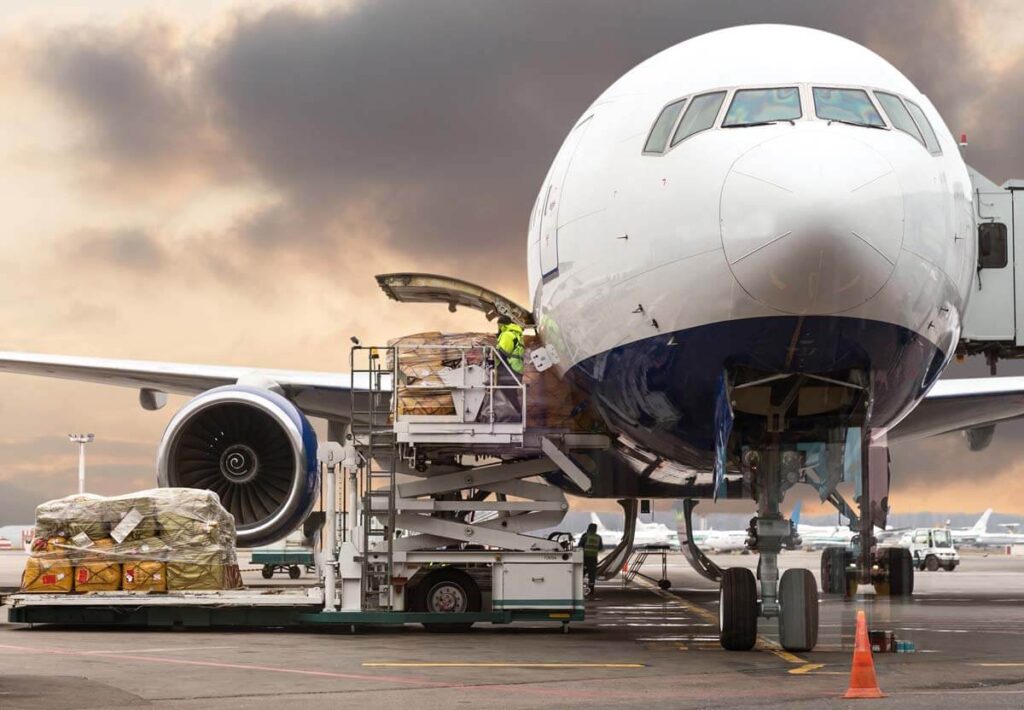
For businesses importing goods into the Middle East, air freight from China to Saudi Arabia is one of the most efficient and reliable shipping methods. With China being a leading supplier of electronics, machinery, textiles, and consumer goods, Saudi importers increasingly rely on air cargo to maintain supply chain efficiency. However, questions about costs, customs clearance, and transit time often arise. This guide provides a comprehensive overview to help you make informed decisions.
1. Why Choose Air Freight from China to Saudi Arabia?
Air freight is favored when:
- Speed is essential, such as for electronics, fashion, or urgent spare parts.
- Security is critical, since airports have stricter handling protocols.
- Market deadlines matter, ensuring products arrive before key sales periods.
While air freight costs more than sea freight, it provides unmatched reliability for time-sensitive shipments.
2. What Is the Average Transit Time for Air Freight?
Transit time depends on the route, airline, and customs clearance.
| Route | Direct Flight Transit | Indirect Transit | Typical Clearance Time | Total Estimated Time |
|---|---|---|---|---|
| Shanghai → Riyadh | 1–2 days | 4–6 days | 1–2 days | 3–8 days |
| Guangzhou → Jeddah | 1–2 days | 3–5 days | 1–2 days | 3–7 days |
| Shenzhen → Dammam | 1–2 days | 4–6 days | 1–2 days | 4–8 days |
Tip: Choosing direct flights minimizes delays, but indirect flights may reduce costs.
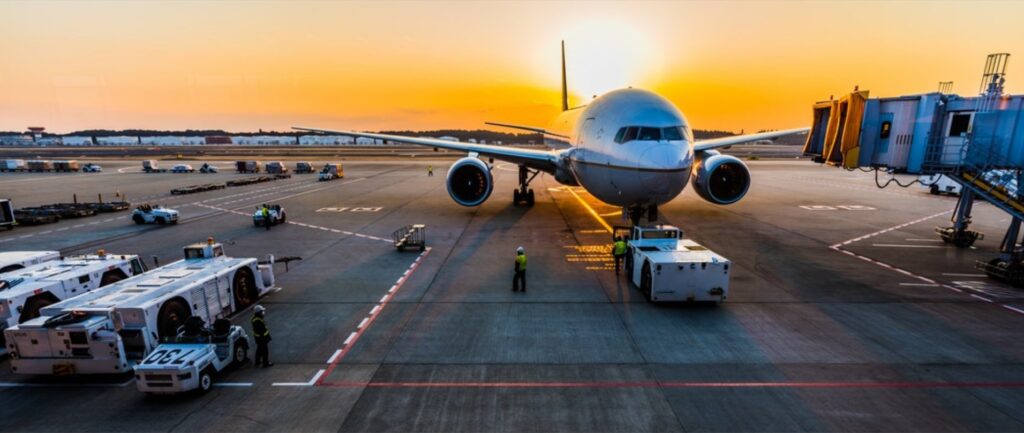
3. How Much Does Air Freight from China to Saudi Arabia Cost?
| Weight/Volume | Average Rate (USD) | Notes |
|---|---|---|
| 45–100 kg | $6–$8 per kg | Small cargo, fast delivery |
| 100–300 kg | $5–$7 per kg | More economical |
| 300–500 kg | $4–$6 per kg | Best balance of cost and speed |
| 500+ kg | Negotiable rates | Lower unit cost |
Note: Prices vary due to fuel costs, demand fluctuations, and peak seasons like Ramadan or Chinese New Year.
4. What Documents Are Required for Customs Clearance?
| Document | Purpose |
|---|---|
| Commercial Invoice | Declares product value for duty calculation. |
| Packing List | Specifies item details, quantity, and weight. |
| Air Waybill | Proof of contract with carrier. |
| Certificate of Origin | Confirms country of manufacture. |
| Import License | For restricted goods. |
| SASO Certificate | Ensures compliance with Saudi standards. |
Incomplete paperwork is one of the leading causes of delays at Saudi customs.
5. How Does Air Freight Compare with Sea and Rail?
| Mode | Cost | Transit Time | Pros | Cons |
|---|---|---|---|---|
| Air Freight | Highest | 3–8 days | Fast, secure, reliable | Expensive |
| Sea Freight | Lowest | 20–30 days | Cost-effective for bulk cargo | Slow |
| Rail Freight (via Europe) | Medium | 18–22 days | Balance of cost and speed | Limited routes |
Conclusion: Air freight is ideal for urgent, high-value, or fragile cargo, while sea freight suits bulk shipments.
6. What Types of Cargo Benefit Most from Air Freight?
- Electronics and smartphones (time-sensitive market demand).
- Medical equipment (temperature-controlled or urgent).
- Luxury goods (jewelry, branded fashion).
- Automotive spare parts (critical for fast repair needs).

7. How Do Seasonal Peaks Affect Air Freight?
Shipping demand spikes during:
- Chinese New Year – factories shut down, causing pre-holiday rush.
- Ramadan & Hajj season – higher Saudi import demand.
- Christmas & Black Friday sales – e-commerce imports surge.
Planning ahead during these peaks ensures space and avoids higher surcharges.
8. Can Consolidated Air Freight Save Costs?
Yes. Air consolidation allows multiple shippers to share cargo space in one shipment, reducing per-unit costs. It is especially beneficial for small and medium-sized enterprises importing from China.
9. How to Choose the Right Freight Forwarder for China–Saudi Routes?
When selecting a logistics partner, consider:
- Experience with Saudi customs regulations.
- Access to direct airline contracts for better rates.
- Ability to provide door-to-door delivery.
- Strong tracking and visibility systems.
- Support for hazardous or temperature-sensitive cargo.
10. Practical Tips to Reduce Delays and Costs
- Book early during peak shipping seasons.
- Verify all documents before dispatch.
- Use major airports like Riyadh (RUH), Jeddah (JED), or Dammam (DMM).
- Leverage bonded warehouses to store goods until cleared.
- Work with a licensed customs broker for smoother clearance.
11. Pros and Cons of Air Freight from China to Saudi Arabia
| Pros | Cons |
|---|---|
| Fastest delivery option | More expensive than sea freight |
| High cargo security | Limited cargo size/weight |
| Reliable schedules | Sensitive to fuel surcharges |
| Best for urgent cargo | Requires strict customs compliance |
📦Get a Free Quote
Efficient air freight from China to Saudi Arabia requires balancing speed, cost, and compliance. By choosing an experienced freight forwarder and preparing documents correctly, businesses can save time and money while ensuring supply chain reliability. Contact our team today to request a tailored quote and discover the most efficient solutions for your cargo.
❓ Frequently Asked Questions
Q1: How long does air freight from China to Saudi Arabia take?
Transit times range from 3–8 days depending on the route, airline, and customs clearance efficiency.
Q2: What is the average cost of air freight?
Rates typically range from $5–$8 per kg, with discounts for heavier shipments above 500 kg.
Q3: Which Saudi airports handle most cargo imports?
Riyadh (RUH), Jeddah (JED), and Dammam (DMM) are the primary air cargo hubs.
Q4: What is SASO certification, and why is it important?
The Saudi Standards, Metrology and Quality Organization (SASO) ensures imported products meet national safety and compliance standards.
Q5: Can I ship perishable medical supplies by air freight?
Yes, airlines and freight forwarders offer temperature-controlled cargo handling for medical and pharmaceutical goods.
Conclusion
The demand for air freight from China to Saudi Arabia continues to grow, driven by the need for faster, more secure logistics. While more expensive than sea freight, air cargo ensures timely delivery for high-value, urgent, or regulated goods. By planning ahead, preparing documents carefully, and working with an experienced freight forwarder, businesses can minimize risks and optimize costs.
For importers looking to streamline operations, air freight remains the most effective solution to connect China’s manufacturing power with Saudi Arabia’s growing market.