

Air Freight from China to Singapore: Your Ultimate Guide
Navigating the complexities of international shipping requires reliable solutions, especially when time is of the essence. For businesses seeking rapid delivery of goods, air freight from China to Singapore offers an indispensable advantage. This comprehensive guide will explore everything you need to know, ensuring your cargo arrives swiftly and securely.
What is Air Freight and Why Choose It for Singapore?
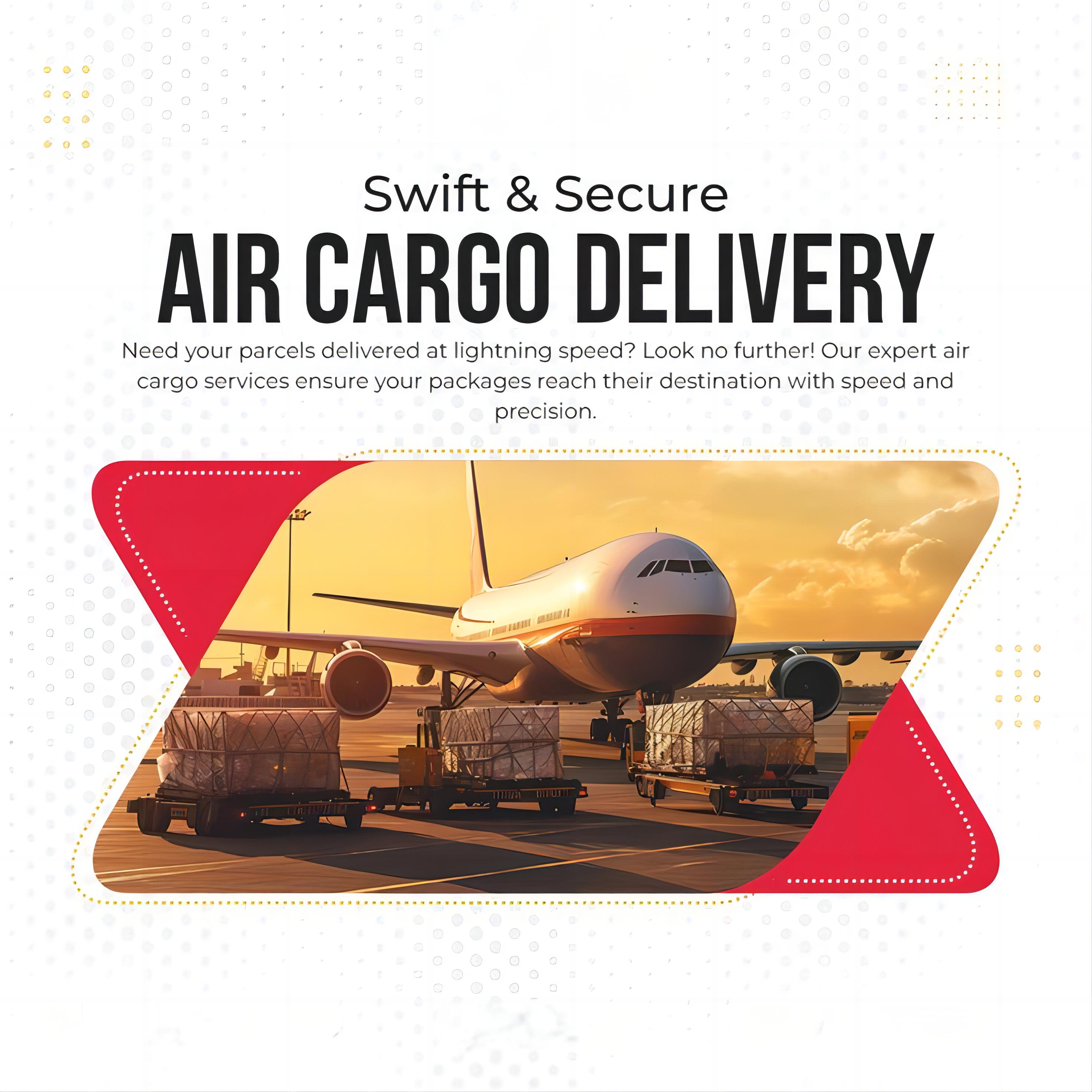
Air freight involves transporting goods via aircraft, making it the fastest method for international shipping. This service is ideal for time-sensitive, high-value, or perishable items that demand quick delivery. Consequently, many businesses rely on air cargo to maintain lean inventories and respond rapidly to market demands.
Choosing air freight from China to Singapore provides significant benefits. Moreover, it drastically reduces transit times compared to ocean freight, often cutting delivery from weeks to mere days. This speed is crucial for industries like electronics, fashion, and pharmaceuticals, where product lifecycles are short.
Key Benefits of Air Cargo
Speed is undoubtedly the primary advantage of air freight. Shipments typically reach Singapore from major Chinese hubs in 2-7 days, depending on the service level. Furthermore, this rapid transit minimizes the risk of spoilage for perishable goods and ensures products reach shelves faster.
Enhanced security is another critical factor. Airports often have stringent security measures, reducing the risk of theft or damage during transit. Additionally, air cargo handling involves less physical movement of goods, further safeguarding your items.
Reliability and predictability are also hallmarks of air freight. Flight schedules are generally consistent, leading to more accurate delivery estimates and better supply chain planning. Therefore, businesses can manage their inventory and production schedules with greater confidence.
Types of Air Cargo Services
Standard air freight offers a balance between speed and cost, suitable for most non-urgent shipments. It typically involves consolidated cargo on scheduled flights. Meanwhile, express air freight is the fastest option, often utilizing dedicated cargo planes or priority space on passenger flights for door-to-door delivery.
Charter services provide exclusive use of an aircraft for extremely large or urgent consignments. This option offers maximum flexibility and speed, albeit at a premium cost. Ultimately, the choice depends on your specific delivery schedule and budget requirements.
Key Factors Influencing Air Freight from China to Singapore
Several critical factors impact the overall cost and efficiency of your air freight from China to Singapore. Understanding these elements is essential for effective logistics planning and budgeting. Consequently, careful consideration of each factor can lead to significant savings and improved delivery schedules.
Market conditions, such as fuel prices and carrier capacity, play a substantial role. For example, during peak seasons like Chinese New Year or major shopping holidays, freight rates can increase due to higher demand. Therefore, planning ahead and booking early can help mitigate these surcharges.
| Cost Component | Description | Impact on Total Cost |
|---|---|---|
| Air Freight Rate | Based on chargeable weight (actual vs. volumetric) | Primary cost driver |
| Fuel Surcharge (FSC) | Fluctuates with jet fuel prices | Significant variable cost |
| Security Surcharge (SSC) | For enhanced airport security measures | Standard fixed charge |
| Terminal Handling (THC) | Handling at origin and destination airports | Moderate fixed charge |
| Customs Brokerage | Fees for customs declaration and clearance | Variable based on complexity |
Transit Times and Routes
Direct flights from major Chinese cities like Shanghai, Shenzhen, or Guangzhou to Singapore offer the shortest transit times, often 2-3 days. However, indirect routes involving transshipment through other hubs might take longer, typically 4-7 days.
The specific origin city in China and the destination address in Singapore will affect the overall door-to-door transit time. Moreover, factors like customs clearance efficiency and local delivery schedules in Singapore also contribute to the final arrival time. Without a doubt, choosing a reputable forwarder can streamline this process.
Cost Components of Air Freight
Air freight costs are complex, comprising several elements. The primary charge is the air freight rate, calculated based on the chargeable weight (the greater of actual weight or volumetric weight). Additionally, fuel surcharges and security fees are common.
Other costs include terminal handling charges (THC) at both origin and destination airports, customs brokerage fees, and local pickup and delivery charges. Furthermore, insurance, documentation fees, and any applicable duties and taxes will add to the total landed cost. A clear breakdown of these charges is vital for budget management.
The Air Freight Process: Step-by-Step
The process of shipping goods via air freight from China to Singapore involves several structured steps to ensure smooth delivery. Understanding each stage helps businesses prepare adequately and anticipate timelines. Ultimately, a well-managed process prevents delays and unexpected costs.
Initially, the process begins with obtaining a quote from a freight forwarder. This quote will detail estimated costs, transit times, and required documentation. Providing accurate cargo details, including dimensions, weight, and commodity type, is crucial for an accurate quotation.
Booking and Preparation
Once you accept a quote, the booking is confirmed with the airline. Subsequently, your freight forwarder will arrange for the cargo pickup from your supplier in China. Proper packaging and labeling are paramount at this stage to protect goods during transit and ensure correct identification.
All necessary export documentation, including the commercial invoice, packing list, and export license (if applicable), must be prepared. Your forwarder will assist in consolidating these documents for customs purposes. This meticulous preparation is key to avoiding customs delays.
Export Customs and Air Transit
At the origin airport, your cargo undergoes export customs clearance. This involves verifying documentation and inspecting goods. Once cleared, the cargo is loaded onto the aircraft. The flight then proceeds to Singapore, typically arriving within a few days.
During transit, your freight forwarder will provide tracking updates. You can monitor your shipment’s progress, offering transparency and peace of mind. Without a doubt, real-time tracking is a valuable service for supply chain management.
Import Customs and Final Delivery
Upon arrival at Changi Airport in Singapore, your cargo will undergo import customs clearance. This stage requires the proper submission of import declarations and payment of any applicable duties and Goods and Services Tax (GST). A reliable customs brokerage service is invaluable here.
After customs clearance, the cargo is released for local delivery. Depending on your chosen service, it can be picked up at the airport or delivered directly to your warehouse. Many businesses opt for door to door service for maximum convenience and reduced logistical burden.
Customs Clearance and Documentation for Singapore Imports
Navigating customs regulations is a critical aspect of air freight from China to Singapore. Proper documentation and understanding import requirements are essential to avoid delays and penalties. Consequently, engaging with experienced freight forwarders can significantly streamline this process.
Singapore, as a major trading hub, has efficient but strict customs procedures. All goods imported into Singapore are subject to customs control. Therefore, accurate declarations and complete documentation are non-negotiable for a smooth clearance process.
| Document | Purpose | Key Information |
|---|---|---|
| Commercial Invoice | Proof of sale, customs valuation | Seller/Buyer, Product description, Value, Incoterms |
| Packing List | Details of shipment contents | Package count, Weights, Dimensions, Contents per package |
| Air Waybill (AWB) | Contract of carriage, tracking | Consignor/Consignee, Flight details, Cargo description |
| Certificate of Origin | Confirms country of manufacture | Origin country, Product details |
| Import Permit/License | Required for controlled goods | Specific to product type (e.g., food, medical devices) |
Key Documents Required
For importing goods into Singapore, several documents are typically required. These include the commercial invoice, packing list, bill of lading (for sea freight) or air waybill (for air freight), and a certificate of origin. Occasionally, specific products may require additional permits or licenses.
The commercial invoice must accurately describe the goods, their value, and the terms of sale. Similarly, the packing list provides details about the contents of each package, including weights and dimensions. These documents form the backbone of your customs declaration.
Duties and Taxes in Singapore
Most goods imported into Singapore are subject to a 9% Goods and Services Tax (GST) on their CIF (Cost, Insurance, Freight) value. However, certain excisable goods like alcohol, tobacco, and petroleum products may incur additional duties. Therefore, it is important to factor these costs into your budget.
Businesses with a valid Singapore Customs account and GIRO direct debit authorization can facilitate faster payment of duties and taxes. Understanding these financial obligations beforehand helps in accurate cost estimation and avoids last-minute surprises. This proactive approach supports efficient import/export operations.
How Does Air Freight Compare to Other Shipping Options?
While air freight from China to Singapore offers unparalleled speed, it is important to consider alternative shipping methods based on your specific needs. Each option presents a unique balance of cost, transit time, and suitability for different cargo types. Consequently, a comprehensive comparison helps in making informed decisions.
For instance, if your goods are not time-sensitive, sea freight might be a more economical choice. Conversely, for urgent, smaller shipments, express services could provide a competitive edge. Understanding these trade-offs is crucial for optimizing your logistics strategy.
| Shipping Method | Cost Range (per kg/CBM) | Transit Time (China to Singapore) | Best For | Limitations |
|---|---|---|---|---|
| Air Freight | $4 – $8 per kg | 2-7 days | Urgent, high-value, perishable goods | High cost, weight/size restrictions |
| Sea Freight (FCL) | $500 – $1500 per TEU | 10-18 days | Large volume, heavy, non-urgent goods | Slow, port-to-port only |
| Sea Freight (LCL) | $50 – $100 per CBM | 12-20 days | Smaller volumes (under 15 CBM), non-urgent | Slower than FCL, potential delays |
| Express Courier | $8 – $15 per kg | 1-4 days | Small parcels, documents, samples | Very high cost for larger shipments |
Decision Framework: Which Option Should You Choose?
Your choice of shipping method should align with your business priorities. If budget is your primary concern and time is flexible, sea freight is typically the most cost-effective solution for larger volumes. However, be prepared for longer transit times.
For speed priority, especially for high-value, perishable, or urgent items, air freight is the undisputed champion. This method justifies its higher cost with rapid delivery and increased reliability. Consider an express service for very small, critical parcels.
Cargo type also dictates the best method. Bulky, heavy, or low-value goods are best suited for sea freight. In contrast, fragile, lightweight, or high-value electronics and fashion items benefit greatly from the quicker, more secure handling of air freight. Moreover, for e-commerce sellers, integrating with Amazon FBA services might influence overall logistics decisions.
Cost-Saving Strategies and Optimizations
While air freight is generally more expensive, several strategies can help optimize costs without compromising speed or reliability. Employing these tactics can significantly improve your logistics budget. Consequently, smart planning is key to cost-effective air cargo solutions.
Consolidating shipments is one effective method. Instead of sending multiple small parcels, combining them into a larger single shipment reduces per-unit costs. This approach leverages economies of scale, making air freight more viable for regular, smaller orders.
Optimizing Packaging and Weight
Minimizing packaging weight and dimensions directly reduces chargeable weight, leading to lower freight charges. Therefore, using lightweight yet protective packaging materials is crucial. Additionally, optimizing package dimensions to fit airline ULDs (Unit Load Devices) can prevent wasted space and associated costs.
Understanding the difference between actual weight and volumetric weight is vital. Air freight is charged based on the greater of the two. Hence, designing packaging to reduce volumetric weight, especially for bulky but light items, can result in considerable savings. Moreover, working with suppliers to improve packaging efficiency can have a lasting impact on freight rates.
Planning and Off-Peak Shipping
Booking shipments in advance, especially during peak seasons, can help secure better rates and capacity. Last-minute bookings often incur premium charges. Furthermore, if your goods are not extremely time-critical, consider shipping during off-peak periods when demand and rates are lower.
For example, avoiding the periods leading up to major holidays like Chinese New Year, Golden Week, or Christmas can yield better pricing. This strategic timing is a simple yet powerful way to manage your overall shipping costs. Indeed, flexibility in your delivery schedule can be a valuable asset.
Hybrid Solutions
For certain routes or cargo types, a hybrid approach combining different modes of transport can offer a balance between speed and cost. For instance, using sea freight for the main leg and air freight for the final, time-sensitive segment is known as ‘sea-air’ shipping. This method can be particularly effective for destinations with good port and airport connectivity.
While not as common for the direct China to Singapore route due to relatively short sea transit, it’s a concept worth exploring for broader supply chain optimization. Ultimately, assessing all viable options ensures the most efficient and economical logistics solution for your business.
Real-World Scenarios: Air Freight Success Stories
Examining real-world examples helps illustrate the practical benefits and challenges of air freight from China to Singapore. These scenarios highlight how strategic choices in shipping methods can lead to successful outcomes. Consequently, learning from these case studies can inform your own logistics planning.
Case Study 1: Urgent Electronics Shipment
| Detail | Value |
|---|---|
| Route | Shenzhen, China -> Singapore |
| Cargo | High-value consumer electronics, 1.5 CBM, 250 kg |
| Shipping Method | Air Freight (Standard) |
| Shipping Details | Major airline (e.g., Singapore Airlines Cargo) |
| Port of Loading | Shenzhen Bao’an International Airport (SZX) |
| Port of Discharge | Singapore Changi Airport (SIN) |
| Cost Breakdown | Air Freight: $1,625 (approx. $6.5/kg), Origin Charges: $280, Destination Charges: $150, Customs & Duties (estimated): $250, Total Landed Cost: $2,305 |
| Timeline | Booking to Loading: 2 days, Air Transit: 3 days, Customs Clearance: 1 day, Total Door-to-Door: 6 days |
| Key Insight | Rapid delivery ensured product launch on schedule, minimizing market opportunity loss. Based on Q4 2024 market rates. |
Case Study 2: High-Value E-commerce Goods
| Detail | Value |
|---|---|
| Route | Shanghai, China -> Singapore |
| Cargo | Fashion apparel & accessories, 0.8 CBM, 120 kg |
| Shipping Method | Air Freight (Express) |
| Shipping Details | Premium express carrier (e.g., DHL Express) |
| Port of Loading | Shanghai Pudong International Airport (PVG) |
| Port of Discharge | Singapore Changi Airport (SIN) |
| Cost Breakdown | Air Freight: $960 (approx. $8/kg), Origin Charges: $150, Destination Charges: $100, Customs & Duties (estimated): $180, Total Landed Cost: $1,390 |
| Timeline | Booking to Loading: 1 day, Air Transit: 2 days, Customs Clearance: 0.5 day, Total Door-to-Door: 3.5 days |
| Key Insight | Expedited customs and direct delivery facilitated quick restocking for online sales, crucial for fast-moving inventory. Typical rates as of early 2025. |
Case Study 3: Fragile Components for Manufacturing
| Detail | Value |
|---|---|
| Route | Guangzhou, China -> Singapore |
| Cargo | Precision machinery parts, 2.0 CBM, 300 kg |
| Shipping Method | Air Freight (Standard, Insured) |
| Shipping Details | Reputable cargo airline with special handling |
| Port of Loading | Guangzhou Baiyun International Airport (CAN) |
| Port of Discharge | Singapore Changi Airport (SIN) |
| Cost Breakdown | Air Freight: $1,800 (approx. $6/kg), Origin Charges: $320, Destination Charges: $180, Insurance: $90, Customs & Duties (estimated): $300, Total Landed Cost: $2,690 |
| Timeline | Booking to Loading: 2 days, Air Transit: 4 days, Customs Clearance: 1 day, Total Door-to-Door: 7 days |
| Key Insight | Secure handling and comprehensive insurance provided peace of mind for delicate, high-value components, preventing production line stoppages. Based on current market rates. |
Choosing the Right Air Freight Forwarder
Selecting a reliable air freight forwarder is paramount for a seamless shipping experience from China to Singapore. A good forwarder acts as your logistics partner, navigating complexities and ensuring timely delivery. Therefore, due diligence in choosing one is crucial for your supply chain.
Look for a forwarder with extensive experience on the China-Singapore route. Their expertise in local customs regulations, carrier networks, and potential challenges can save you time and money. Moreover, transparent communication and competitive pricing are key indicators of a trustworthy partner.
Key Qualities to Look For
A reputable forwarder should offer comprehensive services, including cargo pickup, warehousing, export/import customs clearance, and local delivery. Furthermore, their ability to provide integrated solutions, such as door-to-door service, simplifies your logistics management. This holistic approach ensures efficiency from start to finish.
Customer support and communication are also vital. A good forwarder will keep you informed at every stage of the shipping process, providing proactive updates and quick responses to inquiries. Ultimately, their commitment to service excellence reflects their dedication to your business’s success.
Market Insights and Future Trends
The air freight market from China to Singapore is dynamic, influenced by global economic conditions, geopolitical events, and technological advancements. Staying informed about these trends can help businesses adapt their logistics strategies. Indeed, understanding market intelligence is key to maintaining a competitive edge.
As of Q1 2025, air freight rates from China to Singapore have largely stabilized after the volatility seen during the peak of the pandemic and subsequent supply chain disruptions. However, seasonal rate increases, particularly during Q4 (October-December) for holiday shopping, remain a consistent factor. Therefore, planning ahead for these periods is essential.
Sustainability is an increasingly important consideration in air freight. Many airlines and forwarders are investing in more fuel-efficient aircraft and exploring sustainable aviation fuels (SAF). Consequently, businesses may soon have more options for eco-friendly shipping, aligning with corporate responsibility goals.
Technological advancements, such as AI-driven route optimization and enhanced tracking systems, are continuously improving efficiency and transparency in air cargo. These innovations promise faster, more reliable, and more cost-effective express service solutions for the future. Industry average for this route indicates a steady growth in demand, driven by Singapore’s role as a regional distribution hub.
Conclusion
In conclusion, air freight from China to Singapore offers a compelling solution for businesses prioritizing speed, security, and reliability. While it typically represents a higher investment than sea freight, the benefits of rapid transit and reduced lead times often outweigh the costs, especially for time-sensitive or high-value goods.
By understanding the process, managing customs documentation, and strategically selecting a reputable freight forwarder, you can ensure a seamless and efficient shipping experience. Ultimately, leveraging air cargo effectively will significantly enhance your supply chain efficiency and responsiveness in the competitive global market.

Get Your Shipping Quote Today
Ready to optimize your supply chain with swift and reliable air freight from China to Singapore? Contact us today for a personalized quote and discover how our expert logistics solutions can benefit your business. Our team is prepared to assist with your unique shipping needs.
Request Quote