

- By kelly
- October 27, 2025
- Logistics, Tips or Guide
Air Freight in China: Complete 2025 Guide for Importers
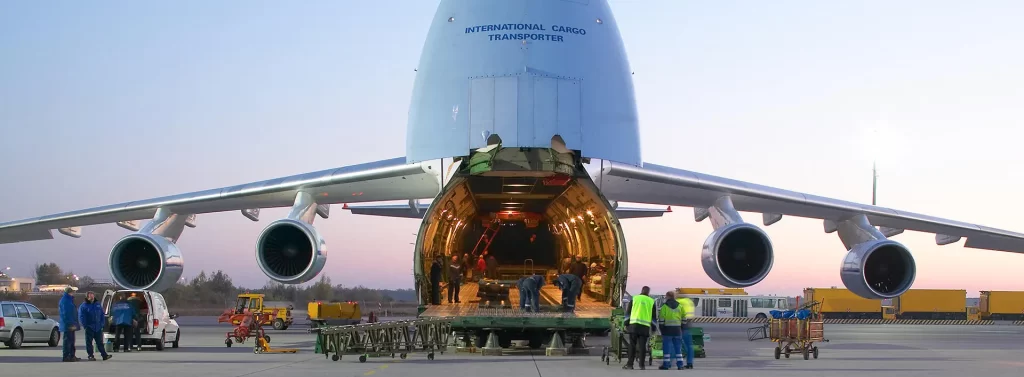
When it comes to global trade, air freight in China plays a critical role in connecting exporters with international markets. With China being the world’s largest manufacturing hub, businesses rely on efficient air cargo services to ensure speed, reliability, and compliance. However, balancing costs, transit times, and customs clearance remains a challenge for many importers. This guide provides practical insights into air freight processes, costs, documentation, and the pros and cons of different transport methods.
1. What Makes Air Freight in China Essential for Global Trade?
Air freight services are widely used for high-value, urgent, or perishable cargo. Importers choose this mode because it provides:
- Fast transit times: Deliveries in 3–7 days.
- Reliability: Fixed schedules and flight frequency.
- Security: Strict international safety regulations.
- Flexibility: Options from express courier to full charter flights.
Therefore, air freight remains the best option when deadlines or product safety are priorities.
2. How Much Does Air Freight in China Cost?
Costs depend on the weight, volume, and route. Airlines charge by chargeable weight (actual or volumetric).
| Route (China to…) | Cost per Kg (USD) | Average Transit Time | Notes |
|---|---|---|---|
| USA (West Coast) | $5–8 | 4–7 days | High e-commerce demand |
| UK / Europe | $4–7 | 3–6 days | Direct flights available |
| Middle East (Dubai) | $4–6 | 3–5 days | Stable demand |
| Australia (Sydney) | $6–9 | 5–8 days | Seasonal fluctuations |
Additionally, peak seasons like Chinese New Year and Christmas often raise prices by 20–30%.
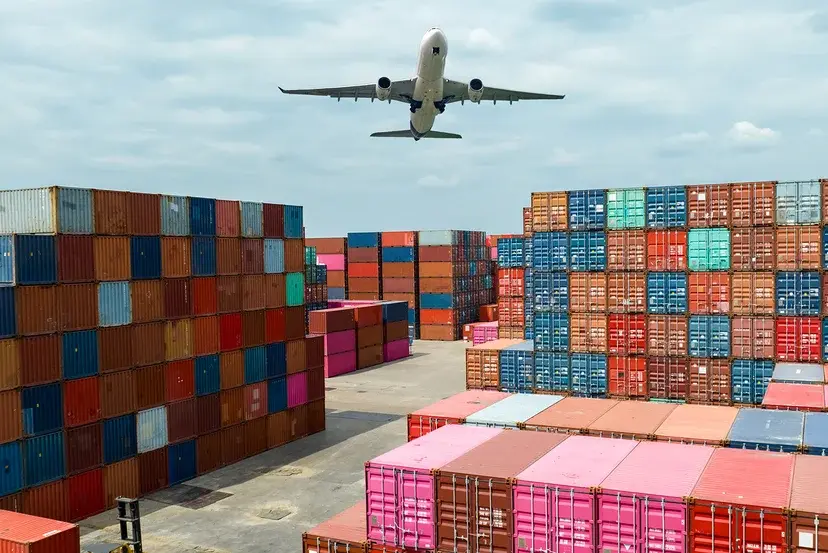
3. How Long Does Air Freight in China Take?
| Service Type | Transit Time | Best Use Case |
|---|---|---|
| Express Courier (DHL, UPS, FedEx) | 2–4 days | Small parcels, urgent goods |
| Standard Air Freight | 5–7 days | General cargo |
| Consolidated Air Cargo | 7–10 days | Shared shipments |
| Charter Flights | 1–3 days | Oversized or urgent project cargo |
Therefore, service selection depends on urgency, cost, and cargo size.
4. What Documents Are Required for Air Freight?
| Document | Purpose |
|---|---|
| Air Waybill (AWB) | Proof of carriage and tracking |
| Commercial Invoice | Declares product value |
| Packing List | Details cargo content |
| Certificate of Origin | Determines tariffs |
| Import/Export License | Needed for restricted goods |
| Insurance Certificate | Protects against loss/damage |
Accurate documentation helps avoid customs delays and penalties.
5. What Are the Pros and Cons of Air vs Sea vs Rail Freight?
6. Why Work with a Freight Forwarder for Air Cargo?
Partnering with a professional freight forwarder provides:
- Competitive rates through airline contracts.
- Consolidation services for small shipments.
- Customs clearance expertise to prevent delays.
- Real-time tracking for cargo visibility.
Therefore, businesses gain cost savings and smoother supply chain management.
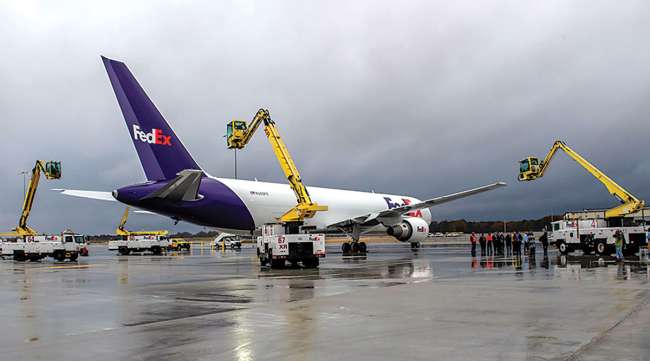
7. What Industries Benefit Most from Air Freight in China?
- Electronics: Urgent shipments of smartphones, chips, and laptops.
- Fashion & Apparel: Seasonal products needing fast restock.
- Pharmaceuticals: Time-sensitive, temperature-controlled goods.
- E-commerce: Fast delivery to Amazon FBA and online customers.
As a result, industries with high demand and quick turnover rely most on air transport.
8. What Are the Key Airports for Air Freight in China?
- Shanghai Pudong (PVG): Major hub for global cargo.
- Guangzhou Baiyun (CAN): Strong connectivity to Europe and Middle East.
- Beijing Capital (PEK): Handles electronics and machinery shipments.
- Shenzhen Bao’an (SZX): E-commerce and tech product exports.
- Hong Kong (HKG): One of the busiest air cargo hubs worldwide.
These hubs provide wide coverage and multiple carrier options.
9. Should You Use Door-to-Door Air Freight Services?
Door-to-door shipping includes pickup, transport, customs clearance, and final delivery.
Advantages:
- Saves time and reduces coordination.
- Simplifies customs clearance.
- Provides full cost visibility.
Disadvantages:
- More expensive than airport-to-airport.
Therefore, businesses with limited logistics experience often prefer door-to-door services.
10. What Are the Future Trends in Air Freight in China?
- Digital Platforms: Online booking and instant rate comparison.
- Green Logistics: Airlines adopting sustainable fuel options.
- AI Automation: Predictive delivery schedules and customs filing.
- E-commerce Growth: Rising demand for cross-border fast shipping.
Moreover, infrastructure expansions in China’s airports will increase capacity and reduce bottlenecks.
📦Get a Free Quote
Finding the right partner for air freight in China ensures reliable delivery, competitive pricing, and compliance with international regulations. Our team specializes in cost-effective solutions tailored to your business needs. Contact us today for a free consultation and rate quotation.
❓ Frequently Asked Questions
1. How much does air freight in China cost per kilogram?
Typically, it ranges from $4–9/kg depending on weight, destination, and season. Peak periods can increase costs significantly.
2. What’s the fastest shipping option from China?
Express courier services like DHL or FedEx deliver in 2–4 days, making them the quickest choice for small, urgent shipments.
3. Do I need a freight forwarder for air shipments?
Yes, freight forwarders help reduce costs, handle customs, and ensure documentation compliance, which avoids delays at destination ports.
4. Can I ship dangerous goods by air freight in China?
Yes, but special permits and IATA-approved packaging are required. Always check with your forwarder before booking transport.
5. Which industries use air freight the most?
Electronics, fashion, pharmaceuticals, and e-commerce rely heavily on air cargo for fast, secure international deliveries.
Conclusion
The role of air freight in China continues to grow as global trade demands faster and more reliable logistics solutions. While it is more expensive than sea or rail, it remains the best choice for urgent, high-value, and time-sensitive cargo. By working with experienced freight forwarders, importers can reduce risks, control costs, and ensure compliance with customs requirements.
Ultimately, success in international trade depends on balancing speed and cost. Choosing the right air freight solution in China guarantees efficient supply chains and long-term business growth.