

Air Freight Rates China to UK: Your Ultimate Shipping Guide
Navigating international shipping can be complex, especially when seeking efficient solutions for your business. Understanding current air freight rates from China to the UK is crucial for effective budget planning and timely inventory management. This comprehensive guide will illuminate the factors impacting these costs, helping you make informed decisions for your cargo and streamline your logistics.

What Determines Air Freight Rates from China to UK?
Air freight rates from China to the UK are influenced by numerous dynamic factors. These include cargo weight and volume, the urgency of the shipment, and current global fuel prices. Moreover, seasonal demand, available airline capacity, and geopolitical events significantly impact pricing.
Therefore, securing competitive rates requires a clear understanding of these variables. Businesses must consider all aspects from departure airport to final arrival destination. This ensures a transparent and predictable shipping experience, minimizing unexpected costs.
Key Components of Air Freight Costs
Understanding the breakdown of air freight expenses is essential for accurate budgeting. Several distinct charges contribute to the overall cost of shipping goods by air. Consequently, each component plays a vital role in the final invoice.
Air Freight Charge
This is the primary cost, calculated based on chargeable weight. Chargeable weight is typically the greater of the actual gross weight or the volumetric weight. Airlines use specific formulas to determine volumetric weight, directly impacting your overall air freight bill.
Fuel and Security Surcharges
Additionally, fuel surcharges fluctuate with global oil prices, adding a variable component to rates. Security surcharges cover enhanced screening and safety measures mandated by international aviation authorities. These are standard additions to nearly every air cargo shipment, ensuring compliance and safety.
Terminal Handling Charges (THC)
Origin and destination terminal handling charges cover the movement of cargo within the airport facilities. These fees compensate for loading, unloading, sorting, and temporary storage services. Consequently, they are an unavoidable part of the shipping process at both ends of the journey.
Customs Clearance and Duties
Furthermore, importing goods into the UK involves customs duties and VAT, calculated on the declared value of goods and their classification. Professional customs brokerage services are essential to ensure compliance and avoid costly delays. Proper documentation and accurate commodity codes are paramount for smooth entry.
Ancillary Services
Other potential costs include pickup and delivery from the airport, warehousing, and cargo insurance. For example, comprehensive door-to-door services streamline the entire logistics chain from supplier to your warehouse. These extra services can offer significant convenience, peace of mind, and overall efficiency.
How Does Air Freight Compare to Other Shipping Options?
When shipping from China to the UK, businesses have several viable options beyond air freight. Each method presents a unique balance of speed, cost, and capacity. Consequently, selecting the right mode depends heavily on your specific business needs, cargo characteristics, and budget constraints.
Below is a comparison table outlining the key differences between various shipping methods for the China to UK route. This helps illustrate the trade-offs involved in each choice.
| Shipping Method | Cost Range (per kg/CBM) | Transit Time | Best For | Limitations |
|---|---|---|---|---|
| Air Freight | $4-8/kg (volumetric) | 5-10 days | Urgent, high-value, small shipments | High cost, limited capacity for heavy goods |
| Sea Freight | $0.10-0.30/kg (LCL) | 30-45 days | Large, heavy, non-urgent, cost-sensitive goods | Slow transit, port congestion risks |
| Rail Freight | $0.80-1.50/kg | 18-25 days | Mid-size, time-sensitive but not urgent, high-value goods | Less frequent departures, limited routes |
| Express Courier | $8-15/kg | 2-5 days | Very urgent, documents, small parcels | Highest cost, strict weight/size limits |
Sea Freight: The Economical Choice
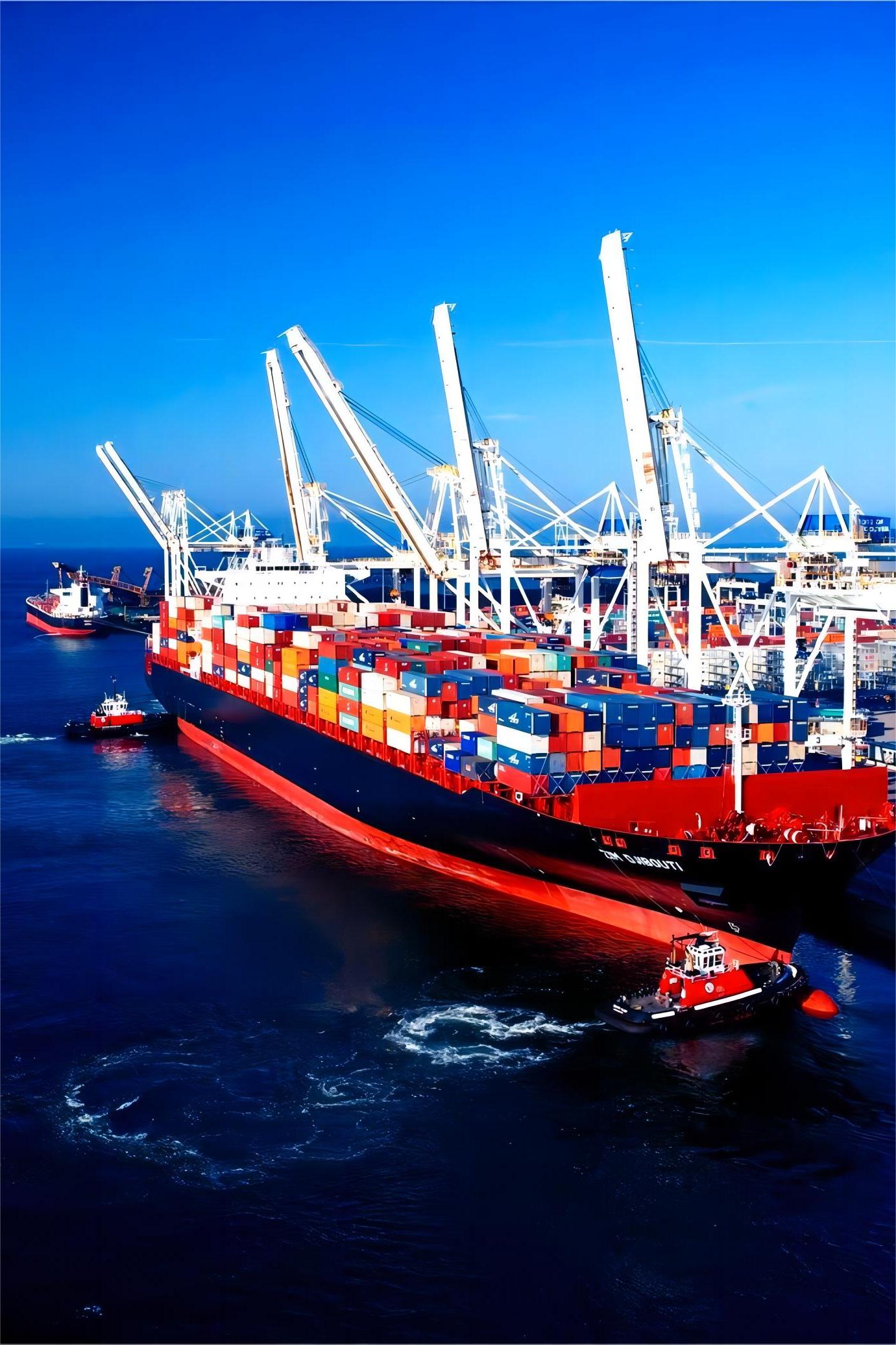
For larger, non-urgent shipments, sea freight remains the most economical option. While transit times are significantly longer, the cost per kilogram or cubic meter is substantially lower than air. This method suits bulk goods, heavy machinery, or inventory with flexible delivery schedules, offering considerable cost savings.
Rail Freight: A Balanced Alternative
Rail freight offers a compelling middle ground between air and sea for China to UK routes. It provides faster transit than ocean shipping at a fraction of air freight costs. This makes it ideal for mid-size, time-sensitive but not critically urgent, high-value goods, balancing speed with affordability.
Express Courier: For Utmost Urgency
For extremely urgent documents or small, high-value parcels, express services provide unparalleled speed. These door-to-door solutions often include expedited customs clearance and direct delivery. However, their cost per kilogram is the highest among all options, reserved for critical, lightweight items.
Which Option Should You Choose?
Budget priority? Choose sea freight for maximum cost savings on large volumes, accepting longer transit. Speed priority? Air freight or express courier are your best bets, depending on cargo size and urgency. Consider air freight for high-value, time-sensitive items where delays are costly.
Cargo type considerations also play a role. Perishable goods, pharmaceuticals, or high-fashion items almost always require air freight due to their sensitive nature and market demands. For non-perishable, resilient goods, sea or rail freight are often sufficient. Volume thresholds for switching methods are crucial; LCL sea freight for under 15 CBM might be more economical than a full container, but air freight becomes attractive for smaller, urgent loads.
Navigating UK Customs and Import Regulations
Importing goods into the UK requires careful adherence to customs regulations post-Brexit. Importers must have an EORI number and correctly classify their goods using the Harmonized System (HS) codes. Incorrect classifications can lead to delays, unexpected charges, and even penalties.
Furthermore, understanding VAT and duty calculations is essential for accurate landed cost estimates. Some goods may also require specific licenses, permits, or certifications before entry into the UK market. Partnering with experienced freight forwarders simplifies this complex process, ensuring compliance and smooth clearance.
Strategies for Optimizing Air Freight Rates China to UK
Reducing shipping costs while maintaining efficiency is a primary goal for any business. Implementing smart strategies can significantly lower your overall air freight expenditure. Consider these proven methods to optimize your logistics and improve your bottom line.
Consolidate Shipments
Combining multiple smaller shipments into one larger consignment can significantly reduce per-unit costs. Freight forwarders offer consolidation services, leveraging economies of scale for their clients. This strategy is particularly effective for businesses with frequent, smaller orders from various suppliers in China.
Plan Ahead and Book Early
Booking air freight space well in advance, especially during peak seasons like Chinese New Year or Q4, can help secure better rates. Last-minute bookings often incur premium charges due to limited capacity and high demand. Early planning also provides buffer time for unforeseen delays or adjustments.
Optimize Packaging and Dimensions
Since air freight is often charged by volumetric weight, efficient packaging is critical. Reducing package dimensions and weight can directly lower your shipping costs. Moreover, ensure goods are safely packed to prevent damage in transit, avoiding costly insurance claims or replacements.
Leverage Door-to-Door Services
Utilizing door-to-door services can simplify your logistics and sometimes offer better overall value. These services manage the entire process from origin factory to final destination warehouse. This includes local pickup, customs clearance, and final delivery, streamlining your supply chain and reducing administrative burden.
Stay Informed on Market Trends
Regularly reviewing your logistics strategy and engaging with multiple carriers or forwarders can also yield savings. Market conditions for air freight rates from China to UK are always evolving due to fuel costs, geopolitical events, and airline capacity. Therefore, staying informed is key to cost efficiency and making agile decisions.
Real-World Scenarios: Air Freight from China to UK
Examining actual case studies provides practical insight into the application and benefits of air freight for the China to UK route. These examples illustrate how different cargo types and urgency levels dictate shipping choices. Based on current market conditions as of Q1 2025.
Case Study 1: Urgent Electronics Shipment
This scenario highlights the benefits of air freight for time-critical goods, enabling rapid market entry and minimizing stock-out risks for a new product launch.
| Detail | Description |
|---|---|
| Route | Shenzhen, China -> London, UK |
| Cargo | 500 kg, 3 CBM, Consumer Electronics |
| Shipping Details | Carrier: Cathay Pacific Cargo; Port of Loading: SZX; Port of Discharge: LHR; Route Type: Direct |
| Cost Breakdown | Air Freight: $2,500 ($5.00/kg); Origin Charges: $200; Destination Charges: $150; Customs & Duties (est.): $400; Total Landed Cost: $3,250 |
| Timeline | Booking to Loading: 2 days; Air Transit: 1 day; Customs Clearance: 1 day; Total Door-to-Door: 5 days |
| Key Insight | Rapid market entry for new product launch, typical rates as of Q4 2024. |

Case Study 2: Medical Supplies for UK Hospital
Ensuring critical medical supplies reach their destination quickly and reliably is paramount, particularly during health crises or for scheduled operations.
| Detail | Description |
|---|---|
| Route | Shanghai, China -> Manchester, UK |
| Cargo | 800 kg, 5 CBM, Medical Equipment & Consumables |
| Shipping Details | Carrier: Lufthansa Cargo; Port of Loading: PVG; Port of Discharge: MAN; Route Type: Transshipment via Frankfurt |
| Cost Breakdown | Air Freight: $4,400 ($5.50/kg); Origin Charges: $250; Destination Charges: $180; Customs & Duties (est.): $600; Total Landed Cost: $5,430 |
| Timeline | Booking to Loading: 3 days; Air Transit: 2 days; Customs Clearance: 1 day; Total Door-to-Door: 7 days |
| Key Insight | Despite a transshipment, careful planning ensured timely delivery for essential supplies. Based on Q1 2025 market rates. |

Disclaimer
Note: Freight rates are subject to change based on fuel costs, carrier capacity, and seasonal demand. Global events, such as the 2024 Red Sea disruptions, can also impact air freight demand and pricing, even for routes not directly affected. Contact us for a current quote tailored to your specific shipment.
Partnering with China Top Freight for Your UK Shipments
Choosing the right logistics partner is paramount for successful international shipping. China Top Freight offers comprehensive solutions for businesses shipping from China to the UK. We provide competitive air freight rates, ensuring your cargo arrives swiftly and securely at its destination.
Our expertise in navigating complex customs procedures and optimizing logistics ensures a seamless experience for your supply chain. We focus on transparency, efficiency, and reliable communication, allowing you to focus on your core business growth. Trust us to manage your valuable cargo effectively.
Final Thoughts on Air Freight Rates China to UK
Understanding air freight rates from China to the UK is essential for efficient global trade and supply chain management. By considering critical factors like weight, volume, urgency, and prevailing market conditions, businesses can make highly informed decisions. Optimizing your shipping strategy and partnering with a reliable freight forwarder ultimately leads to significant cost savings, improved delivery times, and enhanced customer satisfaction.
Indeed, strategic planning for your air freight from China to UK routes provides a significant competitive advantage in today’s fast-paced global economy. Stay informed and choose wisely.
Get Your Shipping Quote Today
Ready to streamline your shipping from China to the UK? Request a personalized quote today and discover how competitive air freight rates can benefit your business. Our experienced team is prepared to provide expert solutions tailored to your unique logistics needs and cargo requirements.
Request Quote