

Amazon FBA Shipping China to Dubai: Your Complete Guide
“Launching your products on Amazon FBA in Dubai requires a robust logistics strategy, especially when sourcing from China. This journey involves navigating complex customs regulations, optimizing shipping costs, and ensuring timely delivery to Amazon’s fulfillment centers. Fortunately, understanding the intricacies of China Top Freight can simplify this process significantly, providing a clear path for your e-commerce success.”
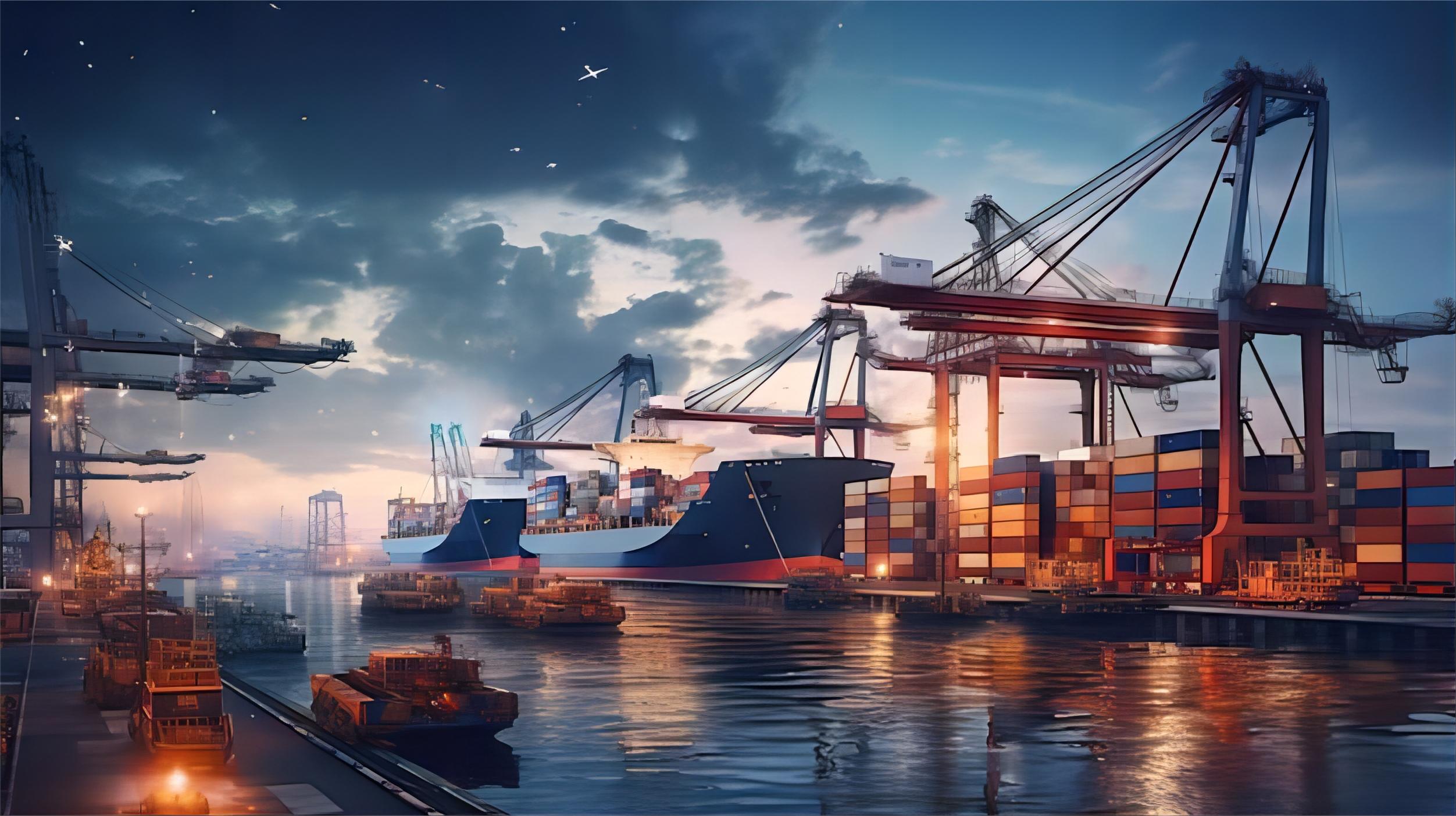
Understanding Amazon FBA Shipping from China to Dubai
❖Embarking on Amazon FBA from China to Dubai presents both opportunities and challenges for sellers. This strategic route connects a major manufacturing hub with a thriving e-commerce market. Therefore, a deep understanding of the logistics involved is absolutely crucial for optimizing your supply chain and maximizing profitability.
Specifically, Amazon’s Fulfillment by Amazon (FBA) program in the UAE allows sellers to leverage Amazon’s vast logistics network. Essentially, this means Amazon handles storage, picking, packing, and customer service for your products. Consequently, a smooth inbound shipping process from China is the first step towards a successful FBA operation.
The FBA Model Explained
The Amazon FBA model streamlines order fulfillment, allowing businesses to focus on sales and marketing. You simply send your inventory to an Amazon fulfillment center, and they manage the rest. Moreover, this system often grants products eligibility for Prime shipping, which can significantly boost sales and customer satisfaction.
However, adhering to Amazon’s strict labeling, packaging, and shipping requirements is paramount. Any non-compliance can lead to delays, penalties, or even rejection of your shipment. Hence, meticulous preparation in China is a non-negotiable step before dispatching your goods to Dubai.
Why Dubai for Amazon FBA?
Dubai, a prominent economic hub in the Middle East, offers a rapidly growing e-commerce market. Its strategic geographical location serves as a gateway to the wider MENA region. Furthermore, the strong purchasing power and increasing internet penetration among its population make it an attractive destination for online sellers.
Additionally, the UAE government actively promotes foreign investment and business growth, creating a favorable environment for FBA sellers. Consequently, tapping into this market with efficient Amazon FBA shipping from China to Dubai can unlock substantial growth opportunities for your brand.
Key Shipping Methods from China to Dubai
❖When considering how to transport goods from China to Dubai for Amazon FBA, several shipping methods are available. Each option offers distinct advantages in terms of cost, speed, and capacity. Therefore, selecting the most appropriate method hinges on your specific business needs and product characteristics.
Indeed, understanding these options is fundamental to crafting an efficient and cost-effective supply chain. Let’s delve into the primary ways to move your inventory across continents.
Sea Freight: The Economical Choice
Sea freight is undeniably the most cost-effective solution for large volumes and heavy shipments. It involves transporting goods via cargo ships, typically in containers. While transit times are longer, the significant cost savings make it ideal for non-urgent, high-volume inventory.
Moreover, you can choose between Full Container Load (FCL) or Less than Container Load (LCL) depending on your shipment size. FCL offers dedicated container space, whereas LCL allows you to share container space with other shippers, paying only for the volume you occupy. Consequently, this flexibility makes sea freight a versatile option for many FBA sellers.
Air Freight: Speed for Urgent Shipments
For time-sensitive products or smaller, high-value items, air freight provides unparalleled speed. Goods are transported by cargo planes, drastically reducing transit times compared to sea shipping. However, this speed comes at a premium, making it a more expensive option.
Typically, air freight is preferred for product launches, restocking fast-moving inventory, or mitigating potential stockouts. Although it’s pricier, the ability to quickly get products to market can sometimes outweigh the higher shipping costs. Therefore, balancing speed and expense is key when opting for air cargo.
Express Service: Door-to-Door Convenience
Express services, often provided by carriers like DHL, FedEx, or UPS, offer integrated door-to-door solutions. This method is exceptionally fast and handles both transportation and customs clearance. Consequently, it’s perfect for samples, small parcels, or urgent, low-volume shipments where convenience is paramount.
While express shipping is generally the most expensive per kilogram, its speed and end-to-end management can be invaluable. For sellers needing quick, hassle-free delivery directly to Amazon FBA centers, express service is a strong contender. Moreover, it often includes tracking and basic insurance, adding an extra layer of security.
Hybrid Solutions and Other Considerations
Sometimes, a combination of methods, known as hybrid solutions, can offer the best of both worlds. For instance, a sea-air option might involve shipping goods by sea to a transit hub (e.g., Singapore) and then by air to Dubai. This can save some cost while still being faster than pure sea freight.
It is important to note that direct rail freight from China to Dubai is not a standard or viable option due to geographical limitations. Rail primarily serves routes to Europe and Central Asia. Hence, for the China to Dubai corridor, focus remains on sea, air, and express methods for efficient logistics.
Factors Influencing Shipping Costs and Transit Times
❖Several critical factors dictate the overall cost and delivery schedule for your Amazon FBA shipping from China to Dubai. Understanding these variables allows for better budgeting and more accurate planning. Therefore, a comprehensive assessment of each element is essential for successful logistics management.
Moreover, market dynamics and global events can significantly impact freight rates and transit times. Staying informed about these trends can help you make more strategic decisions regarding your supply chain.
Cargo Volume and Weight
The physical dimensions and weight of your shipment are primary cost drivers. Generally, larger and heavier shipments incur higher costs. For sea freight, this is often calculated by Cubic Meter (CBM), while air freight typically uses chargeable weight (which considers both actual and volumetric weight).
Consequently, optimizing packaging to reduce unnecessary volume and weight can lead to significant savings. Furthermore, consolidating multiple smaller shipments into a larger one can also unlock better freight rates and improve overall efficiency.
Shipping Method and Carrier
As discussed, the choice between sea, air, or express freight profoundly impacts both cost and speed. Sea freight is the cheapest but slowest, while air and express are faster but more expensive. Additionally, different carriers offer varying rates and service levels.
Therefore, comparing quotes from multiple reputable freight forwarders is advisable to secure the best deal. Always consider the reliability and track record of the carrier, not just the price, to avoid potential delays or issues.
Seasonal Demand and Market Fluctuations
Freight rates are highly susceptible to seasonal demand and global market conditions. For example, peak shipping seasons (e.g., before major holidays like Chinese New Year or during Q4 for holiday shopping) often see increased demand and higher prices. Moreover, global events like port congestion or fuel price changes can cause significant fluctuations.
Indeed, planning shipments well in advance and being aware of these cyclical patterns can help mitigate unexpected cost increases. Market data suggests rates typically increase 15-25% during August-October peak season, for instance. Consequently, flexibility in your delivery schedule can yield cost-saving strategies.
Additional Fees and Surcharges
Beyond the base freight rate, numerous surcharges can add to the total shipping cost. These may include BAF (Bunker Adjustment Factor), CAF (Currency Adjustment Factor), terminal handling charges (THC), documentation fees, and customs clearance dubai amazon fba charges. Furthermore, destination charges in Dubai also need to be accounted for.
Therefore, always request a detailed, all-inclusive quote to avoid hidden costs. A transparent freight forwarder will itemize these charges clearly. Understanding these potential additions is crucial for accurate financial planning for your import/export operations.
Navigating Customs and Compliance for UAE Imports
❖Customs procedures are a critical component of shipping from China to Dubai, particularly for Amazon FBA. Non-compliance can lead to severe delays, fines, or even seizure of goods. Therefore, meticulous preparation and adherence to UAE import regulations for Amazon sellers are absolutely essential.
Indeed, understanding the required documentation and the customs clearance process will significantly streamline your supply chain. Partnering with a knowledgeable customs brokerage service is often invaluable for this complex step.
Essential Documentation
A complete set of accurate documents is mandatory for smooth customs clearance. Key documents typically include a commercial invoice, packing list, bill of lading (for sea freight) or air waybill (for air freight), and a certificate of origin. Additionally, specific product types might require import licenses or conformity certificates.
Ensuring all details on these documents match precisely is paramount. Discrepancies can trigger extensive inspections and delays. Consequently, double-checking every piece of paperwork before shipment departure can prevent major headaches upon arrival in Dubai.
| Document Type | Purpose | Key Information |
|---|---|---|
| Commercial Invoice | Valuation for duties/taxes | Shipper/Consignee, description, quantity, unit price, total value, Incoterms |
| Packing List | Details of cargo contents | Shipper/Consignee, package count, weight, dimensions, contents of each package |
| Bill of Lading/Air Waybill | Contract of carriage, title to goods | Shipper/Consignee, carrier, ports, description of goods |
| Certificate of Origin | Proves country of manufacture | Country of origin, helps determine duties, tariff rates |
| Import Permit/License | Required for restricted goods | Issued by UAE authorities for specific product categories |
Duties, Taxes, and VAT
Importers into the UAE are subject to customs duties and Value Added Tax (VAT). Customs duties vary depending on the product category and its Harmonized System (HS) code. Most goods attract a 5% customs duty, though some categories may be higher or exempt.
Furthermore, a 5% VAT is applicable on most goods and services in the UAE. This is typically calculated on the CIF (Cost, Insurance, Freight) value plus customs duty. Accordingly, budgeting for these costs is critical for determining your total landed cost and product profitability in Dubai.
Customs Clearance Process
The customs clearance process involves submitting all required documents and paying applicable duties and taxes. This is often handled by a local customs broker or the freight forwarder’s agent in Dubai. Once cleared, goods are released for onward transport to the Amazon FBA warehouse.
Indeed, pre-clearance can sometimes be arranged for air cargo to expedite the process. However, any issues with documentation or product classification can cause significant delays. Therefore, choosing an experienced partner for your door-to-door service, including customs, is highly recommended.
Optimizing Your Amazon FBA Shipping Strategy
❖A well-optimized shipping strategy is vital for long-term success with Amazon FBA in Dubai. This involves more than just selecting a shipping method; it encompasses careful planning at every stage. Consequently, strategic decisions can lead to reduced costs, faster inventory turnover, and improved customer satisfaction.
Therefore, consider these key elements to refine your logistics approach and enhance overall efficiency.
Choosing the Right Incoterms
Incoterms (International Commercial Terms) define the responsibilities of buyers and sellers for the delivery of goods. Common terms for FBA shipments include FOB (Free On Board) or EXW (Ex Works). FOB means the seller is responsible until goods are loaded onto the ship, while EXW places responsibility on the buyer from the factory gate.
Selecting the correct Incoterm impacts who pays for what, when risk transfers, and who arranges transportation and insurance. Understanding these terms is crucial for managing your import/export costs and liabilities effectively. Moreover, your choice can significantly influence your overall control over the shipping process.
Consolidation and LCL vs. FCL
For smaller shipments, consolidating goods from multiple suppliers into one larger shipment (LCL) can be a cost-saving strategy. This involves combining your cargo with other shippers’ goods in a single container. However, FCL (Full Container Load) is generally more economical per unit for larger volumes.
While LCL offers flexibility, FCL provides faster transit times because there’s no need for consolidation or deconsolidation at ports. Therefore, carefully evaluate your cargo volume and urgency to determine the most efficient method. For shipments under 15 CBM, LCL at $50-80/CBM may be more economical than a full container, for example.
Quality Control and Packaging
Ensuring products meet quality standards and are appropriately packaged for international transit is non-negotiable. Poor packaging can lead to damage during shipping, resulting in lost sales and negative reviews. Furthermore, Amazon FBA has specific packaging and labeling requirements that must be strictly followed.
Indeed, investing in robust packaging and performing thorough quality checks in China can prevent costly issues down the line. Many freight forwarders also offer inspection services to ensure your goods are FBA-ready. Consequently, this proactive approach safeguards your investment and brand reputation.
Amazon FBA Prep Services
Many sellers opt for FBA prep services in China or Dubai to ensure their products comply with Amazon’s stringent requirements. These services include labeling, polybagging, bundling, and quality checks. Ultimately, outsourcing this can save time and prevent costly errors upon arrival at the Amazon fulfillment center.
Furthermore, using a dedicated Amazon FBA preparation service ensures that your inventory is processed efficiently. This allows for quicker check-in at the warehouse and faster availability for sale. Therefore, consider this service to streamline your overall FBA operation from China to Dubai.
How Does Amazon FBA Shipping China to Dubai Compare to Other Options?
❖Choosing the right shipping method for your Amazon FBA inventory from China to Dubai is a strategic decision. It balances cost, speed, and reliability. Therefore, a comparative analysis of the primary options is essential to make an informed choice that aligns with your business objectives. Each method has its unique set of advantages and limitations.
Indeed, understanding these trade-offs will empower you to optimize your supply chain. Let’s examine the key differences between sea freight, air freight, and express services for this specific route.
Comparison Table: Sea vs. Air vs. Express
This table provides a quick overview of the main shipping methods available. Note that freight rates are subject to change based on fuel costs, carrier capacity, and seasonal demand. Always contact us for a current quote tailored to your specific shipment. Based on Q3 2024 market rates, typical ranges for amazon fba shipping costs china to dubai are provided below.
| Shipping Method | Cost Range (per kg/CBM) | Transit Time (Door-to-Door) | Best For | Limitations |
|---|---|---|---|---|
| Sea Freight (LCL) | $50-90/CBM | 25-40 days | Large, heavy, non-urgent goods; cost-sensitive | Slowest, less flexible schedule, minimum volume often applies |
| Sea Freight (FCL) | $2,000-4,500 per 20GP/40HQ | 20-35 days | High-volume, regular shipments; optimal cost efficiency | Requires full container, longer transit, port congestion risks |
| Air Freight | $4-8/kg | 7-12 days | Time-sensitive, high-value, medium-volume goods | Higher cost, weight/volume restrictions, potential for customs delays |
| Express Service | $8-15/kg | 3-7 days | Urgent, small parcels, samples, high-value small items; door-to-door | Most expensive, strict weight/size limits, not for bulk shipments |
Which Option Should You Choose?
The ideal shipping method depends heavily on your priorities and product characteristics. Consider these factors when making your decision. Ultimately, balancing these elements will lead to the most effective logistics strategy for your Amazon FBA business.
For instance, if **budget is your top priority** and you have a long lead time, sea freight is the clear winner. Conversely, if **speed is paramount** for a product launch or to avoid stockouts, air freight or express service will be more suitable. Moreover, **cargo type considerations** play a role; fragile or perishable goods might benefit from faster, more controlled air transport. Finally, **volume thresholds** dictate efficiency: FCL for large volumes, LCL for medium, and express for small parcels.
Real-World Scenarios: Case Studies in China-Dubai FBA Logistics
❖Examining real-world examples can provide valuable insights into effective amazon fba shipping china to dubai strategies. These case studies highlight how different businesses navigate the complexities of international logistics. Consequently, they demonstrate the practical application of various shipping methods and considerations. Based on Q3 2024 market rates, these examples illustrate typical outcomes.
Indeed, understanding these scenarios can help you anticipate challenges and plan your shipments more effectively. Each case showcases a distinct approach tailored to specific business needs and product requirements.
Case Study 1: High-Volume, Cost-Sensitive Goods
| Detail | Description |
|---|---|
| Route | Ningbo, China Jebel Ali, Dubai |
| Cargo | Household textiles, 25 CBM, 4,500 kg |
| Container | LCL 25 CBM (equivalent to approx half a 40HQ) |
| Shipping Method | Sea Freight |
| Carrier/Service | Major carrier (e.g., COSCO, MSC) |
| Port of Loading | Ningbo |
| Port of Discharge | Jebel Ali |
| Route Type | Direct |
| Ocean Freight | $1,875 (approx. $75/CBM) |
| Origin Charges (THC, documentation) | $350 |
| Destination Charges | $400 |
| Customs & Duties (estimated) | $1,500 (5% on CIF value of $30,000) |
| Total Landed Cost | $4,125 |
| Booking to Loading | 7 days |
| Sea Transit | 22 days |
| Customs Clearance | 3 days |
| Total Door-to-Door | 35 days |
| Key Insight | Cost-effective for bulk, non-urgent goods. Careful LCL consolidation saved significant costs compared to air freight. Q4 peak season rates were 10-15% higher. |

Case Study 2: Time-Critical Product Launch
| Detail | Description |
|---|---|
| Route | Shanghai, China Dubai International Airport (DXB) |
| Cargo | New tech gadgets, 1.2 CBM, 180 kg |
| Container | Air Cargo (Chargeable Weight: 200 kg) |
| Shipping Method | Air Freight |
| Carrier/Service | Major airline cargo (e.g., Emirates SkyCargo) |
| Port of Loading | PVG (Shanghai Pudong) |
| Port of Discharge | DXB (Dubai International) |
| Route Type | Direct |
| Air Freight | $1,400 (approx. $7/kg) |
| Origin Charges (documentation, handling) | $150 |
| Destination Charges | $200 |
| Customs & Duties (estimated) | $800 (5% on CIF value of $16,000) |
| Total Landed Cost | $2,550 |
| Booking to Loading | 2 days |
| Air Transit | 4 days |
| Customs Clearance | 1 day |
| Total Door-to-Door | 7 days |
| Key Insight | Fastest option for urgent product launches. Higher cost justified by speed to market and competitive advantage. Required precise documentation for quick customs clearance. |
Case Study 3: Mixed Inventory Shipment
| Detail | Description |
|---|---|
| Route | Shenzhen, China Jebel Ali, Dubai (via DDP) |
| Cargo | Electronics & small apparel, 8 CBM, 1,200 kg |
| Container | LCL 8 CBM (part of a consolidated container) |
| Shipping Method | Sea Freight with Door-to-Door DDP Service |
| Carrier/Service | Freight forwarder with DDP service |
| Port of Loading | Shenzhen |
| Port of Discharge | Jebel Ali |
| Route Type | Transshipment via Singapore |
| Ocean Freight | $640 (approx. $80/CBM) |
| Origin Charges | $280 |
| Destination Charges | $350 |
| Customs & Duties (estimated) | Included in DDP service |
| Total Landed Cost | $2,800 (DDP quote) |
| Booking to Loading | 5 days |
| Sea Transit | 28 days |
| Customs Clearance | 4 days |
| Total Door-to-Door | 40 days |
| Key Insight | DDP service simplifies logistics, handling all customs and duties for the seller. Transshipment added a few days but offered a more competitive rate. Ideal for sellers wanting minimal involvement in logistics complexities. |
Partnering with a Reliable Freight Forwarder
❖Navigating the complexities of Amazon FBA shipping from China to Dubai can be daunting for businesses. This is where a professional freight forwarder becomes an invaluable asset. Effectively, they act as your logistics partner, streamlining the entire process. Therefore, choosing the right partner is a critical strategic decision.
Indeed, an experienced freight forwarder brings expertise, connections, and tailored solutions to the table. This allows you to focus on your core business while your supply chain operates smoothly. Ultimately, their support can significantly reduce stress and potential pitfalls.
Benefits of Expert Logistics Support
A reputable freight forwarder offers a wide range of benefits, including expert guidance on customs regulations, optimized route planning, and competitive freight rates. They can also handle consolidation, warehousing, and last-mile delivery to Amazon FBA centers. Consequently, this comprehensive support minimizes risks and maximizes efficiency.
Furthermore, they provide real-time tracking and proactive communication, keeping you informed every step of the way. Their network of carriers and agents ensures reliable service, even during peak seasons. Therefore, leveraging their expertise is a smart investment for your e-commerce venture.
Services Offered by China Top Freight
At China Top Freight, we specialize in providing seamless Amazon FBA shipping solutions from China to Dubai. Our comprehensive services cover everything from factory pickup to final delivery at Amazon’s fulfillment centers. We understand the unique demands of e-commerce logistics, offering tailored solutions to meet your specific needs.
We offer competitive rates for sea freight and air freight, alongside expert customs brokerage to ensure hassle-free clearance in the UAE. Our team is dedicated to providing efficient, reliable, and transparent services, ensuring your inventory reaches its destination on time and within budget. Partner with us for a smooth shipping experience.

Conclusion: Mastering Your Amazon FBA Shipping China to Dubai Journey
Successfully navigating Amazon FBA shipping from China to Dubai requires careful planning, a deep understanding of logistics, and strategic partnerships. By choosing the right shipping method, optimizing your cargo, and meticulously handling customs, you can ensure a smooth and profitable operation. The dynamic market demands informed decisions and reliable execution.
Ultimately, partnering with an experienced freight forwarder like China Top Freight can simplify these complexities significantly. They provide the expertise and services needed to ensure your products arrive at Amazon’s fulfillment centers efficiently and cost-effectively. Therefore, focus on your growth while we handle the intricate details of your international shipping.
Ready to streamline your logistics?
Ready to streamline your Amazon FBA shipping from China to Dubai? Don’t let complex logistics hinder your business growth. Contact us today for a personalized quote and discover how our expert solutions can optimize your supply chain and ensure timely delivery to Amazon’s fulfillment centers.
Request Quote