

Amazon FBA Shipping China to Italy: Your Ultimate Guide
Navigating Amazon FBA shipping from China to Italy presents unique challenges for e-commerce sellers. From understanding complex logistics to managing customs, a streamlined process is crucial for success. This comprehensive guide will equip you with the knowledge to optimize your supply chain, ensuring your products reach Amazon FBA warehouses in Italy efficiently and cost-effectively. For expert guidance on your specific shipping needs, visit China Top Freight.

What is Amazon FBA Shipping from China to Italy?
Amazon FBA (Fulfillment by Amazon) shipping from China to Italy involves moving your products from Chinese suppliers directly to Amazon’s fulfillment centers in Italy. This process requires careful planning and execution to comply with both Chinese export regulations and Italian import laws, alongside Amazon’s stringent receiving requirements.
Consequently, sellers must consider various factors, including freight methods, transit times, costs, and necessary documentation. Effective management of this supply chain ensures your inventory is consistently available to Italian customers, thus minimizing stockouts and maximizing sales potential.
Navigating Key Shipping Methods from China to Italy
Choosing the right shipping method is paramount for your Amazon FBA shipments to Italy. Primarily, three main options are available: sea freight, air freight, and increasingly, rail freight. Each method offers distinct advantages and disadvantages concerning cost, speed, and capacity.

Therefore, understanding these differences is vital for making an informed decision that aligns with your budget and delivery timelines. Below, we provide a detailed comparison to help you assess which method best suits your specific needs and business model.
| Shipping Method | Cost Range (per kg/CBM) | Transit Time (approx.) | Best For | Limitations |
|---|---|---|---|---|
| Sea Freight (FCL/LCL) | Low ($0.05-0.15/kg; $50-100/CBM) | 28-38 days | Large, heavy, non-urgent goods | Slow, port congestion risks |
| Air Freight (Standard/Express) | High ($5-10/kg; $300-500/CBM) | 5-10 days | Small, urgent, high-value items | Very expensive, volumetric weight rules |
| Rail Freight | Medium ($0.25-0.50/kg; $100-200/CBM) | 18-25 days | Medium-sized, time-sensitive but not urgent | Less flexible routes, limited capacity |
How Does Sea Freight Work for FBA Shipments to Italy?
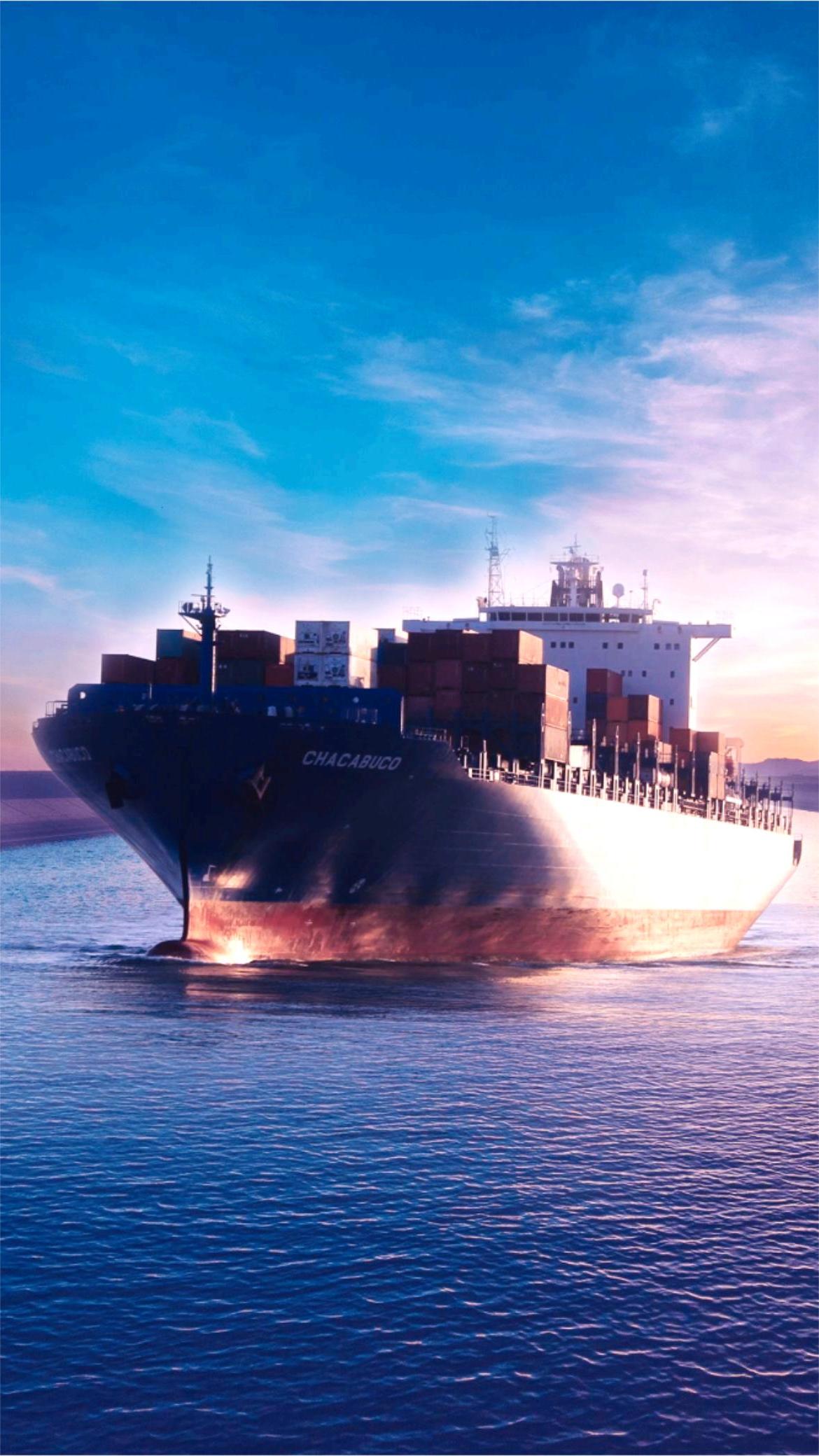
Sea freight remains the most cost-effective solution for shipping goods from China to Italy, particularly for bulkier items or larger quantities. This method is typically chosen by Amazon FBA sellers who prioritize cost savings over speed, accommodating longer transit times.
Specifically, you can opt for Full Container Load (FCL) or Less than Container Load (LCL). FCL is ideal for shipments large enough to fill an entire 20-foot or 40-foot container, offering better security and often faster transit within the sea leg. Conversely, LCL consolidates multiple smaller shipments into one container, making it suitable for lower volume goods (typically under 15 CBM) but potentially adding a few days to the overall transit due to consolidation and deconsolidation processes.
Common ports of loading in China include Shanghai, Ningbo, and Shenzhen, while key ports of discharge in Italy are Genoa, Livorno, and Naples. Typical sea transit from China to Italy ranges from 28 to 38 days, not including origin and destination logistics, which can add another week or two. As of early 2025, FCL rates for a 40HQ container from China to Italy typically range from $3,000 to $4,200, while LCL rates might be $50-80 per CBM, though these figures can fluctuate significantly based on market demand and fuel surcharges.
Is Air Freight a Viable Option for Your Amazon FBA Goods?
For Amazon FBA sellers requiring speed, air freight is undoubtedly the fastest way to move goods from China to Italy. This method is especially beneficial for high-value products, urgent restocks, or smaller, lighter items where the cost per unit is less impacted by higher shipping fees. Therefore, if your inventory levels are low or you’re launching a new product, air freight can be a strategic choice.
Generally, air freight services are categorized into standard air cargo and express air freight. Standard air cargo offers a balance of speed and cost, with transit times ranging from 5-10 days. Express services, provided by carriers like DHL, FedEx, or UPS, can deliver in as little as 3-5 days door-to-door, including customs clearance. However, the cost is substantially higher; typical rates for air freight from China to Italy can range from $5-10 per kilogram, depending on the service level and current market conditions. It is crucial to remember that volumetric weight often applies, meaning you pay based on the space your cargo occupies rather than just its actual weight if it’s bulky but light.
Can Rail Freight Be an Effective Solution to Italy?
Rail freight has emerged as a compelling middle-ground option for shipping from China to Europe, including Italy. Leveraging the New Silk Road railway network, this method offers a significant speed advantage over sea freight while being considerably more affordable than air freight. Consequently, it’s becoming a popular choice for Amazon FBA sellers seeking a balance between transit time and cost.
Moreover, rail freight transit times from major Chinese hubs like Chongqing or Xi’an to European rail terminals, which then connect to Italy, typically range from 18 to 25 days. This makes it about twice as fast as sea freight and roughly half the cost of air freight. Despite its benefits, rail freight has more limited routes and capacity compared to sea and air. However, for specific inland destinations in Italy, it can provide a highly efficient and reliable logistics solution, especially for medium-sized shipments. Based on current market rates, rail freight might cost $0.25-0.50 per kilogram or $100-200 per CBM for consolidated shipments.
Understanding Customs Clearance and Documentation for Italy FBA
Customs clearance is a critical, yet often complex, step in Amazon FBA shipping from China to Italy. Proper documentation and adherence to regulations are essential to avoid delays, penalties, and unexpected costs. Therefore, engaging an experienced customs brokerage service is highly recommended.
Key documents typically required include a Commercial Invoice, Packing List, Bill of Lading (for sea freight) or Air Waybill (for air freight), and a Certificate of Origin. Furthermore, sellers must have an EORI (Economic Operators Registration and Identification) number for importing into the EU and be registered for VAT in Italy, or utilize a fiscal representative. Failure to prepare these documents accurately can lead to significant delays at Italian ports or airports, impacting your delivery schedule and potentially incurring storage fees.
Additionally, commodity codes (HS codes) must be correctly declared, as these determine the applicable import duties and taxes. Italy, being part of the EU, adheres to EU customs regulations, which include specific product safety standards and labeling requirements. Working with a knowledgeable freight forwarder ensures compliance and smooth passage through customs.
Comprehensive Cost Factors for Amazon FBA Shipping
When planning your Amazon FBA shipping from China to Italy, it’s crucial to understand all potential cost components beyond just the basic freight rate. Indeed, a thorough cost analysis prevents surprises and helps in accurate product pricing. These factors collectively determine your total landed cost.
Specifically, major cost elements include the actual freight charges (sea, air, or rail), origin charges (such as pick-up, warehousing, export customs clearance, terminal handling charges), and destination charges (import customs clearance, port/airport handling, drayage to an Amazon FBA warehouse, and last-mile delivery). Moreover, import duties and VAT, calculated based on the declared value and commodity code, represent significant costs. As of Q1 2025, freight rates have stabilized somewhat after recent global disruptions, but seasonal peaks, particularly during Q4, can still see rates increase by 15-25%.
Note: Freight rates are subject to change based on fuel costs, carrier capacity, and seasonal demand. Contact us for a current quote tailored to your specific shipment.
Streamlining Your FBA Supply Chain with Door-to-Door Service
Opting for a door-to-door service significantly simplifies the Amazon FBA shipping process from China to Italy. This comprehensive solution handles every stage of the shipment, from your supplier’s factory in China directly to the Amazon FBA fulfillment center in Italy. Consequently, it removes much of the logistical burden from the seller.
A key benefit of door-to-door service is that it often includes DDP (Delivered Duty Paid) terms. Under DDP, the freight forwarder manages all aspects, including export customs in China, international transit, import customs clearance in Italy, and payment of duties and taxes. This means you receive a single, all-inclusive quote and avoid unexpected charges or delays at customs. Ultimately, choosing a reliable DDP service ensures a smoother, more predictable supply chain, allowing you to focus on selling your products rather than managing complex shipping logistics.

Case Studies: Successful Amazon FBA Shipments to Italy
Examining real-world scenarios provides practical insights into optimizing Amazon FBA shipping from China to Italy. These case studies highlight various approaches, demonstrating how different shipping methods and strategies cater to diverse business needs and product types. Based on Q3 2024 market rates, these examples offer realistic expectations for costs and transit times.
Case Study 1: Urgent Restock of Small Electronics
This case illustrates the efficiency of air freight for high-demand, low-volume products requiring rapid replenishment. The client needed to quickly restock popular electronic gadgets to avoid prolonged stockouts during a sales spike.
| Detail | Value |
|---|---|
| Route | Shenzhen, China -> Milan, Italy |
| Cargo | Smartwatch accessories, 0.8 CBM, 150 kg |
| Container | LCL Air Cargo |
| Shipping Details | Carrier: Major Air Cargo; Port of Loading: Shenzhen (SZX); Port of Discharge: Milan (MXP); Route Type: Direct |
| Cost Breakdown | Air Freight: $950; Origin Charges: $120; Destination Charges: $80; Customs & Duties (estimated): $180; Total Landed Cost: $1330 |
| Timeline | Booking to Loading: 2 days; Air Transit: 4 days; Customs Clearance: 1 day; Total Door-to-Door: 7 days |
| Key Insight | Air freight prevented lost sales, justifying the higher cost due to rapid market response. |
Case Study 2: New Product Launch for Home Goods
A client launched a new line of medium-sized home decor items, prioritizing a balance between cost and speed to establish initial inventory without excessive upfront shipping expenses. Rail freight offered an ideal solution.
| Detail | Value |
|---|---|
| Route | Chengdu, China -> Rome, Italy |
| Cargo | Ceramic vases, 6 CBM, 1200 kg |
| Container | LCL Rail Freight |
| Shipping Details | Carrier: China-Europe Rail Express; Rail Terminal of Loading: Chengdu; Rail Terminal of Discharge: Malaszewicze (Poland) then truck to Rome; Route Type: Transshipment via Poland |
| Cost Breakdown | Rail Freight: $1500; Origin Charges: $200; Destination Charges: $150; Customs & Duties (estimated): $300; Total Landed Cost: $2150 |
| Timeline | Booking to Loading: 3 days; Rail Transit: 16 days; Customs Clearance: 2 days; Total Door-to-Door: 21 days |
| Key Insight | Rail freight offered a competitive edge, balancing speed and cost for a successful new product introduction. |
Case Study 3: Bulk Seasonal Apparel Shipment
This scenario involved a large volume of seasonal clothing for an Amazon FBA seller, where cost-efficiency was the primary driver, allowing for longer lead times. Sea freight was the optimal choice for this bulk order.
| Detail | Value |
|---|---|
| Route | Ningbo, China -> Genoa, Italy |
| Cargo | Winter jackets, 25 CBM, 4500 kg |
| Container | 40HQ FCL |
| Shipping Details | Carrier: COSCO; Port of Loading: Ningbo; Port of Discharge: Genoa; Route Type: Direct |
| Cost Breakdown | Ocean Freight: $3800; Origin Charges: $350; Destination Charges: $280; Customs & Duties (estimated): $750; Total Landed Cost: $5180 |
| Timeline | Booking to Loading: 5 days; Sea Transit: 32 days; Customs Clearance: 3 days; Total Door-to-Door: 45 days |
| Key Insight | FCL sea freight provided the lowest per-unit cost, crucial for high-volume, lower-margin seasonal goods, despite longer transit. |
Which Shipping Option Should You Choose? A Decision Framework
Selecting the ideal shipping method for your Amazon FBA shipments from China to Italy hinges on several critical factors. Evaluating your priorities will guide you towards the most suitable and cost-effective logistics strategy. Therefore, consider the following framework to make an informed decision.
If budget is your absolute priority, sea freight (FCL or LCL) is generally the most economical option, despite its longer transit times. For time-sensitive cargo where speed is paramount, air freight offers the quickest delivery, albeit at a significantly higher cost. Alternatively, if you need a balance between speed and cost, rail freight provides a robust solution, faster than sea but more affordable than air.
Moreover, cargo type and volume play a crucial role. Small, lightweight, and high-value items often benefit from air freight, while bulky, heavy, or low-value goods are best suited for sea freight. For volumes between 2-15 CBM, LCL sea or rail freight often strikes an optimal balance. For volumes exceeding 15 CBM, FCL sea freight becomes increasingly cost-efficient. Hybrid solutions, such as sea-air combinations (sea to a transit hub, then air to destination), can also be explored for specific scenarios, offering a unique blend of speed and cost savings for certain routes or urgent components of a larger shipment.
Partnering with a Reliable Freight Forwarder for FBA Success
Ultimately, the complexity of Amazon FBA shipping from China to Italy necessitates partnering with a highly reliable and experienced freight forwarder. A seasoned logistics partner can navigate the intricate web of international shipping regulations, customs procedures, and Amazon’s specific delivery requirements. Consequently, this partnership can save you time, reduce costs, and mitigate potential risks.
Furthermore, a professional freight forwarder offers comprehensive services, including cargo consolidation, warehousing, customs clearance, and DDP delivery directly to Amazon FBA warehouses. They can also provide real-time tracking and expert advice on optimizing your supply chain, ensuring seamless operations. Such expertise is invaluable for e-commerce businesses aiming for consistent growth and customer satisfaction in the competitive Italian market.
Conclusion: Mastering Your Amazon FBA Shipping Route to Italy
In conclusion, successfully managing Amazon FBA shipping from China to Italy requires a strategic approach, encompassing careful selection of shipping methods, thorough understanding of costs, and meticulous attention to customs and documentation. By weighing the trade-offs between speed, cost, and cargo volume, sellers can choose the most appropriate logistics solution for their business.
Indeed, partnering with an experienced freight forwarder is crucial for navigating the complexities of this international trade route. Such a partnership ensures compliance, minimizes delays, and ultimately optimizes your supply chain for sustained success in the Italian Amazon marketplace. Therefore, investing in reliable logistics for your Amazon FBA shipping from China to Italy is an investment in your business’s future.
Get Your Shipping Quote Today
Ready to streamline your Amazon FBA shipping from China to Italy? Our expert team is here to provide tailored solutions and competitive quotes for your specific needs. Contact us today to ensure your products reach Amazon FBA warehouses efficiently and without hassle.
Request Quote