

- By carlie tj
- October 20, 2025
- Tips or Guide, Transport
Selling on Amazon Europe is highly profitable, but logistics often create major challenges. Importers frequently ask how to handle Amazon FBA shipping China to Spain smoothly while avoiding customs issues, hidden costs, and delays. By partnering with experts like China Top Freight, sellers can simplify compliance, reduce costs, and deliver goods directly to Amazon warehouses in Spain. This guide covers documentation, costs, transit times, and strategies to make your FBA supply chain efficient.
1. Why Choose Amazon FBA Shipping from China to Spain?
Amazon FBA allows sellers to store goods in Amazon’s warehouses, with Amazon handling fulfillment. Importing directly from Chinese suppliers offers:
- Lower production costs compared to European sourcing.
- Access to advanced Chinese manufacturing capacity.
- Direct delivery into Amazon Spain fulfillment centers.
- Better margins due to reduced overhead and scalable supply chains.
However, mistakes in customs or shipping choices can lead to stockouts or penalties.
2. How Much Does Amazon FBA Shipping China to Spain Cost?
Costs vary by shipment size, transport mode, and Incoterms.
| Shipping Method | Cost Estimate | Transit Time | Pros | Cons |
|---|---|---|---|---|
| Sea Freight (FCL 20ft) | $2,200–$3,200 | 30–40 days | Cheapest for bulk | Slow |
| Sea Freight (LCL) | $60–$85/CBM | 35–45 days | Cost-efficient for smaller loads | Extra handling |
| Air Freight | $5.5–$9/kg | 7–12 days | Faster delivery | Expensive |
| Express Courier | $8–$15/kg | 3–6 days | Door-to-door simplicity | High cost |
| Rail Freight (China–EU) | $3,800–$5,200/container | 18–25 days | Balanced cost/time | Limited to EU hubs |
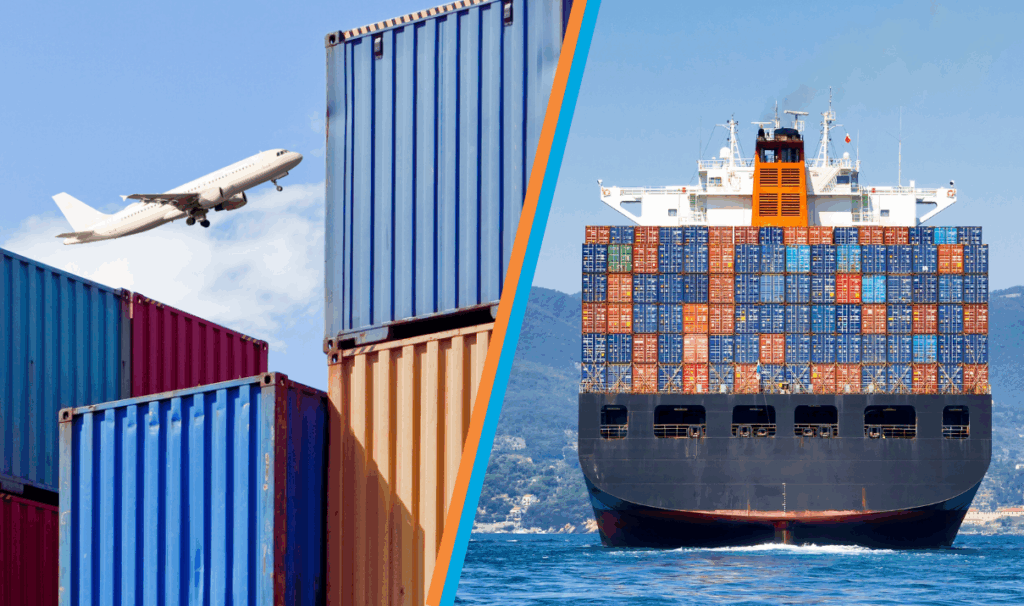
For Amazon sellers, sea freight is best for bulk inventory, while air freight suits urgent restocks.
3. How Long Does Shipping from China to Spain Take?
Transit times depend on the shipping method:
- Sea Freight: 30–40 days.
- Rail Freight: 18–25 days.
- Air Freight: 7–12 days.
- Courier: 3–6 days.
Additionally, allow 2–5 days for customs clearance and Amazon FC processing.
4. Should You Choose FCL or LCL for Amazon FBA Shipments?
FCL (Full Container Load): Best for large inventory shipments. Safer, cost-effective per unit, and faster at ports.
LCL (Less than Container Load): Suitable for small shipments but involves extra handling, which may risk damage or delays.
Amazon sellers often prefer FCL when stocking for peak seasons like Q4 or Prime Day.
5.What Customs Duties and VAT Apply in Spain?
Spain follows EU customs rules:
- Import Duty: Varies 0–12% depending on HS code.
- VAT (IVA in Spain): 21% standard rate, calculated on CIF value (cost + insurance + freight).
- Exemptions: Some books and medical products may enjoy reduced VAT.
Correct HS code classification is vital to avoid fines or overpayment.
6.What Are the Pros and Cons of Different Shipping Modes?
| Method | Pros | Cons |
|---|---|---|
| Sea Freight | Cheapest per unit | Slowest |
| Air Freight | Fast and secure | High price |
| Rail Freight | Balanced | Limited service |
| Courier | Door-to-door | Expensive |
The right choice depends on urgency and order volume.
7.Conclusion
Mastering Amazon FBA shipping China to Spain requires understanding customs, choosing the right shipping method, and ensuring Amazon compliance. By preparing accurate paperwork and using professional freight partners, sellers can scale profitably without logistics stress. With China Top Freight, your shipments reach Amazon Spain efficiently and safely.
8. Request a Quote
China Top Freight offers:
- ✅ Origin and Destination Countries
- ✅ Cargo Type and Volume
- ✅ Preferred Transport Method (Air, Sea, Rail, Road)
- ✅ Delivery Timeline
- ✅ Special Handling Requirements (if any)
9. FAQ
1. What is the cheapest way to ship goods to Amazon Spain?
The cheapest way is sea freight using FCL containers, which spreads costs across units, making it ideal for bulk FBA shipments.
2. How do I ensure compliance with Amazon labeling rules?
Each product requires an FNSKU, cartons need shipment IDs, and pallets must be labeled correctly before arriving at Amazon fulfillment centers.
3. Can I use air freight for urgent Amazon restocks?
Air freight is suitable for urgent restocks, offering 7–12 day delivery from China to Spain, though costs are higher compared to sea freight.
4. What customs duties apply to Amazon imports in Spain?
Duties depend on HS codes, usually between 0–12%. Importers must also pay 21% VAT calculated on the CIF value of goods.
5. Should I choose FCL or LCL for Amazon shipments?
FCL is better for large volumes as it’s cheaper per unit and safer, while LCL is suitable for small shipments with mixed cargo.