

Amazon Logistics China to Italy: Your Ultimate Guide
Navigating Amazon logistics from China to Italy can be complex, presenting challenges like varying transit times and intricate customs procedures. This comprehensive guide, brought to you by China Top Freight, will simplify the process, offering clear strategies for efficient and cost-effective shipping for your Amazon FBA business.
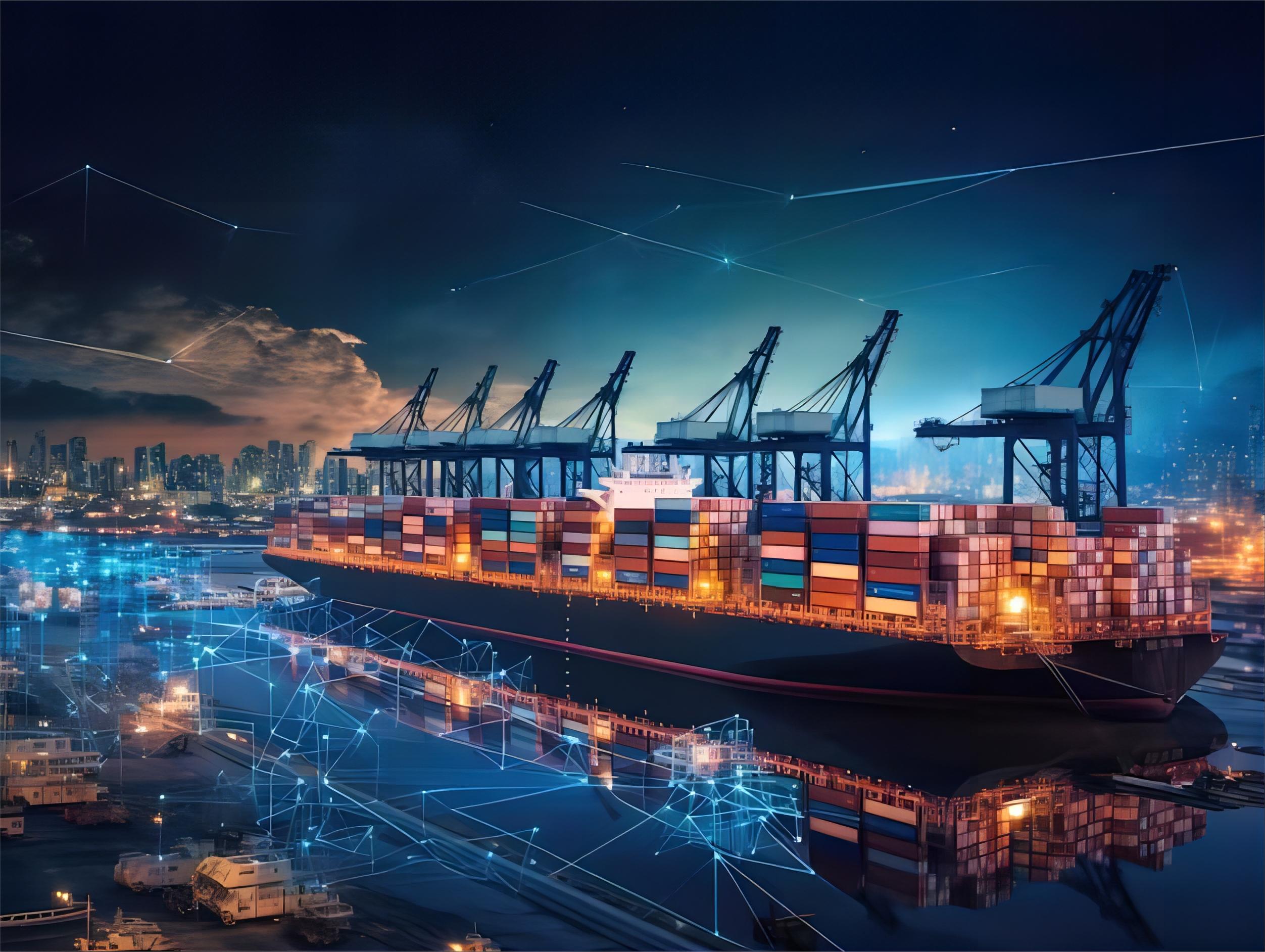
Understanding Amazon Logistics from China to Italy
For Amazon FBA sellers, efficient supply chain management from China to Italy is crucial for business growth. This process involves more than just moving goods; it requires strategic planning, compliance, and timely execution. Indeed, understanding the nuances of international freight is paramount.
The journey from Chinese factories to Italian Amazon fulfillment centers demands careful consideration of various factors. These include freight costs, transit times, customs regulations, and reliable delivery. Therefore, a well-structured logistics plan is essential for sustained success.
Effectively managing your Amazon FBA shipments ensures your inventory remains stocked and customer demand is met. Consequently, choosing the right logistics partner and shipping methods can significantly impact your bottom line. We will explore these options thoroughly.
Key Shipping Methods: China to Italy for Amazon FBA
Several primary shipping methods connect China with Italy, each offering distinct advantages depending on your shipment’s urgency, size, and budget. Choosing the optimal mode is a critical decision for any Amazon seller. Moreover, hybrid solutions can also be considered.
Evaluating these options against your specific business needs will help you make informed decisions. This section outlines the most common and effective ways to transport goods. Ultimately, balancing speed and cost is often the goal.
Sea Freight: Cost-Effective for Bulk Shipments
Sea freight is typically the most economical option for large, non-urgent shipments from China to Italy. It is ideal for bulk orders and heavy items where cost savings outweigh speed. Furthermore, it offers significant capacity.
While transit times are longer, usually ranging from 28 to 40 days, sea freight provides unparalleled cost efficiency per unit. Therefore, many Amazon sellers with predictable inventory needs rely on this method. Both FCL (Full Container Load) and LCL (Less than Container Load) options are available.
Air Freight: Speed and Urgency for Amazon FBA
Air freight offers the fastest transit times, making it suitable for high-value goods, urgent replenishments, or new product launches. Shipments can arrive in Italy within 3 to 8 days, significantly reducing lead times. However, this speed comes at a higher cost.
Despite the premium pricing, air freight can be invaluable for maintaining stock levels and responding quickly to market changes. Consequently, many Amazon sellers utilize air freight for time-sensitive inventory. It ensures products reach customers faster.
Rail Freight: A Balanced Alternative
Rail freight presents a compelling middle-ground between sea and air freight for China to Italy routes. It offers faster transit than sea shipping and is more cost-effective than air freight. Transit times typically range from 15 to 25 days.
This method is gaining popularity for its reliability and environmental benefits. Therefore, for businesses seeking a balance of speed, cost, and reduced carbon footprint, rail freight is an excellent choice. It connects major hubs efficiently.
Customs Clearance and Documentation for Italy Imports
Successful customs brokerage is a critical component of Amazon logistics from China to Italy. Proper documentation and adherence to Italian and EU import regulations are essential to avoid delays and penalties. Specifically, errors can be costly.
Navigating the complexities of international customs requires expertise. Consequently, partnering with an experienced freight forwarder who understands these requirements is highly recommended. This ensures a smooth and compliant import process.
| Document Type | Purpose | Required For |
|---|---|---|
| Commercial Invoice | Details goods, value, seller/buyer | All shipments |
| Packing List | Itemizes contents of each package | All shipments |
| Bill of Lading (B/L) / Air Waybill (AWB) | Contract of carriage, title to goods | Sea/Air freight respectively |
| Certificate of Origin | Confirms country of manufacture | Tariff preferences, specific goods |
| Import License | Permit for restricted goods | Certain product categories |
| CE Marking | EU conformity for product safety | Most industrial products |
How to Choose the Right Shipping Partner for Amazon FBA
Selecting an experienced freight forwarder is paramount for seamless Amazon logistics from China to Italy. A reliable partner offers more than just transportation; they provide end-to-end solutions. This includes customs support and last-mile delivery. Indeed, their expertise is invaluable.
Look for a partner with a proven track record in Amazon FBA shipments and a deep understanding of the China-Europe corridor. Furthermore, their ability to offer comprehensive door-to-door services, including customs clearance, is a significant advantage. This simplifies your supply chain.
Optimizing Transit Times and Costs: Strategies for China-Italy Shipments
Optimizing your Amazon logistics from China to Italy involves a strategic balance between speed and expenditure. Planning ahead and leveraging various shipping strategies can significantly reduce both transit times and overall costs. Therefore, proactive management is key.
Consider consolidating multiple smaller shipments into one larger consignment, especially for sea freight. Moreover, explore different incoterms with your suppliers to control costs and responsibilities more effectively. Ultimately, every decision impacts your bottom line.
Monitoring market trends and seasonal rate fluctuations can also lead to substantial savings. For instance, rates often increase during peak seasons like the lead-up to holidays. Consequently, booking in advance or shipping during off-peak times can be beneficial.
Real-World Success: Amazon FBA Case Studies
Examining real-world scenarios provides valuable insights into effective Amazon logistics from China to Italy. These case studies highlight practical applications of different shipping methods and strategies. They demonstrate how challenges are overcome.
They illustrate the varying costs, transit times, and strategic decisions involved in successful FBA shipments. Therefore, understanding these examples can help you tailor your own logistics plans. Each situation offers unique lessons.
Case Study 1: Large Volume Sea Shipment to Milan
A furniture retailer needed to ship 40 CBM of dining chairs to an Amazon FBA warehouse near Milan. The priority was cost-effectiveness over speed, with a steady inventory flow. This scenario perfectly suited a sea freight solution.
| Detail | Description |
|---|---|
| Route | Shanghai, China -> Genoa, Italy |
| Cargo | Dining chairs, 40 CBM, 8,000 kg |
| Container | 1 x 40GP |
| Shipping Details | Major carrier (e.g., COSCO), Port of Loading: Shanghai, Port of Discharge: Genoa, Route Type: Direct |
| Cost Breakdown | Ocean Freight: $3,500; Origin Charges: $450; Destination Charges: $550; Customs & Duties (estimated): $1,200; Total Landed Cost: $5,700 (Based on Q3 2024 market rates) |
| Timeline | Booking to Loading: 5 days; Sea Transit: 32 days; Customs Clearance: 3 days; Total Door-to-Door: 40 days |
| Key Insight | Optimal cost savings achieved by utilizing FCL sea freight for consistent, large-volume inventory. Careful planning avoided peak season surcharges. |
Case Study 2: Urgent Air Freight for New Product Launch in Rome
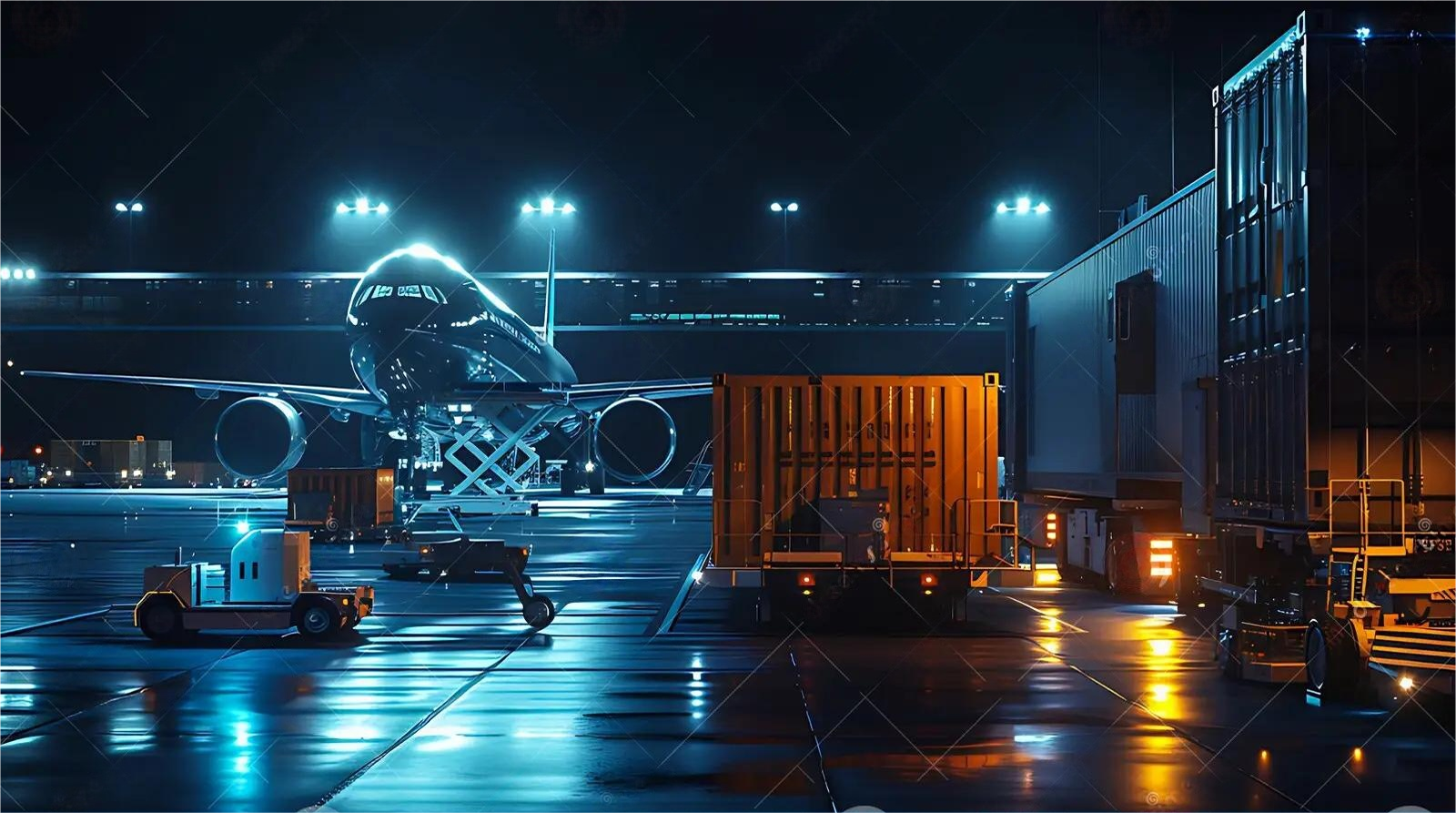
A tech gadget startup required a rapid shipment of 2 CBM of smart home devices for an Amazon FBA launch in Rome. Speed was critical to capture early market share. Consequently, air freight was the only viable option.
| Detail | Description |
|---|---|
| Route | Shenzhen, China -> Rome, Italy |
| Cargo | Smart home devices, 2 CBM, 300 kg |
| Container | Air Cargo |
| Shipping Details | Major airline (e.g., Lufthansa Cargo), Airport of Loading: Shenzhen (SZX), Airport of Discharge: Rome (FCO), Route Type: Direct |
| Cost Breakdown | Air Freight: $1,800; Origin Charges: $150; Destination Charges: $200; Customs & Duties (estimated): $350; Total Landed Cost: $2,500 (Typical rates as of early 2025) |
| Timeline | Booking to Loading: 2 days; Air Transit: 4 days; Customs Clearance: 1 day; Total Door-to-Door: 7 days |
| Key Insight | Air freight enabled a swift market entry, maximizing initial sales despite higher per-unit shipping costs. Pre-cleared documentation facilitated speed. |
Case Study 3: Consolidated Rail Shipment to Venice
An apparel distributor needed to ship 8 CBM of clothing to an Amazon FBA center near Venice, seeking a balance between speed and cost. Sea freight was too slow, and air freight too expensive. Therefore, rail freight emerged as the ideal solution.
| Detail | Description |
|---|---|
| Route | Chongqing, China -> Venice, Italy |
| Cargo | Apparel, 8 CBM, 1,500 kg |
| Container | LCL Rail Cargo |
| Shipping Details | China-Europe Railway Express, Rail Terminal of Loading: Chongqing, Rail Terminal of Discharge: Verona (then truck to Venice), Route Type: Direct Rail |
| Cost Breakdown | Rail Freight: $850; Origin Charges: $100; Destination Charges: $120; Customs & Duties (estimated): $280; Total Landed Cost: $1,350 (Based on Q4 2024 market rates) |
| Timeline | Booking to Loading: 3 days; Rail Transit: 18 days; Customs Clearance: 2 days; Total Door-to-Door: 23 days |
| Key Insight | Rail freight provided a reliable and cost-effective middle-ground, allowing for faster inventory turnover than sea freight without the high cost of air. Ideal for medium-sized, non-urgent shipments. |
How Does Each Method Compare to Other Shipping Options?
When planning Amazon logistics from China to Italy, a comparative analysis of shipping methods is essential. Each option presents a unique set of trade-offs concerning cost, speed, and suitability for different cargo types. Consequently, an informed choice is vital.
Understanding these distinctions allows Amazon sellers to tailor their supply chain strategy to specific product needs and market demands. Therefore, consider the following comprehensive comparison. This will help you make the best decision.
| Shipping Method | Cost Range (per kg/CBM) | Transit Time (Days) | Best For | Limitations |
|---|---|---|---|---|
| Sea Freight (FCL) | $0.05 – $0.15/kg | 28 – 40 | Large volumes, heavy goods, non-urgent | Slowest, port congestion risks |
| Sea Freight (LCL) | $0.10 – $0.25/kg | 35 – 45 | Smaller volumes, cost-sensitive | Longer transit than FCL, potential delays with consolidation |
| Air Freight | $4.00 – $8.00/kg | 3 – 8 | Urgent, high-value, light goods | Most expensive, volume/weight restrictions |
| Rail Freight | $0.80 – $1.50/kg | 15 – 25 | Medium urgency, balanced cost/speed, hazardous goods (sometimes) | Limited routes/terminals, less flexible than air/sea |

Which Option Should You Choose? A Decision Framework
Selecting the best shipping method for your Amazon logistics from China to Italy depends entirely on your priorities. Consider these key factors to guide your decision-making process. This framework simplifies complex choices.
If budget is your primary concern, and you have ample lead time, sea freight is almost always the most economical. Conversely, if speed is paramount for a new product launch or urgent restock, air freight is indispensable. Furthermore, cargo type plays a crucial role.
For example, if you’re shipping heavy machinery, sea freight is necessary due to weight limitations of air cargo. However, for delicate electronics, air freight might be preferred for reduced handling. Therefore, evaluate your inventory carefully.
Volume thresholds also dictate choices; for instance, less than 15 CBM often makes LCL sea freight or rail more economical than a full container. Above that, FCL becomes more cost-effective. Ultimately, a hybrid approach combining methods can also optimize your supply chain.
Navigating Challenges in China to Italy Amazon Logistics
The journey from China to Italy for Amazon FBA involves navigating several potential hurdles. These can include port congestion, customs delays, and unexpected rate fluctuations. Proactive planning and a flexible strategy are therefore crucial.
As of Q1 2025, freight rates from China to Europe have stabilized somewhat after the 2024 Red Sea disruptions, but geopolitical events can still impact routes and transit times. Moreover, seasonal peaks, such as Chinese New Year and Q4 holidays, invariably cause delays and price surges. Industry average for this route suggests increased lead times during these periods.
Working with a freight forwarder that offers robust tracking and communication is essential. This allows for quick responses to unforeseen issues. Indeed, transparency throughout the shipping process minimizes stress and ensures timely delivery. Always seek partners who provide real-time updates.
Ensuring Smooth Last-Mile Delivery to Amazon FBA Warehouses
The final leg of your Amazon logistics from China to Italy is delivery to the FBA warehouse. This last-mile segment requires precision and adherence to Amazon’s strict delivery appointments. Therefore, proper coordination is vital.
Failure to meet appointment times can result in penalties, delays, or even refusal of your shipment. Consequently, choosing a freight partner with strong local delivery networks in Italy is essential. They can efficiently manage bookings and ensure compliance. This prevents costly setbacks.
Conclusion: Master Your Amazon Logistics from China to Italy
Mastering Amazon logistics from China to Italy is achievable with strategic planning and the right partners. By understanding the various shipping methods, navigating customs, and optimizing your supply chain, you can ensure efficient and cost-effective delivery of your products.
Choosing an experienced freight forwarder is paramount to mitigating risks and capitalizing on opportunities. Ultimately, a well-executed logistics strategy for your China to Italy Amazon FBA shipments will drive your business success. Plan ahead and partner wisely.
Need a tailored shipping solution?
Ready to streamline your Amazon logistics from China to Italy? Get a personalized quote today and discover how our expert solutions can optimize your supply chain, reduce costs, and ensure timely delivery to Amazon FBA warehouses. Contact us for a consultation.