

Importing automotive components across borders is a complex but essential task for many businesses. Choosing auto parts sea freight China to USA offers cost savings, scalability, and reliability for both large-scale distributors and independent retailers. However, understanding shipping costs, customs requirements, and available freight options is vital to avoid costly mistakes and ensure on-time delivery.

Why Choose Sea Freight for Auto Parts?
Sea freight remains the most economical method for transporting heavy or bulky auto parts, such as engines, transmissions, and bumpers. Moreover, containers provide protection against damage, and consolidation options allow smaller importers to share space, keeping costs manageable.
What Are the Main Shipping Methods for Auto Parts?
| Shipping Method | Cost Range | Transit Time | Pros | Cons |
|---|---|---|---|---|
| Sea Freight FCL (Full Container Load) | $2,800–$4,500 per 20ft | 25–35 days | Best for bulk shipments, secure | Requires high volume |
| Sea Freight LCL (Less than Container Load) | $100–$180 per m³ | 28–40 days | Flexible for small orders | Longer handling times |
| Air Freight | $5–$9 per kg | 5–10 days | Fast, reliable | Very costly for heavy auto parts |
| Courier (DHL/UPS/FedEx) | $7–$15 per kg | 3–6 days | Door-to-door service | Only suitable for samples or small parts |
How Long Does Auto Parts Sea Freight Take?
Transit times vary depending on port of origin in China and port of arrival in the USA.
| Origin Port (China) | Destination Port (USA) | Average Transit Time |
|---|---|---|
| Shanghai | Los Angeles | 25–30 days |
| Shenzhen | Long Beach | 26–32 days |
| Ningbo | New York | 32–38 days |
| Qingdao | Houston | 28–35 days |
What are you waiting for?
Contact chinatopfreight for a fast, free quote.
Are you ready to book?
Access live instant freight quotes
How Much Does It Cost to Ship Auto Parts from China to the USA?
| Shipment Size | LCL Pricing | FCL Pricing | Notes |
|---|---|---|---|
| 1–5 m³ | $100–$180/m³ | Not available | Best for small shipments |
| 10–15 m³ | $100–$160/m³ | $2,800–$3,500 per 20ft | Choose LCL or small FCL |
| 20–30 m³ | N/A | $4,000–$5,500 per 40ft | Ideal for medium importers |
| 40–60 m³ | N/A | $6,000–$7,500 per 40ft HQ | Maximum cost efficiency |
Note: Rates fluctuate due to fuel surcharges, seasonal demand, and carrier capacity.
What Documents Are Required for Auto Parts Shipping?
| Document | Purpose |
|---|---|
| Commercial Invoice | Declares goods’ value and purpose |
| Packing List | Lists contents, weights, and packaging |
| Bill of Lading (B/L) | Legal contract of carriage |
| HS Codes | Determines duties and taxes |
| Importer Security Filing (ISF) | Required before loading |
| EPA/DOT Compliance Certificates | Needed for regulated parts |
| Customs Declaration | Filed with US CBP |
What Customs Regulations Apply to Auto Parts?
The U.S. Customs and Border Protection (CBP) enforces strict rules on imported automotive components. For example:
- Safety Standards: Certain parts must meet DOT (Department of Transportation) regulations.
- Environmental Standards: EPA certificates required for engines and exhaust systems.
- HS Code Classification: Incorrect codes can trigger fines or delays.
Therefore, working with an experienced customs broker is recommended.
Should You Choose FCL or LCL for Auto Parts?
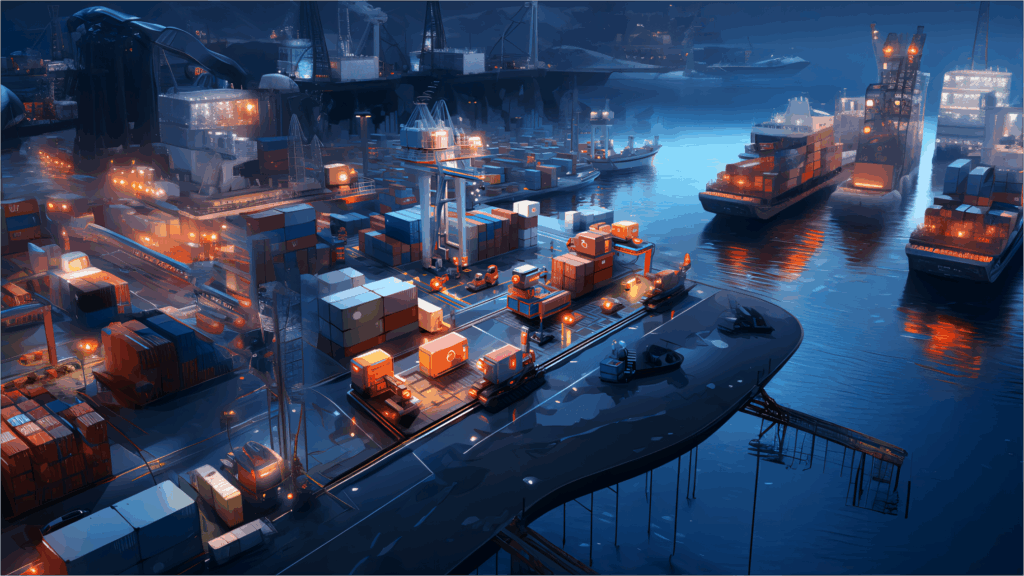
- FCL (Full Container Load): More secure, cheaper per unit, recommended for large importers.
- LCL (Less than Container Load): Best for smaller businesses, but shared containers may increase risk of damage and delays.
How Do Costs Compare: Sea Freight vs Air Freight?
| Mode | Cost | Transit Time | Best For |
|---|---|---|---|
| Sea Freight FCL | $2,800–$7,500 | 25–40 days | Engines, bulk shipments |
| Sea Freight LCL | $100–$180/m³ | 28–40 days | Smaller importers |
| Air Freight | $5–$9/kg | 5–10 days | Urgent, lightweight auto parts |
| Courier | $7–$15/kg | 3–6 days | Samples, small components |
What Packaging Is Required for Auto Parts?
- Engines & Heavy Parts: Use wooden crates, reinforced pallets.
- Glass & Fragile Parts: Bubble wrap, foam inserts, and shock-resistant packaging.
- Small Parts & Accessories: Cartons with proper labeling.
- Hazardous Items: Batteries and oils require compliance with dangerous goods regulations.
What Are the Risks of Auto Parts Sea Freight?
- Customs Delays: Incorrect paperwork stalls clearance.
- Damage in Transit: Poor packaging increases breakage risks.
- Hidden Charges: Demurrage, detention, and handling fees at U.S. ports.
- Seasonal Price Fluctuations: Rates rise during Chinese New Year and holiday seasons.
Conclusion
Importers seeking efficient logistics solutions for auto parts sea freight China to USA must evaluate costs, transit times, and compliance requirements carefully. Sea freight remains the most cost-effective choice for bulk shipments, while air freight supports urgent deliveries. By preparing accurate documents, ensuring proper packaging, and working with experienced freight forwarders, businesses can minimize risks and optimize their supply chain. A strategic shipping plan ensures smoother operations and better profitability in the automotive industry.
FAQ
1. What is the cheapest way to ship auto parts from China to the USA?
Sea freight, especially FCL, is usually the most affordable method for large shipments of auto parts, providing low per-unit costs compared to air freight.
2. Can I ship engines and transmissions by sea freight?
Yes, but they must be properly packaged, secured on pallets, and compliant with U.S. EPA and DOT regulations to pass customs inspections smoothly.
3. Do I need special certificates to import auto parts?
Yes, some parts require DOT and EPA certificates. Importers should confirm compliance before shipping to avoid customs penalties and shipment holds.
4. How long does customs clearance take in the USA?
Clearance typically takes 1–3 days, but delays may occur if documents are incomplete, HS codes are wrong, or the shipment requires special inspections.
5. Can I combine sea freight and air freight for auto parts?
Yes, many businesses ship bulk orders by sea and urgent spare parts by air freight, balancing costs and delivery time effectively.