

- By kelly
- October 27, 2025
- Logistics, Tips or Guide
Average Speed of Freight Train in China: Complete 2025 Guide
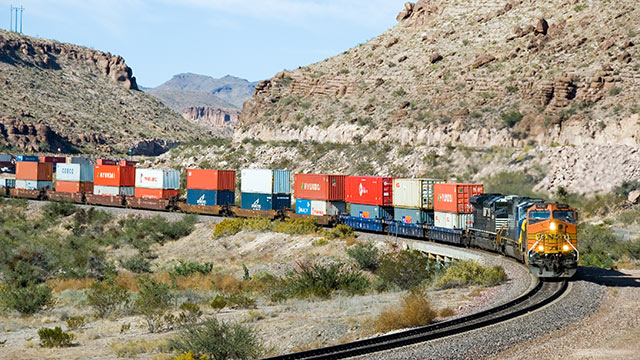
Understanding the average speed of freight train in China is essential for businesses considering rail as a logistics solution. China’s rail freight network plays a vital role in connecting domestic cities and linking Asia with Europe through the Belt and Road Initiative. However, while rail is faster than sea freight, it is slower than air, making it a balanced option for cost and time efficiency. This guide explores train speeds, transit times, shipping costs, customs, and how rail compares with other freight modes.
1. What Is the Average Speed of Freight Train in China?
The average speed of freight trains in China is 60–80 km/h for standard cargo and 100–120 km/h for express freight services. High-priority trains, such as those carrying e-commerce parcels, sometimes exceed 120 km/h, although most heavy cargo trains operate at lower speeds due to weight restrictions.
Key details:
- Domestic Rail Freight: Average 60–80 km/h.
- China-Europe Rail Freight: Average 70 km/h, with transit times of 14–18 days to major European hubs.
- Express Cargo Trains: Faster than conventional freight, reaching up to 120 km/h.
2. How Does Rail Freight Compare to Air and Sea?
Therefore, rail is a cost-effective solution when goods must arrive faster than sea but at a lower cost than air.
3. Why Is the Average Speed of Freight Train in China Important?
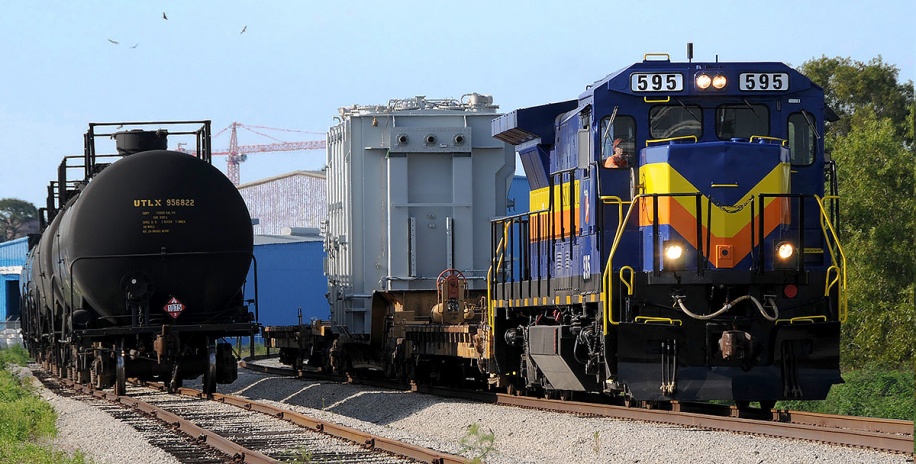
Speed impacts:
- Transit Times: Faster rail reduces delivery schedules to Europe and Central Asia.
- Supply Chains: Ensures just-in-time delivery for automotive, electronics, and textiles.
- Cost Efficiency: Shorter transit improves inventory turnover.
Moreover, rail helps businesses meet delivery deadlines without paying for expensive air freight.
4. What Are Typical Transit Times by Rail from China?
| Destination | Transit Time (Days) | Average Speed (km/h) |
|---|---|---|
| Moscow, Russia | 7–10 | 70–80 |
| Warsaw, Poland | 12–14 | 70–75 |
| Hamburg, Germany | 14–16 | 70–80 |
| London, UK | 16–18 | 65–75 |
These times are significantly shorter than sea freight but still longer than air transport.
5. What Factors Affect the Speed of Freight Trains?
Several elements influence the average speed of freight train in China:
- Cargo Weight: Heavier trains move slower.
- Route Congestion: Busy corridors with passenger traffic reduce speeds.
- Customs Procedures: Border inspections add 1–2 days.
- Infrastructure: High-speed freight corridors improve delivery times.
- Weather Conditions: Extreme cold or floods can reduce efficiency.
Therefore, while rail is reliable, external factors can impact consistency.
6. What Cargo Types Are Suited for Rail Freight?
Rail freight is ideal for:
- Electronics: Fast delivery with lower cost than air.
- Automotive Parts: Just-in-time manufacturing needs.
- Textiles & Apparel: Seasonal fashion shipments.
- Machinery & Industrial Goods: Large, heavy equipment.
- E-commerce Parcels: High-speed express trains.
Moreover, rail provides temperature-controlled containers for sensitive goods like pharmaceuticals.
7. How Much Does Rail Freight Cost Compared to Other Modes?
| Shipping Method | Cost (USD) | Transit Time | Best Use Case |
|---|---|---|---|
| Air Freight | $5–9/kg | 3–7 days | Urgent, high-value cargo |
| Rail Freight | $2,000–$3,000 per 40ft | 14–18 days | Balanced cost/time |
| Sea Freight | $1,000–$2,000 per 20ft | 30–40 days | Bulk, low-value cargo |
Therefore, rail is 40–60% cheaper than air freight but 30–40% faster than sea freight.
8. What Customs Documents Are Needed for Rail Freight?
| Document | Purpose |
|---|---|
| Rail Waybill | Proof of carriage |
| Commercial Invoice | Declares cargo value |
| Packing List | Lists contents |
| Certificate of Origin | Determines tariffs |
| Import/Export License | For restricted goods |
| Insurance Certificate | Covers risks |
Additionally, proper documentation prevents customs delays at borders like Kazakhstan, Belarus, and Poland.
9. What Are the Pros and Cons of Rail Freight?
| Pros | Cons |
|---|---|
| Faster than sea freight | More expensive than sea |
| Cheaper than air freight | Limited destinations |
| Eco-friendly (lower carbon footprint) | Customs delays possible |
| Reliable schedules | Speed still lower than air |
Therefore, rail freight is best for medium-value goods that cannot wait 30+ days at sea.
10. Which Chinese Cities Are Major Rail Freight Hubs?
- Chongqing – Key hub for China–Europe trains.
- Xi’an – Strategic Belt and Road corridor.
- Chengdu – Fast-growing logistics hub.
- Wuhan – Industrial base with strong rail links.
- Zhengzhou – Central China gateway to Europe.
- Shanghai & Shenzhen – Integration with seaports for multimodal freight.
These hubs connect to over 50 European destinations.
11. How Do Rail Freight Speeds Impact Supply Chains?
- Reduced Inventory Holding Costs: Faster deliveries reduce warehouse storage.
- Improved Supply Reliability: Consistent schedules keep supply chains stable.
- Market Competitiveness: Enables quicker replenishment cycles.
Therefore, companies shipping high-demand products gain a competitive edge with rail transport.
12. Future Trends in Freight Train Speeds in China
- Dedicated Freight Corridors: Separate lines for freight to boost average speed.
- Green Logistics: Energy-efficient trains and electrification.
- Digitalization: AI-driven scheduling and predictive maintenance.
- Expanded Belt & Road: More direct routes reduce transit times.
Moreover, high-speed freight trains under development could reach 160 km/h in the near future.
📦Get a Free Quote
Choosing the right logistics partner helps businesses maximize the benefits of rail freight speeds in China. Our team provides transparent pricing, reliable schedules, and customs expertise. Contact us today to get a tailored quote for your rail shipping needs.
❓ Frequently Asked Questions
1. What is the average cost of a 20ft container from China to UK?
It typically costs $1,600–$2,400 depending on origin, carrier, and season. Rates increase during peak periods and drop in off-peak months.
2. How long does sea freight take from China to UK?
Transit time averages 28–38 days depending on departure port and customs clearance speed in UK ports like Felixstowe or Southampton.
3. Do I need an EORI number to import into the UK?
Yes, all businesses importing into the UK must register for an Economic Operator Registration and Identification (EORI) number before customs clearance.
4. Is FCL better than LCL for a 20ft container?
If your cargo volume exceeds 15 CBM, FCL is usually more cost-effective and faster since no consolidation delays occur.
5. What taxes apply when importing containers into the UK?
Expect customs duty (0–25%) based on HS code, plus 20% VAT. Brokers help ensure correct classification and minimize overpayment.
Conclusion
The cost of 20ft container from China to UK depends on shipping method, season, and customs fees. Sea freight remains the most cost-effective option, especially for medium cargo. However, accurate documentation and professional forwarding support are essential to avoid delays and hidden charges. Therefore, importers should plan ahead, use expert freight forwarders, and optimize shipping schedules for the best results.