

Bags Freight China to Europe: Your Ultimate Shipping Guide
The global marketplace increasingly relies on efficient logistics, especially for specialized cargo like bags freight from China to Europe. Businesses often face the challenge of balancing speed, cost, and reliability to meet consumer demand and maintain competitive pricing. This comprehensive guide, brought to you by China Top Freight, explores the best strategies for shipping your bags, ensuring a smooth and profitable supply chain.

Understanding Bags Freight: What Makes It Unique?
Shipping bags from China to Europe involves unique considerations beyond general cargo. Different types of bags, from luxury leather handbags to bulk textile luggage, demand specific handling and packaging solutions. Furthermore, understanding these nuances is crucial for preventing damage and ensuring compliance with import regulations.
Therefore, careful planning for your bags freight China to Europe journey begins with assessing the product itself. The material composition, whether delicate leather, sturdy canvas, or synthetic fabric, directly influences packaging choices. Moreover, the value of the goods also dictates insurance requirements and preferred shipping methods.
Key Shipping Methods from China to Europe
When considering bags freight from China to Europe, several primary shipping methods are available, each with distinct advantages and disadvantages. Your choice will significantly impact transit time, cost, and overall logistical efficiency. Therefore, evaluating your specific needs is paramount.
Indeed, selecting the right mode of transport is a strategic decision for any business. Factors such as urgency, budget constraints, and cargo volume play a critical role in determining the most suitable option. Let’s delve into the main methods.
Sea Freight: Economical for Bulk Shipments
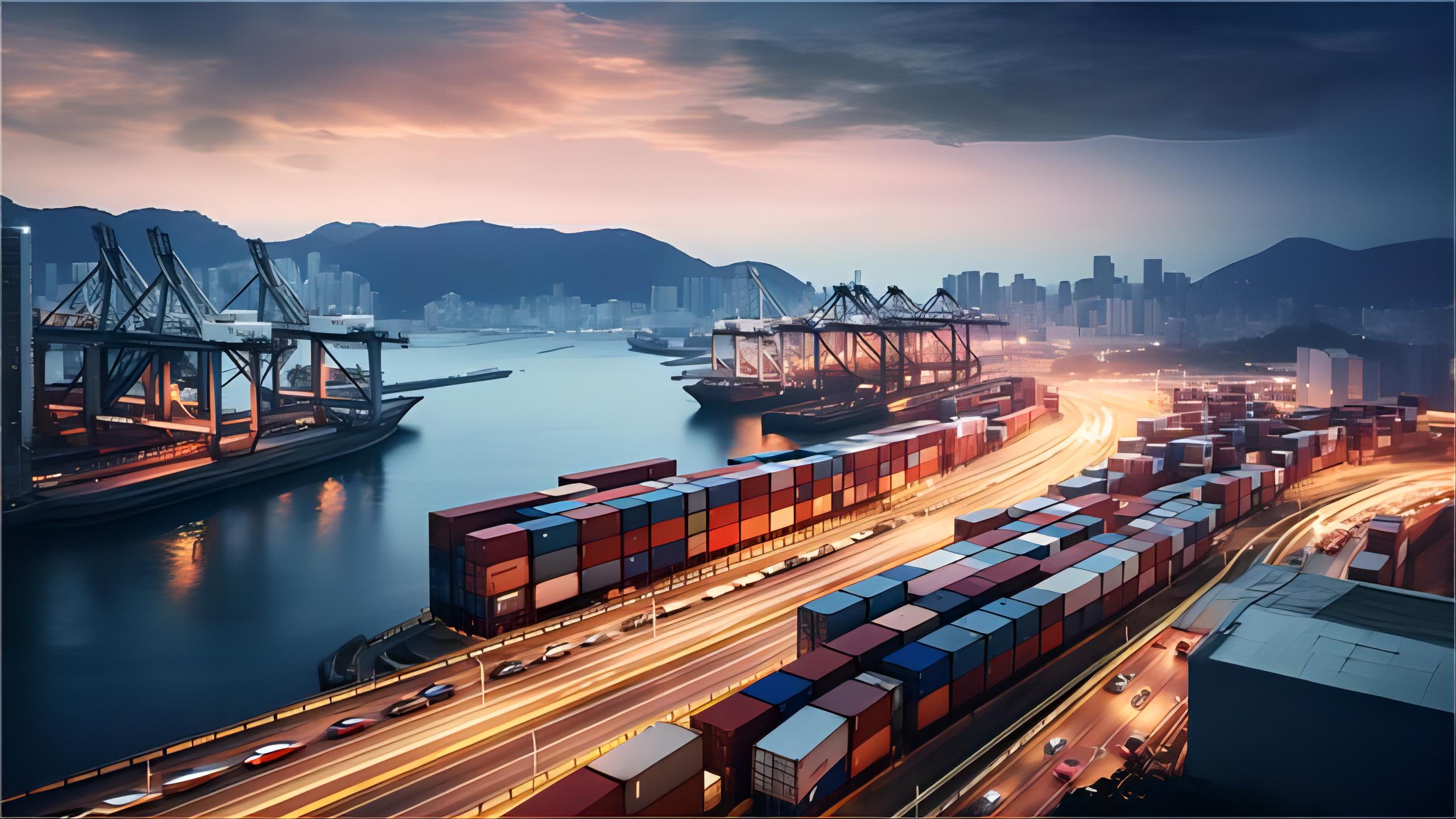
For large volumes of bags or less time-sensitive cargo, sea freight remains the most cost-effective option. This method is ideal for businesses importing substantial quantities, offering significant savings per unit. However, transit times are considerably longer, typically ranging from 28 to 40 days.
Consequently, careful inventory management and forecasting are essential when utilizing sea freight. Despite the longer transit, its lower cost makes it a preferred choice for many businesses shipping bags freight China to Europe. Both Full Container Load (FCL) and Less than Container Load (LCL) options are available.
Air Freight: Speed and Reliability for Urgent Orders
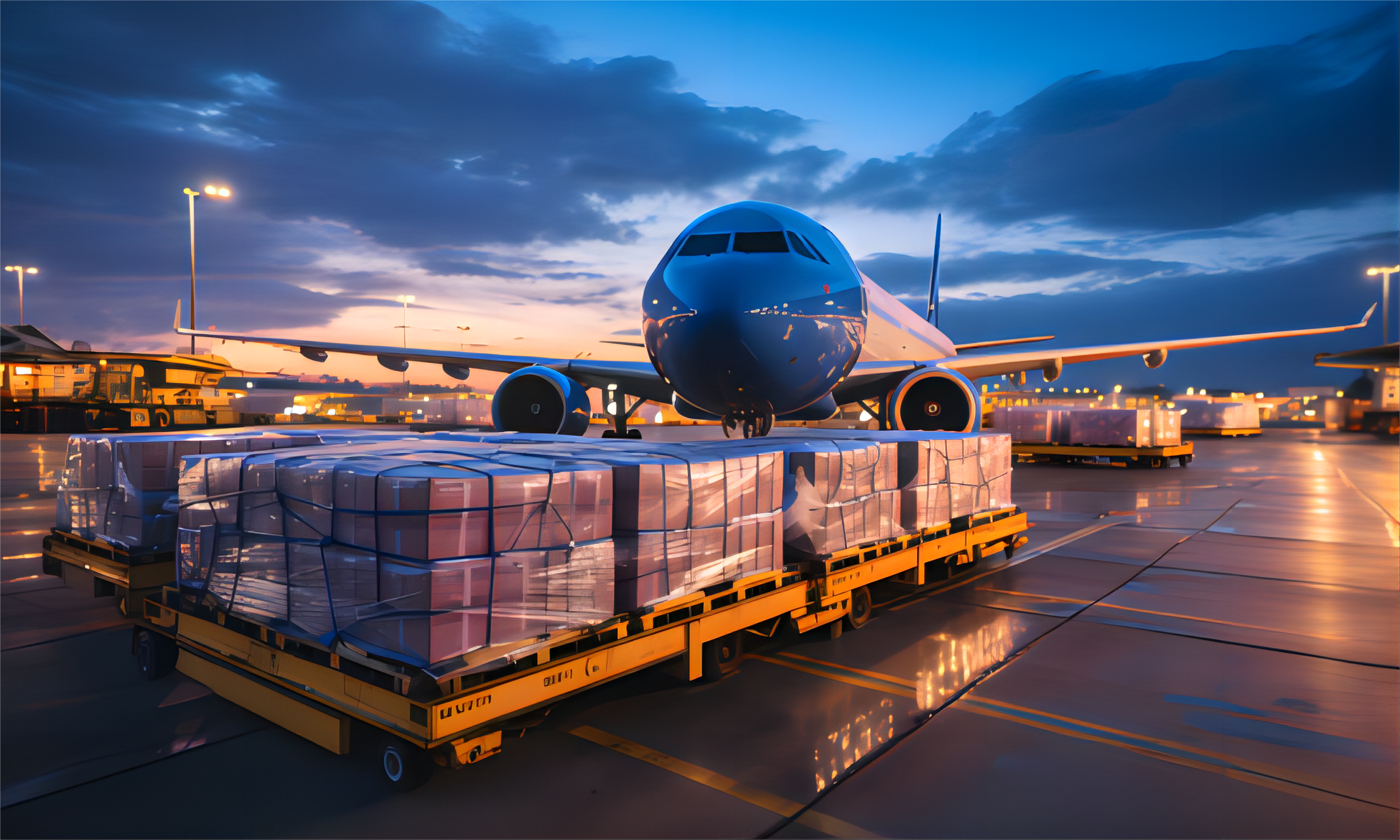
If speed is your top priority, air freight offers the fastest transit times, typically delivering bags from China to Europe within 5 to 7 days. This method is perfect for high-value goods, urgent orders, or managing seasonal demand where quick replenishment is critical. Nevertheless, the cost is significantly higher.
Generally, air freight is chosen for smaller, lighter shipments or when market trends dictate rapid delivery. While more expensive, it provides unparalleled speed and reliability, minimizing inventory holding costs and maximizing responsiveness for bags freight China to Europe.
Rail Freight: A Balanced Alternative
Rail freight presents an excellent middle-ground solution, balancing cost-effectiveness with reasonable transit times. Shipping bags from China to Europe by rail typically takes 18 to 25 days, making it faster than sea freight but more economical than air freight. This option has grown significantly in popularity.
Moreover, rail freight offers better environmental credentials compared to air transport and greater security than sea freight. It is particularly suitable for mid-volume shipments where a balance of speed and cost is desired for your bags freight China to Europe. Consider rail freight for a reliable and efficient service.
Express Service: Door-to-Door Convenience
For very small, high-value, or urgent bags freight shipments, express service provides a door-to-door solution with minimal hassle. Major couriers handle all logistics, including customs clearance, offering quick delivery within 2-5 days. Although the most expensive per kilogram, it is convenient.
This method is particularly beneficial for samples, prototypes, or last-minute orders, ensuring rapid delivery directly to your European address. Furthermore, the simplicity of express shipping can save time and resources on logistical coordination, making it an attractive option for specific needs.
How Does Each Method Compare? Cost, Speed, and Suitability
Choosing the optimal shipping method for bags freight from China to Europe requires a clear understanding of the trade-offs involved. Each mode of transport offers a different balance of cost, transit time, and capacity. Therefore, a comprehensive comparison is essential for informed decision-making.
Consider the following table for a quick overview of the main characteristics. This will help you align your shipping strategy with your business objectives, whether that’s minimizing expenses, maximizing speed, or achieving a balance between the two.
| Shipping Method | Cost Range (Approx.) | Transit Time (Days) | Best For | Limitations |
|---|---|---|---|---|
| Sea Freight | $2,800 – $4,200 (40HQ) | 28 – 40 | Large volumes, non-urgent, heavy goods | Slow, less flexible routes, port congestion |
| Rail Freight | $8,000 – $12,000 (40HQ) | 18 – 25 | Mid-volume, balanced cost/speed, inland destinations | Limited direct routes, less capacity than sea, railway network limitations |
| Air Freight | $5 – $10 per kg (general cargo) | 5 – 7 | Urgent, high-value, samples, light cargo | Most expensive, size/weight restrictions, fuel surcharges |
| Express Service | $8 – $15 per kg (small pkg) | 2 – 5 | Very urgent, small packages, door-to-door | Very expensive, volume limitations, less suitable for bulk |
Strategic Alternatives and Decision Framework for Your Freight
Beyond the primary shipping methods, several alternative strategies and a structured decision framework can further optimize your bags freight China to Europe logistics. Understanding these options allows for greater flexibility and cost efficiency, especially in a dynamic market. For instance, combining different modes can yield significant benefits.
As a result, smart logistics planning goes beyond just picking sea or air. It involves considering various factors like cargo volume thresholds, specific product characteristics, and urgency. Let’s explore how to make these critical choices.
Which Option Should You Choose?
Making the right choice depends heavily on your specific priorities. Therefore, a clear decision framework can guide your selection process effectively. Here’s how to approach it:
If **Budget is your priority**, consider sea freight, especially LCL for smaller volumes. It offers the lowest cost per unit, though with longer lead times. However, for volumes over 15 CBM, FCL becomes more economical. If **Speed is paramount**, air freight or express service are your best bets, albeit at a higher cost. These methods are ideal for time-sensitive bags freight China to Europe shipments or product launches.
For **Cargo type considerations**, delicate or high-value bags might benefit from the faster, more secure handling of air or rail. Bulky, resilient items are well-suited for sea freight. Moreover, **Volume thresholds** are crucial: LCL for under 15 CBM, FCL for 15 CBM and above. Hybrid solutions like sea-air or rail-air can also offer a balance, combining the benefits of different modes.
Cost-Saving Strategies and Hybrid Solutions
Implementing cost-saving strategies is vital for maintaining profitability. For example, consolidating multiple smaller shipments into a single larger one (LCL) can significantly reduce per-unit costs. Another approach is utilizing door-to-door services, which streamline the entire process and often include customs clearance, reducing unexpected fees.
Hybrid solutions, such as ‘sea-air’ or ‘rail-air’, combine the cost-effectiveness of sea or rail for the longer leg with the speed of air for the final segment. This can reduce overall transit time by 7-10 days compared to pure sea freight, offering a compelling alternative for bags freight China to Europe. However, these options require careful coordination with your logistics provider.
Navigating Customs and Documentation for European Imports
Importing bags freight from China to Europe requires meticulous attention to customs procedures and documentation. Non-compliance can lead to significant delays, fines, and even seizure of goods. Therefore, understanding the requirements is non-negotiable for smooth operations.
Furthermore, engaging a professional customs brokerage service is highly recommended. They possess the expertise to navigate complex regulations, ensure accurate declarations, and expedite the clearance process. This minimizes risks and keeps your supply chain moving efficiently.
Essential Documents Checklist
A comprehensive set of documents is required for customs clearance. Ensuring all paperwork is accurate and complete prevents common pitfalls.
Key documents include the Commercial Invoice, Packing List, Bill of Lading (for sea freight) or Air Waybill (for air freight), Certificate of Origin, and any specific permits or licenses related to the type of bags (e.g., CITES for exotic leathers). Failure to provide correct documentation will undoubtedly cause delays.
| Document Type | Purpose | Key Information |
|---|---|---|
| Commercial Invoice | Customs valuation, duties/taxes | Shipper/Consignee, description, value, terms |
| Packing List | Cargo verification | Contents, quantities, weight, dimensions |
| Bill of Lading/Air Waybill | Contract of carriage, title to goods | Carrier, route, goods, parties involved |
| Certificate of Origin | Proof of country of manufacture | Country of origin for preferential tariffs |
| Import License/Permit | Regulatory compliance | Specific to certain goods or materials |
Duties, Taxes, and Compliance
Importers must be aware of applicable duties and Value Added Tax (VAT) when shipping bags freight China to Europe. These costs can significantly impact the landed cost of your products. Harmonized System (HS) codes are used to classify goods, determining the correct duty rates.
Moreover, certain types of bags or materials may be subject to specific EU regulations, such as REACH for chemical substances or restrictions on products made from endangered species. Staying informed about these regulations is crucial for avoiding legal issues and ensuring market access.
Optimizing Your Supply Chain: Tips for Cost and Time Efficiency
Efficient management of your supply chain is paramount for businesses dealing with bags freight China to Europe. Strategic planning can lead to substantial savings and improved delivery times. Therefore, exploring various optimization tactics is highly beneficial.
From smart consolidation to leveraging specialized services, there are numerous ways to enhance your logistics. By implementing these tips, businesses can achieve a more streamlined and cost-effective shipping process.
Consolidation and LCL Shipments
For businesses with smaller or irregular volumes of bags, consolidating multiple shipments into a Less than Container Load (LCL) can be a game-changer. This approach allows you to share container space with other shippers, significantly reducing freight costs. However, it may add a few extra days to transit due to consolidation and deconsolidation processes.
Despite the slightly longer transit, LCL shipping is an excellent way to manage inventory without committing to a full container. It’s particularly useful for testing new product lines or managing smaller, frequent orders of bags freight China to Europe.
Leveraging Door-to-Door and FBA Services
Opting for a door-to-door service simplifies the entire shipping process, from pickup at the factory in China to final delivery in Europe. This comprehensive solution minimizes your logistical burden, as the freight forwarder handles all intermediaries, including customs and local transport. It offers a hassle-free experience.
Furthermore, for sellers utilizing Amazon’s platform, specialized Amazon FBA services are invaluable. These services ensure your bags freight China to Europe shipments meet Amazon’s strict packaging and labeling requirements, delivering directly to their fulfillment centers. This avoids common FBA rejection issues and streamlines your e-commerce operations.
Real-World Success: Case Studies in Bags Freight China to Europe
Understanding real-world scenarios provides invaluable insight into the complexities and solutions for bags freight from China to Europe. These case studies highlight how different businesses optimized their logistics based on specific needs and challenges. They offer practical examples of successful shipping strategies.
Therefore, examining these examples can help you tailor your own approach, whether you prioritize cost, speed, or a combination. Each case demonstrates a unique logistical challenge and its effective resolution, showcasing the versatility of modern freight solutions.
Case Study 1: Large Volume Sea Freight for Fashion Accessories
| Detail | Description | ||||
|---|---|---|---|---|---|
| Route | Shanghai, China Hamburg, Germany | ||||
| Cargo | Assorted fashion handbags (PU leather, canvas), 38 CBM, 12,000 kg | ||||
| Container | 40HQ | ||||
| Shipping Details | Carrier: COSCO, Port of Loading: Shanghai, Port of Discharge: Hamburg, Route Type: Direct | ||||
| Cost Breakdown | Ocean Freight: $3,850 | Origin Charges (THC, documentation): $450 | Destination Charges: $550 | Customs & Duties (estimated): $1,200 | Total Landed Cost: $6,050 |
| Timeline | Booking to Loading: 5 days | Sea Transit: 32 days | Customs Clearance: 3 days | Total Door-to-Door: 40 days | |
| Key Insight | Based on Q3 2024 market rates, FCL sea freight was chosen for its cost-effectiveness for large volume, non-urgent fashion accessories, achieving significant savings despite longer transit time. |
Case Study 2: Time-Sensitive Air Freight for Luxury Bags
| Detail | Description | ||||
|---|---|---|---|---|---|
| Route | Guangzhou, China Paris, France | ||||
| Cargo | High-end leather briefcases and wallets, 2.5 CBM, 450 kg | ||||
| Container | Air Cargo (Consolidated) | ||||
| Shipping Details | Carrier: Major airline, Port of Loading: Guangzhou Baiyun, Port of Discharge: Paris CDG, Route Type: Direct | ||||
| Cost Breakdown | Air Freight: $3,600 | Origin Charges (handling, documentation): $280 | Destination Charges: $350 | Customs & Duties (estimated): $800 | Total Landed Cost: $5,030 |
| Timeline | Booking to Loading: 2 days | Air Transit: 4 days | Customs Clearance: 1 day | Total Door-to-Door: 7 days | |
| Key Insight | Typical rates as of early 2025. Air freight was selected for urgent delivery of high-value luxury items, minimizing market lead time for a new collection launch. Speed justified the higher cost. |
Case Study 3: Balanced Rail Freight for Seasonal Backpacks
| Detail | Description | ||||
|---|---|---|---|---|---|
| Route | Chongqing, China Duisburg, Germany | ||||
| Cargo | Backpacks and travel bags (polyester), 18 CBM, 3,500 kg | ||||
| Container | LCL (Shared Container) | ||||
| Shipping Details | Carrier: China Railway Express, Loading Station: Chongqing, Unloading Station: Duisburg, Route Type: Direct Rail | ||||
| Cost Breakdown | Rail Freight: $2,500 | Origin Charges (terminal, documentation): $320 | Destination Charges: $400 | Customs & Duties (estimated): $700 | Total Landed Cost: $3,920 |
| Timeline | Booking to Loading: 3 days | Rail Transit: 20 days | Customs Clearance: 2 days | Total Door-to-Door: 28 days | |
| Key Insight | Based on current market rates. Rail freight offered a reliable and environmentally friendlier option for seasonal goods, providing a good balance between cost and speed, avoiding peak season sea freight delays. |
Your Trusted Partner for Bags Freight China to Europe
Navigating the complexities of bags freight from China to Europe demands expertise, strategic planning, and a reliable logistics partner. By carefully considering shipping methods, understanding customs requirements, and leveraging optimization strategies, businesses can significantly enhance their supply chain efficiency.
Indeed, whether you prioritize cost savings, rapid delivery, or a balanced approach, the right freight forwarder makes all the difference. We encourage you to partner with a seasoned professional to ensure your bags freight reaches its European destination seamlessly and cost-effectively.
Ready to streamline your logistics?
Ready to streamline your bags freight China to Europe logistics? Contact us today for a personalized consultation and a competitive quote. Our experts are prepared to optimize your shipping strategy and ensure your cargo arrives safely and efficiently. Visit China Top Freight to get started.
Request Quote