

Bags Sea Freight from China: Your Ultimate Shipping Guide
Navigating the complexities of shipping bags from China can be daunting for many businesses. Understanding the most efficient and cost-effective methods, particularly bags sea freight from China, is crucial for your supply chain success. This comprehensive guide will illuminate every aspect of sea freight, ensuring your cargo arrives safely and economically.
Why Choose Sea Freight for Bags from China?
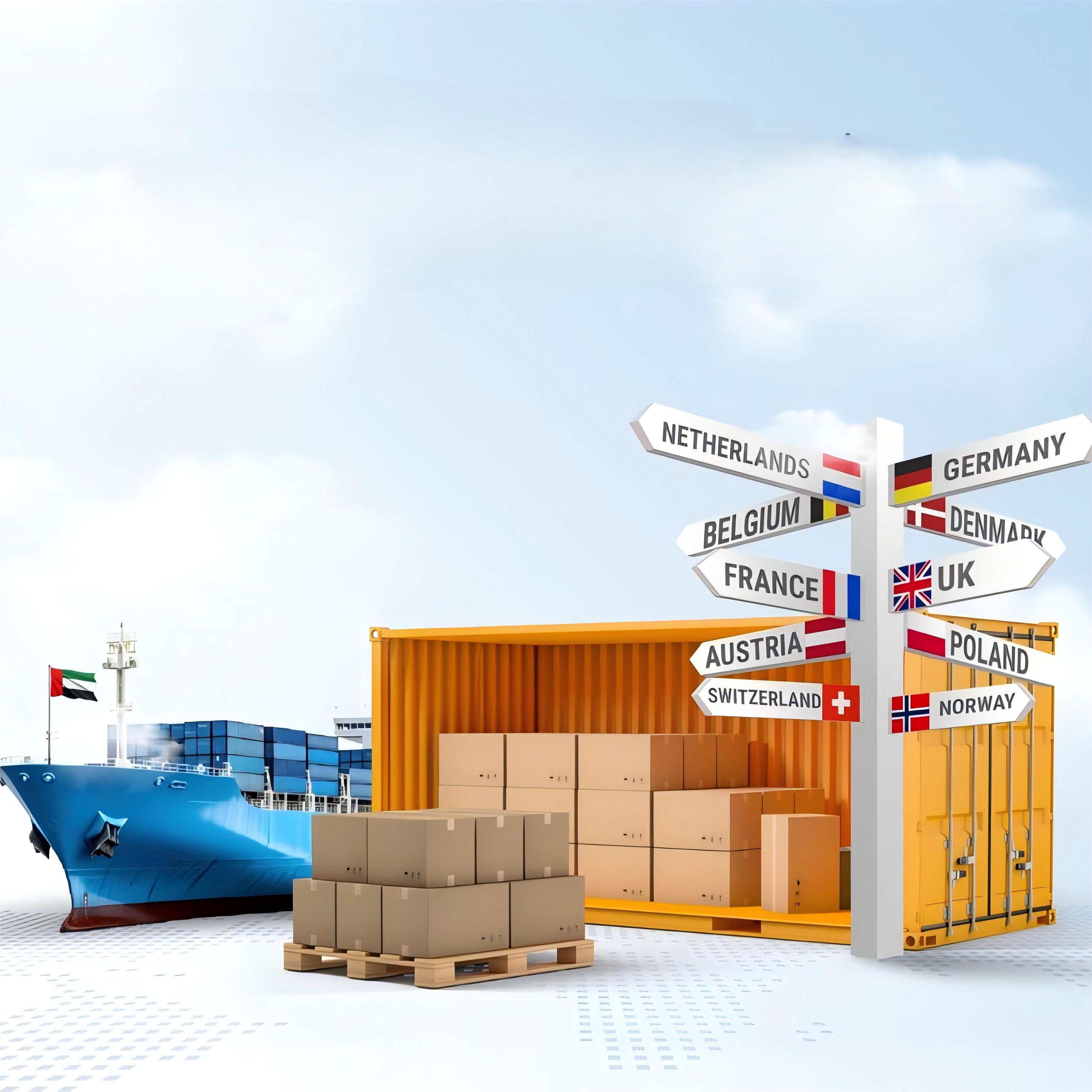
Sea freight stands out as the most economical option for shipping large volumes of goods, including various types of bags, from China. This method offers unparalleled capacity, making it ideal for bulk orders of handbags, luggage, backpacks, or even raw materials like fabric rolls for bag manufacturing. Consequently, businesses can significantly reduce their overall shipping costs per unit.
Furthermore, sea freight provides excellent stability for your supply chain, especially for non-urgent shipments. While transit times are longer compared to air freight, the cost savings are substantial. Therefore, for businesses focused on budget efficiency and large-scale inventory management, ocean shipping remains the preferred choice for reliable cargo handling.
Understanding Bags Sea Freight Costs from China
The total cost for sea freight for bags from China depends on several key factors. These include the volume and weight of your shipment, the chosen port of loading and discharge, and the Incoterms agreed upon with your supplier. Additionally, market conditions, fuel surcharges, and seasonal demand significantly influence freight rates.
Choosing between Less than Container Load (LCL) and Full Container Load (FCL) also impacts your expenses. LCL is suitable for smaller shipments, where your cargo shares container space, while FCL is more cost-effective for larger volumes, providing dedicated container use. Therefore, understanding these variables is essential for accurate budgeting and strategic import/export planning. Based on current market rates, careful planning is always advised.
Note: Freight rates are subject to change based on fuel costs, carrier capacity, and seasonal demand. Contact us for a current quote tailored to your specific shipment.
| Cost Factor | Description | Impact on Price |
|---|---|---|
| Cargo Volume/Weight | Cubic meters (CBM) or kilograms | Higher volume/weight increases cost |
| Origin/Destination Ports | Specific ports in China and destination country | Longer distances or less popular routes cost more |
| Container Type | LCL (shared) vs. FCL (dedicated) | FCL is cheaper per unit for large volumes |
| Incoterms | Defines cost/risk responsibility between buyer/seller | Can shift costs like origin/destination charges |
| Seasonal Demand | Peak shipping seasons (e.g., Q4) | Rates typically increase 15-25% during peak times |

How Does Bags Sea Freight from China Work? The Process Explained
Shipping bags via sea freight from China involves a structured, multi-step process. Initially, you’ll need to book space with a freight forwarder, providing details about your cargo. Subsequently, your goods are transported to the port of loading, where they undergo customs clearance procedures in China. This stage requires accurate documentation and adherence to local regulations.
Once cleared, the bags are loaded onto a container vessel for their ocean journey. Upon arrival at the destination port, the cargo is offloaded and subjected to destination country customs clearance. Our expert customs brokerage services can streamline this critical step. Finally, after clearance and payment of duties, the bags are released for local delivery to your warehouse. This entire process, while complex, ensures a secure and compliant supply chain.
Transit Times for Bags Sea Freight from China
Transit times for bags sea freight from China vary significantly based on the destination. For instance, shipments to North America’s West Coast might take 14-18 days, whereas routes to Europe or the East Coast of the USA typically require 30-35 days. Several factors can influence these durations, including direct versus transshipment routes and potential port congestion.
Moreover, unforeseen delays such as adverse weather conditions or customs inspections can extend the delivery schedule. Therefore, planning with a buffer is always recommended to ensure timely arrival of your bags. For example, shipping to Europe requires careful consideration of these timelines.
| Destination Region | Typical Transit Time (Days) | Key Factors |
|---|---|---|
| North America (West Coast) | 14-18 | Direct routes common |
| North America (East Coast) | 30-35 | Longer distance, Panama Canal transit |
| Europe | 28-35 | Major ports like Rotterdam, Hamburg |
| Australia | 12-18 | Relatively shorter direct routes |
| United Kingdom | 30-38 | Often involves transshipment or specific port calls |
Real-World Scenarios: Bags Sea Freight from China
Let’s explore practical applications of bags sea freight from China through actual case studies. These examples illustrate typical costs, transit times, and challenges faced by businesses importing various types of bags. Understanding these scenarios can help you better plan your own logistics strategy and optimize your shipping costs.
Case Study 1: Importing Fashion Handbags to Europe
A small business in Germany needed to ship a moderate volume of fashion handbags from Guangzhou. They opted for LCL to manage inventory efficiently without committing to a full container. This strategy allowed them to maintain a consistent product flow.
| Detail | Value |
|---|---|
| Route | Guangzhou, China -> Hamburg, Germany |
| Cargo | Fashion Handbags, 12 CBM, 2,500 kg |
| Container | LCL 12 CBM |
| Shipping Details | Major carrier, Port of Loading: Nansha, Port of Discharge: Hamburg, Route Type: Direct |
| Ocean Freight | $980 |
| Origin Charges | $290 |
| Destination Charges | $380 |
| Customs & Duties (estimated) | $450 |
| Total Landed Cost | $2,100 |
| Booking to Loading | 6 days |
| Sea Transit | 32 days |
| Customs Clearance | 4 days |
| Total Door-to-Door | 42 days |
| Key Insight | LCL proved cost-effective for this volume, despite slightly longer transit times. Based on Q3 2024 market rates. |
Case Study 2: Retailer Importing Luggage to USA West Coast
A large retailer required a full container of travel luggage from Ningbo to Los Angeles. FCL was chosen for its cost-efficiency per unit and faster transit compared to LCL for such a large volume. This ensured their peak season stock was replenished promptly.
| Detail | Value |
|---|---|
| Route | Ningbo, China -> Los Angeles, USA |
| Cargo | Travel Luggage, 60 CBM, 15,000 kg |
| Container | 40GP |
| Shipping Details | COSCO, Port of Loading: Ningbo, Port of Discharge: Los Angeles, Route Type: Direct |
| Ocean Freight | $3,200 |
| Origin Charges | $450 |
| Destination Charges | $600 |
| Customs & Duties (estimated) | $700 |
| Total Landed Cost | $4,950 |
| Booking to Loading | 4 days |
| Sea Transit | 16 days |
| Customs Clearance | 2 days |
| Total Door-to-Door | 22 days |
| Key Insight | Direct FCL offered optimal balance of cost and speed for high volume. Typical rates as of early 2025. |
Case Study 3: Manufacturer Shipping Bulk Fabric for Bags to UK
A UK-based bag manufacturer needed to import several containers of specialized fabric from Shenzhen. The consistent volume justified multiple FCL shipments throughout the year. This approach supported their continuous production schedule effectively.
| Detail | Value |
|---|---|
| Route | Shenzhen, China -> Felixstowe, UK |
| Cargo | Bulk Fabric Rolls, 55 CBM, 10,000 kg per container |
| Container | 40HQ |
| Shipping Details | Maersk, Port of Loading: Yantian, Port of Discharge: Felixstowe, Route Type: Transshipment via Singapore |
| Ocean Freight | $4,000 |
| Origin Charges | $500 |
| Destination Charges | $650 |
| Customs & Duties (estimated) | $800 |
| Total Landed Cost | $5,950 |
| Booking to Loading | 5 days |
| Sea Transit | 35 days |
| Customs Clearance | 3 days |
| Total Door-to-Door | 43 days |
| Key Insight | Transshipment routes can be cost-effective but add a few days to transit. Based on Q1 2025 market rates, factoring Red Sea disruptions. |
How Does Sea Freight Compare to Other Shipping Options for Bags?
While sea freight is often the go-to for bags from China due to its cost-effectiveness, other methods offer distinct advantages. Considering alternatives like air freight, rail freight, or express services is crucial for optimizing your supply chain based on specific needs. Each method presents a unique balance of speed, cost, and capacity, influencing your overall logistics strategy.
For example, air freight is significantly faster but substantially more expensive. Conversely, rail freight offers a middle ground for certain routes, balancing speed and cost. Therefore, choosing the right method requires a thorough understanding of your priorities and shipment characteristics. Hybrid solutions, combining sea and air, can also provide flexible options for urgent components.
| Shipping Method | Cost Range (40HQ/1000kg) | Transit Time | Best For | Limitations |
|---|---|---|---|---|
| Sea Freight (FCL) | $3,000-6,000 | 14-38 days | Large volumes, heavy goods, cost-sensitive | Slowest, less flexible for urgent changes |
| Sea Freight (LCL) | $80-150/CBM | 20-45 days | Small volumes, less urgent, budget-focused | Longer transit than FCL, potential for delays |
| Air Freight | $5-10/kg | 3-7 days | Urgent, high-value, small/medium volume | Most expensive, limited by cargo size/weight |
| Rail Freight | $6,000-9,000 (40HQ) | 18-25 days | European destinations, balanced cost/speed | Limited routes, not available for all destinations (e.g., Australia) |
| Express Service | $8-15/kg | 2-5 days | Samples, very small parcels, extremely urgent | Highest cost, strict weight/size limits |
Which Shipping Option Should You Choose for Your Bags?
Deciding on the best shipping method for your bags from China depends primarily on your specific business priorities. For instance, if budget is your main concern and you have ample lead time, sea freight, particularly LCL for smaller volumes or FCL for larger, is undoubtedly the most economical choice. Consider this for regular stock replenishment.
However, if speed is paramount for new product launches or urgent restocks, air freight or express service becomes essential, despite the higher cost. Furthermore, cargo type plays a role; delicate or high-value items might benefit from faster transit to minimize handling risks. Evaluating your volume thresholds is also key; switching from LCL to FCL at certain volumes offers significant cost savings. We offer tailored solutions to meet these diverse needs.
Navigating Customs and Documentation for Bags from China
Successful bags sea freight from China heavily relies on meticulous customs and documentation management. Key documents include the commercial invoice, packing list, bill of lading (B/L), and a comprehensive customs declaration. Accurate classification of your bags using harmonized system (HS) codes is critical to avoid delays and incorrect duty assessments.
Incorrect or incomplete paperwork can lead to significant delays, fines, and storage fees at the port. Therefore, partnering with an experienced freight forwarder who provides robust customs brokerage services is invaluable. They can ensure compliance with both Chinese export and your destination country’s import regulations, streamlining the entire import/export process.
Tips for Successful Bags Sea Freight from China
To ensure a smooth and efficient shipping experience for your bags from China, several strategic considerations are vital. Firstly, selecting a reputable and experienced freight forwarder is paramount; they act as your logistics partner, guiding you through every step. Their expertise can help navigate complex logistics trends and potential challenges.
Secondly, proper packaging is crucial for protecting your bags during transit, minimizing damage risks. Investing in cargo insurance also provides financial protection against unforeseen incidents. Lastly, staying informed about market conditions and planning your shipments well in advance, especially during peak seasons, can help secure better freight rates and avoid potential delays in your delivery schedule. This proactive approach supports a resilient supply chain.
Conclusion
Shipping bags from China via sea freight offers a robust and cost-effective solution for businesses of all sizes. While it involves navigating various costs, transit times, and documentation requirements, the benefits of capacity and economy are substantial. By understanding the process, comparing shipping options, and partnering with a reliable freight forwarder, you can ensure a successful import strategy.
Ultimately, informed decisions about <a href=”https://chinatopfreight.com/services/sea-freight/”>bags sea freight from China</a> will enhance your supply chain’s efficiency and profitability. We are dedicated to providing the expertise and services needed to achieve your import goals seamlessly.
Get Your Shipping Quote Today
Ready to optimize your bags sea freight from China? Contact us today for a personalized consultation and a competitive quote. Our team of experts is prepared to streamline your import process, ensuring efficiency and cost-effectiveness for your business.
Request Quote