

- By kelly
- October 27, 2025
- Logistics, Tips or Guide
Best China Freight Forwarders: Complete 2025 Guide for Importers
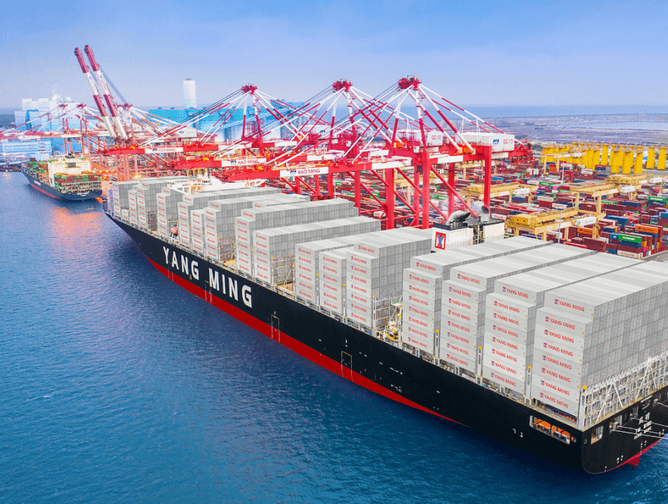
Choosing the best China freight forwarders can be the difference between smooth international trade and costly delays. With China as the world’s largest exporter, importers rely heavily on professional freight forwarding companies to manage shipping, customs clearance, and delivery schedules. However, the challenge lies in identifying forwarders that offer reliability, competitive pricing, and expertise in global logistics. This guide explores top considerations, comparisons of shipping methods, required documents, and how to evaluate the right partner for your supply chain.
1. What Do China Freight Forwarders Do?
Freight forwarders act as intermediaries between shippers and carriers. They negotiate freight rates, arrange transport, prepare documents, and manage customs clearance. The best China freight forwarders provide:
- Multimodal solutions: Air, sea, rail, and courier.
- Documentation support: Ensuring compliance with customs regulations.
- Cost efficiency: Negotiating lower freight rates with carriers.
- Supply chain visibility: Real-time tracking and reporting.
- Value-added services: Warehousing, packaging, labeling, and last-mile delivery.
Therefore, a freight forwarder is not just a middleman but a strategic logistics partner.
2. Why Should You Use a China Freight Forwarder?
Importing directly without professional support often leads to errors in documentation, missed deadlines, or hidden costs. The best China freight forwarders simplify complex logistics by:
- Managing customs clearance efficiently.
- Offering door-to-door delivery across continents.
- Handling Incoterms (FOB, CIF, DDP, EXW) correctly.
- Providing insurance options against cargo loss or damage.
- Ensuring compliance with international trade laws and tariffs.
Moreover, forwarders help you save time and reduce risk by handling multiple carriers and shipment schedules.
3. How to Choose the Best China Freight Forwarders?
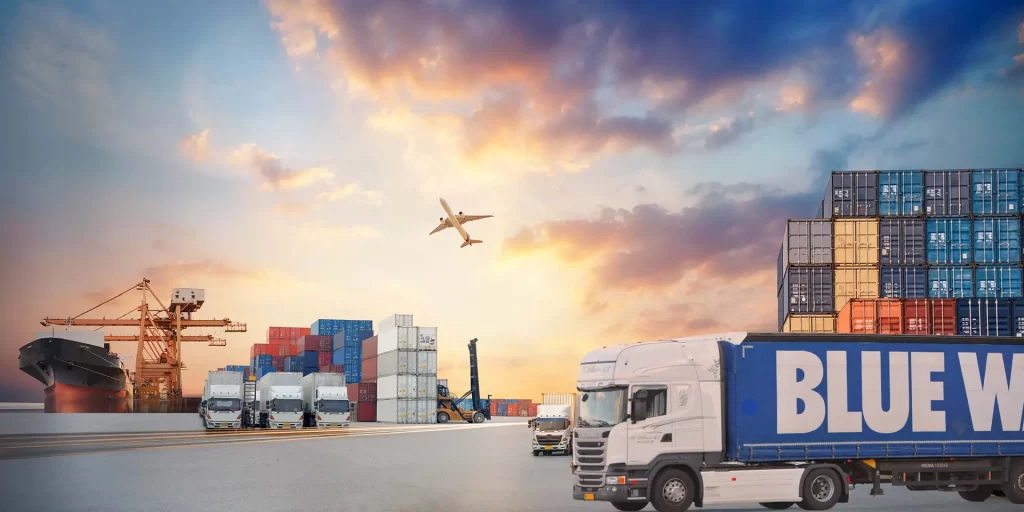
When selecting a partner, importers should evaluate:
- Experience: Years in handling international logistics.
- Carrier Network: Access to major airlines and shipping lines (COSCO, OOCL, Maersk, HMM).
- Licenses & Certifications: FIATA membership, IATA certification, NVOCC license.
- Industry Specialization: Expertise in electronics, furniture, textiles, cosmetics, or automotive.
- Technology: Digital tracking systems, AI-driven rate comparison, online documentation.
- Customer Reviews: Testimonials from other importers.
Therefore, a trusted freight forwarder combines experience, compliance, and technology for maximum efficiency.
4. What Shipping Methods Do Freight Forwarders Offer?
| Shipping Method | Average Cost (per CBM/Kg) | Transit Time | Pros | Cons |
|---|---|---|---|---|
| Air Freight | $4–9/kg | 3–7 days | Fast, secure, reliable | Expensive, weight limits |
| Sea Freight (FCL) | $1,000–$2,000 per 20ft | 30–40 days | Cost-effective for bulk cargo | Slow, port congestion |
| Sea Freight (LCL) | $50–80/CBM | 35–45 days | Flexible for small loads | Delays in consolidation |
| Rail Freight | $2,000–$3,000 per 40ft | 14–18 days | Balance of cost and time | Limited to Eurasia routes |
| Courier (DHL/UPS/FedEx) | $7–12/kg | 2–5 days | Door-to-door, fast | Expensive for heavy loads |
Additionally, hybrid solutions (e.g., sea-air, rail-air) are offered to balance cost and speed.
5. What Are the Transit Times from China to Major Destinations?
| Destination | Air Freight | Sea Freight | Rail Freight | Courier |
|---|---|---|---|---|
| USA (West Coast) | 4–7 days | 30–35 days | – | 2–5 days |
| UK/Europe | 3–6 days | 30–40 days | 14–18 days | 2–4 days |
| Australia | 5–8 days | 25–35 days | – | 3–6 days |
| Middle East (Dubai) | 3–5 days | 20–25 days | 12–16 days | 2–4 days |
| Africa (Nigeria, South Africa) | 5–9 days | 35–45 days | – | 3–6 days |
Therefore, the shipping route and urgency determine which freight forwarder services are most suitable.
6. What Documents Are Needed for Freight Forwarding?
| Document | Importance |
|---|---|
| Bill of Lading / Air Waybill | Proof of carriage contract |
| Commercial Invoice | Customs valuation |
| Packing List | Describes cargo details |
| Certificate of Origin | Determines tariffs |
| Import/Export License | Required for restricted goods |
| Insurance Certificate | Protects cargo against loss |
Forwarders assist in preparing and verifying these documents, reducing risks of customs delays.
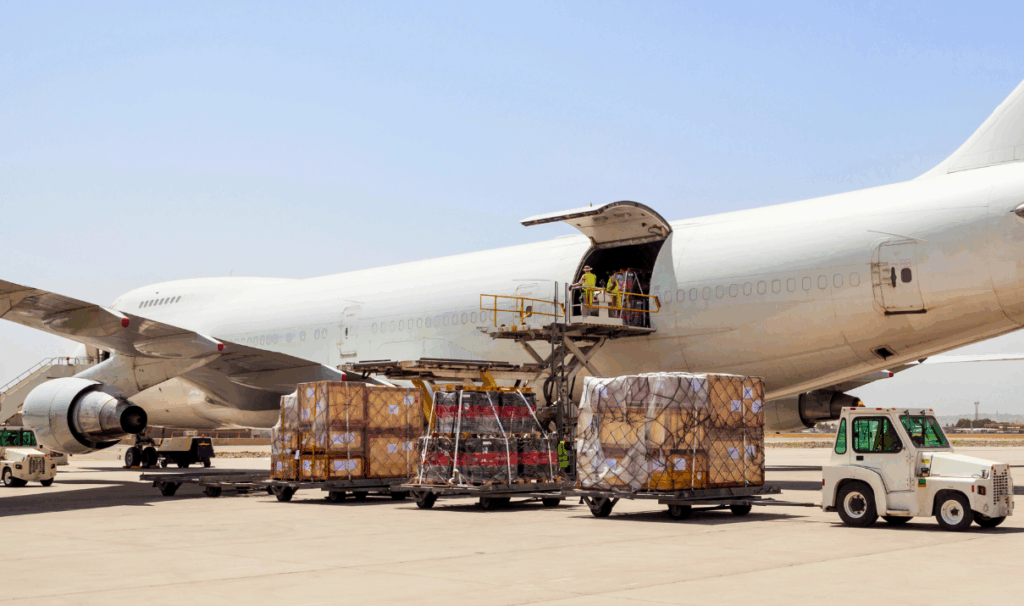
7. How Do Freight Forwarders Help with Customs Clearance?
Customs is often the most complex part of global trade. The best China freight forwarders:
- File electronic declarations in advance.
- Ensure HS codes and valuation accuracy.
- Manage duties, VAT, and tariffs efficiently.
- Handle bonded warehousing for in-transit cargo.
- Provide compliance advice for restricted goods.
Additionally, proactive customs management reduces clearance delays by 1–3 days.
8. What Are the Pros and Cons of Different Freight Options?
| Mode | Pros | Cons |
|---|---|---|
| Air | Fast, reliable, secure | Expensive, limited by weight |
| Sea (FCL) | Cheapest for large cargo, global reach | Slow, port delays |
| Sea (LCL) | Flexible for small loads | Longer consolidation times |
| Rail | Balanced cost/time, eco-friendly | Limited routes |
| Courier | Door-to-door speed | High cost per kg |
Therefore, forwarders guide importers in choosing the most suitable method based on budget and timelines.
9. Should You Use a Local or Global Freight Forwarder?
- Local China-based forwarders often provide lower rates and strong relationships with carriers.
- Global forwarders like DHL Global Forwarding or DB Schenker provide integrated worldwide networks.
However, many importers prefer forwarders that combine local expertise in China with global presence for end-to-end solutions.
10. What Industries Benefit Most from the Best China Freight Forwarders?
- E-commerce and Retail (fast restocking, FBA shipping).
- Electronics (secure transport of high-value goods).
- Furniture and Textiles (bulk sea freight optimization).
- Pharmaceuticals (temperature-controlled logistics).
- Automotive (spare parts requiring timely delivery).
Therefore, forwarders customize services according to industry-specific requirements.
11. What Are the Future Trends in China Freight Forwarding?
- Digital Freight Platforms: Online booking, instant rates, real-time tracking.
- Sustainable Logistics: Eco-friendly packaging, greener transport.
- AI and Automation: Predictive delivery schedules and customs pre-clearance.
- E-commerce Growth: Rising demand for last-mile delivery and cross-border B2C shipping.
Moreover, trade agreements and geopolitical changes will continue shaping freight forwarding strategies.
📦Get a Free Quote
When navigating international trade, choosing the best China freight forwarders ensures timely delivery, cost savings, and compliance with customs laws. Our experienced team provides tailored solutions in air, sea, rail, and courier shipping, along with customs clearance expertise. Contact us today to get a free quote and explore how we can optimize your supply chain.
❓ Frequently Asked Questions
1. How do I find the best China freight forwarders for my business?
Look for forwarders with proven experience, global networks, competitive pricing, and strong customer support. Verify certifications like IATA or NVOCC.
2. Are local China forwarders cheaper than global companies?
Yes, local forwarders usually offer lower prices due to strong regional carrier partnerships. However, global firms may provide more coverage.
3. What’s the fastest shipping method from China?
Air freight and courier services are fastest, delivering in 2–7 days. They are ideal for urgent, high-value, or perishable cargo.
4. Do freight forwarders handle customs clearance?
Yes, most forwarders provide customs brokerage services, preparing documents and managing duties, VAT, and compliance with import regulations.
5. How much does sea freight cost compared to air?
Sea freight is 60–80% cheaper than air freight. However, it takes 30–40 days, while air freight takes less than a week.
Conclusion
The best China freight forwarders provide much more than transportation—they ensure seamless coordination across shipping methods, customs clearance, and global supply chains. By comparing costs, transit times, and documentation needs, importers can select the right logistics partner for their business.
Ultimately, the key to success is partnering with a forwarder who combines local expertise in China with international reach. With professional guidance, businesses can reduce costs, avoid customs delays, and keep supply chains running efficiently.