

China–Netherlands trade has surged, and therefore many importers rely heavily on a reliable customs broker China to Netherlands to handle documentation, duties, and complex clearance procedures. However, incorrect paperwork, missing HS codes, and unplanned inspections often cause costly delays. Working with the right broker ensures smooth supply chain operations, accurate import declarations, and faster delivery schedules.

1. What Does a Customs Broker China to Netherlands Actually Do?
A professional customs broker China to Netherlands manages clearance paperwork, submits declarations, calculates duties, and coordinates inspections. Moreover, they help you follow EU and Dutch import regulations, reducing compliance risks significantly. Additionally, they ensure all supply chain documents are aligned with your shipping method—sea, air, rail, or multimodal.
2. Why Do Importers Need a Customs Broker for China-to-Netherlands Shipments?
Import rules under Dutch Customs and EU regulations can be strict, especially for electronics, chemicals, machinery, and commercial goods. Therefore, brokers act as compliance partners, ensuring Harmonized System codes, valuation rules, and import restrictions are handled correctly. Additionally, they minimize transit time disruptions, which keeps your logistics planning stable and predictable.
3. What Shipping Methods Require Customs Broker Assistance?
Although customs clearance is necessary for every international shipment, different freight modes involve different levels of documentation and risk. Below is a detailed comparison to help importers choose the right route.
| Shipping Mode | Average Cost | Transit Time | Broker Involvement Needed? | Pros | Cons |
|---|---|---|---|---|---|
| Sea Freight FCL | Low | 28–40 days | Yes | Cheapest, ideal for bulk | Longest transit time |
| Sea Freight LCL | Medium | 32–45 days | Yes | Good for smaller loads | Extra handling |
| Air Freight | Higher | 6–10 days | Yes | Fast, reliable | Higher cost |
| Express Courier | Highest | 4–7 days | Moderate | Convenience | Very expensive |
| Rail Freight | Medium | 15–22 days | Yes | Balanced time & cost | Limited lanes |
Because the EU uses systematic screenings, brokers must ensure proper EORI numbers, import VAT registration, and compliant documentation for every mode.
What are you waiting for?
Contact chinatopfreight for a fast, free quote.
Are you ready to book?
Access live instant freight quotes
4. How Much Does Customs Clearance Cost for China-to-Netherlands Shipments?
Costs change depending on shipment value, HS code, shipping mode, and whether inspections occur. However, the following estimated pricing ranges provide a useful baseline.
| Item | Estimated Cost (EUR) |
|---|---|
| Basic Customs Declaration | €50–€120 |
| Inspection Coordination | €45–€90 |
| Duty (Varies by HS Code) | 0–12% of value |
| Import VAT (Netherlands) | 21% standard rate |
| Document Handling Fee | €25–€50 |
| Air Handling Surcharge | €10–€40 |
Moreover, certain product categories—batteries, chemicals, food, cosmetics—require additional certificates, which may increase clearance costs.
5. What Documents Are Needed for Customs Broker Clearance Between China and the Netherlands?
Because Dutch Customs and EU rules demand precise documentation, importers must ensure that every file is accurate and complete. Below is a detailed checklist.
| Document | Required For | Notes |
|---|---|---|
| Commercial Invoice | All shipments | Must list HS code & value |
| Packing List | All cargo | Include weight & volume |
| Bill of Lading / AWB | Sea/Air | Must match goods exactly |
| Certificate of Origin | Some goods | Helps verify duties |
| CE Certificates | Electronics | Required for compliance |
| MSDS | DG cargo | Mandatory for chemicals |
| Importer EORI Number | Entry into EU | Must be valid |
6. How Long Does China-to-Netherlands Customs Clearance Take?
Although clearance time varies depending on inspection risk and document accuracy, the table below provides a typical timing reference.
| Route | Transit Time | Clearance Time |
|---|---|---|
| Shanghai → Rotterdam (FCL) | 30–40 days | 1–3 days |
| Ningbo → Rotterdam (LCL) | 32–45 days | 2–4 days |
| Shenzhen → Amsterdam (Air) | 6–10 days | 1–2 days |
| Guangzhou → Amsterdam (Express) | 4–7 days | Same-day clearance |
| Xi’an → Rotterdam (Rail) | 15–22 days | 1–3 days |
However, misclassification, incomplete paperwork, or customs scans can extend clearance time by several days. Therefore, proactive document preparation is crucial.
7. How Does a Customs Broker Minimize Delays in the Netherlands?
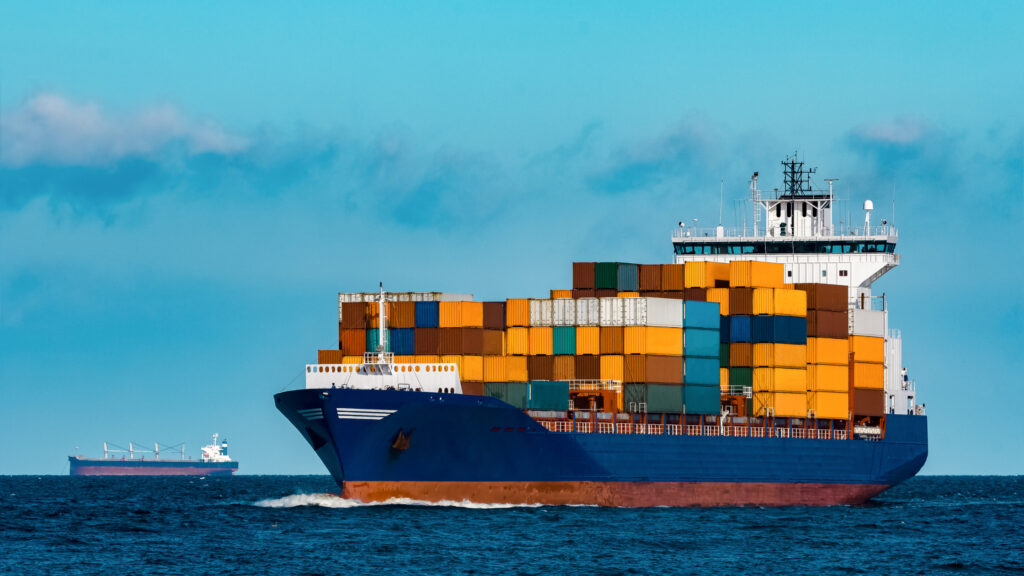
A qualified broker prevents delays by checking HS codes, verifying product standards, pre-submitting documents, and coordinating with Dutch Customs in advance. Additionally, they handle inspections, avoid valuation disputes, and ensure VAT declarations are filed correctly. Moreover, brokers guide you through tariff changes, import regulations, and logistics trends that may affect supply chain efficiency.
8. How to Choose the Right Customs Broker China to Netherlands?
Importers should evaluate the broker’s experience, service scope, digital capabilities, and knowledge of EU regulations. Furthermore, choosing a broker familiar with DDP, DAP, FOB, and EXW terms helps ensure smooth communication with Chinese suppliers. Additionally, it’s vital to select a partner that supports dangerous goods, commercial invoices, bonded warehouse entries, and post-clearance audits.
9. Can a Customs Broker Reduce Overall Shipping Costs?
Yes. A skilled broker helps optimize your import VAT strategy, select the right HS codes, minimize storage fees, and avoid penalties. Consequently, they directly reduce your operational expenses. Moreover, by advising on cargo consolidation, they help you avoid unnecessary LCL surcharges and hidden handling fees.
10. What Are the Advantages of Using a Professional Customs Broker for Dutch Imports?
Importers save time, avoid fines, accelerate supply chain movement, and ensure compliance with the Netherlands’ strict import standards. Additionally, a broker provides consistency across all shipments, which stabilizes procurement cycles, especially during peak demand seasons.
Conclusion
Working with a professional customs broker China to Netherlands ensures your shipments stay compliant, cost-efficient, and uninterrupted throughout the clearance process. Because EU import rules evolve frequently, choosing an experienced partner helps you navigate documentation requirements, tariff changes, and inspection risks with confidence. Ultimately, a skilled broker strengthens your entire supply chain and supports smoother long-term import operations for your business.
FAQ
1. Do customs brokers in the Netherlands help with post-clearance audits?
Yes. Many brokers assist with VAT reviews, tariff disputes, and documentation corrections to ensure your business remains compliant even after goods are released.
2. Can a broker support shipments entering bonded warehouses in the Netherlands?
Absolutely. Brokers can arrange bonded entry, handle transit documents, and support temporary storage for goods awaiting re-export or local distribution.
3. What experience should I look for when selecting a customs broker?
Choose brokers with proven EU regulatory knowledge, strong digital filing capabilities, and experience clearing your specific product category to avoid unnecessary compliance issues.
4. Do customs brokers handle restricted or sensitive products?
Some brokers specialize in sensitive items such as chemicals, lithium batteries, and medical equipment. They verify certificates and coordinate necessary approvals in advance.
5. Can a broker help validate HS codes before shipping from China?
Yes. Brokers frequently review HS codes and valuation rules before cargo departs, ensuring declarations match regulations and reducing the likelihood of inspections.