

- By kelly
- October 30, 2025
- Logistics, Tips or Guide
Best Customs Clearance from Shenzhen to Canada

Global trade between China and Canada continues to expand, and Shenzhen has become one of the most important gateways for exporters. However, for businesses to successfully move goods, the best customs clearance from Shenzhen to Canada is critical. Customs procedures can be complex, delays are costly, and compliance errors can affect supply chains. Fortunately, with the right partner and knowledge, your shipments can move quickly and cost-effectively.
1. What Is Customs Clearance and Why Does It Matter?
Customs clearance is the process of preparing and submitting documentation to allow goods to enter or exit a country. For Canada-bound shipments from Shenzhen, it ensures duties are paid, import regulations are met, and cargo is released on time. Without proper clearance, businesses may face penalties, storage charges, or delivery delays.
2. How Long Does Customs Clearance from Shenzhen to Canada Take?
Transit times depend on shipping mode and customs processing speed. While sea freight may take weeks, air freight typically clears faster. The table below outlines average transit and clearance times.
| Shipping Mode | Transit Time (Shenzhen → Canada) | Average Customs Clearance Time | Notes |
|---|---|---|---|
| Air Freight | 3–7 days | 1–2 days | Fastest, ideal for urgent goods |
| Sea Freight (FCL) | 25–35 days | 2–5 days | Suitable for bulk, containerized cargo |
| Sea Freight (LCL) | 28–38 days | 3–6 days | Longer due to consolidation |
| Express Courier | 2–5 days | Same day–1 day | Easiest, higher cost |
| Rail Freight* | 18–25 days | 2–4 days | Via Eurasian routes (limited) |
*Rail freight is available for some cargo routed via northern China.
3. What Documents Are Required for Canada Customs?
Proper documentation is the backbone of customs clearance. Missing or incorrect paperwork is one of the top causes of shipment delays.
| Document Required | Description |
|---|---|
| Commercial Invoice | Lists product details, HS codes, and values. |
| Packing List | Provides cargo weight, dimensions, and packaging breakdown. |
| Bill of Lading / Air Waybill | Confirms shipment details and ownership. |
| Certificate of Origin | Sometimes required to confirm product’s country of manufacture. |
| Import Permits (if applicable) | Needed for restricted goods such as food, chemicals, or medical equipment. |
| Canada Customs Invoice (CCI) | Mandatory for goods valued over CAD 2,500. |
4. What Are the Main Customs Duties and Taxes in Canada?
Canada applies tariffs and GST/HST on imported goods. Duties vary depending on HS codes, and taxes depend on the province of entry.
| Type of Charge | Typical Rate | Notes |
|---|---|---|
| Import Duties | 0–18% depending on product type | Determined by HS classification |
| GST | 5% (federal) | Applied nationwide |
| HST | 13–15% (in certain provinces) | Combines GST + provincial sales tax |
| Brokerage Fees | CAD 50–200+ | Charged by customs brokers |
| Other Fees | Storage, demurrage, or inspection if delayed | Avoidable with good clearance |
5. Why Choose Shenzhen as Your Export Hub?
Shenzhen offers advantages such as:
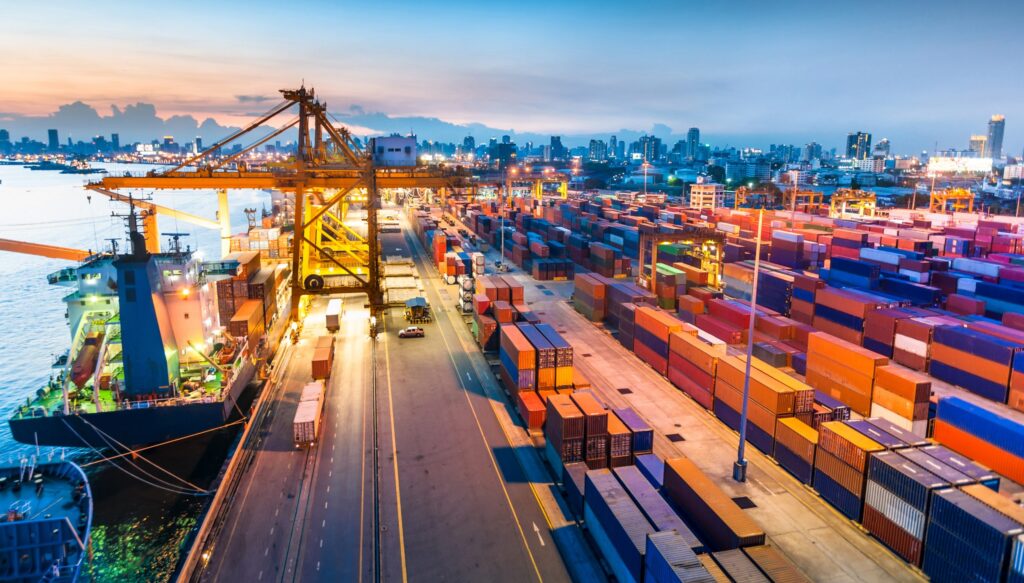
- World-class ports: Yantian, Shekou, and Chiwan handle millions of TEUs annually.
- Major airport hub: Shenzhen Bao’an International Airport offers daily cargo flights to North America.
- Manufacturing powerhouse: Electronics, machinery, textiles, and auto parts are exported in large volumes.
- Competitive freight rates: Due to high volumes and established logistics infrastructure.
6. How Do You Select the Best Customs Broker for Canada?
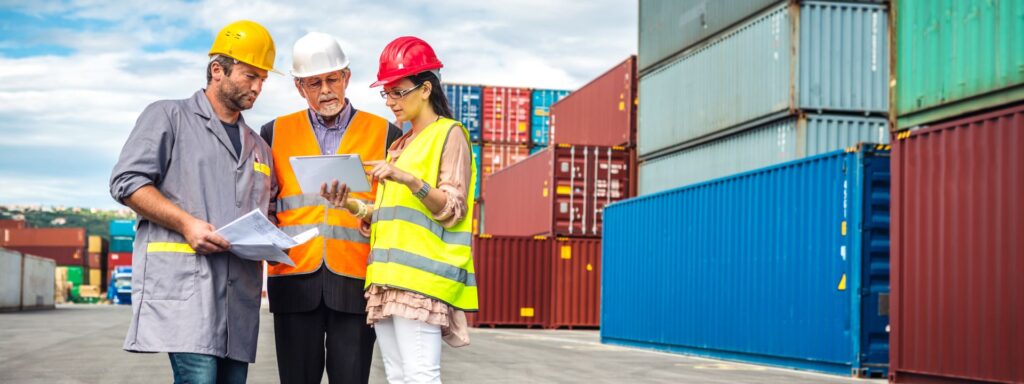
A customs broker simplifies clearance by managing paperwork, liaising with authorities, and ensuring compliance. When choosing a broker, consider:
- Licensed with Canada Border Services Agency (CBSA).
- Experience with your product category (electronics, food, chemicals, etc.).
- Transparent pricing for brokerage and duties.
- Digital tracking and updates for shipment status.
- Proven record of fast clearance with minimal inspections.
7. Shipping Methods from Shenzhen to Canada Compared
Choosing between sea, air, courier, or rail freight depends on cost, time, and cargo type.
| Method | Cost Estimate (per kg or container) | Transit Time | Pros | Cons |
|---|---|---|---|---|
| Air Freight | USD 5–9/kg | 3–7 days | Fast, secure, ideal for high-value goods | Expensive for bulk cargo |
| Sea Freight | USD 2,000–3,500 per 40’ container | 25–35 days | Low cost per unit, bulk capacity | Longer transit, port congestion possible |
| LCL Shipping | USD 40–70/cbm | 28–38 days | Cost-sharing for small shipments | Slower due to consolidation |
| Express Courier | USD 8–15/kg | 2–5 days | Easiest, door-to-door, reliable | High cost, weight limits |
| Rail Freight | USD 4–7/kg | 18–25 days | Balance of speed and cost, eco-friendly | Limited availability for some routes |
8. What Are Common Challenges in Customs Clearance?
Even with preparation, issues may arise:
- Incorrect HS code classification leading to overpaid duties.
- Missing Canada Customs Invoice for shipments above CAD 2,500.
- Restricted items requiring additional permits.
- Random inspections by CBSA adding time and costs.
- Inconsistent labeling or undervaluation triggering red flags.
9. How Can Businesses Avoid Delays?
To minimize risks:
- Work with an experienced customs broker.
- Double-check all shipping documents before departure.
- Use trusted freight forwarders with Canadian trade experience.
- Prepare for duties and taxes in advance.
- Ensure packaging and labeling comply with Canadian standards.
10. Should You Choose Air, Sea, or Courier for Customs Clearance?
The best method depends on priorities. For urgent goods, air or courier is best. For bulk cargo, sea freight with efficient customs clearance is most cost-effective. Many businesses use a mix of methods to balance speed and savings.
📦Get a Free Quote
Whether you are shipping electronics, auto parts, furniture, or consumer goods, professional customs support is key. Partner with a trusted forwarder who specializes in the best customs clearance from Shenzhen to Canada to ensure smooth logistics. Contact us today for tailored solutions and competitive rates.
❓ Frequently Asked Questions
1. Do I need a Canada Customs Invoice for all shipments?
Required for goods over CAD 2,500. Missing this document often causes clearance delays or inspections.
2. Can I ship food products from Shenzhen to Canada?
Possible with CFIA compliance, import licenses, and sanitary certificates. A broker helps avoid penalties and delays.
3. How much do customs brokers charge in Canada?
Usually CAD 50–200 per shipment, depending on complexity and product type. Extra fees may apply for restricted goods.
4. What happens if my shipment is inspected by CBSA?
Inspections may delay cargo 1–3 days. Accurate documents and proper HS codes reduce inspection risks and extra costs.
5. Is express courier better than air freight for customs?
Courier services clear faster with electronic pre-submission but cost more per kilogram. Air freight offers flexibility for larger shipments.
Conclusion
Efficient logistics depends on reliable customs procedures. The best customs clearance from Shenzhen to Canada requires accurate documentation, experienced brokers, and choosing the right shipping method. While sea freight saves costs and air freight saves time, only careful planning ensures smooth supply chain operations. By working with professional partners, businesses can minimize risks, reduce expenses, and keep deliveries on schedule.