

- By kelly
- October 29, 2025
- Logistics, Tips or Guide
Best FCL Shipping from Shenzhen to Italy: Complete Guide
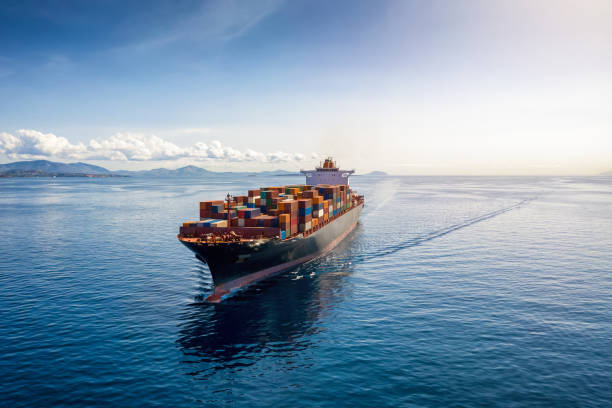
For companies managing large cargo volumes, best FCL shipping from Shenzhen to Italy is one of the most efficient and cost-effective transport methods. Many importers struggle with choosing the right shipping option, managing customs requirements, and optimizing delivery schedules. However, with professional freight forwarding, FCL (Full Container Load) shipping ensures secure, reliable, and predictable delivery across key Italian ports.
1. What is FCL Shipping from Shenzhen to Italy?
FCL (Full Container Load) shipping means one shipper uses an entire container, without sharing space with other cargo. This provides greater security, faster handling, and lower costs per unit when shipping large volumes.
Benefits include:
- Exclusivity: Entire container space is yours.
- Cost savings: Lower per CBM cost for cargo over 15–20 CBM.
- Speed: Faster than LCL since no consolidation is needed.
2. Why is Shenzhen the Best Origin Point for Italy-Bound Cargo?
Shenzhen is China’s leading export hub due to:
- Access to major ports such as Yantian and Shekou.
- Proximity to Pearl River Delta factories, reducing inland transport time.
- Frequent sailings to Italian ports including Genoa, Venice, and Naples.
Therefore, Shenzhen is ideal for ensuring consistent container space and competitive freight rates.
3. How Much Does FCL Shipping from Shenzhen to Italy Cost?
Costs depend on container type, cargo weight, and season.
| Container Type | Average Cost | Transit Time | Pros | Cons |
|---|---|---|---|---|
| 20ft FCL | $1,500 – $2,000 | 28–33 days | Affordable for SMEs | Limited space |
| 40ft FCL | $2,600 – $3,200 | 28–33 days | Lower unit cost | Higher upfront |
| 40ft HC (High Cube) | $2,800 – $3,500 | 28–33 days | Extra capacity | Slightly higher fee |
Note: Costs fluctuate during peak seasons such as Christmas and Chinese New Year.
4. How Long Does FCL Shipping from Shenzhen to Italy Take?
| Italian Port | Average FCL Transit |
|---|---|
| Genoa | 28–32 days |
| Venice | 29–34 days |
| Naples | 30–35 days |
| Livorno | 28–33 days |
Moreover, customs clearance and inland trucking may add 3–6 days to final delivery schedules.
5. What Documents Are Required for Customs Clearance in Italy?
| Document | Purpose |
|---|---|
| Bill of Lading (B/L) | Proof of cargo ownership |
| Commercial Invoice | Declares goods’ value |
| Packing List | Detailed cargo breakdown |
| Import Declaration | Required by Italian Customs (Agenzia delle Dogane) |
| Certificates (CE, Origin) | For regulated products like electronics or machinery |
Incorrect documentation often results in penalties or clearance delays.
6. How Does FCL Compare with LCL Shipping?
| Mode | Pros | Cons | Best For |
|---|---|---|---|
| FCL | Secure, faster, cheaper per CBM | Requires larger volume | Cargo >15 CBM |
| LCL | Flexible, cheaper for small loads | Longer transit, more handling | Cargo <15 CBM |
Therefore, the best FCL shipping from Shenzhen to Italy is suitable for businesses with steady, high-volume shipments.
7. FCL vs Air vs Rail Freight: Which Should You Choose?
| Mode | Transit Time | Cost | Pros | Cons |
|---|---|---|---|---|
| FCL Sea Freight | 28–35 days | $1,500–$3,500/container | Economical for large cargo | Longer transit |
| Air Freight | 5–8 days | $5–$8/kg | Fastest | Expensive |
| Rail Freight (China–Europe) | 18–22 days | $150–$200/CBM | Mid-speed, eco-friendly | Limited direct routes |
Thus, FCL is the most practical for bulk, non-urgent cargo.
8. Do Peak Seasons Affect FCL Shipping to Italy?
Yes. During September–November (pre-Christmas) and January–February (pre-Chinese New Year):
- Rates increase by 15–25%.
- Container shortages become common.
- Port congestion can delay arrivals.
Booking early ensures stable rates and space availability.
9. What Types of Goods Are Best Shipped via FCL?
- Furniture and home décor
- Industrial machinery
- Clothing and textiles in bulk
- Automotive parts
- Electronics and appliances
Additionally, oversized or hazardous cargo benefits from exclusive container use.
10. How to Reduce Costs for FCL Shipping to Italy?
- Book early during high-demand seasons.
- Choose the nearest Italian port for inland efficiency.
- Consolidate suppliers’ goods into one container.
- Work with reliable freight forwarders for discounted carrier rates.
11. How Does Professional FCL Shipping Improve Supply Chains?
- Predictable transit schedules for better planning.
- Lower per-unit costs compared to LCL or air freight.
- Reduced handling risk as containers are sealed at origin.
- Sustainable option with lower emissions per unit.
📦Get a Free Quote
Choosing the best FCL shipping from Shenzhen to Italy guarantees reliable schedules, lower costs, and smoother customs clearance. Our freight experts provide end-to-end solutions, from booking containers to final delivery, ensuring your shipments reach Italy safely and on time. Contact us today for a tailored FCL shipping quote.
❓ Frequently Asked Questions
1. How much does the best FCL shipping from Shenzhen to Italy cost?
On average, a 20ft container costs $1,500–$2,000, while a 40ft container ranges between $2,600 and $3,500.
2. How long does it take to ship FCL containers to Genoa?
FCL transit to Genoa usually takes 28–32 days, plus customs clearance and inland delivery which may add 3–5 days.
3. What documents are required for customs clearance in Italy?
Essential documents include Bill of Lading, Commercial Invoice, Packing List, Import Declaration, and CE/Origin certificates for regulated goods.
4. Is FCL cheaper than LCL for Italy-bound cargo?
Yes. FCL is cheaper per cubic meter for shipments over 15 CBM, while LCL is better for smaller volumes.
5. Which Italian ports receive FCL shipments from Shenzhen?
The main entry points are Genoa, Venice, Naples, and Livorno, offering broad inland distribution across Italy.
Conclusion
In international trade, the best FCL shipping from Shenzhen to Italy provides security, cost efficiency, and predictability for businesses. With exclusive container use, steady schedules, and reduced risks, FCL shipping is the best option for large-volume importers. By booking early, consolidating shipments, and partnering with experienced freight forwarders, companies can optimize their supply chains and stay competitive in the Italian market.