

Choosing the best freight for engine is crucial for safe, cost-effective, and timely delivery. Proper planning ensures engines arrive without damage and meet all shipping requirements.

1. Shipping Times, Conditions & Terms

Sort No.Transport ModeEstimated Shipping TimeConditions & Terms
1LTL Freight5–7 daysCost-effective for engines under 150 lbs; shared truck space; suitable for domestic shipments.
2FTL Freight3–5 daysDedicated truck; ideal for heavy or oversized engines; higher cost but faster delivery.
3Air Freight1–3 daysFastest option; premium cost; best for urgent or international shipments.
4Ocean Freight10–30 daysEconomical for large engines; longer transit time; requires port-to-port service.
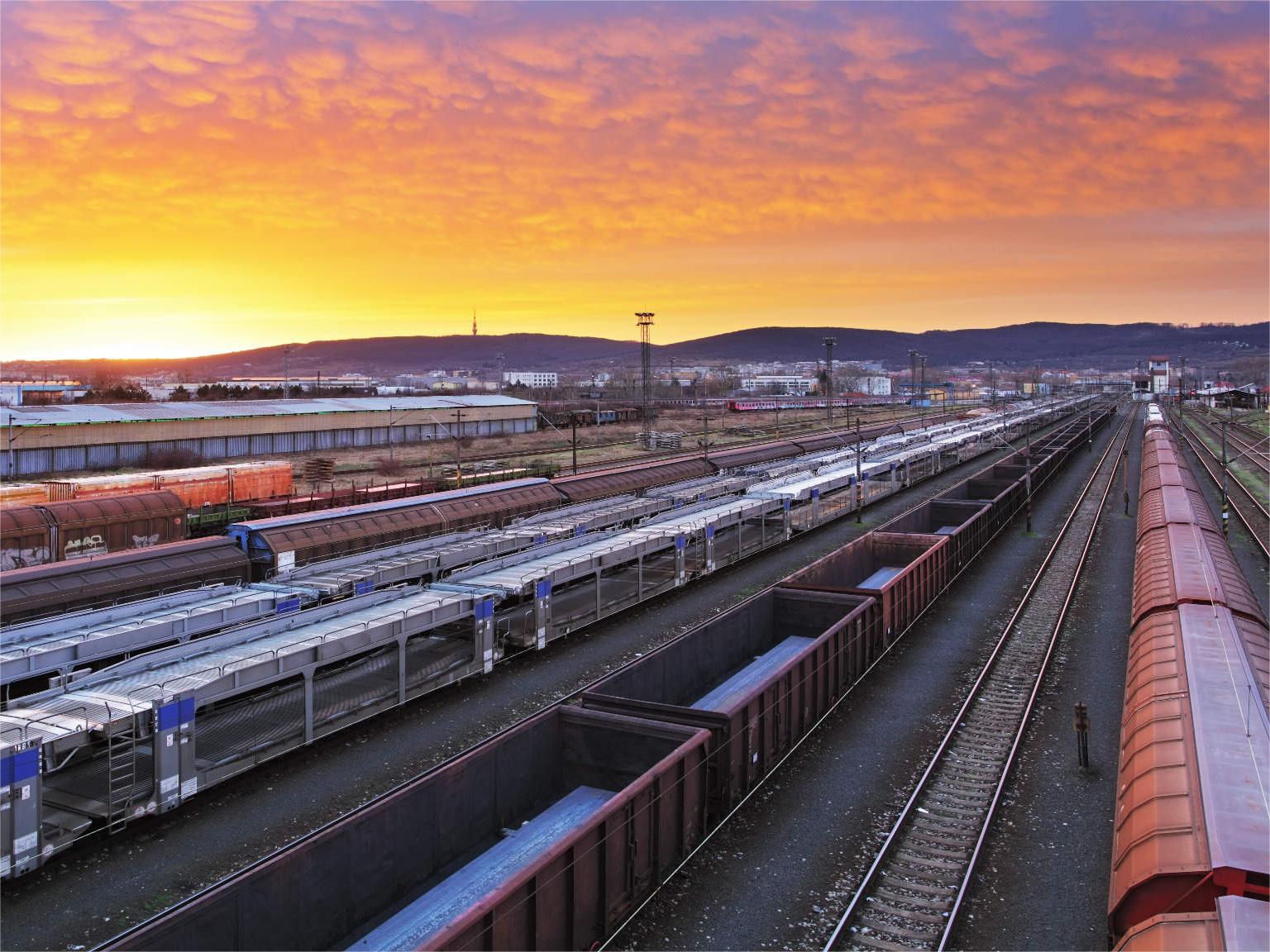
5Rail Freight7–14 daysSuitable for inland shipments; cost-effective for bulk engines; subject to rail schedules.

📌 2.Best Practices for Engine Shipping

  • Crating & Palletizing: Engines should be securely crated or palletized to prevent movement and damage during transit.
  • Drain Fluids: Ensure all fluids (oil, coolant, etc.) are drained to comply with shipping regulations and prevent leaks.
  • Weight & Dimensions: Accurately measure and weigh the engine to determine the appropriate freight class and avoid additional charges.
  • Labeling: Clearly label the shipment with handling instructions and destination details.
  • Insurance: Consider purchasing freight insurance to protect against potential damage or loss.
amazon fba freight forwarder

3. Common Freight Terms

  • LTL (Less Than Truckload): Shipping method where multiple shippers share space in a single truck.
  • FTL (Full Truckload): Shipping method where one shipper occupies the entire truck space.
  • Bill of Lading (BOL): A document that serves as a receipt for cargo and a contract for transportation.
  • FOB (Free On Board): Indicates the point at which ownership and responsibility for goods transfer from seller to buyer.
  • Demurrage: Charges incurred when cargo is not loaded or unloaded within the allotted time.

📌4.How to Get Started

  • Select a Freight Provider: Choose a reputable carrier experienced in handling engine shipments.
  • Prepare the Engine: Follow best practices for crating, draining fluids, and measuring the engine.
  • Obtain Quotes: Request quotes from multiple carriers to compare rates and services.
  • Book the Shipment: Finalize the booking with the chosen carrier and prepare necessary documentation.
  • Track the Shipment: Use tracking tools provided by the carrier to monitor the shipment’s progress.
✔️5.Cost Considerations

Engine shipping costs depend on weight, size, and shipping method. Air freight is fastest but costly, while truck or ocean freight is more economical. Special handling, insurance, and urgent delivery will increase the price. Planning ahead and choosing the right freight type can save time and money.

best freight for engine

6. Documentation Tips

Proper documentation ensures smooth shipping. Key papers include the Bill of Lading, commercial invoice, and packing list. Export/import permits or hazardous goods declarations may be required for certain engines. Always check regulations for both origin and destination to avoid delays.


7. Request a Quote

 China Top Freight offers:

  • ✅ Origin and Destination Countries
  • ✅ Cargo Type and Volume
  • ✅ Preferred Transport Method (Air, Sea, Rail, Road)
  • ✅ Delivery Timeline
  • ✅ Special Handling Requirements (if any)

💬8. FAQ

Q1: What is the most cost-effective way to ship an engine?

A1: LTL freight is typically the most economical option for shipping engines under 150 lbs.

A2: Yes, air or ocean freight are suitable for international engine shipments.

A3: Yes, draining all fluids is required to comply with shipping regulations.

A4: While not mandatory, insurance is recommended to protect against potential damage or loss.

A5: Freight class is based on the engine’s weight, dimensions, and density.

Post a Comment