

Best Freight Forwarder from China to Philippines: Your Complete Guide
Navigating international shipping can be a complex endeavor, especially when importing goods from China to the Philippines. Consequently, finding a reliable partner is paramount for seamless logistics and timely delivery. This comprehensive guide will help you identify the best freight forwarder from China to Philippines, ensuring your cargo arrives safely and efficiently. We will explore various shipping methods, crucial considerations, and expert tips to optimize your supply chain.

Why is Choosing the Best Freight Forwarder from China to Philippines Crucial?
Selecting the right freight forwarder is more than just booking transportation; it is about securing your entire supply chain. Indeed, an experienced forwarder understands the intricacies of international trade, including specific regulations and customs procedures for the Philippines. They streamline operations, minimize risks, and ultimately save you time and money.
Moreover, a professional partner provides invaluable expertise in handling diverse cargo types and navigating potential challenges. They offer solutions for everything from small parcels to large industrial shipments, ensuring your goods are managed appropriately. This expertise is vital for businesses aiming for consistent import/export success.
What are the Primary Shipping Methods from China to the Philippines?
For shipments between China and the Philippines, two main transportation methods dominate: sea freight and air freight. Each option presents distinct advantages and disadvantages regarding cost, speed, and capacity. Therefore, understanding these differences is crucial for making an informed decision about your logistics strategy.
Sea Freight: The Economical Choice for Bulk Cargo
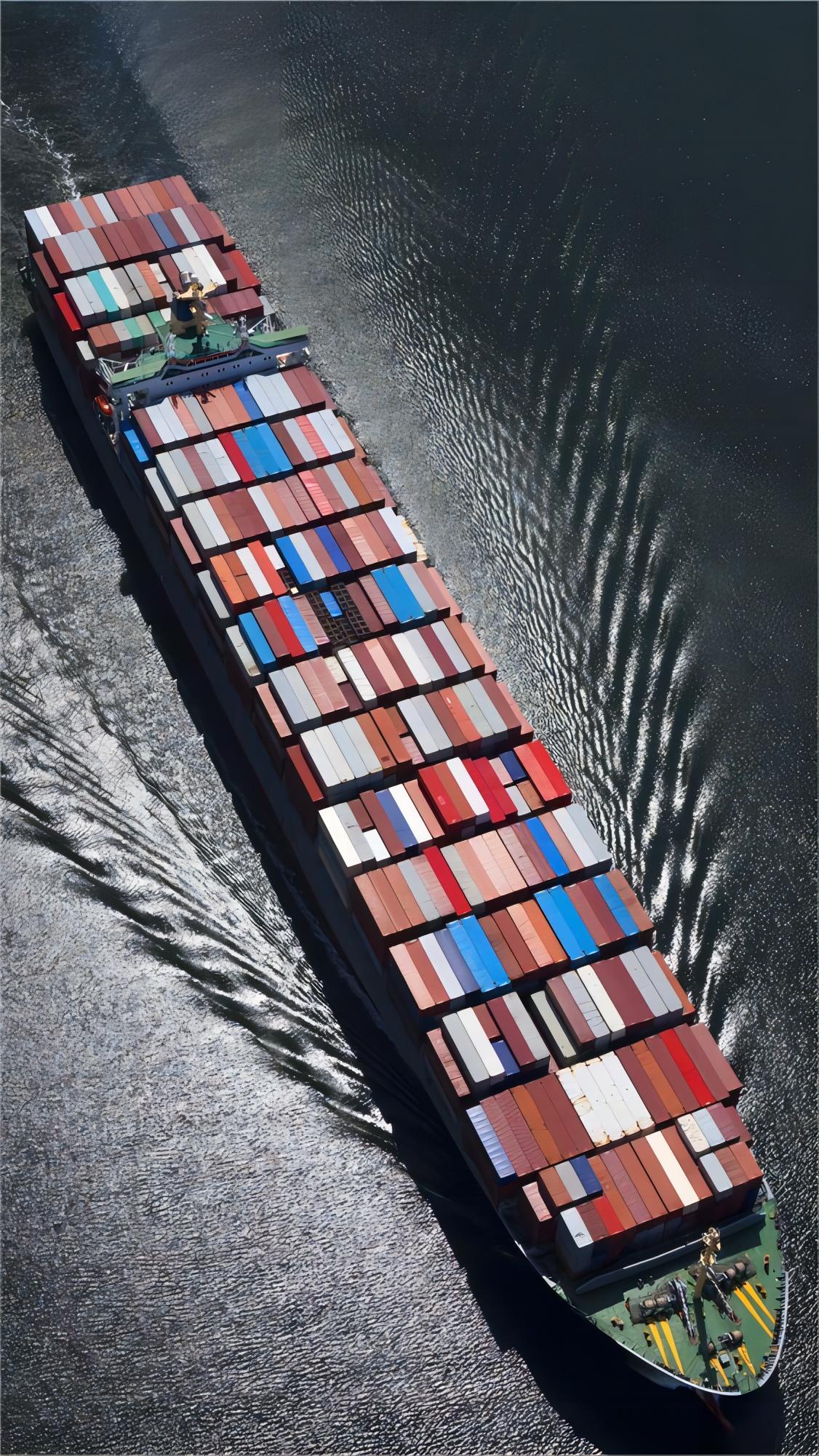
Sea freight remains the most cost-effective solution for large volume or heavy shipments from China to the Philippines. It is ideal for non-urgent goods, offering significant savings compared to air transport. You can choose between Full Container Load (FCL) or Less than Container Load (LCL) options depending on your cargo size. Consider sea freight for durable goods, machinery, or bulk commodities, despite longer transit times.
Transit times for sea freight typically range from 7 to 15 days for direct routes to major Philippine ports like Manila or Cebu. However, these times can vary based on the specific port of origin in China and any potential transshipment points. Planning ahead is essential to accommodate these longer delivery schedules.
Air Freight: For Speed and Urgency
Conversely, air freight is the fastest option for shipping goods from China to the Philippines, making it suitable for time-sensitive, high-value, or perishable items. While significantly more expensive than sea freight, it drastically reduces transit times. Businesses requiring quick inventory replenishment often opt for air cargo services.
Typically, air freight shipments arrive within 2 to 5 days, depending on the origin airport in China and the destination in the Philippines. This speed minimizes inventory holding costs and allows for quicker response to market demands. For urgent deliveries, air freight is undoubtedly the superior choice.
Express Service: Small Packages, Fast Delivery
For smaller, lighter packages, particularly for e-commerce or samples, an express service offers a convenient and rapid solution. Major couriers provide door-to-door delivery with detailed tracking, ensuring quick customs clearance and efficient handling. Although rates are higher per kilogram than standard air cargo, the all-inclusive service is beneficial for smaller shipments. This method is often preferred for its speed and simplicity, delivering within 1-3 days.
How Does Each Shipping Method Compare for China-Philippines Routes?
When deciding on the optimal shipping method, it is vital to compare the various options against key criteria like cost, speed, and suitability. Each method caters to different business needs and cargo characteristics. Therefore, understanding these distinctions helps in making an informed logistic decision.
The choice between sea, air, or express services heavily depends on your priorities. For instance, budget-conscious importers will likely favor sea freight, while those prioritizing speed will lean towards air or express options. Furthermore, the type and volume of your cargo play a significant role in this decision-making process.
| Shipping Method | Cost Range (per kg/CBM) | Transit Time (approx.) | Best For | Limitations |
|---|---|---|---|---|
| Sea Freight (LCL) | $50-100/CBM | 7-15 Days | Bulk, heavy, non-urgent goods | Longer transit, minimum volume |
| Sea Freight (FCL) | $1,000-2,500/container | 7-15 Days | Large volume, dedicated container | Requires full container load |
| Air Freight | $4-8/kg | 2-5 Days | Time-sensitive, high-value, perishable goods | Higher cost, weight/size limits |
| Express Service | $6-12/kg | 1-3 Days | Small packages, e-commerce, samples | Highest cost per kg, strict size limits |
Alternative Strategies and Hybrid Solutions
Beyond the primary methods, importers can explore alternative strategies to optimize their shipping. For example, for shipments under 15 CBM, LCL shipping China to Philippines is often more economical than a full container. However, for larger volumes, FCL becomes more cost-effective per unit.
Sometimes, combining methods can offer a balanced solution. While less common for the direct China-Philippines route, hybrid solutions like sea-air freight (shipping by sea to a hub, then by air) might be considered for specific time-sensitive goods if direct air freight is too costly. Always discuss these options with your chosen freight forwarder to tailor the best approach. Exploring these logistics solutions China Philippines can lead to significant efficiencies.
What Factors Influence Freight Costs and Transit Times?
Several critical factors contribute to the overall shipping costs China to Philippines and the transit time. Understanding these elements empowers businesses to better plan their budgets and delivery schedules. Furthermore, market dynamics and seasonal variations frequently impact freight rates and availability.
Firstly, the volume and weight of your cargo significantly determine the shipping method and associated costs. Larger, heavier shipments generally benefit from sea freight, while lighter, smaller parcels might be more economical via air or express services. Secondly, the specific origin and destination ports also play a role, influencing direct routes versus those with transshipment, which can affect both cost and speed.
| Factor | Impact on Cost | Impact on Transit Time | Notes |
|---|---|---|---|
| Cargo Volume/Weight | Higher for larger/heavier | Minimal direct impact | Determines FCL/LCL or air cargo type |
| Shipping Method | Sea (Low), Air (High), Express (Highest) | Sea (Long), Air (Short), Express (Shortest) | Primary determinant of both |
| Fuel Surcharges | Fluctuates with oil prices | No direct impact | Added to base freight rates |
| Peak Seasons | Rates increase 15-25% | Potential delays/congestion | August-October (holiday season), Chinese New Year |
| Port Congestion | Potential demurrage/detention fees | Significant delays | Common in major ports like Manila during peak times |
Market Context and Pricing Disclaimer
As of Q1 2025, freight rates from China to the Philippines have largely stabilized, though minor fluctuations occur due to global economic factors and regional demand. Industry benchmarks suggest a competitive environment, but importers should remain vigilant about market changes. Typical rates as of early 2025 reflect a balance between supply and demand. Market data suggests that planning bookings outside of peak seasons can yield better freight rates.
Note: Freight rates are subject to change based on fuel costs, carrier capacity, and seasonal demand. Contact us for a current quote tailored to your specific shipment. These figures serve as general estimates and should not be taken as final pricing.
Navigating Customs and Documentation for Philippines Imports
Successful importation into the Philippines hinges on meticulous customs clearance Philippines import procedures and accurate documentation. Any oversight can lead to significant delays, penalties, and increased costs. Therefore, partnering with a freight forwarder who possesses strong customs brokerage expertise is indispensable.
Furthermore, understanding the required documents beforehand can greatly expedite the process. Importers must ensure all paperwork is correctly filled out and submitted in a timely manner. This proactive approach helps avoid common pitfalls and ensures smooth cargo handling from port to final destination.
| Document Type | Purpose | Notes |
|---|---|---|
| Commercial Invoice | Details of goods, value, seller/buyer | Crucial for customs valuation and duties |
| Packing List | Detailed breakdown of package contents | Assists in verification and handling |
| Bill of Lading (B/L) / Air Waybill (AWB) | Contract between shipper and carrier, title of goods | Essential for cargo release |
| Certificate of Origin | Proves country of manufacture | May influence tariffs or preferential duties |
| Import Permit/License | Required for regulated goods (e.g., food, electronics) | Obtain prior to shipment |
| Customs Import Declaration | Formal declaration to Philippine Customs | Prepared by licensed customs broker |
Real-World Scenarios: Successful Shipments from China to the Philippines
Understanding how different shipping methods perform in real-world situations can provide valuable insights for your own imports. These case studies highlight the practical application of various logistics strategies for the China to Philippines route. They demonstrate how a reliable freight forwarder China can manage diverse cargo needs effectively.
Case Study 1: Small E-commerce Business Importing Apparel
| Detail | Description |
|---|---|
| Route | Guangzhou, China Manila, Philippines |
| Cargo | Fashion apparel and accessories, 3 CBM, 250 kg |
| Container | LCL 3 CBM |
| Shipping Details | Carrier: Major NVOCC, Port of Loading: Guangzhou, Port of Discharge: Manila, Route Type: Direct |
| Cost Breakdown (Estimated, Q3 2024) | Ocean Freight: $280, Origin Charges: $120, Destination Charges: $150, Customs & Duties (estimated): $200, Total Landed Cost: $750 |
| Timeline | Booking to Loading: 3 days, Sea Transit: 8 days, Customs Clearance: 2 days, Total Door-to-Door: 13 days |
| Key Insight | LCL shipping was highly cost-effective for this small e-commerce business, balancing price and a reasonable transit time for fashion goods. The client benefited from consolidated shipments and streamlined customs. |
Case Study 2: Manufacturer Importing Electronic Components
| Detail | Description |
|---|---|
| Route | Shanghai, China Cebu, Philippines |
| Cargo | Electronic circuit boards and components, 18 CBM, 4,500 kg |
| Container | FCL 20GP |
| Shipping Details | Carrier: COSCO, Port of Loading: Shanghai, Port of Discharge: Cebu, Route Type: Direct |
| Cost Breakdown (Estimated, Q4 2024) | Ocean Freight: $1,200, Origin Charges: $250, Destination Charges: $300, Customs & Duties (estimated): $450, Total Landed Cost: $2,200 |
| Timeline | Booking to Loading: 5 days, Sea Transit: 10 days, Customs Clearance: 3 days, Total Door-to-Door: 18 days |
| Key Insight | FCL provided dedicated space and security for sensitive electronic components. Despite Q4 peak season rates, direct service ensured minimal delays, crucial for production schedules. This demonstrates efficient supply chain management China Philippines. |
Case Study 3: Urgent Delivery of Medical Supplies
| Detail | Description |
|---|---|
| Route | Shenzhen, China Manila, Philippines |
| Cargo | Medical diagnostic kits, 0.5 CBM, 80 kg |
| Container | Air Cargo |
| Shipping Details | Carrier: Cathay Pacific Cargo, Airport of Origin: Shenzhen Bao’an (SZX), Airport of Destination: Manila Ninoy Aquino (MNL), Route Type: Direct Air Freight |
| Cost Breakdown (Estimated, Q1 2025) | Air Freight: $480, Origin Charges: $80, Destination Charges: $70, Customs & Duties (estimated): $100, Total Landed Cost: $730 |
| Timeline | Booking to Loading: 1 day, Air Transit: 1 day, Customs Clearance: 1 day, Total Door-to-Door: 3 days |
| Key Insight | For critical medical supplies, air freight was chosen for its unparalleled speed. The quick transit and customs clearance were paramount, justifying the higher cost. This highlights the importance of rapid delivery schedule and cargo handling for urgent goods. |
Why Choose a Comprehensive Freight Forwarder for Door-to-Door Service?
Opting for a freight forwarder that offers end-to-end solutions, including door-to-door services, significantly simplifies the entire shipping process. This comprehensive approach means your goods are handled from the supplier’s factory in China directly to your doorstep in the Philippines. Consequently, it eliminates the need to coordinate multiple carriers and customs agents, reducing potential errors and stress.
A full-service freight forwarder, like China Top Freight, manages every aspect: pickup, warehousing, main carriage, customs clearance, and final delivery. This integrated service is particularly beneficial for businesses that lack dedicated logistics departments or prefer a streamlined, hassle-free experience. Their expertise ensures smooth transitions at every stage, providing peace of mind and efficient delivery.
Which Option Should You Choose for Your China-Philippines Shipment?
Deciding on the best shipping solution requires evaluating your specific needs against the available options. Consider your budget, urgency, cargo type, and volume. This decision framework helps you select the most appropriate and cost-effective method for importing from China to the Philippines.
For instance, if budget is your primary concern and you have ample time, sea freight (FCL or LCL) is generally the most economical. Conversely, if speed is critical, air freight or express services are indispensable, despite their higher cost. Businesses involved in e-commerce might also benefit from specialized Amazon FBA services, even if not directly for FBA Philippines, the principles of e-commerce logistics apply. Always weigh these trade-offs carefully.
Final Thoughts on Choosing Your Freight Forwarder
Ultimately, selecting the best freight forwarder from China to Philippines is a strategic decision that profoundly impacts your business’s efficiency and profitability. By understanding the various shipping methods, cost factors, and customs requirements, you can make an informed choice. A reliable partner ensures smooth operations, allowing you to focus on your core business.
China Top Freight offers robust solutions, combining competitive freight rates with comprehensive service. We prioritize clear communication, transparent pricing, and timely delivery for every shipment. Partnering with an experienced forwarder is indeed the key to navigating the complexities of international trade successfully.
Need a tailored shipping solution?
Ready to streamline your imports from China to the Philippines? Contact China Top Freight today for a personalized quote. Our expert team will help you find the best freight forwarder solution tailored to your specific needs, ensuring efficient and reliable delivery.