Best Freight Forwarding Companies in China: Your Ultimate Guide
Navigating international logistics from China can be complex, often presenting challenges like customs clearance, varying transit times, and fluctuating costs. Choosing the right partner is therefore crucial for efficient and secure shipping. This comprehensive guide will help you identify the best freight forwarding companies in China, ensuring your goods reach their destination smoothly and on schedule.

What Makes a Freight Forwarder the ‘Best’ in China?
Determining the ‘best’ freight forwarding companies in China involves evaluating several critical factors beyond just price. Indeed, a top-tier forwarder offers reliability, extensive network coverage, and exceptional customer service.
Crucially, their ability to handle diverse cargo types, manage complex routes, and provide transparent communication sets them apart. Ultimately, the ideal partner aligns with your specific business needs and shipping volume, ensuring seamless operations from origin to destination.
Key Services Offered by China Top Freight Forwarders
Leading freight forwarders provide a broad spectrum of services designed to streamline your supply chain. These services encompass everything from initial pickup to final delivery, simplifying the entire process for importers.
Moreover, they act as an intermediary between shippers and various transportation services, negotiating the best rates and routes. This includes managing all necessary documentation and compliance requirements.
Multi-Modal Transportation Solutions
Foremost, top companies offer flexible transportation options, including sea freight, air freight, and rail freight. This versatility allows businesses to choose the most cost-effective and time-efficient method for their specific cargo.
For instance, while sea freight is ideal for large, heavy shipments, air freight provides speed for urgent deliveries. Rail freight, conversely, offers a balance between cost and speed, particularly for routes across Eurasia.
Customs Clearance and Documentation
Navigating international customs regulations can be daunting for many businesses. Consequently, the best freight forwarding companies in China offer comprehensive customs brokerage services.
This ensures all necessary paperwork is correctly prepared and submitted, minimizing delays and avoiding costly penalties. They expertly handle declarations, duties, and taxes on your behalf.
Warehousing and Distribution
Many forwarders provide warehousing solutions, including storage, inventory management, and order fulfillment. This is especially beneficial for businesses needing temporary storage or consolidation services.
Additionally, they can manage distribution, often including last-mile delivery services to ensure goods reach their final recipients efficiently. This integrated approach simplifies logistics for clients.
How Does Each Shipping Method Compare for China Exports?
Choosing the optimal shipping method from China significantly impacts both cost and delivery schedule. Each option has distinct advantages and limitations, depending on your cargo and priorities.
Therefore, understanding these differences is crucial for making informed decisions and optimizing your supply chain. Let’s compare the primary methods available.
| Shipping Method | Cost Range (per kg/CBM) | Transit Time (China to Europe/USA) | Best For | Limitations |
|---|---|---|---|---|
| Sea Freight (FCL/LCL) | $0.05-$0.25/kg or $50-100/CBM | 25-45 days | Large volumes, heavy cargo, non-urgent goods | Slowest, port congestion risks |
| Air Freight (Standard/Express) | $4-$8/kg (Standard), $8-$15/kg (Express) | 3-10 days | Urgent, high-value, perishable goods | Most expensive, weight/volume restrictions |
| Rail Freight (China-Europe) | $0.80-$1.50/kg | 15-25 days | Medium urgency, heavy cargo to Europe/Central Asia | Limited routes, not suitable for all destinations |
| Express Courier (DHL/UPS/FedEx) | $6-$12/kg (depending on volume) | 2-7 days | Samples, small packages, e-commerce | Very high cost for bulk, less flexible |
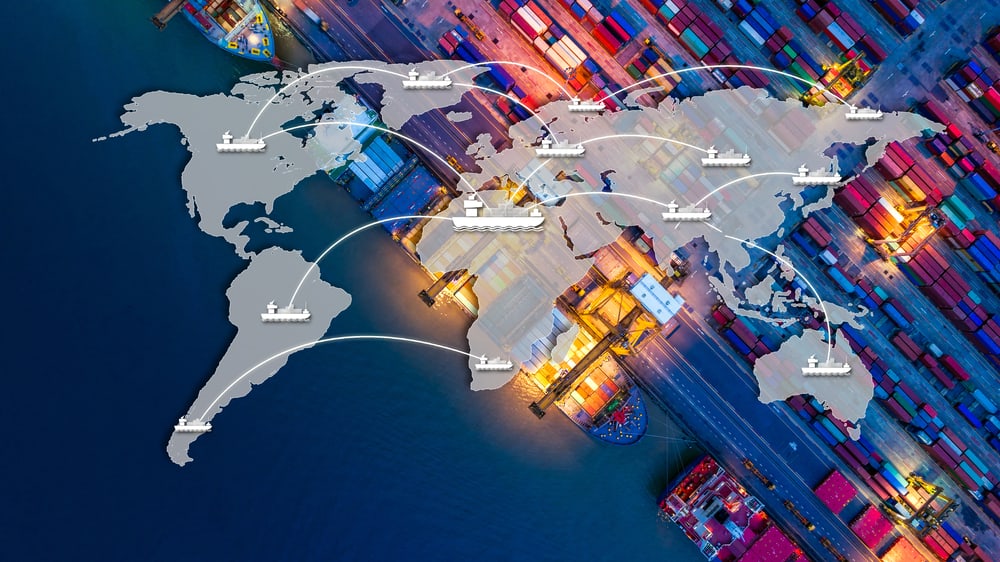
Choosing the Right Freight Forwarder: Key Considerations
Selecting the ideal freight forwarder requires careful evaluation of their capabilities and your specific requirements. Consider their experience, reputation, and service portfolio.
Ultimately, a reliable partner can significantly reduce shipping headaches and contribute to your business’s success. Here are some factors to weigh.
Experience and Reputation
Look for companies with a proven track record and positive client testimonials. An experienced forwarder understands market nuances, potential pitfalls, and efficient problem-solving.
Furthermore, check their industry affiliations and certifications, which often indicate adherence to professional standards and best practices in logistics trends.
Network and Global Reach
The best freight forwarding companies in China boast extensive global networks and strong relationships with carriers. This ensures competitive freight rates and reliable service to various destinations, including North America and Europe.
A broad network also means better contingency planning and alternative route options in case of disruptions. They can offer flexible options for your delivery schedule.
Communication and Transparency
Effective communication is paramount in international shipping. Choose a forwarder that offers clear, timely updates on your cargo’s status and transparent pricing structures.
Consequently, this proactive approach minimizes uncertainty and allows you to plan your operations more effectively. Hidden fees are a common pain point to avoid.
Case Studies: Real-World Shipping Scenarios from China
To illustrate the practical application of these services, let’s examine a few real-world shipping scenarios. These examples highlight how different factors influence shipping decisions and outcomes.
They demonstrate the complexities involved and the value a proficient freight forwarder brings to the table, especially concerning cargo handling and transit time.
Case Study 1: Large Volume Sea Freight to Europe
This scenario exemplifies a typical large-scale commercial shipment, prioritizing cost-effectiveness over speed.
Based on Q3 2024 market rates, this is a common approach for durable goods.
| Detail | Description | Value |
|---|---|---|
| Route | Shanghai, China to Rotterdam, Netherlands | Direct |
| Cargo | Furniture components | 60 CBM, 12,000 kg |
| Container | 1 x 40HQ FCL | Full Container Load |
| Shipping Details | Carrier: COSCO, Port of Loading: Shanghai, Port of Discharge: Rotterdam | Direct route |
| Cost Breakdown | Ocean Freight: $3,800, Origin Charges: $550, Destination Charges: $400, Customs & Duties (est): $750 | Total Landed Cost: $5,500 |
| Timeline | Booking to Loading: 5 days, Sea Transit: 32 days, Customs Clearance: 3 days | Total Door-to-Door: 40 days |
| Key Insight | Cost-effective for bulk; timely booking crucial during peak season. Rates can increase by 15-25% during August-October peak season. |
Case Study 2: Urgent Air Freight to Australia
This case study demonstrates the use of air freight for high-value, time-sensitive goods. Speed is the primary driver here, justifying the higher shipping costs.
Typical rates as of early 2025 reflect the premium for rapid delivery.
| Detail | Description | Value |
|---|---|---|
| Route | Guangzhou, China to Sydney, Australia | Express |
| Cargo | Electronics prototypes | 2 CBM, 300 kg |
| Container | Air Cargo | LCL |
| Shipping Details | Carrier: Cathay Pacific Cargo, Port of Loading: Guangzhou, Port of Discharge: Sydney | Direct flight |
| Cost Breakdown | Air Freight: $2,100, Origin Charges: $250, Destination Charges: $150, Customs & Duties (est): $100 | Total Landed Cost: $2,600 |
| Timeline | Booking to Loading: 2 days, Air Transit: 2 days, Customs Clearance: 1 day | Total Door-to-Door: 5 days |
| Key Insight | Ideal for urgent, high-value shipments; requires precise documentation to avoid delays. Consider express service for critical deadlines. |
Case Study 3: Small Batch Amazon FBA Shipment to USA
This example illustrates an e-commerce focused shipment, often requiring specialized handling and direct delivery to fulfillment centers.
Based on current market rates, this method optimizes for direct-to-warehouse logistics.
| Detail | Description | Value |
|---|---|---|
| Route | Shenzhen, China to Los Angeles, USA (Amazon FBA warehouse) | FBA Prep + Sea Freight |
| Cargo | Small home goods (LCL) | 5 CBM, 800 kg |
| Container | LCL consolidation | Less than Container Load |
| Shipping Details | Service: Dedicated FBA service, Port of Loading: Shenzhen, Port of Discharge: Los Angeles | Door-to-door, FBA compliant |
| Cost Breakdown | Ocean Freight: $450, FBA Prep + Labeling: $120, Origin Charges: $180, Destination Charges: $200, Customs & Duties (est): $150 | Total Landed Cost: $1,100 |
| Timeline | Booking to Loading: 7 days, Sea Transit: 18 days, Customs Clearance: 3 days, FBA Delivery: 4 days | Total Door-to-Door: 32 days |
| Key Insight | Specialized Amazon FBA services simplify complex requirements. This includes careful packaging and labeling, which are paramount for avoiding Amazon penalties. |
Which Option Should You Choose? A Decision Framework
Making the right shipping decision depends heavily on your specific business priorities. Therefore, consider these key factors to guide your choice effectively.
Each scenario demands a tailored approach, balancing various trade-offs to achieve optimal results for your import/export operations.
Budget Priority
If cost is your primary concern, especially for large, non-urgent shipments, sea freight is almost always the most economical choice. Furthermore, consolidating smaller shipments into LCL (Less than Container Load) can further reduce per-unit costs.
However, be mindful of longer transit times and potential port congestion, which can indirectly impact overall costs if inventory runs low. Always factor in total shipping costs.
Speed Priority
For urgent deliveries, high-value goods, or products with a short shelf life, air freight is the undisputed champion. It drastically cuts down transit time, ensuring your goods arrive quickly.
Nevertheless, the premium cost associated with air cargo means it’s best reserved for situations where speed genuinely outweighs expense. Consider using express service for critical deadlines.
Cargo Type Considerations
The nature of your cargo plays a significant role. Perishable items, for example, typically require temperature-controlled air freight. Hazardous materials, conversely, have strict regulations for all transport modes.
For bulky or oversized items, sea freight or specialized rail freight (for specific routes) may be the only viable options. Always declare cargo accurately to ensure proper handling.
Volume Thresholds for Switching Methods
For small shipments under 15 CBM, LCL sea freight or air freight might be more cost-effective than an empty FCL container. However, as volume increases, FCL sea freight quickly becomes more economical.
Specifically, for shipments exceeding 15-20 CBM, a full container load usually offers better per-unit rates and often faster transit than LCL due to less handling. This directly impacts overall shipping costs.
Navigating Market Conditions and Cost-Saving Strategies
Global logistics trends and market conditions constantly influence freight rates and transit times. Therefore, staying informed and adopting strategic approaches can help mitigate potential cost increases.
As of Q1 2025, freight rates from China to Europe have stabilized after the 2024 Red Sea disruptions, but capacity remains a key factor. Likewise, rates typically increase 15-25% during August-October peak season.
Based on current market rates, proactive planning is essential to secure favorable shipping costs and avoid delays. Consider these strategies to optimize your budget.
Booking in Advance and Off-Peak Shipping
Booking your shipments well in advance, especially during peak seasons like Chinese New Year or holiday rushes, can secure better rates and space. Moreover, shipping during off-peak periods often yields significant savings.
Flexibility with your delivery schedule can lead to substantial reductions in overall shipping costs. Industry average for this route can fluctuate widely based on booking timing.
Consolidation and Hybrid Solutions
Consolidating multiple smaller orders into a single, larger shipment (LCL or FCL) can dramatically reduce per-unit shipping expenses. This is particularly effective for multiple suppliers in the same region.
Furthermore, consider hybrid solutions like sea-air or rail-sea combinations. For example, shipping by rail freight to Europe then distributing by truck offers a balance of speed and cost for many goods. This reduces transit time compared to pure sea freight.
Negotiating with Forwarders and Utilizing Door-to-Door Services
Do not hesitate to negotiate freight rates with your chosen forwarder, especially if you have consistent shipping volumes. Long-term partnerships often yield better pricing and service levels.
Additionally, utilizing door-to-door services can simplify logistics and provide a single point of contact, often including all local charges and customs brokerage. This comprehensive service can offer greater cost predictability.
Partner with the Best Freight Forwarding Companies in China for Seamless Logistics
Ultimately, selecting the right freight forwarding partner in China is a strategic decision that directly impacts your business’s efficiency and profitability. By carefully evaluating services, comparing shipping methods, and leveraging market insights, you can make an informed choice.
The best freight forwarding companies in China offer more than just transport; they provide comprehensive logistics solutions, expert customs brokerage, and proactive communication. Partnering with a reliable forwarder ensures your goods move efficiently, securely, and cost-effectively, strengthening your global supply chain. Always seek competitive quotes and transparent service agreements to secure your optimal shipping solution.
Get Your Shipping Quote Today
Ready to optimize your supply chain and find the best freight forwarding companies in China? Contact us today for a personalized quote and expert consultation. We are here to simplify your international shipping needs and provide a seamless experience.