

- By kelly
- September 29, 2025
- Logistics, Tips or Guide
Best LCL Shipping from Shenzhen to Canada: Complete 2025 Guide
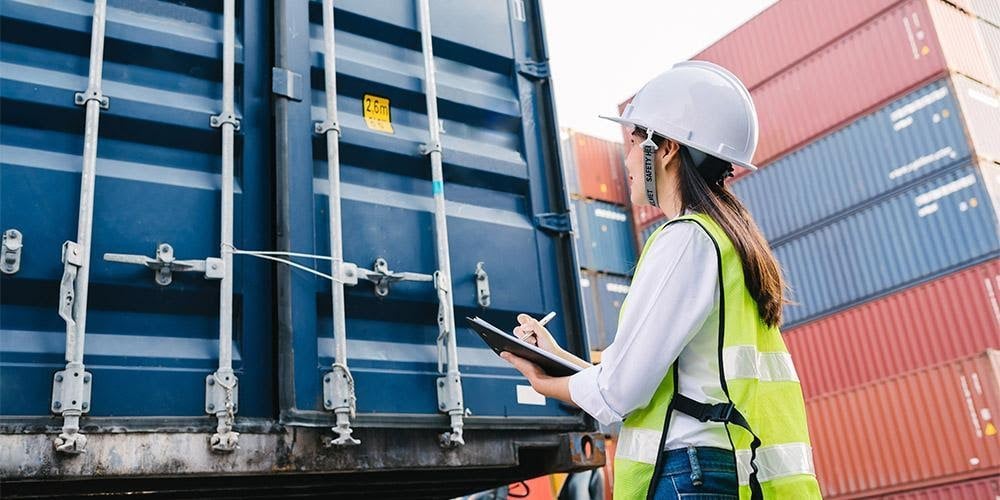
The best LCL shipping from Shenzhen to Canada offers cost savings and flexibility for importers who don’t need a full container. Many businesses face challenges such as high shipping costs, unpredictable delivery times, and customs complexities. However, with professional freight solutions, companies can consolidate smaller shipments into shared containers, optimize supply chains, and reduce logistics expenses while ensuring reliable delivery.
1. What Is LCL Shipping and Why Is It Popular?
LCL (Less than Container Load) shipping allows businesses to share container space with other shippers. Instead of paying for an entire 20ft or 40ft container, you only pay for the space you use.
This makes LCL ideal for:
- Small to medium-sized businesses.
- Importers testing new markets.
- E-commerce sellers handling moderate inventory.
- Companies needing regular but smaller shipments.
2. How Long Does LCL Shipping from Shenzhen to Canada Take?
Transit times depend on the Canadian port of entry.
| Route (Shenzhen – Canada) | Transit Time (Sea) | Notes |
|---|---|---|
| Shenzhen – Vancouver | 18–22 days | Fastest route, major West Coast hub |
| Shenzhen – Toronto (via Vancouver + rail) | 25–28 days | Includes inland transport |
| Shenzhen – Montreal (via Halifax) | 30–32 days | Longer due to routing |
While LCL is slower than air freight, it provides reliable scheduling at far lower costs.
3. How Much Does the Best LCL Shipping from Shenzhen to Canada Cost?
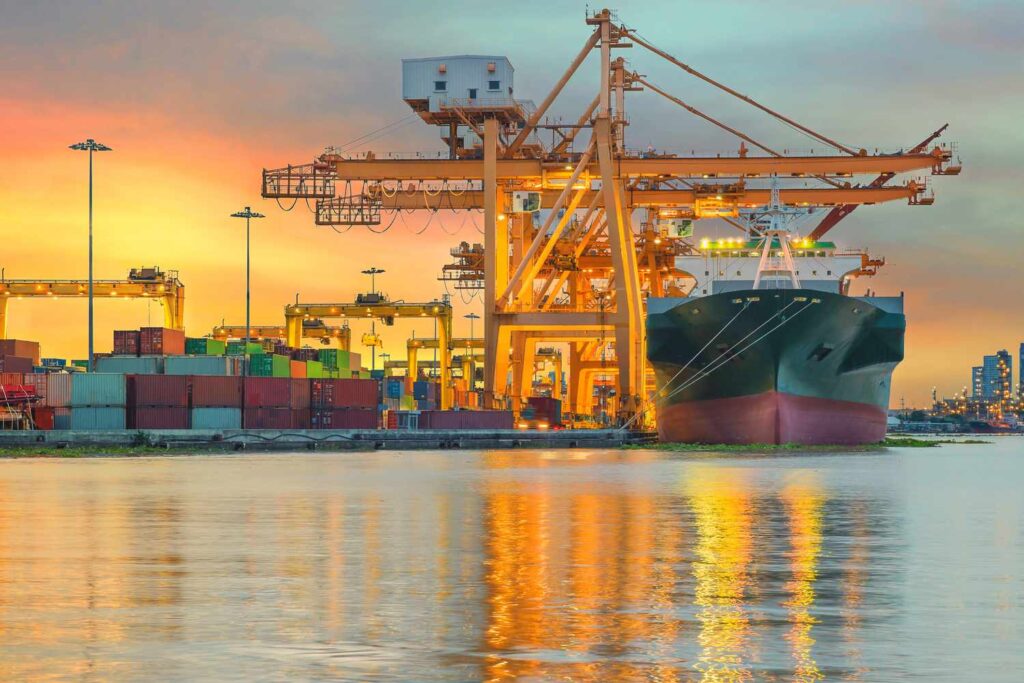
Costs vary by shipment size, weight, and destination.
| Cargo Volume | Estimated Cost (USD) | Notes |
|---|---|---|
| 1 CBM (min charge) | $120–$180 | Suitable for very small loads |
| 5 CBM | $500–$750 | Ideal for SMEs |
| 10 CBM | $1,000–$1,400 | Competitive rates for mid-size shipments |
| 20ft FCL (reference) | $4,000–$5,500 | Better if you can fill full container |
LCL is cheaper for smaller loads but FCL becomes more economical at higher volumes.
4. What Documents Are Required for Customs Clearance in Canada?
| Document | Purpose |
|---|---|
| Commercial Invoice | Declares product details and value |
| Packing List | Confirms items shipped |
| Bill of Lading | Shipping contract |
| Certificate of Origin | Required for trade agreements |
| Import Licenses (if needed) | For regulated goods |
| HS Code Declaration | Determines duties/taxes |
| Insurance Certificate | Protects against risk |
Failure to provide these can result in delays at Canadian ports.
5. How Does LCL Compare to FCL, Air, and Rail Freight?
| Shipping Method | Transit Time | Cost Level | Best For | Pros | Cons |
|---|---|---|---|---|---|
| LCL Sea Freight | 20–32 days | Low–Medium | Small to mid shipments | Affordable, flexible | Handling adds time |
| FCL Sea Freight | 20–32 days | Medium | Large shipments | Economical per unit | Requires full load |
| Air Freight | 5–9 days | High | Urgent, valuable cargo | Fast, secure | Expensive |
| Rail + Truck | 18–25 days | Medium | Inland destinations | Balanced option | Limited route |
6. What Are the Pros and Cons of LCL Shipping from Shenzhen to Canada?
| Pros | Cons |
|---|---|
| Cost-effective for small volumes | Longer handling time |
| Pay only for space used | Higher per-CBM rate than FCL |
| Flexible scheduling | Risk of delays with consolidation |
| Ideal for SMEs and e-commerce | Requires strong customs preparation |

7. How Do Freight Forwarders Optimize LCL Shipping?
Professional forwarders help by:
- Consolidating cargo for cost efficiency.
- Handling customs clearance in both Shenzhen and Canada.
- Managing documentation to avoid errors.
- Providing tracking and insurance services.
- Coordinating multimodal transport (sea + rail/truck).
This ensures smoother operations and predictable supply chains.
8. Should You Choose Vancouver, Toronto, or Montreal for Imports?
- Vancouver: Fastest entry point, ideal for West Coast distribution.
- Toronto: Convenient for central Canada, includes rail from Vancouver.
- Montreal: Closer for East Coast customers but longer transit time.
9. What Goods Are Best Suited for LCL Shipping?
- Electronics and consumer goods.
- Clothing and textiles.
- Furniture and household items.
- Machinery parts.
- E-commerce products in moderate volumes.
Goods requiring urgent delivery may be better suited to air freight.
10. How to Reduce Costs on LCL Shipments from Shenzhen to Canada?
- Plan shipments in advance to secure lower rates.
- Consolidate cargo to avoid paying multiple minimum charges.
- Use a reliable forwarder to minimize hidden fees.
- Ensure accurate HS codes to avoid unnecessary duties.
- Leverage trade agreements for reduced tariffs.
11. Customs Duties and Taxes for Canada Imports
| Category | Average Duty | GST/HST |
|---|---|---|
| Electronics | 0%–5% | 5%–15% depending on province |
| Clothing | 16%–18% | 5%–15% |
| Furniture | 8%–10% | 5%–15% |
| Machinery | 2%–6% | 5%–15% |
Professional customs clearance support is crucial to avoid misclassification.
12. Future Trends in LCL Shipping from China to Canada
- Digital platforms for cargo booking.
- Green shipping initiatives reducing emissions.
- Integrated tracking with blockchain.
- More consolidation hubs in Shenzhen for efficiency.
📦Get a Free Quote
With the best LCL shipping from Shenzhen to Canada, you benefit from cost savings, expert customs handling, and reliable scheduling. Contact us today for a free quote and learn how we can streamline your supply chain from China to Canada.
❓ Frequently Asked Questions
Q1: How long does LCL shipping from Shenzhen to Canada take?
Usually 18–32 days, depending on the destination port and inland delivery.
Q2: Is LCL cheaper than FCL?
Yes, for small volumes. However, once cargo approaches full-container size, FCL becomes more cost-effective.
Q3: What is the minimum shipment size for LCL?
Most forwarders accept a minimum of 1 CBM (cubic meter) for LCL shipping.
Q4: Do I need a customs broker in Canada?
Yes, brokers simplify clearance, handle taxes/duties, and prevent costly errors.
Q5: Which Canadian port is best for imports?
Vancouver is fastest, Toronto suits central regions, and Montreal is best for East Coast distribution.
Conclusion
The best LCL shipping from Shenzhen to Canada helps importers save money while maintaining supply chain efficiency. Although transit times are longer than air freight, the cost savings and flexibility make LCL ideal for SMEs and growing businesses. With expert freight forwarders managing consolidation, customs, and delivery, your goods can reach Canadian markets smoothly and reliably.