

- By kelly
- November 14, 2025
- Logistics, Tips or Guide
Best Rail Freight from Shenzhen to Germany: Fast, Cost-Effective, and Reliable Shipping
For businesses looking to balance speed and cost, the best rail freight from Shenzhen to Germany offers the perfect solution. Positioned between air and sea freight in terms of time and budget, rail freight is growing in popularity among European importers. Whether you’re shipping electronics, machinery, or consumer goods, rail transport ensures timely delivery across the Eurasian continent.
1. Why Choose Rail Freight from Shenzhen to Germany?
As part of China’s Belt and Road Initiative, Shenzhen is connected to Germany via an efficient rail network that passes through Central Asia and Eastern Europe.
Key Benefits:
- Faster than sea freight (12–18 days vs. 30–45 days)
- More affordable than air freight
- Environmentally friendly
- High frequency and schedule reliability
Moreover, it supports both FCL (Full Container Load) and LCL (Less than Container Load), which makes it suitable for businesses of all sizes.
2. How Long Does Rail Freight Take from Shenzhen to Germany?
Transit time depends on the service type, customs processing, and destination terminal in Germany.
| Route Type | Destination City | Estimated Transit Time |
|---|---|---|
| FCL Direct | Hamburg | 14–16 days |
| FCL via Warsaw Hub | Munich | 16–18 days |
| LCL Consolidated Cargo | Duisburg | 18–20 days |
Compared to sea freight, rail shortens delivery time by over 50%, while offering better predictability.
3. What Are the Shipping Costs for Rail Freight?
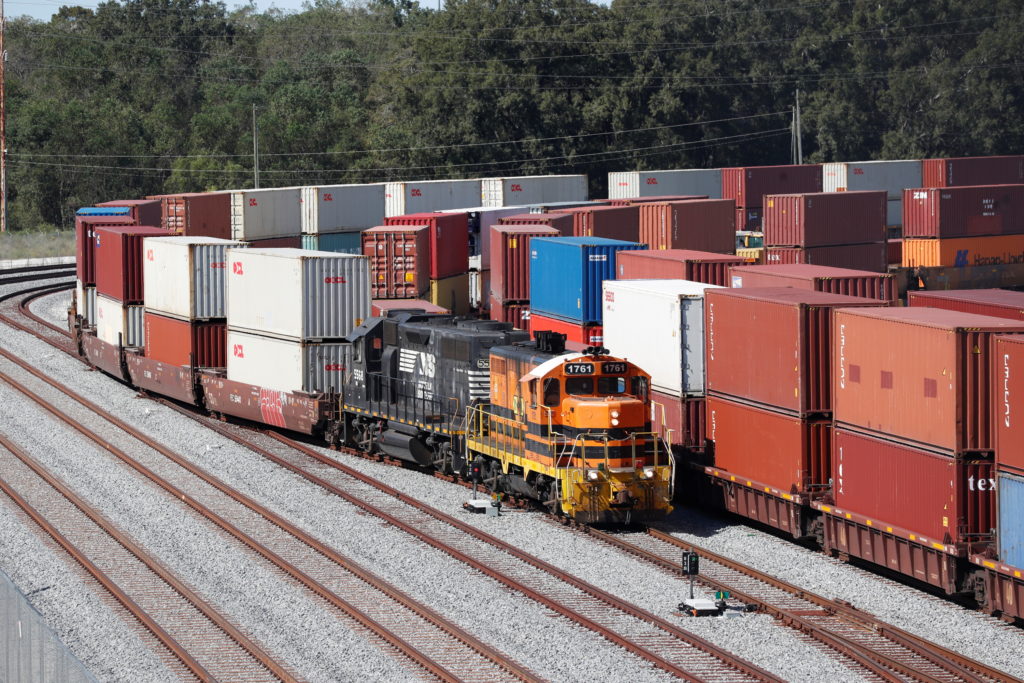
Rail freight offers a good balance between price and speed. Here’s a rough estimate:
| Service Type | Cost (USD) | Inclusions |
|---|---|---|
| 20ft FCL | $4,000 – $5,000 | Port-to-terminal delivery |
| 40ft FCL | $6,500 – $7,800 | Freight, rail handling, documentation |
| LCL (per CBM) | $150 – $250 | Consolidation, handling, fuel surcharge |
| DDP (Door-to-Door) | $7,500 – $9,000 (40ft) | Freight, customs, final delivery |
Rates can fluctuate due to fuel costs, seasonal demand, and terminal handling charges.
4. What Rail Routes Connect Shenzhen to Germany?
Most rail freight routes follow the China-Europe Railway Express corridor.
Common Transit Points:
- China: Shenzhen → Xi’an → Chongqing
- Central Asia: Kazakhstan → Russia → Belarus
- EU Entry: Poland → Germany (via Małaszewicze)
From there, goods are distributed to major German cities like Hamburg, Duisburg, Frankfurt, and Munich.
5. What Goods Are Best Suited for Rail Freight?
Rail freight is ideal for a wide range of products that require faster delivery but don’t justify the cost of air freight.
| Product Type | Suitability |
|---|---|
| Electronics | ✓✓✓ |
| Automotive Parts | ✓✓✓ |
| Industrial Machinery | ✓✓ |
| Furniture & Fixtures | ✓✓ |
| Textiles & Apparel | ✓✓ |
| Perishables | ✗ |
Moreover, temperature-controlled containers are available for certain goods, although less common.
6. What Documents Are Needed for Rail Freight to Germany?
Correct documentation is essential to avoid customs delays.
| Document Name | Purpose |
|---|---|
| Rail Waybill (CIM/SMGS) | Proof of contract and goods in transit |
| Commercial Invoice | Product value and trade declaration |
| Packing List | Description of cargo |
| Certificate of Origin | Needed for duty assessment or exemption |
| Customs Declarations | CN/EU export/import compliance |
| HS Codes | Tariff classification of the goods |
Ensure all documents are consistent and correctly filled out to avoid border rejections or penalties.
7. Rail vs Sea vs Air Freight Comparison
| Mode | Transit Time | Cost | Best For | Pros | Cons |
|---|---|---|---|---|---|
| Rail Freight | 12–20 days | Medium | Moderate urgency & mid-sized cargo | Fast, economical, eco-friendly | Limited volume, not for urgent |
| Sea Freight | 30–45 days | Low | Bulk cargo with flexible deadlines | Cheapest, high volume | Long transit, port delays |
| Air Freight | 3–7 days | High | Urgent, high-value goods | Fastest, global reach | Expensive, limited by size/weight |
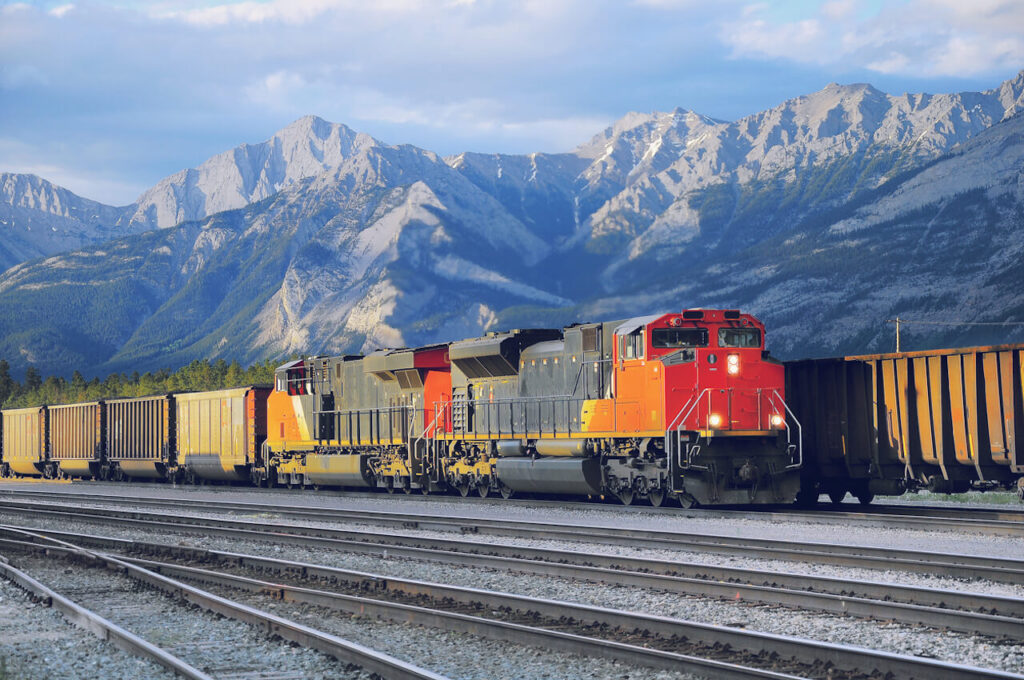
Rail is a sweet spot for importers balancing speed, cost, and carbon footprint.
8. How Are Rail Freight Services Structured?
FCL (Full Container Load)
- Best for larger volume.
- Secure and efficient.
- Fixed transit schedule.
LCL (Less than Container Load)
- Ideal for small/medium shippers.
- Shared containers reduce costs.
- Slightly longer due to consolidation.
DDP (Delivered Duty Paid)
- Worry-free shipping.
- Includes customs clearance, duties, and final delivery.
- Recommended for first-time importers or e-commerce clients.
9. Which Rail Terminals in Germany Are Most Common?
Germany has a robust rail logistics network with several key inland terminals.
| Terminal | City | Advantages |
|---|---|---|
| Duisburg | NRW | Largest inland port in Europe, high volume capacity |
| Hamburg | Hamburg | Seamless sea-rail integration |
| Munich | Bavaria | Ideal for South and Central Europe distribution |
| Frankfurt | Hesse | Strong air-rail connection for global transshipment |
These terminals offer excellent connectivity for final-mile delivery via truck or local rail.
10. What Are the Challenges of Rail Freight?
While efficient, there are still considerations:
- Limited frequency during public holidays or Chinese New Year
- Capacity constraints during peak season (Q3–Q4)
- Customs complexity across multiple borders
- Delays due to political tensions or rail congestion
However, most challenges can be mitigated by booking early and using experienced freight forwarders.
📦Get a Free Quote
If you’re looking for the best rail freight from Shenzhen to Germany, our expert logistics team is ready to help. We provide customized FCL, LCL, and DDP services tailored for your cargo. Get your goods delivered fast, reliably, and affordably via rail.
❓ Frequently Asked Questions
1. Is rail freight faster than sea freight from China to Germany?
Yes, rail freight takes around 14–20 days, which is nearly twice as fast as sea freight routes to Europe.
2. How do I track a rail shipment from Shenzhen to Germany?
You can track your shipment using the CIM/SMGS rail waybill number via the forwarder’s online portal or direct system.
3. What is the weight limit for rail freight containers?
Standard 40ft containers can carry up to 22–26 metric tons. Always confirm limits with your forwarder to avoid overloading fees.
4. Can I ship door-to-door from Shenzhen to Germany by rail?
Yes, with DDP service, cargo is picked up in China and delivered directly to your German warehouse or distribution center.
5. Are there customs duties when shipping to Germany?
Yes, VAT (19%) and import duties apply. HS codes and product classification determine the exact rate for each shipment.
Conclusion
To sum up, the best rail freight from Shenzhen to Germany combines faster transit times than sea, lower costs than air, and reliable scheduling for growing supply chains. With the right forwarder, proper documentation, and smart timing, you can streamline your import process while staying within budget. Choose rail freight to keep your goods moving efficiently across continents.