

For businesses trading between China and Europe, finding the best rail freight from Shenzhen to Italy is crucial. While air freight is fast but expensive and sea freight is cheap but slow, rail freight offers a reliable middle ground. It ensures timely deliveries, optimized shipping costs, and smoother customs processes, making it a perfect choice for importers and exporters.

Why Is Rail Freight an Ideal Option from Shenzhen to Italy?
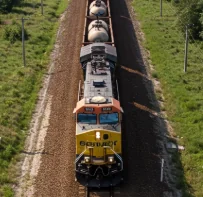
Rail freight combines the benefits of cost efficiency, shorter delivery times, and eco-friendly transport. Moreover, it provides reliable connections between Shenzhen’s manufacturing hubs and Italy’s major logistics centers.
| Shipping Method | Transit Time | Cost Level | Pros | Cons |
|---|---|---|---|---|
| Air Freight | 5–8 days | High | Fastest delivery | Expensive, limited cargo |
| Rail Freight | 18–22 days | Medium | Balanced speed/cost | Limited routes, customs checks |
| Sea Freight | 35–40 days | Low | Cheapest, bulk shipping | Very slow, port delays |
What Are the Key Rail Routes from Shenzhen to Italy?
Most rail shipments travel through Central Asia, crossing multiple borders before entering Europe. Italy’s main entry hubs include Milan, Verona, and Bologna, which connect directly to inland distribution networks.
- Shenzhen → Milan: 18–22 days
- Shenzhen → Verona: 19–23 days
- Shenzhen → Bologna: 20–24 days
These corridors are supported by strong infrastructure, ensuring safe and consistent cargo movement.
How Much Does Rail Freight Cost from Shenzhen to Italy?
Rail freight rates vary depending on container type, shipment volume, and season.
| Container Type | Average Price (USD) | Capacity | Suitable Cargo |
|---|---|---|---|
| 20GP | $4,700 – $5,400 | 28 CBM | Small/medium loads |
| 40GP | $7,000 – $7,800 | 58 CBM | Large shipments |
| 40HQ | $7,500 – $8,200 | 68 CBM | High-volume loads |
Note: Prices fluctuate due to fuel costs, global demand, and seasonal surcharges.
What are you waiting for?
Contact chinatopfreight for a fast, free quote.
Are you ready to book?
Access live instant freight quotes
Should You Choose FCL or LCL Rail Freight?
Both Full Container Load (FCL) and Less than Container Load (LCL) options are available.
- FCL Rail Freight: Exclusive use of the container, ideal for high-value or bulky cargo, faster loading/unloading.
- LCL Rail Freight: Shared space with other shippers, cheaper for small volumes but slightly longer handling.
Which Customs Documents Are Required for Rail Freight?
Ensuring smooth customs clearance is essential for efficiency. Below is a document checklist:
| Required Document | Purpose |
|---|---|
| Commercial Invoice | Declares product value |
| Packing List | Details shipment contents |
| Rail Waybill | Proof of carriage contract |
| Certificate of Origin | Determines tariffs |
| Import License (if needed) | Restricted goods |
Errors in paperwork can lead to shipment delays, so accuracy is critical.
How Reliable Is Rail Freight Compared to Other Modes?
Rail freight has proven to be both dependable and sustainable.
| Factor | Air Freight | Rail Freight | Sea Freight |
|---|---|---|---|
| Punctuality | Very High | High | Medium |
| Customs Complexity | Medium | Medium | High |
| Environmental Impact | High | Low | Medium |
| Cost Efficiency | Low | Medium | High |
Therefore, rail offers a balanced alternative, especially for medium-sized shipments.
Why Is Rail Freight More Eco-Friendly?
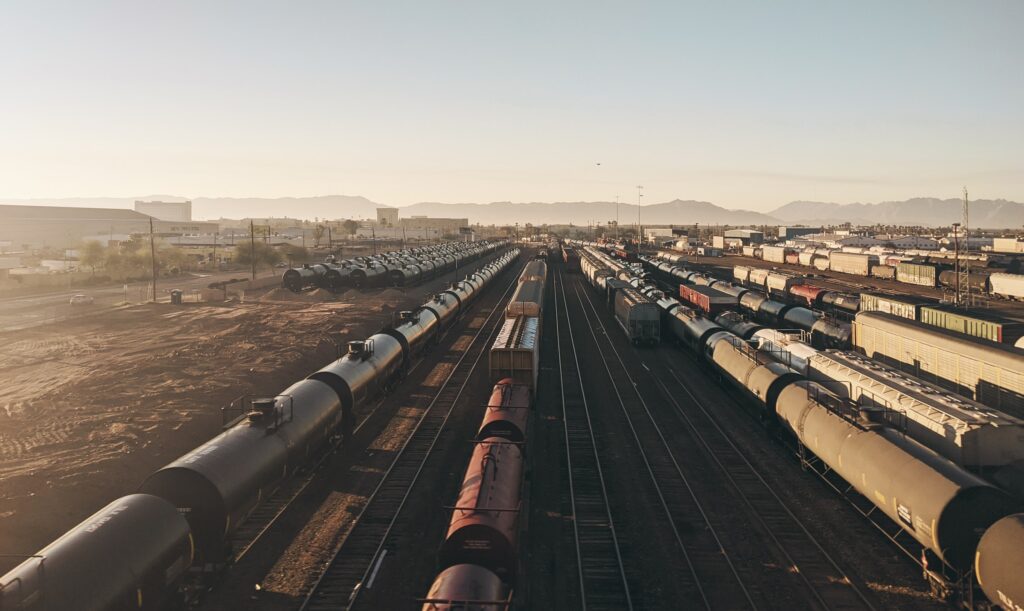
Rail emits up to 75% less CO₂ per ton-kilometer than air freight. Additionally, it uses modern locomotives that reduce reliance on fossil fuels, making it sustainable for global supply chains.
What Industries Benefit from Rail Freight to Italy?
Industries such as fashion, automotive, machinery, textiles, and electronics benefit most. Italy’s strong demand for fast and predictable delivery makes rail freight a natural fit for these sectors.
How Do Seasonal Trends Affect Rail Freight?
Capacity tightens during Chinese New Year and European holiday seasons. Consequently, booking early ensures availability and avoids peak-season rate increases.
Pros and Cons of Air, Sea, and Rail Freight
| Method | Pros | Cons |
|---|---|---|
| Air | Fast, secure | Expensive, limited cargo |
| Sea | Cheapest, bulk loads | Very slow, port congestion |
| Rail | Cost-speed balance, eco-friendly | Capacity limits, border checks |
What Challenges Should Businesses Expect?
- Border delays due to customs inspections
- Tariff changes impacting costs
- Seasonal surges limiting capacity
- Handling time variations for LCL shipments
Despite these challenges, trusted freight forwarders minimize risks with advanced planning and expert customs support.
Conclusion
Choosing the best rail freight from Shenzhen to Italy means enjoying an optimal balance between speed, cost, and reliability. With strong infrastructure, eco-friendly benefits, and competitive rates, rail freight ensures smooth trade between China and Italy. Partnering with a trusted logistics provider helps secure space, streamline customs, and safeguard timely deliveries—making it an excellent option for today’s supply chain needs.
FAQ
Q1: What is the typical transit time for rail freight to Italy?
Transit usually takes 18–22 days, depending on destination hubs like Milan or Verona, border procedures, and seasonal traffic conditions along the rail route.
Q2: Which businesses benefit most from rail freight services?
Manufacturers of electronics, fashion, textiles, and machinery use rail freight to balance cost and delivery speed while ensuring consistent supply chain performance.
Q3: How are customs inspections handled during rail freight?
Shipments undergo checks at multiple borders. A reliable freight forwarder ensures documents are accurate, minimizing the risk of clearance delays and fines.
Q4: What are the main Italian entry points for rail freight shipments?
Milan, Verona, and Bologna are the primary arrival hubs, providing strong connections to Italy’s industrial zones and European distribution networks.
Q5: How does rail freight pricing compare with other modes?
Rail costs are lower than air but higher than sea. The balance makes it ideal for businesses that require cost savings without long transit delays.