

International businesses are increasingly relying on best rail freight from Shenzhen to Spain to balance cost and speed in their supply chains. While sea freight is cheaper and air freight is faster, rail provides a middle ground—delivering goods in under three weeks with reduced carbon impact. However, choosing the right logistics partner, understanding customs requirements, and planning around seasonal peaks are critical to success.
Best Rail Freight from Shenzhen to Spain
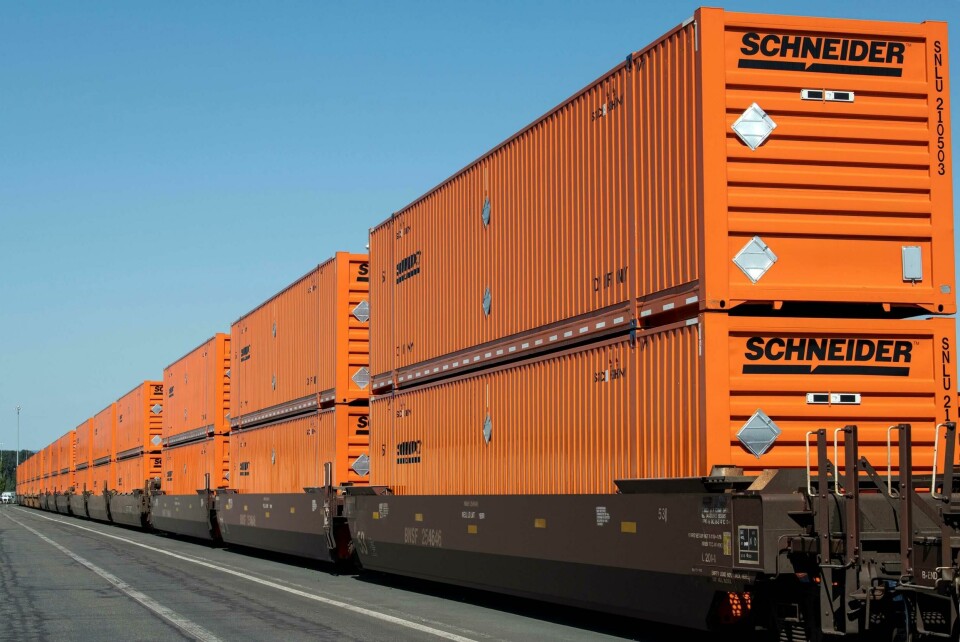
International businesses are increasingly relying on best rail freight from Shenzhen to Spain to balance cost and speed in their supply chains. While sea freight is cheaper and air freight is faster, rail provides a middle ground—delivering goods in under three weeks with reduced carbon impact. However, choosing the right logistics partner, understanding customs requirements, and planning around seasonal peaks are critical to success.
Why Is Rail Freight a Smart Choice from Shenzhen to Spain?
Rail freight offers consistent delivery times and eco-friendly benefits, making it ideal for importers and exporters managing complex supply chains. Moreover, it reduces risks associated with long sea voyages and costly air shipments.
| Shipping Method | Transit Time | Cost Level | Pros | Cons |
|---|---|---|---|---|
| Air Freight | 4–7 days | High | Fastest, secure | Expensive, weight restrictions |
| Rail Freight | 18–22 days | Medium | Balanced cost/speed, eco-friendly | Border inspections |
| Sea Freight | 35–45 days | Low | Cheapest, bulk shipping | Longest transit, port delays |
What Are the Key Rail Routes from Shenzhen to Spain?
Most rail cargo travels along the China–Europe corridor, crossing Central Asia and Eastern Europe before reaching Spain. Key Spanish hubs include Madrid, Zaragoza, and Barcelona.
- Shenzhen → Madrid: 18–22 days
- Shenzhen → Zaragoza: 19–23 days
- Shenzhen → Barcelona: 20–24 days
How Much Does Rail Freight Cost from Shenzhen to Spain?
Rates depend on cargo volume, container type, and seasonal market trends.
| Container Type | Average Price (USD) | Capacity | Best For |
|---|---|---|---|
| 20GP | $4,600 – $5,200 | 28 CBM | Smaller loads |
| 40GP | $6,900 – $7,600 | 58 CBM | Standard full loads |
| 40HQ | $7,400 – $8,200 | 68 CBM | High-volume cargo |
Note: Costs fluctuate with fuel surcharges, seasonal peaks, and global demand.
What are you waiting for?
Contact chinatopfreight for a fast, free quote.
Are you ready to book?
Access live instant freight quotes
Should You Choose FCL or LCL Rail Freight?
Both Full Container Load (FCL) and Less than Container Load (LCL) are available:
- FCL Rail Freight: Exclusive container use, secure for larger shipments, faster loading/unloading.
- LCL Rail Freight: Shared space with other shippers, cost-efficient for smaller cargo, slightly longer handling.
Which Customs Documents Are Required for Rail Freight?
Efficient customs clearance is crucial. Below is a checklist:
| Document | Purpose |
|---|---|
| Commercial Invoice | Declares cargo value |
| Packing List | Details shipment contents |
| Rail Waybill | Proof of transport |
| Certificate of Origin | Determines tariffs |
| Import Licenses (if required) | For restricted items |
How Reliable Is Rail Freight Compared to Air and Sea?
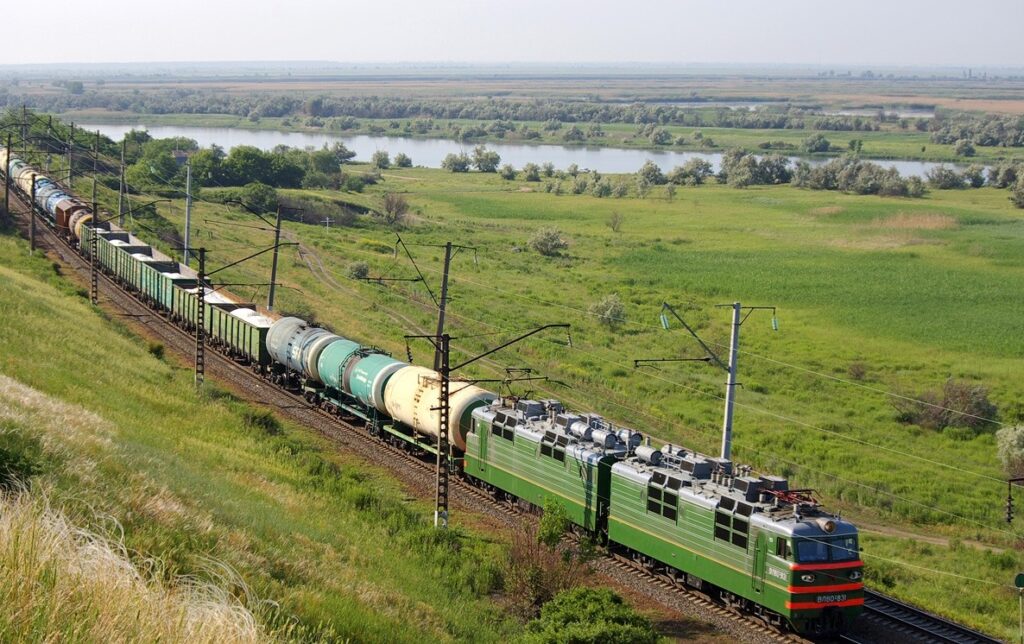
Rail freight offers a high level of reliability, combining predictable schedules with modern tracking systems.
| Factor | Air Freight | Rail Freight | Sea Freight |
|---|---|---|---|
| Punctuality | Very High | High | Medium |
| Cost per KG | Highest | Medium | Lowest |
| Environmental Impact | High | Low | Medium |
| Cargo Flexibility | Limited | Medium | High |
What Industries Benefit from Rail Freight to Spain?
Rail freight is particularly beneficial for:
- Fashion and textiles – Spain’s fashion industry requires quick replenishment.
- Electronics – Time-sensitive and high-value shipments.
- Automotive parts – Just-in-time supply chain requirements.
- Machinery – Heavy but urgent equipment deliveries.
How Do Seasonal Peaks Affect Rail Freight Costs?
Prices rise before Chinese New Year and during European holiday seasons. Therefore, booking early ensures available space and avoids costly surcharges.
What Are the Pros and Cons of Rail vs Sea vs Air Freight?
| Method | Pros | Cons |
|---|---|---|
| Air | Fastest, reliable | High cost, weight limits |
| Sea | Cheapest, bulk cargo | Very slow, port congestion |
| Rail | Balanced cost/speed, eco-friendly | Limited by network routes |
What Challenges Can Occur During Rail Freight?
- Customs inspections across borders
- Space shortages during seasonal demand
- Tariff or policy changes affecting costs
- Extended handling times for LCL shipments
Working with trusted freight forwarders minimizes these challenges by ensuring proper documentation and booking management.
Conclusion
Selecting the best rail freight from Shenzhen to Spain ensures a balance of cost efficiency, timely deliveries, and eco-friendly logistics. Rail cargo is faster than sea, more affordable than air, and offers consistent schedules for industries like fashion, electronics, and automotive. By partnering with professional freight forwarders, businesses can streamline customs, reduce risks, and strengthen their international supply chain.
FAQ
Q1: What is the average transit time for rail freight to Spain?
Most shipments from Shenzhen to Spain take 18–22 days, depending on the final destination hub and border clearance times along the route.
Q2: Which Spanish hubs handle rail freight arrivals?
Madrid, Zaragoza, and Barcelona are the main entry hubs, offering excellent onward distribution networks for national and European deliveries.
Q3: How are rail freight costs calculated?
Charges depend on container size, shipment weight, fuel surcharges, and seasonal demand. Rates are usually cheaper than air but higher than sea freight.
Q4: What happens if customs documents are incomplete?
Missing or inaccurate paperwork can delay clearance and increase storage costs. Partnering with a professional forwarder helps avoid such issues.
Q5: Can small businesses use LCL rail freight services?
Yes, LCL services allow smaller shipments to share space in one container, making rail freight cost-effective for SMEs with limited cargo.